
The Secret Behind Why Dominican Republic Hidden Gems Like Cabo Rojo And Barahona Are Winning Global Travel Right Now, Here’s The Update

Published
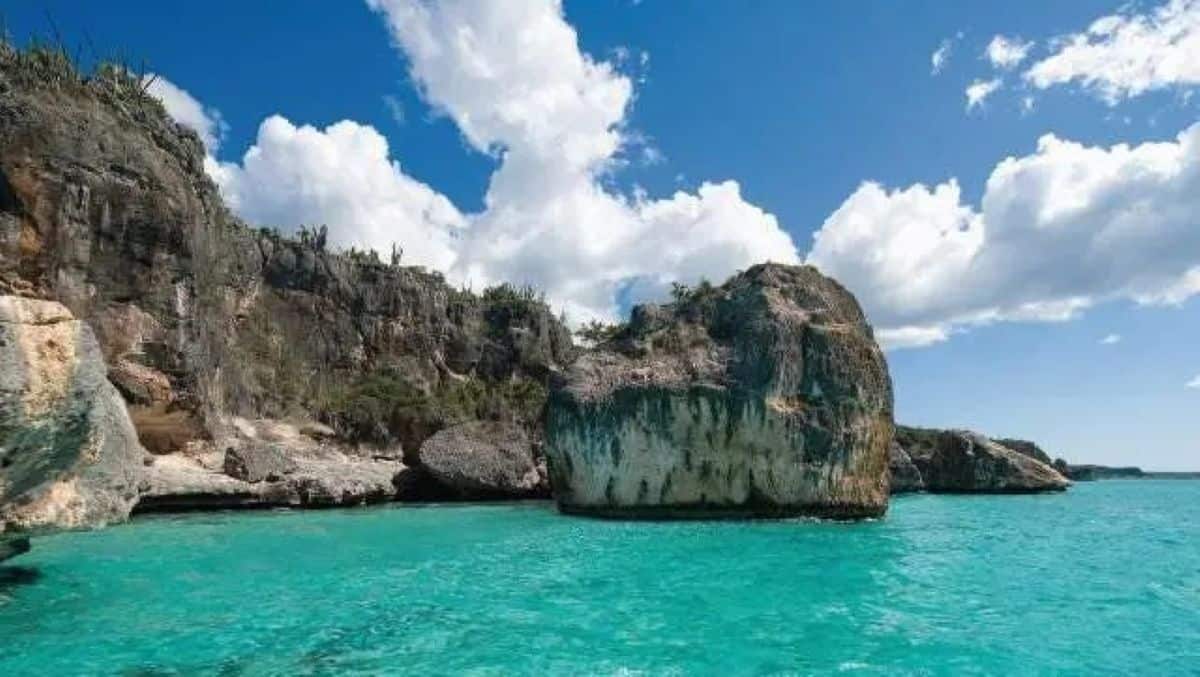
Image Credit godominicanrepublic
Every country reaches an inflection point when it becomes something different. The Dominican Republic is likely in that phase of its development where it is creating its own path for the future. Many call the Dominican Republic an easy, classic getaway, and when one steps outside the common routes to Asia or the Mediterranean, then one sees that there is more depth to a Caribbean country. This is no longer about selling sun spots. This is a story of pride and determination to restore and forge new ways. The spirit of the vibrant Santo Domingo streets and the peaceful, untamed Westernberg Cabo Rojo has inspired thousands to build new ways to sustain and feed themselves and their families. These are the folks that keep the villages alive and have hosted and sustained us all these years. Rekindling isn’t restoring, it’s the new meaning to what this country is.
Advertisement
Advertisement
How Did 15 Years of Strategic Infrastructure Planning Double Tourist Arrivals in Punta Cana and Santo Domingo?
The Dominican Republic did not double its visitor totals between 2011 and 2025 by mere coincidence; it systematically executed a long-term national masterplan. International arrival numbers surged from 4.7 million to 11.7 million through aggressive airport modernisation and targeted international marketing campaigns. Key air gateways like Punta Cana International Airport and Las Américas International Airport in Santo Domingo were vastly expanded to accommodate high-capacity global flights comfortably.
Advertisement
Advertisement
Simultaneously, massive private-public partnerships streamlined border control protocols and encouraged world-class resort construction along Bávaro Beach. The government aligned civil aviation agreements with tax incentives for hospitality developers, ensuring continuous private investment. By pairing modern air connectivity with extensive coastal resort capacity, the country established an unbeatable year-round destination model.
Why Is the Record-Breaking 2026 Visitor Velocity Outperforming Caribbean Rivals Across All Fronts?
Advertisement
Advertisement
By recording 8,556,415 visitors by August 2026, the nation effectively matched its entire annual visitor volume from 2022 in just eight months. Air travel accounted for 5.89 million arrivals (68.8%), while maritime cruise traffic added 2.66 million passengers (31.2%). This phenomenal trajectory leaves four high-season travel months remaining to easily cross the 12-million-visitor threshold.
Competing Caribbean islands are struggling to match this operational scale and competitive hotel pricing. The island’s ability to maintain high hotel occupancy alongside massive visitor throughput secures its dominance over regional travel markets. Consequently, global travel networks continue prioritizing direct routes into Dominican gateways over traditional island destinations.
What Is Driving the Massive Surge in Foreign Direct Investment Across Uvero Alto and Samaná Resorts?
Surging arrival statistics have sparked an unprecedented wave of Foreign Direct Investment (FDI) into hotel and luxury infrastructure projects. International hotel chains are eagerly launching eco-lodges, boutique hotels, and mega-resorts along pristine coastlines like Uvero Alto and the Samaná Peninsula. Investors view the nation’s political stability and clear regulatory frameworks as ideal conditions for long-term real estate returns.
This continuous capital inflow guarantees that accommodation options remain contemporary, energy-efficient, and capable of supporting millions of travelers without straining public utilities. Tax breaks granted under national tourism development laws further accelerate project timelines across emerging coastal zones. As a direct result, premium resort supply grows seamlessly alongside soaring international travel demand.
How Are Expanded Flight Networks and Airport Upgrades Boosting Global Accessibility into Santiago de los Caballeros?
Advertisement
Advertisement
Expanding air connectivity serves as a foundational pillar of the island’s ongoing tourism success. Direct long-haul routes now connect major European cities, South American hubs, and North American metropolises straight to Punta Cana, Santo Domingo, and Santiago de los Caballeros. Airlines have consistently increased seasonal flight frequencies to satisfy relentless holiday demand.
Upgraded airport infrastructure, extended runways, and automated customs checkpoints eliminate travel friction for arriving passengers. Increased competition among international carriers maintains affordable airfares, making the country an easy choice for budget and luxury travelers alike. This robust aviation framework keeps tourist arrivals balanced across multiple regional airports.
Why Has the Expanding Cruise Sector Transformed Coastal Economies in Puerto Plata and Pedernales?
Maritime tourism has rapidly evolved into a primary economic engine, delivering millions of cruise passengers directly to northern and southern coastal cities. Premier cruise ports such as Amber Cove and Taino Bay in Puerto Plata regularly host the world’s largest passenger liners. These modern maritime facilities channel immediate consumer spending into local historic districts, restaurants, and excursion businesses.
Furthermore, the strategic launch of the Cabo Rojo cruise port in Pedernales opens up the pristine southwestern frontier to international maritime itineraries. This intentional geographical expansion prevents overtourism in established resort areas while distributing economic benefits to underdeveloped provinces. Coastal communities now enjoy steady weekly injections of foreign currency directly from port operations.
How Does Rising Tourism Volume Directly Support Local Businesses and Job Creation in Cabarete?
Advertisement
Advertisement
The exponential rise in international arrivals translates directly into sustainable employment and economic security for local workers. The tourism sector supports approximately 893,000 jobs nationwide, ranging from hospitality managers in luxury resorts to independent water sports operators in Cabarete. Local supply chains thrive as hotels purchase domestic agricultural goods, handcrafted items, and transport services directly from local vendors.
This powerful economic multiplier effect turns tourist spending into broad community enhancement across urban and rural zones alike. Small business owners, transport cooperatives, and regional farms experience reliable demand linked directly to resort occupancy. Consequently, national workforce development is tightly integrated with the expanding tourism ecosystem.
What Role Does Global Visibility Play in Elevating Cultural Hotspots like Santo Domingo and La Romana?
Targeted international marketing campaigns have elevated the Dominican Republic into a top-tier global brand. Highlighting historical treasures like Santo Domingo’s Zona Colonial alongside luxury golf courses in La Romana attracts diverse traveler demographics. Global promotional drives successfully position the nation as a multi-faceted destination for eco-tourists, families, wedding parties, and business conventions.
This sustained brand presence builds long-term equity and insulates the local hospitality sector from economic downturns elsewhere. High global visibility keeps hotel booking pipelines full throughout both peak and off-peak travel seasons. As international awareness grows, cultural and historical attractions receive dedicated preservation funding funded by visitor entry fees.
How Can the Dominican Republic Convert High Visitor Volume Into Sustainable Economic Resilience?
Advertisement
Advertisement
Dominican leadership is shifting focus from raw arrival numbers to maximizing long-term economic value per visitor. Government policies actively promote longer resort stays, higher daily spending, and eco-friendly travel options that protect fragile coral reefs and rainforest ecosystems. Channelling tourism tax revenue into public education, clean energy projects, and environmental conservation safeguards local living standards.
This sustainable focus prevents environmental degradation while preserving natural assets for future generations of travelers. Eco-tourism initiatives across national parks and coastal marine sanctuaries ensure local flora and fauna are actively protected. By prioritizing ecological balance alongside commercial development, the country sets a durable benchmark for island economies worldwide.
Which Regional Destinations Are Powering the Dominican Republic’s Unprecedented Visitor Boom?
While the nation as a whole is enjoying record-breaking footfall, tourist numbers are strategically dispersed across distinct geographical hotspots. Punta Cana remains the undisputed titan of Caribbean travel, absorbing nearly 70% of all international flights while maintaining remarkable hotel occupancy rates of 88.2% in coastal corridors such as Bávaro. Meanwhile, the historic capital of Santo Domingo welcomes over 1.6 million visitors each year, serving as a thriving nexus for corporate events, diplomatic travel, and heritage tourism throughout its UNESCO-protected Zona Colonial.
Concurrently, secondary and emerging provinces are logging unprecedented growth trajectories. Neighboring coastal hubs like La Romana and Bayahíbe lead national accommodation metrics with an 88.6% occupancy rate, buoyed by world-class luxury resorts and heavily frequented cruise terminals. Farther south, eco-tourism frontiers like Barahona have logged an astonishing 156.7% surge in year-on-year arrivals with a 64.1% occupancy rate, demonstrating that modern international holidaymakers are eagerly venturing beyond traditional all-inclusive enclaves into pristine natural landscapes.
Can Ongoing Infrastructure Expansion Keep Pace With Surging Accommodation Demand?
Advertisement
Advertisement
To seamlessly accommodate over 11.7 million annual visitors, intense developer commitments have sparked an unprecedented construction cycle across the island. During recent expansion phases, the country successfully delivered 18,816 new hotel rooms across 111 properties, exceeding baseline engineering targets by more than 150%. Average nationwide hotel occupancy climbed from 79.0% to 81.5%, proving that market demand continues to absorb fresh inventory without compromising room pricing power.
The real estate and hospitality pipelines show zero signs of slowing down, with 58 active construction projects slated to add another 9,364 rooms to the nation’s inventory. Major global brands—including Marriott, Hyatt, and IHG—are expanding their regional footprints alongside ambitious master-planned communities like Larimar City in Punta Cana, which blends branded luxury residences with championship golf courses and elevated lifestyle amenities.
What Critical Ecological Challenges Threaten the Sustainability of Dominican Tourism?
Rapid acceleration in holiday traffic introduces complex environmental pressures that could endanger the country’s natural heritage if left unmitigated. Coastal ecosystems surrounding Punta Cana, Puerto Plata, and Samaná face recurring seasonal threats from massive sargassum seaweed blooms. Addressing this issue requires coordinated pan-Caribbean strategies and costly shore-clearing operations to preserve beach quality for incoming guests.
In response, tourism authorities are prioritizing eco-friendly building standards, coral reef restoration programs, and rigorous waste management practices. Destination managers are focusing on converting high-volume foot traffic into longer, higher-value stays, ensuring that rapid building projects do not exhaust local freshwater supplies or damage fragile biodiversity in pristine areas like Pedernales.
Where Are International Travelers Arriving From, and How Are Booking Trends Evolving?
Advertisement
Advertisement
The demographic profile of international arrivals into the Dominican Republic is undergoing a dynamic evolution. North America remains the dominant source market, with travelers from the United States and Canada generating over 60% of all non-resident air arrivals into hubs like Punta Cana International Airport. However, reliance on traditional North American markets is increasingly balanced by surging outbound demand from South America, with Colombia and Argentina recording double-digit booking growth.
Simultaneously, non-resident Dominicans residing abroad represent 14.7% of total incoming air traffic, contributing 727,741 visitors in the first half of the year alone. This diaspora segment provides a resilient economic baseline that remains steady despite global financial fluctuations. Meanwhile, European long-haul routes continue to rebound smoothly, supported by expanded direct flight options into Las Américas International Airport in Santo Domingo.
The Final Verdict
The Dominican Republic is proud of more things than long lines and unsold rooms. This demonstrates the pride of the Dominican people. Every record that has been broken is usually an owner of a breaking business, a taxi driver, or a craftsperson. The Dominican Republic goes beyond what is expected to rewrite its pages for tourism. It does this in front of the world. The Dominican Republic has found its place and its identity in the world once again. With more than 12 million projected guests, the numbers are now in the big leagues. The future of the country is growing and preserving the ecosystem loved by its guests. The Dominican Republic has won and rewritten tourism. It proudly displays the world the identity and place of its nation of hope with a heart.
Frequently Asked Questions
What caused the rapid increase in Dominican Republic tourism numbers?
Advertisement
Advertisement
The dramatic growth was driven by strategic airport expansions, proactive international marketing, massive private resort investments, and a fast-growing cruise port infrastructure across Puerto Plata and Pedernales.
How many visitors is the Dominican Republic expecting in 2026?
Having already welcomed over 8.55 million visitors by August 2026, the country is officially on pace to shatter previous records and cross the 12-million-visitor mark by the end of the year.
Which regions are seeing the highest tourism expansion?
While Punta Cana remains the primary international air gateway, significant growth is occurring in Santo Domingo, Puerto Plata, Samaná, and the newly developed eco-tourism hub of Cabo Rojo in Pedernales.
What is the economic impact of tourism on the local population?
Tourism generates over $21 billion for the national economy and supports nearly 893,000 jobs, directly benefiting local suppliers, transport providers, and small businesses.
Advertisement
