
HOSHINOYA Bali Redefines Luxury Travel Through Balinese Culture, Community and Meaningful Experiences
Published
Luxury travel is undergoing a significant transformation as affluent travellers increasingly look beyond traditional measures of comfort, exclusivity and personalised service. Across the global hospitality sector, the meaning of luxury is expanding towards authentic cultural encounters, deeper connections with local communities, personal discovery and responsible engagement with destinations.
In an exclusive interview with Travel And Tour World, Mayu Horino of HOSHINOYA Bali shares insights into how the property is responding to changing expectations among international luxury travellers. From traditional crafts and Balinese cooking to music, dance, rice-field visits and market experiences, Horino explains how HOSHINOYA Bali seeks to introduce guests to the cultural context behind the activities they experience.
At HOSHINOYA Bali, this evolving definition of luxury is reflected in an approach that places Balinese culture, nature and community alongside privacy and high-end hospitality. Rather than treating cultural experiences as standalone tourist activities, the property seeks to connect guests with the traditions, landscapes and everyday practices that shape life in Bali.
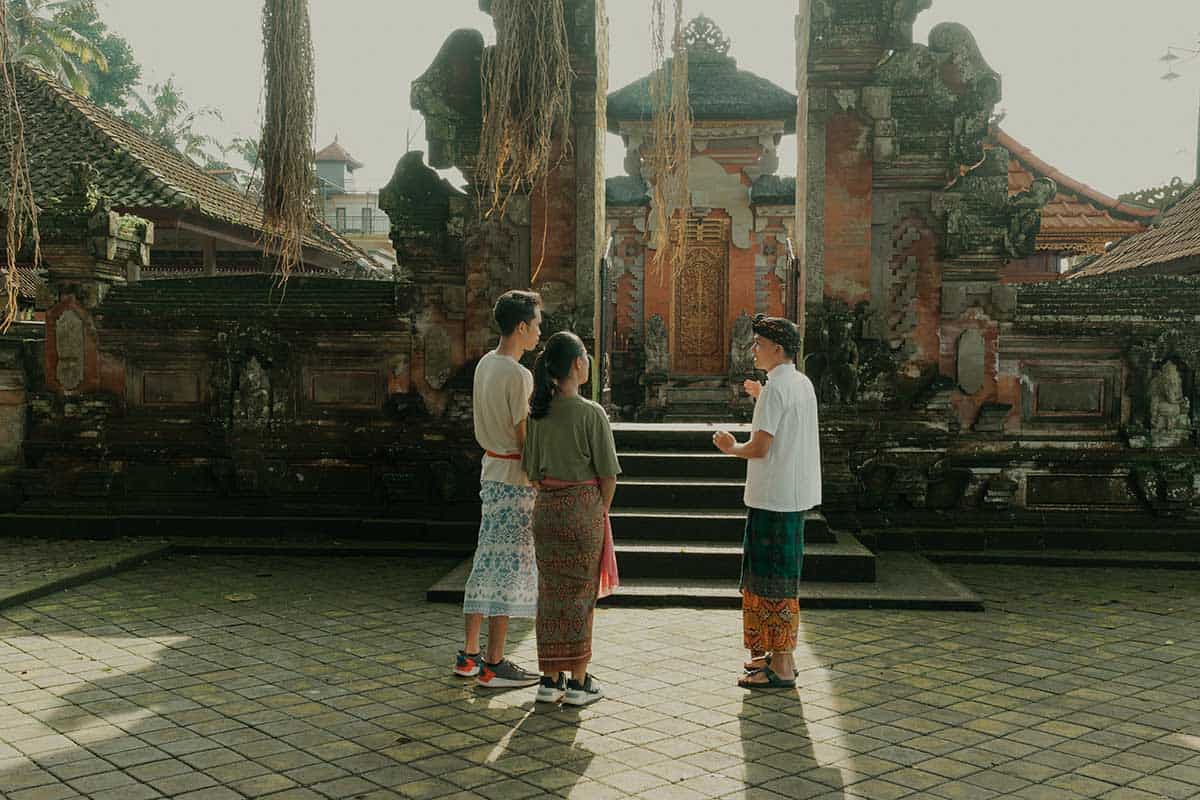
From learning to create canang sari, the traditional Balinese Hindu offering, to exploring Ubud’s rice fields and visiting local markets with the resort’s chef, guests are introduced to cultural practices within their wider social and spiritual context. Traditional crafts, cooking, music and dance further provide opportunities to understand the island through the people who continue to preserve and practise these traditions.
Advertisement
Advertisement
Local communities and cultural practitioners play a central role in this approach. HOSHINOYA Bali works with Banjar communities, artisans, musicians and local vendors, while experiences such as Tenun Cagcag weaving and Gamelan Rindik lessons provide direct opportunities for guests to engage with Balinese craftsmanship and performing arts.
The shift also reflects changing expectations among younger luxury travellers. Research cited by the property from Virtuoso’s 2025 Global Luxury Traveler study points to cultural immersion and self-discovery as important motivations among Gen Z and Millennials. HOSHINOYA Bali’s programmes, including its Longevity Ritual in Sacred Valley, combine cultural experiences with mindfulness, movement and wellness, responding to travellers seeking both connection and time for personal renewal.
Advertisement
Advertisement
Sustainability forms another important dimension. Guided by the Balinese philosophy of Tri Hita Karana, centred on harmony between people, nature and the spiritual realm, HOSHINOYA Bali highlights local sourcing, collaboration with communities and environmental initiatives such as its monthly Banjar Cleaning Project.
As the tourism industry reflects on the future of travel around World Tourism Day 2026, HOSHINOYA Bali offers a perspective on how luxury hospitality can move beyond consumption towards participation, cultural understanding and responsible destination engagement. Its experience demonstrates how hotels can become a bridge between international travellers and the communities, traditions and landscapes that give destinations their distinctive identity.
Advertisement
Advertisement
- How is the definition of luxury travel changing as travelers increasingly seek authentic connections with local culture, communities, traditions and landscapes?
Luxury travel is increasingly defined not only by the amenities and service within a hotel, but by the access it provides to experiences that are specific to a destination. At HOSHINOYA Bali, this means giving guests opportunities to engage with Balinese culture through traditional crafts, music, dance and cooking, while also connecting with the surrounding village, landscape and locals. These experiences complement the privacy, service and comfort expected from a luxury property while providing guests with a deeper understanding of Bali’s rich cultural heritage.
- How does HOSHINOYA Bali ensure that experiences such as creating canang sari, visiting Ubud’s rice fields and exploring traditional markets provide genuine cultural engagement rather than simply being presented as activities for tourists?
HOSHINOYA Bali works with local staff, artisans and communities to introduce these traditions within their cultural context. When guests learn to make canang sari, daily religious offerings traditionally made by Balinese Hindus, they also learn about their role in Balinese spiritual life. During the Market Tour and Cooking Class, guests visit a traditional market with the resort’s chef to source fresh ingredients from local vendors. They then use these ingredients to prepare six Balinese dishes, connecting the cooking experience to the flavors and traditions of the island’s local ingredients. Local staff also lead tours of the surrounding area, introducing guests to the landscape and daily practices of the community. The goal is to participate in an activity and provide understanding of how these practices fit into everyday life in Bali.
- What role do local communities, artisans, chefs, performers and cultural practitioners play in shaping the experiences offered to international luxury travelers?
They are directly involved in many experiences offered at HOSHINOYA Bali, with nearly all activities guided by local staff. The resort works with the local Banjar (neighborhood) communities and artisans to showcase traditional craftsmanship, music and dance. Guests can learn Tenun Cagcag weaving from local artisans or take a Gamelan Rindik lesson led by a local musician to immerse in Balinese culture. During significant cultural observances such as Nyepi (the Day of Silence), the resort facilitates respectful engagement with long-standing traditions, including the Ogoh-Ogoh parade, allowing the local community to play an active role in how local culture is shared with guests. This is especially important in Bali, where decades of tourism growth have significantly shaped the surrounding community and the economy.
- Are you seeing a measurable change in what luxury travelers are looking for, particularly among younger and more experience-driven travelers who may value cultural immersion and personal discovery as much as traditional luxury amenities?
Virtuoso’s 2025 Global Luxury Traveler research found that cultural immersion and self-discovery are strong travel motivations among Gen Z and Millennials. At HOSHINOYA Bali, this shift aligns closely with experiences that encourage guests to engage with the destination, whether through traditional crafting, Balinese cooking, morning jamu (a traditional herbal drink) or music and dance lessons. The hotel’s Longevity Ritual in Sacred Valley further reflects this interest through a four-day, three-night program that combines Balinese cultural experiences, including batik-making, gamelan music, sacred offering rituals and Balinese cooking, with mindfulness, movement and spa treatments, allowing guests to engage with the local culture while also taking time to slow down and reset. These offerings reflect a broader shift in luxury travel that emphasizes strong connection to the destination while also creating opportunities for personal discovery and time to turn inward.
Advertisement
Advertisement
- As destinations become increasingly conscious of sustainability and responsible tourism, how can luxury hospitality support the preservation of local traditions while also creating economic opportunities for communities?
Luxury hospitality can support the preservation of local traditions and create economic opportunities by working directly with the communities and practitioners who maintain them. HOSHINOYA Bali operates according to Tri Hita Karana, the traditional Balinese Hindu philosophy emphasizing harmony between people, nature and the spiritual realm. This includes working with local Banjar communities and artisans to support traditional craftsmanship as well as sourcing ingredients from local vendors. The resort also participates in a monthly Banjar Cleaning Project, where staff work in the neighboring village and rice fields to help maintain the surrounding environment. These efforts help preserve local culture and land while ensuring that tourism contributes to the surrounding community.
- World Tourism Day 2026 focuses global attention on the future of tourism and the relationship between travel, destinations and the people who live in them. What message would you like to share with the global tourism industry about the role luxury hospitality can play in making travel more meaningful, culturally respectful and beneficial to destinations?
Luxury hospitality has an opportunity to connect travelers with a destination without separating the hotel experience from the community around it. At HOSHINOYA Bali, the philosophy of Tri Hita Karana informs how the property approaches hospitality. We’d like to share the message that we believe hospitality brands should actively work with local communities, artisans and vendors, reduce waste, and help guests better understand the cultural traditions of the destinations they visit. Sustainable tourism should respect and contribute positively to a destination while giving travelers a more holistic understanding of the place and its people.
Advertisement
