
Greece Tourism Boom Ignites Mediterranean Travel Frenzy as Record Visitor Demand Transforms Islands, Economy and Summer Season Outlook: All You Need to Know

Published
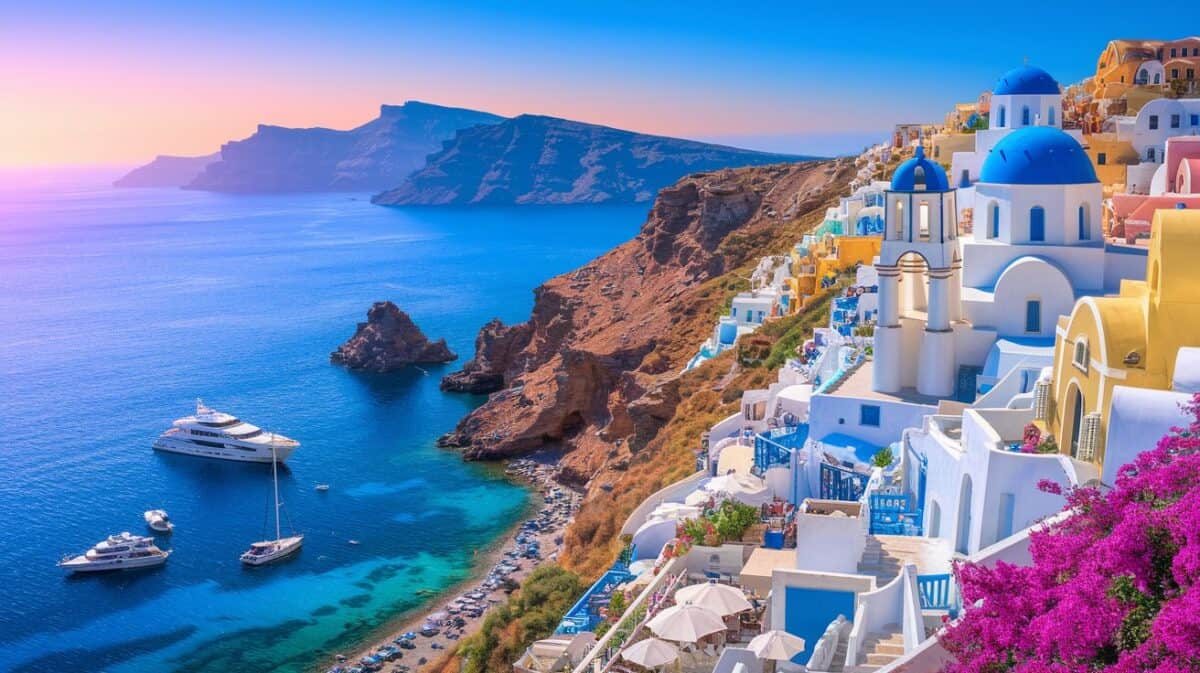
Image generated with Ai
Greece is witnessing a powerful surge in international tourism, driven by rising global travel appetite, expanded air connectivity and renewed interest in Mediterranean cultural and coastal experiences. The country, long celebrated for its ancient heritage, island landscapes and summer leisure appeal, is now experiencing one of its strongest inbound travel periods in recent years. Tourist arrivals are increasing across both mainland destinations and island clusters, reinforcing Greece’s position as one of Europe’s most resilient tourism economies.
The latest upward trend reflects not only seasonal recovery but also structural growth in demand, particularly from European, North American and emerging long-haul markets. Popular destinations such as Athens, Santorini, Mykonos, Crete and Rhodes are seeing heightened visitor activity, while lesser-known regions are also benefiting from spillover tourism as travellers diversify beyond traditional hotspots.
Advertisement
Advertisement
Strong Tourism Surge Driven by Air Connectivity and Seasonal Expansion
One of the central forces behind Greece’s tourism growth is improved international air connectivity. Airlines have expanded direct routes into Athens and key island airports, enabling smoother access for long-haul and short-haul travellers. Increased flight frequencies during peak travel months have also extended the effective tourism season, reducing reliance on a narrow summer window.
Tour operators and hospitality providers are reporting higher occupancy rates, particularly during shoulder seasons such as late spring and early autumn. This shift indicates that Greece is gradually transitioning from a highly seasonal destination to a more balanced year-round tourism market.
Advertisement
Advertisement
Key Drivers Behind Greece’s Rising Visitor Numbers
Several structural and market-driven factors are contributing to the sustained growth in Greek tourism. These include evolving traveller preferences, improved infrastructure and strong global marketing of Greek destinations.
Advertisement
Advertisement
Below is a breakdown of the primary growth drivers:
| Growth Driver | Impact on Tourism |
|---|---|
| Improved air connectivity | Easier access for international visitors |
| Digital travel platforms | Increased visibility of destinations |
| Luxury tourism demand | Higher spending per visitor |
| Cultural tourism interest | Growth in year-round city travel |
| Island diversification | Reduced pressure on major hotspots |
The combination of cultural depth and natural beauty continues to position Greece as a top-tier global destination. Travellers are increasingly seeking immersive experiences that combine history, gastronomy and coastal leisure, all of which Greece offers in abundance.
Major Source Markets Fueling the Tourism Expansion
Greece’s tourism growth is being supported by a diverse mix of international source markets. European travellers remain the largest segment, with strong contributions from countries such as Germany, France, Italy and the United Kingdom. These markets are traditionally stable and continue to provide a steady flow of short and medium-haul visitors.
Advertisement
Advertisement
At the same time, long-haul markets are becoming increasingly important. North American travellers, particularly from the United States and Canada, are showing strong interest in Greek island itineraries and cultural tours. Meanwhile, emerging markets from the Middle East and Asia are contributing to a broader geographic spread of arrivals.
This diversification is reducing Greece’s dependence on any single region and strengthening its resilience against global travel disruptions.
Advertisement
Advertisement
Economic Impact Strengthening Greece’s National Tourism Economy
Tourism remains a cornerstone of Greece’s economy, and the current growth trend is delivering measurable benefits across multiple sectors. Hospitality, transport, retail and local services are all experiencing increased demand.
Hotel occupancy rates in key destinations have risen significantly during peak months, while revenue per available room has improved due to higher international spending. Restaurants, tour operators and ferry services are also reporting stronger seasonal performance.
The tourism boom is also generating wider economic ripple effects, including employment growth in hospitality and increased investment in infrastructure upgrades. Small and medium-sized enterprises in island communities are particularly benefiting from the surge in visitor numbers.
Island Destinations Lead Growth While Mainland Cities Gain Momentum
Greek islands remain the primary attraction for international travellers, with Santorini and Mykonos continuing to dominate global travel itineraries. However, rising congestion in these destinations has encouraged visitors to explore alternative islands such as Naxos, Paros, Milos and Corfu.
Crete, as the largest Greek island, is also experiencing sustained growth due to its ability to offer diverse tourism products, including beach tourism, archaeological sites and mountain landscapes.
Advertisement
Advertisement
At the same time, mainland destinations such as Athens and Thessaloniki are gaining momentum as cultural city-break hubs. Travellers are increasingly combining island holidays with urban experiences, creating multi-destination travel patterns within Greece.
Tourism Strategy and Infrastructure Development Supporting Long-Term Growth
Greek authorities and tourism stakeholders are actively working to ensure that growth remains sustainable and balanced. Investments in airport infrastructure, port upgrades and digital tourism services are improving the overall visitor experience.
Sustainability has also become a key focus, particularly in managing overcrowding on popular islands. Efforts are being made to distribute tourist flows more evenly across regions and promote lesser-known destinations.
In addition, Greece is strengthening its positioning in luxury and experiential tourism segments. Boutique hotels, eco-resorts and cultural heritage experiences are being developed to attract higher-value travellers who contribute more significantly to local economies.
Future Outlook for Greece’s Tourism Sector
The outlook for Greece’s tourism industry remains highly positive, with continued growth expected across both summer and shoulder seasons. Demand is projected to remain strong as global travel confidence stabilises and international connectivity expands further.
Advertisement
Advertisement
Greece is increasingly being recognised not just as a summer beach destination but as a year-round cultural and lifestyle hub. This evolution is expected to support long-term stability in arrivals, strengthen regional economies and enhance the country’s global tourism profile.
If current trends continue, Greece is likely to further consolidate its position as one of Europe’s most dynamic and competitive travel destinations, with sustained growth across multiple segments of the tourism industry.
Advertisement
