

Japan’s Takayama Autumn Festival Brings Traditional Heritage to Gifu

Published
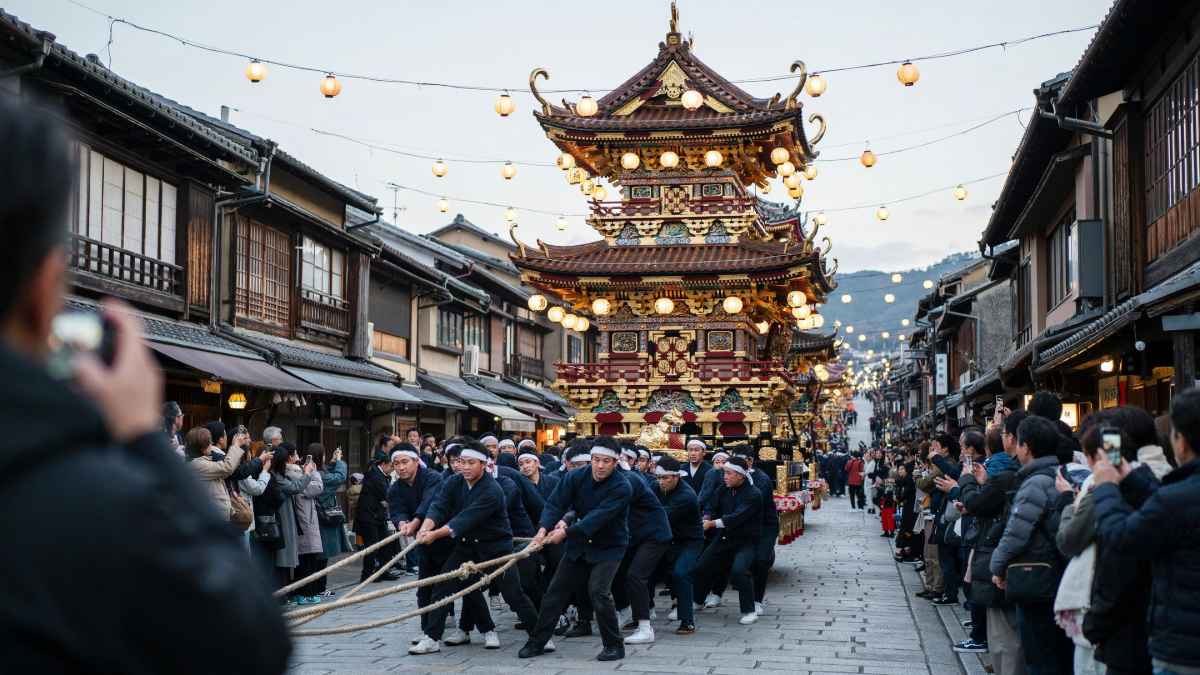
Takayama Autumn Festival in Takayama, Gifu Prefecture, Japan, was a major occasion for the presentation of culture, heritage tourism and foreign guests in Takayama on 9-10 October 2026. Also called Hachiman Matsuri, the festival takes place around the Sakurayama Hachimangu Shrine annually, with traditional wooden floats, mechanical puppets and processions that reflect the agricultural heritage of the area. In total, there are two annual festivals in Takayama, namely the Takayama Spring Sanno Festival and the present autumn event, which is dedicated to the harvest period and the deity protecting the north of the old city quarter. The festival is also included in the list of the Takayama Festival Yatai events by UNESCO and represents Intangible Cultural Heritage of Humanity. In 2026, the program was represented by 11 traditional festival floats, or yatai, along with other ceremonies and the Yoimatsuri night parade.
Eleven Traditional Floats Define Takayama’s Autumn Festival
The festival’s principal attraction is its collection of 11 elaborately decorated wooden floats. These structures feature intricate carvings, decorative metalwork, textiles and traditional craftsmanship associated with the Hida region.
Advertisement
Advertisement
Several floats represent generations of woodworking and artistic skills preserved by local communities. One of the most recognised attractions is the Karakuri puppet performance, in which mechanical figures perform carefully choreographed movements through traditional operating mechanisms.
The daytime programme on October 10 included the display of the floats and scheduled puppet performances. Visitors could also experience the ceremonial procession, which connects the shrine precinct with the surrounding historic neighbourhood.
Advertisement
Advertisement
The evening Yoimatsuri on October 9 offered a different experience. Approximately 100 lanterns illuminate each float, creating a procession through Takayama’s traditional streets after sunset.
These celebrations provide visitors with access to the region’s cultural traditions while supporting local tourism businesses, including accommodation providers, restaurants, transport operators and traditional craft establishments.
Advertisement
Advertisement
Takayama’s Historic District Adds to the Cultural Experience
Takayama’s tourism appeal extends beyond its annual festival. The city’s preserved historic district, particularly Sanmachi Suji, features traditional merchant houses, wooden buildings, sake breweries and local shops.
Visitors can explore the historic streets on foot, experience regional food and visit establishments selling traditional crafts. The district’s preserved architecture provides a setting for understanding the commercial and cultural history of the Hida region.
The Takayama Matsuri Yatai Kaikan, located near Sakurayama Hachimangu Shrine, provides another important attraction. The exhibition hall displays festival floats throughout the year, allowing visitors to examine their craftsmanship outside the annual celebration.
Hida Folk Village, also known as Hida no Sato, offers additional insight into traditional rural architecture. Its collection of historic houses, thatched roofs and agricultural buildings provides a cultural experience connected to the region’s former mountain communities.
AI-Based Visitor Monitoring Supports Tourism Management
Takayama’s growing international visitor activity has increased the importance of pedestrian management, particularly during major festivals and peak travel periods.
Takayama City operates an AI-based pedestrian-flow measurement system that collects visitor movement information at seven locations, including areas around the railway station and historic visitor districts. The system measures pedestrian numbers and makes selected traffic information available through digital data visualisation.
Advertisement
Advertisement
This information can support tourism management by helping local authorities understand visitor distribution and movement patterns. Such data is particularly relevant during festivals, when pedestrian congestion, restricted road access and crowd safety require additional attention.
The festival authorities also publish visitor guidance, including instructions for viewing floats safely, respecting restricted areas and following the directions of event staff.
There is no confirmed evidence that the Takayama festival operates as a dedicated JNTO AI crowd-dispersal trial. However, the city’s existing pedestrian monitoring infrastructure reflects the practical importance of visitor-flow information in managing busy tourism locations.
Rail Connections Bring Visitors to Gifu’s Heritage Destination
Takayama is accessible through Japan’s railway and highway networks, making it suitable for visitors travelling from major Japanese cities.
The Hida Limited Express connects Nagoya with Takayama, with the journey taking approximately two hours and 20 minutes. Visitors arriving through Nagoya can use the service to reach the city without requiring a domestic flight.
Takayama Station is the principal railway arrival point, with the Sakurayama Hachimangu Shrine precinct approximately a 20-minute walk away.
Advertisement
Advertisement
International visitors arriving at Chubu Centrair International Airport can travel towards Nagoya before continuing by rail. Takayama also has highway bus connections with destinations including Matsumoto and Toyama.
During the festival, visitors should account for road restrictions, temporary parking arrangements and increased pedestrian activity. Local authorities recommend using designated parking facilities and shuttle services where applicable.
Regional Tourism Extends Beyond Takayama
The city also offers connections to further destinations within the Hida area. Tourists can include Takayama along with Shirakawa-go, which is a World Heritage site featuring traditional villages that have the gassho-zukuri farmhouses. Okuhida region offers mountain landscapes, onsen and the Northern Japanese Alps. These destinations offer more options for tourists wishing to make longer itineraries within the region. Autumn season in Japan is another draw for the region, appealing to tourists wanting to experience the season and other features of the region.
Advertisement
