
Jamaica Resort Giants Intercept Millions In Global Travel Funds Driven To Empower Families In Ocho Rios And St. Elizabeth

Published
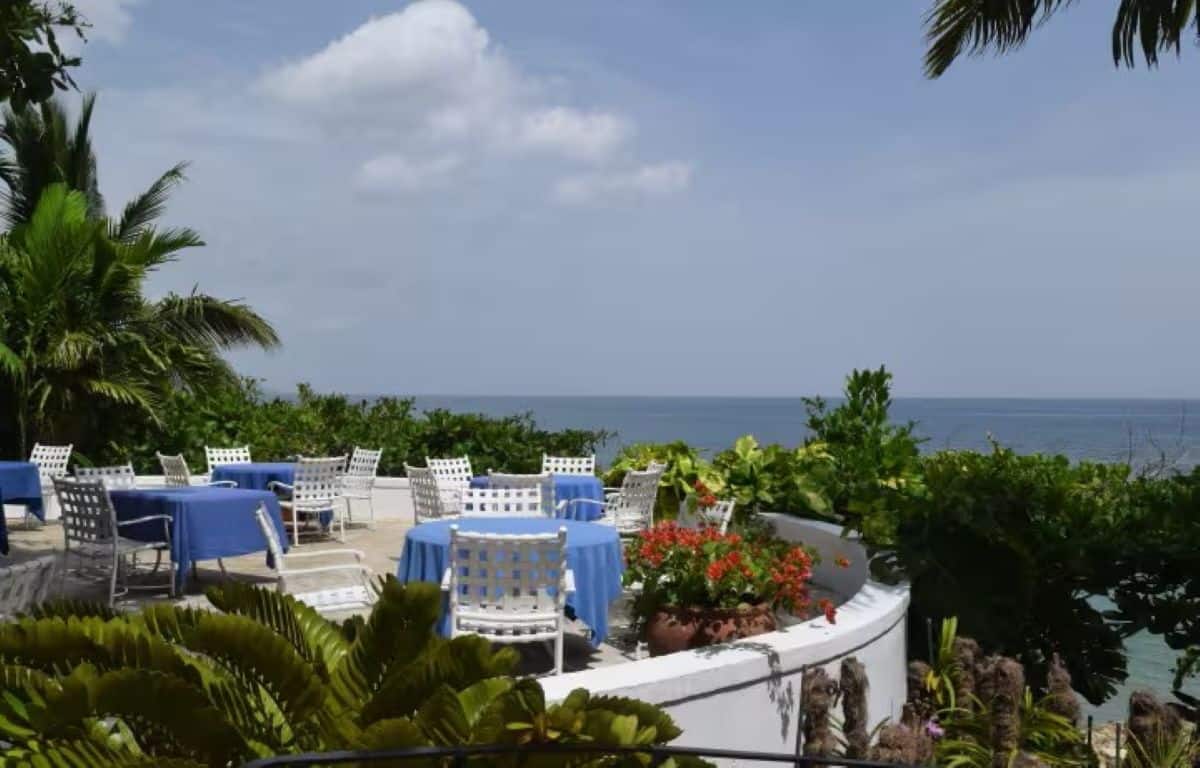
Image Credit visitjamaica
From Montego Bay to Negril, Jamaica’s coast has some of the best scenery in the world. Most of what is photographed in the country is due to the beauty of the island and its people. But there are interesting tidbits of information that are not captured in camera frames. Jamaica has an appeal that other countries notice, and has used reggae music to base its tourism industry on. While the music brings a positive economic boom to the country, the actual economy of the country suffers as the positive impact of the tourism money is sent to foreign countries. The government has tried to promote different industries to increase its GDP, and although the service industry accounts for most of Jamaica’s exports, it is time other countries’ governments supported Jamaica, also.
Advertisement
Advertisement
How Does Enclave Urbanism Trap Holidaymaker Expenditure Inside Mega-Resorts Across Montego Bay, Ocho Rios, Falmouth, and Negril?
Gated mega-resorts in Montego Bay and Ocho Rios are engineered to function as miniature, self-contained cities that actively isolate guests from the broader island ecosystem. By providing all dining, nightlife, wellness, and recreational activities behind high perimeter walls, these properties eliminate the practical need for visitors to venture into local townships. Consequently, small independent businesses, craft artisans in Falmouth, and family-run eateries in Negril find themselves entirely cut off from direct tourist footfall.
Advertisement
Advertisement
Furthermore, because travellers purchase all-inclusive packages prior to departure, between 50% and 60% of their total expenditure is captured upfront by international tour operators, global online travel agencies, and overseas airlines. This structural pre-interception means that only a fraction of the original transaction ever arrives in Jamaica. The gated architecture serves as both a physical barrier and a financial bottleneck, ensuring that out-of-pocket spending remains almost zero throughout the guest’s stay.
Why Are Local Farmers in St. Elizabeth and Manufacturers Struggling to Supply Big Hotels Across Rose Hall and Runaway Bay?
Advertisement
Advertisement
Despite Jamaica’s fertile soil and rich agricultural heritage, mass all-inclusive chains continue to import vast quantities of fresh produce, meats, and processed goods from overseas suppliers. According to official data from the Tourism Demand Study commissioned by the Jamaican Ministry of Tourism, annual expenditure leakage due to imported manufactured items alone exceeds JMD 65.4 billion. Large international hotel networks demand strict delivery schedules, massive volume guarantees, and uniform cosmetic standards that fragmented smallholders across parishes like St. Elizabeth struggle to meet consistently.
As a result, resort kitchens in Rose Hall and Runaway Bay routinely stock imported potatoes, poultry, and canned goods rather than sourcing fresh yields from regional agricultural cooperatives. This disconnect undermines the domestic manufacturing sector and deprives rural farmers of stable, long-term commercial contracts. Without robust institutional bridges between local agriculture and mass hospitality, millions of dollars in potential farm-to-table trade leak out of the country through foreign food import bills every single month.
How Do Capital Flight and Executive Salary Remittances Drain Island Wealth Away From Kingston and St. Ann?
To attract foreign direct investment, the Government of Jamaica historically offered generous tax incentives under legislation such as the Hotel Incentives Act and the Income Tax Act. While these policies successfully brought international brand names to Montego Bay, they also enabled foreign equity holders to repatriate net profits, management royalties, and franchise fees back to their home nations tax-efficiently. Consequently, the surplus value generated by local hospitality workers is regularly siphoned away into offshore financial centers rather than being reinvested in municipal infrastructure, healthcare, or public transit.
Adding to this structural drain is the practice of foreign labor arbitrage within upper management tiers across foreign-owned properties. While front-line service personnel—such as housekeepers, bartenders, and cooks—are almost exclusively local Jamaicans, executive directorships and senior administrative roles are frequently filled by foreign expatriates. A substantial portion of these high-tier salaries is remitted directly to overseas bank accounts, further reducing the amount of high-yield capital circulating within the domestic economy of Kingston and St. Ann.
What Is the Government Doing via the Tourism Linkages Network to Fix Leakage and Retain Visitor Spending Across Jamaica?
Advertisement
Advertisement
To arrest this massive capital outflow, the Jamaican Ministry of Tourism created the Tourism Linkages Network under the umbrella of the Tourism Enhancement Fund (TEF). This public initiative acts as an institutional bridge, connecting domestic agricultural producers, manufacturers, and creative talent directly with purchasing directors at major hotel chains. By establishing direct supply lines, the program aims to systematically substitute costly foreign imports with high-quality, locally produced goods and services.
Through targeted financial support, agro-processing hubs are expanding across Jamaica to help local farmers meet the stringent quality, packaging, and supply-volume requirements demanded by multinational resorts. Concurrently, business incubation initiatives help small domestic enterprise owners gain official vendor certification for hospitality procurement. Through these coordinated public interventions, national planners hope to shift national retention rates from historical lows toward a target where more than 50% of every visitor dollar stays inside the country.
The Macroeconomic Contribution versus Foreign Exchange Drain Gap
The economic footprint of travel and hospitality across the island nation presents a striking paradox. On paper, tourism directly generates 9.5% of gross domestic product and fuels roughly 53% of all foreign exchange inflows, delivering gross international revenues ranging between 4.3 billion and 4.5 billion US dollars during peak performance windows. However, structural leakage severely dilutes these record-breaking gross figures before they can bolster central monetary reserves.
Current fiscal assessments reveal a national retention rate floating around 40%, leaving more than 2.5 billion US dollars to escape every year via foreign debt servicing, imported supplies, and offshore profit remissions. While mass resort development brings immediate foreign capital into destinations like Montego Bay, the net retained revenue remains disproportionately low. This systemic drain highlights a persistent structural divide, where massive gross visitor spending fails to build long-term, self-sustaining financial reserves for the broader domestic economy.
Agricultural Demand-Supply Deficit and Produce Import Leakage
Advertisement
Advertisement
A profound operational mismatch exists between the massive culinary requirements of foreign-owned mega-resorts and the actual market capacity of smallholders across major farming belts like St. Elizabeth and Trelawny. Findings from the official Tourism Demand Study indicate that hospitality businesses generate a total agricultural demand of J$39.6 billion. Yet, local farming communities regularly miss out on these supply chains due to volume instability, seasonal production swings, and strict international quality standards.
Consequently, the hospitality sector suffers an annual agricultural import leakage ranging between J 5 billion. Commercial kitchens across Ocho Rios and Negril rely heavily on imported shipments for everyday staples, including Irish potatoes, poultry, onions, and premium cuts of meat. This heavy reliance on foreign food imports deprives rural agricultural cooperatives of transformative commercial contracts, creating an ongoing financial drain that routes food and beverage expenditure straight back to overseas distributors.
Manufacturing and Hotel Furnishing Capital Outflows
The rapid expansion and continuous renovation of sprawling resort properties consume vast amounts of physical goods, creating an immense manufacturing demand within the domestic hospitality market. Official figures show that total hotel demand for manufactured products stands at J$352 billion. Despite this massive market, domestic factories and regional craftsmen capture only a fraction of the total expenditure, leaving the resort sector heavily reliant on overseas manufacturing supply chains.
This structural dependency results in an estimated annual manufacturing leakage rate of J 65.5 billion. This drain accounts for approximately 33% of all hotel spending on manufactured items, including commercial furniture, light fixtures, luxury linens, paper products, and packaged foods. Because large resort chains prioritize centralized international purchasing agreements, domestic industrial hubs in Kingston and St. Catherine remain cut off from supplying the very hotels operating along the island’s premier resort corridors.
Pre-Arrival Revenue Interception by Overseas OTAs and Airlines
Advertisement
Advertisement
A primary driver of economic leakage occurs long before international travelers ever land at Sangster International Airport. In the modern all-inclusive holiday ecosystem, a massive share of visitor spending is captured upfront at the point of origin by global online travel agencies, international tour operators, and foreign commercial airlines. These global intermediaries extract substantial marketing commissions, distribution fees, and airfare charges directly from the holidaymaker’s initial booking payment.
As a result, between 50% and 60% of the total purchase price of an all-inclusive vacation package never enters the domestic banking system. Instead, these funds are retained in North American and European financial markets to cover foreign logistics, digital distribution, and global marketing overhead. By intercepting tourist capital prior to arrival, transnational booking channels severely restrict the volume of liquidity that ultimately reaches host communities in destination hubs like Negril and Montego Bay.
Comparative Analysis of Cruise Tourism versus Stopover Resort Retention
The economic yield generated by stopover visitors stands in stark contrast to the financial returns produced by the cruise shipping segment across deep-water ports like Falmouth, Ocho Rios, and Port Antonio. Overnight resort guests deliver a high macroeconomic impact, generating an average expenditure between 1,060 and 1,080 US dollars per trip. This extended stay allows their spending to spread across lodging, regional transportation, local tour guides, and independent dining venues.
Conversely, day-tripping cruise ship passengers yield an average spend of under 100 US dollars per visit. The cruise segment suffers from extreme leakage rates exceeding 70% to 80%, driven by offshore vessel ownership, foreign-dominated shore excursion contracts, and port fee structures. Because cruise passengers consume their main meals and sleep aboard foreign-flagged ships, port towns receive minimal economic benefit, bearing the environmental and infrastructure costs of mass arrivals without gaining meaningful local revenue.
Fiscal Incentives, Tax Holidays, and Corporate Profit Repatriation
Advertisement
Advertisement
Legislative frameworks historically enacted to attract Foreign Direct Investment—most notably provisions under the Hotel Incentives Act and the Income Tax Act—have inadvertently accelerated foreign profit repatriation. Under these statutory tax concessions, international resort developers receive multi-year tax holidays ranging from 10 to 15 years. These exemptions apply to corporate income taxes, capital gains duties, and tariffs on imported construction materials and operational equipment.
While these aggressive fiscal incentives successfully boosted room inventory across coastal corridors like Rose Hall and Runaway Bay, they legally allow transnational parent companies to send net profits, management royalties, and franchise fees back to offshore headquarters without paying full domestic corporate taxes. Consequently, the Ministry of Finance loses millions in potential tax revenues every year. This dynamic deprives local municipal corporations in host parishes like St. Ann and Hanover of critical public funds needed to upgrade municipal water networks, improve road conditions, and enhance public safety.
Labor Arbitrage and Executive Expatriate Salary Remittances
A pronounced structural wage disparity persists within international resort chains between front-line service positions and top-tier management. Domestic hospitality workers occupy over 90% of operational jobs—including housekeeping, food service, laundry, ground maintenance, and security. While these front-line employees form the operational backbone of the island’s hospitality product, their wages typically remain close to base operational rates, limiting their broader purchasing power within local communities.
In contrast, foreign expatriates hold up to 60% to 70% of high-paying corporate directorships, general management roles, and executive chef positions across foreign-owned hotel properties. A substantial portion of these high-tier executive salaries, along with performance bonuses and management fees, is remitted directly to foreign bank accounts. This executive labor arbitrage creates an ongoing drain on high-yield human capital, preventing top-bracket compensation from circulating within local financial markets or funding regional business growth in host communities.
The Economic Impact of Tourism Enhancement Fund Interventions
Advertisement
Advertisement
To address these structural imbalances, the Ministry of Tourism established targeted public sector mechanisms through the Tourism Enhancement Fund. Central to these efforts is the Tourism Linkages Network, an agency tasked with systematically bridging the gap between mass hospitality demand and domestic capacity. The initiative’s primary goal is to shift national retention from its historical baseline of 25% up toward a target of 50%, keeping a much larger share of foreign exchange within the domestic economy.
By creating direct vendor matchmaking platforms, funding agro-processing hubs, and helping local entrepreneurs earn commercial supplier certifications, the agency works to redirect the J$391.6 billion in combined hospitality demand for agricultural and manufactured goods back into domestic enterprises. Connecting local farmers, artisans, and manufacturers directly with procurement directors at major resort properties helps substitute costly foreign imports with local alternatives. These policy interventions aim to plug systemic economic leakages, ensuring that mass travel growth generates lasting economic benefits for communities across the island.
The Final Verdict
Mass tourism will negatively impact these sentiments. A country will flourish in various art and literary disciplines, especially when it houses great writers and artists like Jamaica. However, there are other facets that contribute to the beauty of Jamaica. Montego Bay and Negril are the best places for safe and controlled development in Jamaica. These areas can provide a strong and stable economy for Jamaica. Jamaica needs to encourage a healthy balance between her pride and arts, and tourism for further development of the country. The right type of tourism can achieve a high standard of living for Jamaicans. Jamaicans should build strong infrastructural, educational, and health care facilities with the help of other countries. Foreign tourism should achieve these for the Jamaicans.
Frequently Asked Questions
- What is economic leakage in tourism?
Economic leakage occurs when foreign exchange earned from visitors leaves the destination country to pay for foreign goods, imported foods, management fees, overseas marketing, and profit repatriation by foreign-owned hotel chains.
Advertisement
Advertisement
- How much tourism money does Jamaica retain?
Historically, Jamaica retained only 25% of gross visitor earnings. Thanks to government programs like the Tourism Linkages Network, national retention has risen to around 40%, though foreign-owned all-inclusive resorts still lose up to 70% of visitor spend to overseas corporate entities.
- Why don’t all-inclusive resort guests spend money in local towns?
All-inclusive resorts provide accommodation, meals, drinks, and entertainment inside gated properties for a single upfront price paid before travel. This leaves guests with little financial incentive or practical need to venture into local communities like Montego Bay or Ocho Rios to spend money at independent businesses.
Advertisement
