
Haiti Tourism Turns North as Cap-Haïtien Leads Regional Revival

Published
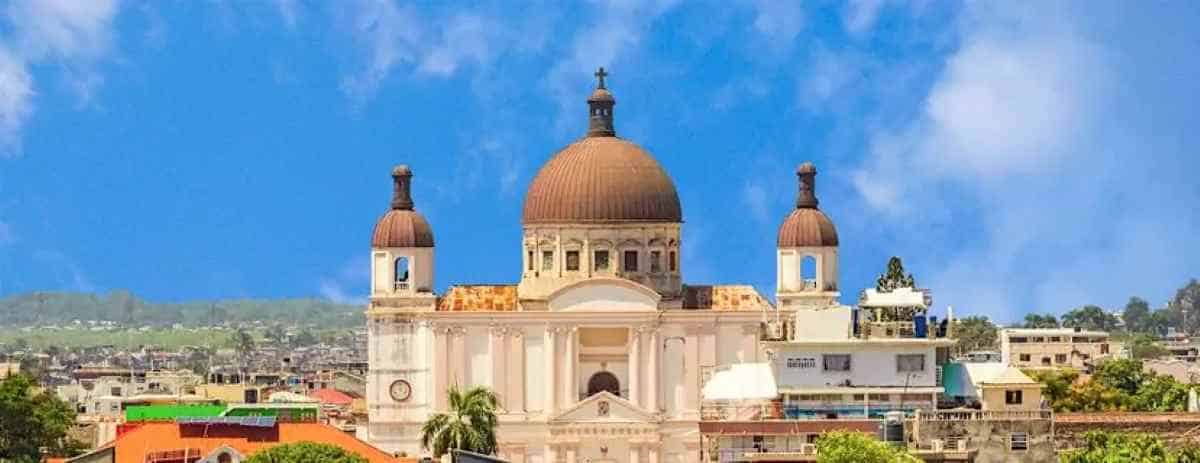
Haiti’s strategy in developing its tourism is increasingly moving away from Port-au-Prince and exploring other parts of the country where heritage and the local economy may be linked to existing tourism resources. With Minister of Tourism Stéphanie Smith at the helm, Haiti’s northern corridor around Cap-Haïtien has become an important part of the government’s drive to restructure the nation’s tourism and develop destinations in addition to the capital. This comes at a time when the Haitian tourism sector has been going through tough times, but the current government is prioritising regional development, preservation of heritage, improvement of visitor facilities and local participation in the development process. In April 2026, Smith toured major tourism projects in the North and Grand South regions.
Cap-Haïtien Takes a Central Role
Advertisement
Advertisement
Cap-Haïtien provides one of Haiti’s most important foundations for a regional tourism strategy. The historic northern city sits close to several of the country’s most significant cultural and heritage attractions, creating the possibility of linking accommodation, transport, restaurants, guides and cultural experiences into a wider destination network.
The Ministry of Tourism has specifically highlighted the rehabilitation of the Marché du Tourisme du Nord, modernisation of visitor services at Cap-Haïtien International Airport and the development of heritage and cultural circuits. These projects are intended to improve the practical experience of arriving in the region while strengthening the visibility of locally produced tourism offerings.
Advertisement
Advertisement
For visitors, the northern approach provides a very different tourism proposition from a conventional Caribbean beach holiday. The region combines colonial-era architecture, Haitian history, music, food traditions and mountain landscapes, with the historic monuments around Milot providing an especially important connection to Haiti’s past.
The Citadelle Laferrière and the ruins of Sans-Souci Palace remain central to this heritage landscape. Their significance goes beyond sightseeing because they provide a physical entry point into the history of Haiti’s independence and the political transformation of the country in the early nineteenth century.
Advertisement
Advertisement
Heritage Becomes an Economic Asset
The government’s current approach places heritage protection alongside tourism development rather than treating the two as separate activities. That is particularly relevant in northern Haiti, where historic sites, cultural practices and local communities form a connected visitor experience.
The Tourism Ministry has also highlighted living cultural heritage in its regional planning. Sacred lakou sites including Souvenance, Soukri, Badjo and Bassin Saint-Jacques are being considered within responsible cultural tourism circuits, alongside patron-saint celebrations and other community events.
This creates opportunities for a form of travel that goes beyond monument visits. Visitors can encounter architecture, religious traditions, food, crafts and community celebrations as interconnected parts of a destination.
For local businesses, that model can potentially distribute tourism spending across more participants. Accommodation providers, guides, artisans, restaurants, transportation operators and cultural organisations can all become part of the visitor economy when tourism circuits extend beyond a single attraction.
Airport Access Matters to Northern Tourism
Advertisement
Advertisement
Transport infrastructure is another major component of the northern strategy. The government has identified improvements at Cap-Haïtien International Airport as part of its tourism modernisation program.
For international visitors, airport services are particularly important because regional tourism depends on reliable access. Improving arrival facilities can make Cap-Haïtien more practical as the starting point for northern itineraries, reducing the need for visitors to treat the capital as the unavoidable gateway for every trip.
The ministry’s April field visit specifically included the airport modernisation project, alongside the northern tourism market and heritage circuits.
That infrastructure can also support domestic travel. The ministry has described domestic tourism as a priority, emphasising cultural identities, local practices and regional destinations. The approach gives Haitians themselves a larger role in the recovery of the tourism sector while creating products that can eventually serve international visitors.
Diaspora Travel Adds Another Layer
Haiti’s large diaspora also gives cultural tourism a distinctive potential market. Heritage-focused travel can connect visitors with family histories, places of origin, cultural traditions and national landmarks rather than relying exclusively on conventional leisure tourism.
Advertisement
Advertisement
That makes northern Haiti particularly relevant because Cap-Haïtien and surrounding communities contain layers of history that can be incorporated into longer cultural itineraries. A diaspora traveller can combine heritage sites with local food, crafts, community events and visits connected to family or ancestral ties.
The strategy also fits the government’s broader effort to attract investment and strengthen local economic participation. Earlier in 2026, the government presented tourism decentralisation as part of its response to the security and economic pressures affecting the sector, with projects in the North including infrastructure improvements and stronger tourism services.
Regional Recovery Shapes the Travel Map
The attention paid to the North by no means suggests that the country has neglected other destinations. Rather, the idea is to create several tourism hubs in the region, with each destination serving as a separate point of attraction in terms of culture, heritage and nature. If we take the case of Cap-Haïtien, it becomes clear that this destination will have a good chance of thriving due to this development. The reason behind this is that the destination can serve as a destination in its own right and at the same time act as a hub that tourists will be using in organising their trips. They will be able to visit the city and tour the places of interest, including the historical locations, mountains and villages around the city. It will provide those who have to plan their trips with the opportunity to concentrate on the regions rather than covering all of Haiti by means of its capital destination.
Advertisement
