
Delta Air Lines Flight DL251 from Spanish Second Largest City Bracelona to Boston Diverts to Porto After Smoke Report

Updated
Published
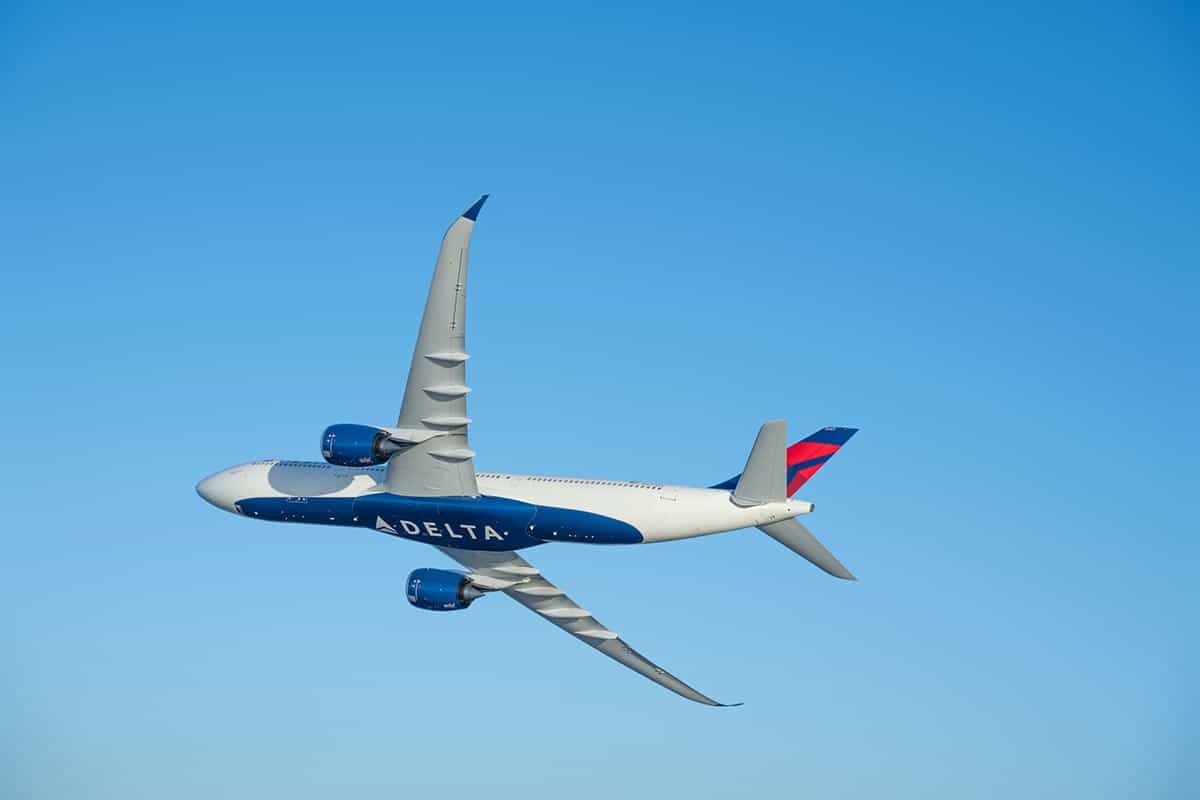
Delta Air Lines Flight DL251 from Barcelona to Boston has diverted to Porto after smoke was reported onboard, triggering an emergency response and leaving passengers facing major disruption.
Delta Air Lines Flight DL251 from Barcelona to Boston has diverted to Porto after smoke was reported inside the aircraft. The flight departed Barcelona, Spain’s second-largest city, but later turned back over the Atlantic Ocean. Subsequently, the Airbus A330-300 headed towards Portugal after the crew declared an emergency and requested a diversion.
Meanwhile, passengers faced an unexpected interruption to their transatlantic journey. The aircraft landed safely at Porto, where emergency services responded. Four people were reportedly taken to hospital after the emergency landing, while Portuguese media reported that 12 people required oxygen during the flight. Delta subsequently arranged further travel.
Delta Air Lines flight DL251, travelling from Barcelona to Boston, was diverted to Porto, Portugal, after the crew reported smoke in the cabin during the transatlantic crossing. Four people were later taken to hospital following the emergency landing, while Portuguese media reported that 12 passengers on board required oxygen during the flight.
Advertisement
Advertisement
What Happened to Delta Flight DL251?
Delta Air Lines flight DL251 departed Barcelona-El Prat Airport shortly after 3:00 pm local time on 27 September 2026, bound for Boston Logan International Airport. The service was operated by an Airbus A330-300 registered as N824NW, an aircraft that has been in service for about 11 years.
After departure, the aircraft climbed over Spain and reached an initial cruising altitude of around 33,000 feet before continuing across the Atlantic at approximately 32,000 feet. The flight subsequently turned back towards Europe after the crew reported an emergency situation involving smoke inside the cabin.
Advertisement
Advertisement
Flight-tracking information showed the aircraft reversing course over the Atlantic before heading towards Portugal. The crew transmitted the internationally recognised emergency transponder code 7700 and requested a diversion to a suitable airport.
Why Was the Aircraft Diverted to Porto?
The reported presence of smoke in an aircraft cabin is treated as a serious operational event because its source may not immediately be identifiable. Smoke can potentially originate from electrical equipment, an overheated component, a galley or lavatory system, baggage or another onboard source, requiring flight crews to follow established emergency procedures.
In the case of DL251, the aircraft was directed towards Francisco Sá Carneiro Airport in Porto. The airport provided a suitable runway and emergency-response infrastructure for the Airbus A330.
The aircraft subsequently landed safely on Runway 35, ending the transatlantic sector before it could reach Boston.
Four People Taken to Hospital After Emergency Landing
The incident took on an additional dimension after the aircraft reached Porto. Four people were reportedly taken to hospital following the emergency landing.
Portuguese media also reported that 12 people aboard the Airbus A330 required oxygen during the flight. The available report does not establish the medical condition of those taken to hospital or confirm the precise cause of the reported smoke.
Advertisement
Advertisement
Those details remain important because smoke exposure can have different effects depending on its concentration, duration and composition. Further information from the airline, airport authorities or Portuguese emergency services would be required to establish the circumstances surrounding the medical treatment.
What Happened to Passengers Travelling to Boston?
The diversion resulted in a significant disruption for passengers travelling from Barcelona to Boston. Rather than continuing immediately from Porto, Delta scheduled a replacement departure for Boston for 1:00 pm local time on 28 September.
The disruption also affected other services because the aircraft and operating crew were no longer positioned according to the original schedule. According to the report, Delta cancelled connected flights DL276 and DL277 as a consequence of the operational disruption.
Passengers affected by the cancellations were being rebooked onto alternative services, with accommodation being provided where required.
Why Can One Diversion Affect Multiple Flights?
A long-haul aircraft operates as part of a tightly coordinated network involving aircraft rotations, flight crews, airport slots and connecting passenger itineraries. When an aircraft unexpectedly diverts hundreds or thousands of kilometres from its planned destination, the disruption can continue well beyond the original flight.
In DL251’s case, the Airbus A330 ended up in Porto rather than Boston, leaving the aircraft out of its scheduled position. Crew scheduling can also be affected because pilots and cabin crew have regulated duty and rest requirements.
Advertisement
Advertisement
Consequently, an emergency diversion can create knock-on cancellations even when the aircraft itself lands safely.
“Delta Air Lines’ handling of this incident demonstrates the importance of established aviation safety procedures when an unexpected situation develops during a transatlantic flight. The decision to divert Flight DL251 to Porto provided passengers and crew with access to an appropriate airport and emergency support. While the reported smoke and subsequent medical response created considerable disruption, the safe landing remains an important aspect of the incident. The reported need for oxygen and hospital treatment also underlines why cabin emergencies require immediate and coordinated action. From a travel industry perspective, such incidents demonstrate the complex operational challenges airlines manage when aircraft and crews become displaced. Passengers affected by the disruption will understandably require clear communication, rebooking assistance and appropriate support as Delta works to restore the affected schedule.”
— Anup Kumar Keshan, Founder and Editor-in-Chief, Travel And Tour World
What Happens Next for Delta Flight DL251?
The aircraft will require appropriate inspection and clearance before it can resume normal operations. Any investigation into the reported smoke will also need to establish where the smoke originated and whether there was any associated technical or operational fault.
For passengers, the immediate priority remains reaching Boston through the rescheduled service or an alternative itinerary. The incident also demonstrates why airlines maintain diversion procedures for long-haul flights: when an unexpected onboard emergency develops over the Atlantic, returning to a suitable airport can become the safest operational option.
The immediate reported cause of the Delta Air Lines Flight DL251 diversion was smoke in the cabin during the Atlantic crossing. The crew responded by declaring an emergency using transponder code 7700 and turning the aircraft towards Porto. The decision provided access to a suitable airport and emergency services rather than continuing the flight to Boston. Portuguese reports later stated that 12 people required oxygen, while four people were taken to hospital following the landing. However, the precise source of the smoke has not been established in the available information. Further technical inspection and official findings will be required to determine the cause.
The news.delta.com DL251 incident has disrupted a scheduled journey from Barcelona to Boston after smoke was reported inside the Airbus A330-300 over the Atlantic Ocean. The aircraft diverted to Porto, where it landed safely and emergency services attended the situation. F
Advertisement
Advertisement
our people were reportedly taken to hospital, while Portuguese media reported that 12 people received oxygen during the flight. The diversion also created wider operational consequences for Delta Air Lines, with subsequent flights affected by the aircraft and crew being out of position. Delta rescheduled the continuation to Boston for 1:00 pm local time on 28 September. For passengers, the incident highlights the importance of established emergency diversion procedures during long-haul operations. The exact source of the reported smoke remains unclear, and further inspection or official information will be needed before a definitive technical cause can be established. Passenger safety remains the immediate priority.
Image: Delta Air Lines
Advertisement
