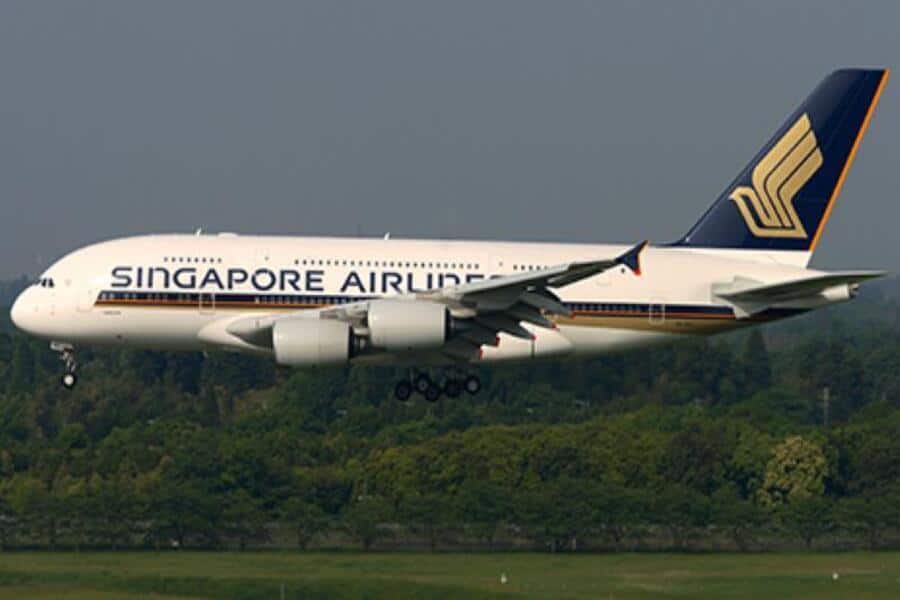
Image generated with Ai
Singapore Airlines expands ultra-long Airbus A350 network, connecting San Francisco, Los Angeles and more global cities with nonstop routes, creating a dramatic new chapter in modern aviation connectivity. The carrier is strengthening its position in the premium long-haul market through advanced aircraft technology and carefully planned international services. The development highlights how airlines are transforming global travel by removing traditional barriers of distance and time.
The latest expansion reflects rising demand for faster links between major economic centres. Travellers are increasingly seeking direct journeys that reduce connection times and improve convenience. Businesses are also depending on reliable air links to support international partnerships, investment opportunities and cross-border collaboration.
Advertisement
The introduction of advanced wide-body aircraft has allowed the aviation industry to rethink what is possible. Long-distance journeys that once required stopovers can now be completed through direct services. This shift is reshaping passenger expectations and creating stronger links between continents.
The growing network also supports tourism growth by making destinations easier to access for international visitors. Leisure travellers can explore new markets with fewer travel interruptions. Corporate passengers benefit from greater efficiency and improved scheduling options.
Advertisement
This aviation milestone represents more than a new flight opportunity. It demonstrates the power of technology, strategic planning and global demand working together. The move signals a future where ultra-long-distance travel becomes faster, smoother and increasingly accessible for passengers worldwide.
| Route | Cities Connected | Airports | Aircraft | Approximate Distance | Flight Duration | Frequency | Key Importance |
|---|---|---|---|---|---|---|---|
| Singapore – San Francisco | Singapore, Singapore ↔ San Francisco, United States | Singapore Changi (SIN) ↔ San Francisco International (SFO) | Airbus A350-900 / A350-900ULR | Around 13,600 km | Approximately 14.5–17.5 hours depending on direction and conditions | Daily service | Direct link between Southeast Asia and the US technology hub |
| Singapore – Newark | Singapore, Singapore ↔ Newark, United States | Singapore Changi (SIN) ↔ Newark Liberty International (EWR) | Airbus A350-900ULR | Around 15,300 km | Around 18 hours | Daily service | One of the world’s longest commercial flights |
| Singapore – New York JFK | Singapore, Singapore ↔ New York, United States | Singapore Changi (SIN) ↔ John F. Kennedy International (JFK) | Airbus A350-900ULR | Around 15,300 km | Around 17–18 hours | Regular service | Provides direct Singapore–New York connectivity |
| Singapore – Los Angeles | Singapore, Singapore ↔ Los Angeles, United States | Singapore Changi (SIN) ↔ Los Angeles International (LAX) | Airbus A350-900ULR | Around 14,100 km | Around 17 hours | Regular service | Connects Singapore with the US entertainment and business centre |
| Category | Details |
|---|---|
| Airline | Singapore Airlines |
| Route | San Francisco (USA) – Singapore |
| Primary Hubs Connected | San Francisco International Airport and Singapore Changi Airport |
| Aircraft Type | Airbus A350-900 and Airbus A350-900ULR variants |
| Launch | October 2016 non-stop service introduced |
| Route Status | Long-term strategic ultra-long-haul route |
| Main Passenger Markets | Technology, business travel, tourism, education, family visits |
| Major Connecting Markets Through Singapore | Southeast Asia, India, Australia, New Zealand and Asia-Pacific destinations |
| Major Connecting Markets Through San Francisco | United States domestic cities and North American destinations |
| Region | Cities Covered | Connectivity Benefit |
|---|---|---|
| United States | San Francisco, Los Angeles, New York, Newark | Direct access between Singapore and major US economic centres |
| Southeast Asia | Singapore hub connections | Links passengers onward to Bangkok, Jakarta, Kuala Lumpur, Manila, Vietnam and other regional markets |
| South Asia | India and surrounding markets through Singapore connections | Supports growing business and leisure demand |
| Australia and New Zealand | Connections through Singapore | Enables onward travel between North America and Oceania |
| Feature | Details |
|---|---|
| Aircraft Model | Airbus A350-900ULR |
| Manufacturer | Airbus |
| Maximum Range | Approximately 18,000 km |
| Maximum Flight Capability | More than 20 hours non-stop |
| Fuel Enhancement | Modified fuel system with increased fuel capacity |
| Cabin Configuration | Premium two-class configuration on ULR aircraft |
| Typical Seating | Business Class and Premium Economy Class |
| Main Purpose | Ultra-long-haul flights avoiding intermediate stops |
| Factor | Impact |
|---|---|
| Technology Connections | Links Singapore with Silicon Valley, one of the world’s largest technology ecosystems |
| Business Travel | Supports corporate travel between Southeast Asia and the US West Coast |
| Tourism Growth | Improves direct access for leisure travellers visiting both destinations |
| Transit Advantage | Singapore Changi provides onward connections across Asia and Oceania |
| Premium Travel Demand | Supports demand for long-distance premium cabins |
Singapore Airlines’ Airbus A350 ultra-long-haul operations currently focus on connecting Singapore with four major US metropolitan markets: San Francisco, Newark, New York and Los Angeles. These cities represent some of the most important commercial, financial, technology and tourism centres in the United States.
The Singapore–San Francisco route is among the most recognised services in the network. Operating between Singapore Changi Airport and San Francisco International Airport, the service provides direct access between Southeast Asia and Northern California. San Francisco’s importance as a global technology hub makes the route particularly valuable for corporate travellers, investors, entrepreneurs and professionals.
The airline also operates ultra-long-haul services to the New York region through Newark Liberty International Airport. This connection supports demand from one of the world’s largest financial centres while offering direct access between Singapore and the US East Coast.
Advertisement
Advertisement
Singapore Airlines also serves New York through John F. Kennedy International Airport, further expanding connectivity between Singapore and the metropolitan New York market.
Los Angeles represents another major destination within the network. The route connects Singapore with one of America’s largest cities and a major centre for entertainment, business, education and international tourism.
Together, these routes demonstrate Singapore Airlines’ strategy of targeting high-demand global cities where nonstop connectivity creates significant value for business and leisure travellers.
The San Francisco–Singapore route has become a critical aviation bridge between two highly connected economies. The service links Singapore, one of Asia’s most important financial and aviation hubs, with the San Francisco Bay Area, home to Silicon Valley and numerous global technology companies.
The route supports strong demand from business travellers who require efficient connections between innovation centres in Asia and the United States. By eliminating the need for a stopover, Singapore Airlines provides a more convenient option for passengers travelling between the two regions.
For tourism, the nonstop connection improves accessibility for travellers exploring Southeast Asia from the US West Coast. Through Singapore Changi Airport, passengers can continue onward to destinations including Thailand, Indonesia, Malaysia, Vietnam, India, Australia and New Zealand.
San Francisco also serves as an important gateway for passengers from neighbouring US states, making the route relevant beyond the immediate Bay Area market. Travellers from across the western United States can use San Francisco as a departure point for direct access to Singapore and beyond.
The route also highlights the growing importance of ultra-long-haul aviation as airlines respond to demand for faster and more efficient international travel.
The Airbus A350-900ULR is the foundation of Singapore Airlines’ ultra-long-haul strategy. The aircraft combines advanced technology, increased fuel capacity and improved passenger comfort to support flights lasting more than 17 hours.
Unlike conventional aircraft, the A350-900ULR includes modifications that allow it to carry additional fuel without requiring extra fuel tanks. This extended range capability enables airlines to operate routes that were previously considered commercially challenging.
The aircraft uses lightweight composite materials and highly efficient Rolls-Royce Trent XWB engines, helping reduce fuel consumption compared with older-generation wide-body aircraft.
Passenger comfort is another important element of the aircraft’s design. The A350 features a higher cabin ceiling, wider body design, improved air circulation and quieter operations. These features are particularly valuable on ultra-long-haul flights where passengers spend many hours onboard.
Singapore Airlines has configured its A350-900ULR aircraft with premium-focused cabins designed for long-distance travellers. The aircraft typically features Business Class and Premium Economy Class seating, reflecting the strong demand from corporate and premium leisure markets.
The introduction of the A350-900ULR has allowed Singapore Airlines to redefine possibilities in nonstop international aviation.
Singapore Changi Airport plays a central role in Singapore Airlines’ ultra-long-haul strategy. As one of the world’s leading aviation hubs, Changi provides extensive onward connectivity across Asia-Pacific and beyond.
Passengers arriving from San Francisco, Los Angeles or New York can connect efficiently to numerous destinations throughout Southeast Asia, China, India, Australia and New Zealand.
The airport’s strong transit infrastructure supports Singapore Airlines’ hub-and-spoke model. International travellers can use Singapore as a gateway between North America and emerging markets across Asia.
Changi Airport’s passenger facilities, operational efficiency and wide international network strengthen the value of Singapore Airlines’ nonstop US routes. The airport is also recognised for its retail, dining and passenger experience offerings, making it an attractive transfer point for global travellers.
The combination of Singapore Airlines’ premium service and Changi Airport’s connectivity creates a competitive advantage in the international aviation market.
The airline’s ultra-long-haul routes contribute significantly to tourism, trade and business relationships between the United States and Asia.
Direct air connectivity encourages greater movement of visitors, corporate executives, investors and students between regions. For Singapore, the routes strengthen its position as a global business and tourism gateway.
For the United States, nonstop services provide easier access for Asian travellers visiting major destinations, universities and business centres.
The San Francisco route is particularly important because of the close relationship between Silicon Valley and Asian technology markets. Companies operating across both regions benefit from faster travel options that support meetings, partnerships and investment activities.
Tourism organisations also benefit from improved accessibility. Visitors from the United States can reach Singapore more easily, while Singapore-based travellers gain direct access to major American destinations.
The continued operation of A350 ultra-long-haul services reflects the importance of direct connectivity in supporting international economic recovery and long-term travel growth.
Anup Kumar Keshan, Founder, CEO, and Editor-in-Chief of Travel And Tour World (TTW), notes, “Singapore Airlines’ expansion of its Airbus A350 ultra-long-haul network represents a significant milestone in the evolution of global aviation. The introduction of nonstop services connecting Singapore with major US cities demonstrates how modern aircraft technology is changing the way people travel across continents.
The ability to operate extremely long flights without intermediate stops provides passengers with greater convenience, reduced travel complexity and more efficient journeys. For business travellers, these routes create stronger links between important economic centres. For leisure travellers, they open easier access to international destinations and encourage more seamless tourism experiences.
The Airbus A350’s advanced capabilities have allowed airlines to explore routes that were once considered challenging. Singapore Airlines has positioned itself at the forefront of this transformation by focusing on premium service, operational efficiency and strategic global connectivity.
The San Francisco connection is particularly important because it links two highly influential markets driven by technology, innovation and international business. Meanwhile, connections to cities such as Los Angeles and New York further strengthen access between North America and Southeast Asia.
This expansion highlights a broader industry trend where travellers increasingly value direct connectivity and time-saving solutions. As aircraft technology continues to improve, more airlines may explore similar ultra-long-haul opportunities.
Singapore Airlines’ A350 network is not only about longer flights. It represents a new era of global travel where distance becomes less of a barrier and international connections become faster, smarter and more convenient.”
Singapore Airlines’ Airbus A350 ultra-long-haul network demonstrates how aviation technology is reshaping global travel patterns. As passenger demand grows for direct connections between major economic centres, airlines are increasingly exploring long-range aircraft solutions.
The success of routes such as Singapore–San Francisco shows that passengers value convenience, time savings and premium travel experiences. Ultra-long-haul flights allow airlines to connect cities that previously required connecting flights.
Future opportunities could include additional long-distance routes depending on aircraft availability, market demand and operational conditions. The continued development of efficient aircraft technology may enable airlines to explore even more nonstop connections between distant regions.
Singapore Airlines’ investment in the Airbus A350 platform places the carrier among the leading airlines operating the next generation of long-range aviation services.
The San Francisco–Singapore route remains a strong example of how modern aircraft technology, strategic route planning and global economic connections are transforming international air travel.
Singapore Airlines’ ultra-long-haul expansion is driven by increasing demand for direct international connectivity, premium travel experiences and stronger economic links. The reason behind the growth is simple: passengers and businesses want faster journeys without unnecessary stops. Advanced aircraft technology provides the answer by making extremely long routes commercially practical. This development strengthens global mobility, supports tourism recovery and creates new opportunities between major markets. The airline’s strategy shows how innovation continues to redefine the future of international aviation.
[Image: Singapore Airlines]
Advertisement
Tags: global air travel expansion, nonstop aviation connectivity, Singapore Airlines A350 routes, ultra-long-haul flights
Advertisement
Advertisement













Saturday, September 5, 2026

Friday, September 4, 2026

Saturday, September 5, 2026

Thursday, September 3, 2026

Wednesday, September 2, 2026

Saturday, September 5, 2026

Saturday, September 5, 2026