
Scotland’s Dumfries and Galloway Gains National Geographic Recognition for Stargazing, Cycling and Hiking

Published
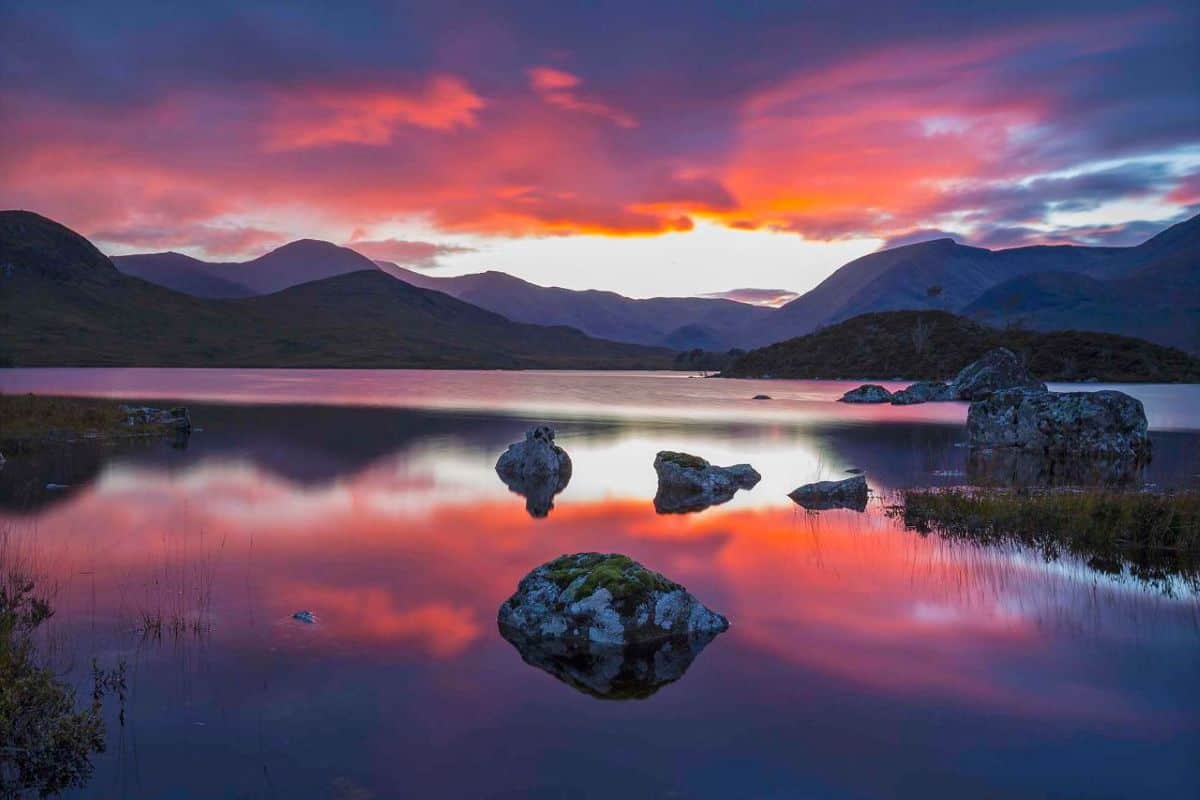
Scotland’s Dumfries and Galloway has gained international attention after National Geographic highlighted the region’s outdoor attractions and relatively undiscovered landscapes. Known for dark-sky stargazing, forest cycling and scenic hiking routes, the area offers travellers an alternative to Scotland’s busier destinations while supporting growing interest in nature-based and sustainable tourism.
National Geographic Highlights Dumfries and Galloway as an Underrated Scottish Destination
Dumfries and Galloway, a region in southwestern Scotland, has received renewed attention from international travel publication National Geographic for its natural landscapes, outdoor recreation and distinctive rural character.
The region offers a combination of forests, hills, coastline, historic towns and protected natural environments.
Unlike some of Scotland’s most internationally recognised destinations, including Edinburgh, the Isle of Skye and parts of the Highlands, Dumfries and Galloway remains comparatively less prominent in many international travel itineraries.
Advertisement
Advertisement
National Geographic’s coverage highlights the area’s appeal to travellers seeking outdoor activities and experiences away from heavily visited tourism centres.
Stargazing, cycling and walking are among the region’s principal attractions.
Advertisement
Advertisement
Dumfries and Galloway also offers opportunities for wildlife observation, coastal exploration and cultural tourism.
Its geographical position near the English border makes it accessible to travellers entering Scotland from northern England.
For the regional tourism industry, international editorial recognition can help increase awareness of destinations that may otherwise receive less attention than established Scottish tourism hotspots.
However, increased visibility does not automatically guarantee higher visitor numbers or tourism revenue.
Dumfries and Galloway Tourism at a Glance
The region’s tourism appeal is closely connected with its natural environment and extensive outdoor recreation opportunities.
| Tourism Feature | Details |
|---|---|
| Destination | Dumfries and Galloway |
| Country | Scotland |
| Location | Southwestern Scotland |
| International Recognition | National Geographic travel coverage |
| Major Natural Attraction | Galloway Forest Park |
| Dark-Sky Designation | Galloway Forest Dark Sky Park |
| Dark-Sky Recognition Year | 2009 |
| Major Cycling Attraction | 7stanes Mountain Biking Centres |
| Popular Hiking Areas | Galloway Hills and Southern Upland Way |
| Important Coastal Area | Solway Firth |
| Main Tourism Activities | Stargazing, cycling, hiking, wildlife watching and heritage tourism |
| Major Towns | Dumfries, Castle Douglas, Kirkcudbright and Newton Stewart |
The region’s combination of accessible countryside and established outdoor recreation infrastructure supports a broad range of visitor interests.
Advertisement
Advertisement
Galloway Forest Park Offers Internationally Recognised Dark-Sky Experiences
One of Dumfries and Galloway’s most distinctive attractions is Galloway Forest Park.
The park is recognised for its extensive woodland, open landscapes and relatively low levels of artificial light.
In 2009, it became the United Kingdom’s first designated Dark Sky Park.
The recognition was awarded by the International Dark-Sky Association, now known as DarkSky International.
The designation reflects the area’s suitability for observing the night sky under favourable conditions.
Visitors can experience stars, planets and other astronomical features that may be difficult to see from brightly illuminated urban locations.
Advertisement
Advertisement
Galloway Forest Park covers approximately 770 square kilometres, providing a substantial area for outdoor recreation and nature-based tourism.
The park’s dark-sky designation has helped establish southwestern Scotland as a destination for astronomy enthusiasts and visitors interested in nighttime nature experiences.
However, clear skies are not guaranteed.
Weather conditions, cloud cover, moonlight and seasonal daylight hours can significantly affect visibility.
Stargazing Locations Attract Visitors to Southwestern Scotland
Galloway Forest Park includes several established locations associated with dark-sky observation.
These areas provide opportunities for visitors to experience the night sky away from major urban centres.
Advertisement
Advertisement
Popular stargazing locations include:
- Clatteringshaws Loch: A scenic reservoir area offering open views and relatively dark surroundings.
- Kirroughtree Visitor Centre: A forest destination associated with walking, cycling and dark-sky experiences.
- Glentrool: A woodland and loch area suitable for nature-based visits and nighttime sky observation.
- Galloway Hills: Higher and more remote landscapes offering opportunities for astronomy enthusiasts under suitable conditions.
Visitors planning nighttime excursions should prepare for changing weather, limited lighting and remote road conditions.
Warm clothing, suitable footwear and reliable navigation are particularly important.
Travellers should also check access arrangements and avoid disturbing wildlife or local communities during late-night visits.
Dumfries and Galloway Develops Its Reputation for Cycling Tourism
Cycling is another important part of the region’s outdoor tourism offering.
Dumfries and Galloway is home to several locations within Scotland’s 7stanes mountain biking network.
Advertisement
Advertisement
The network was developed to provide purpose-built mountain biking trails across southern Scotland.
Two important destinations are Kirroughtree and Dalbeattie.
Kirroughtree offers forest trails suitable for riders with different levels of experience.
Dalbeattie is known for technical mountain biking routes and woodland scenery.
The region also provides opportunities for road cycling and recreational rides through rural landscapes.
For visitors, cycling can offer a way to explore smaller communities and natural attractions at a slower pace.
Advertisement
Advertisement
For tourism businesses, cycling holidays can support demand for accommodation, cafés, equipment services and local transport.
7stanes Mountain Biking Centres Support Adventure Tourism
The 7stanes network is an established part of Scotland’s mountain biking infrastructure.
Within Dumfries and Galloway, visitors can access trails designed for different abilities.
| Cycling Destination | Main Experience | Visitor Appeal |
|---|---|---|
| Kirroughtree | Forest mountain biking | Trails for different skill levels |
| Dalbeattie | Technical woodland cycling | Experienced riders and adventure visitors |
| Mabie Forest | Forest cycling routes | Recreational and mountain biking |
| Ae Forest | Mountain biking and woodland trails | Outdoor recreation and cycling holidays |
The variety of cycling locations makes the region suitable for short cycling breaks and longer outdoor holidays.
However, trail conditions can change because of forestry operations, maintenance and weather.
Visitors should consult current access information before travelling.
Advertisement
Advertisement
Hiking Trails Reveal Scotland’s Lesser-Known Landscapes
Dumfries and Galloway also offers extensive walking and hiking opportunities.
The region’s landscapes range from coastal paths and gentle woodland walks to challenging hill routes.
Galloway Forest Park provides access to trails passing through forests, hills and lochside scenery.
The Southern Upland Way, Scotland’s long-distance coast-to-coast walking route, also passes through the region.
The route extends approximately 344 kilometres between Portpatrick on Scotland’s western coast and Cockburnspath on the eastern coast.
For walkers, Dumfries and Galloway provides opportunities to experience different environments within a single journey.
Advertisement
Advertisement
The region is particularly attractive to visitors interested in quieter walking routes and rural landscapes.
However, some trails cross remote areas where weather conditions can change rapidly.
Suitable equipment, route planning and awareness of local conditions remain essential.
Galloway Hills Attract Outdoor Enthusiasts
The Galloway Hills are among the region’s principal hiking destinations.
The landscape includes rugged summits, forests, valleys and freshwater lochs.
Visitors can explore routes offering views across southwestern Scotland.
Advertisement
Advertisement
The Merrick, standing approximately 843 metres above sea level, is the highest mountain in southern Scotland.
It is a recognised destination for experienced hillwalkers.
The surrounding landscape provides opportunities for wildlife observation and photography.
For less experienced visitors, lower-level forest trails and shorter walks offer alternatives to demanding mountain routes.
The diversity of walking experiences contributes to the region’s appeal for outdoor tourism.
Solway Coast Adds Wildlife and Coastal Tourism Opportunities
Dumfries and Galloway’s tourism offering extends beyond forests and mountains.
Advertisement
Advertisement
The region includes an extensive coastline along the Solway Firth, with beaches, estuaries and coastal landscapes.
These environments support birdlife and other wildlife, making the area attractive to nature enthusiasts.
Coastal destinations provide opportunities for walking, photography and exploring small seaside communities.
The Solway Coast Area of Outstanding Natural Beauty, now designated as a National Landscape, lies on the English side of the firth, while the Scottish coastline includes its own protected habitats and scenic areas.
Visitors should pay attention to tides, weather and local access restrictions when exploring coastal environments.
Historic Towns Strengthen Dumfries and Galloway’s Cultural Appeal
Although National Geographic’s coverage emphasises outdoor recreation, the region also offers cultural attractions and historic communities.
Advertisement
Advertisement
Dumfries has associations with Scottish poet Robert Burns, who spent the final years of his life in the town.
Kirkcudbright is known for its artistic heritage and galleries.
Wigtown has established a reputation as Scotland’s National Book Town, attracting visitors interested in literature and independent bookshops.
Castle Douglas is associated with food tourism and local produce.
These destinations provide opportunities to combine outdoor activities with cultural experiences.
For visitors planning longer stays, exploring the region’s towns can support local businesses and create a more varied itinerary.
Advertisement
Advertisement
Sustainable Tourism Could Benefit Rural Communities
Nature-based tourism has the potential to support economic activity across Dumfries and Galloway.
Visitors interested in walking, cycling and stargazing may use local accommodation, restaurants, transport providers and outdoor activity businesses.
Smaller communities can benefit when tourism spending extends beyond major visitor centres.
However, sustainable tourism development requires careful management.
Increased visitor numbers can create pressure on car parks, walking trails, natural habitats and rural infrastructure.
Responsible tourism practices are particularly important in protected landscapes and areas supporting sensitive wildlife.
Advertisement
Advertisement
Visitors can contribute by following established paths, disposing of waste appropriately and respecting local communities.
Dumfries and Galloway Offers an Alternative to Scotland’s Busiest Destinations
Scotland attracts international visitors through its historic cities, mountain landscapes, islands and cultural heritage.
However, tourism activity is often concentrated in well-known locations.
Dumfries and Galloway offers an alternative for travellers interested in exploring less prominent parts of the country.
Its combination of dark skies, cycling trails, hiking routes and historic towns allows visitors to plan different types of holidays.
The region can also be incorporated into road trips between northern England and other parts of Scotland.
Advertisement
Advertisement
For tourism operators, international recognition may create opportunities to introduce the destination to new markets.
The challenge will be encouraging responsible growth while maintaining the natural qualities that attract visitors.
Outlook for Dumfries and Galloway Tourism
National Geographic’s attention could strengthen awareness of Dumfries and Galloway among travellers seeking nature-based experiences.
The region already has established outdoor tourism assets, including Galloway Forest Dark Sky Park and the 7stanes cycling network.
Future development opportunities may include guided stargazing experiences, walking holidays, cycling packages and rural accommodation.
However, successful tourism growth will depend on accessibility, environmental management and support for local businesses.
Advertisement
Advertisement
Maintaining the quality of the region’s landscapes will remain important for its long-term appeal.
Conclusion
Dumfries and Galloway’s recognition by National Geographic highlights southwestern Scotland’s growing appeal for stargazing, cycling and hiking. With internationally recognised dark skies, established mountain biking trails and extensive natural landscapes, the region offers an alternative to busier Scottish destinations while creating opportunities for responsible rural tourism.
Advertisement
