
Japan Is Set to Unlock Better Tax Free Shopping as Tourists Must Follow New Refund Rules in November

Updated
Published
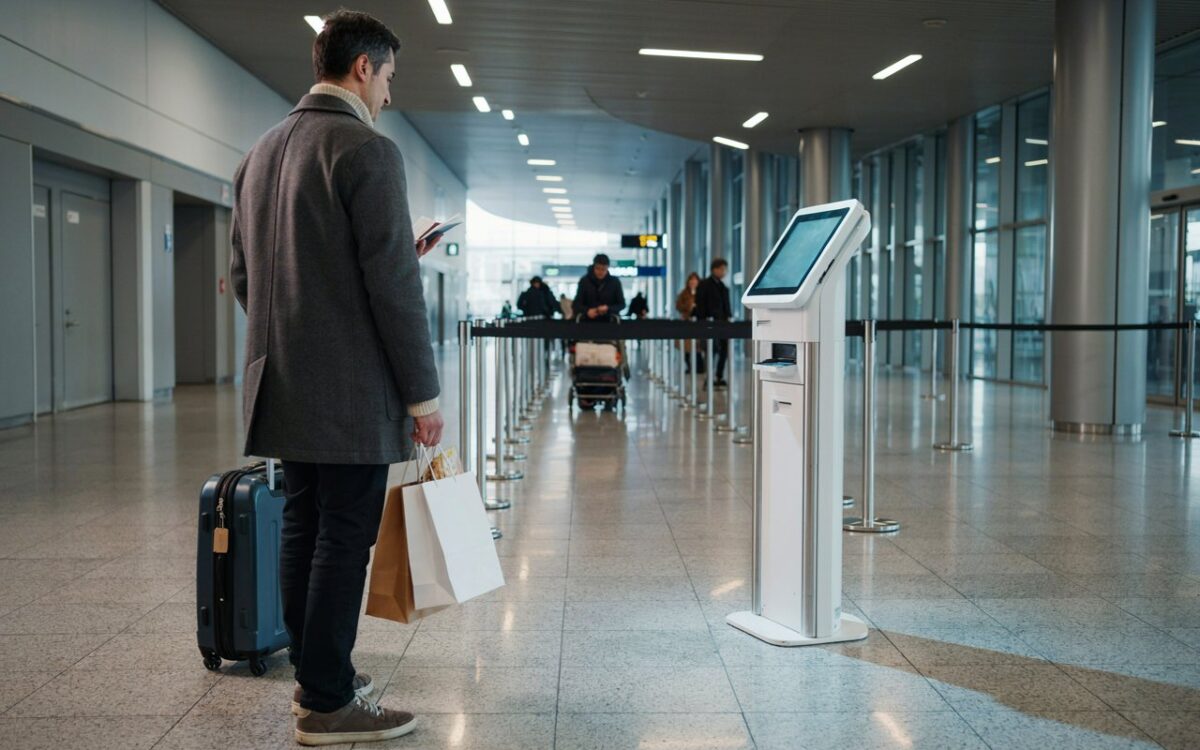
Image generated with Ai
Japan will introduce a new Tax Free Shopping refund system on 1 November 2026, changing how eligible international visitors receive consumption-tax relief. Tourists will pay the full tax-inclusive price at participating shops before claiming the qualifying amount after customs confirmation. They must retain every recorded purchase, keep the goods accessible and take them out of Japan within 90 days. The procedure must be completed before baggage check-in at the final departure point. The reform does not end Japan’s tourist tax-exemption programme or change visa rules. It links refunds directly to proof that purchased goods leave the country lawfully and securely.
Current Rules Remain Until the End of October 2026
The present system remains applicable to qualifying purchases made through 31 October 2026. Under that process, an eligible visitor usually presents a passport or another accepted document at an authorised shop and pays the tax-excluded price. The shop electronically records the purchase, while the visitor remains responsible for carrying the goods out of Japan. Customs may check those goods at departure.
The purchase date determines which procedure applies. Goods bought by 31 October follow the existing rules. Eligible purchases made from 1 November follow the refund method. Not every visitor qualifies, and not every retailer participates. A refund is also not guaranteed merely because a traveller presents a passport at a shop. Failure to complete customs confirmation, retain the goods or export them within the permitted period can invalidate the claim.
Key Figures Travellers Need to Understand
Japan will retain the existing minimum purchase requirement of JPY5,000 before tax at one participating shop on one day. Visitors cannot combine unrelated purchases from different businesses to reach the threshold. The quantity must remain reasonable for personal carriage. Gold and platinum bullion will continue to be excluded, as will goods already exempt from consumption tax.
Advertisement
Advertisement
The distinction between general goods and consumables will end. The current JPY500,000 ceiling for consumables will also be removed. Special packaging for food, drinks and cosmetics will no longer be required. However, eliminating the packaging rule does not allow travellers to consume those products in Japan and still claim the refund.
Advertisement
Advertisement
| Key point | Rule from 1 November 2026 |
|---|---|
| Implementation date | 1 November 2026 |
| Payment at the shop | Visitor initially pays the tax-inclusive price |
| Minimum qualifying purchase | JPY5,000 before tax per shop per day |
| Departure deadline | Within 90 days of purchase |
| Customs requirement | Passport procedure and possible physical inspection |
| Refund provider | Participating shop or its appointed provider |
| Goods requirement | Recorded purchases must leave Japan |
| Consumables limit | Existing JPY500,000 ceiling will be removed |
| Special packaging | Requirement for consumables will end |
| Excluded goods | Gold and platinum bullion remain excluded |
What the New Tax Free Shopping System Means
The revised Tax Free Shopping process separates the retail transaction from final confirmation of the tax benefit. A visitor will no longer receive the benefit solely by completing a purchase and presenting a passport inside the shop. The visitor must pay the complete price and later confirm that the eligible products are physically leaving Japan.
This will affect travel budgeting because the consumption-tax amount remains part of the initial payment. Families, group travellers and luxury shoppers may require more available cash or card credit. Visitors must also allow time at their departure point and keep purchases accessible. Before paying, they should ask the retailer how the refund will be returned and whether any service arrangements apply.
Tax Free Shopping Before and After 1 November 2026
The most important difference concerns timing. Under the current process, eligible visitors generally receive the tax benefit when they make the purchase. Under the new method, customs confirmation at departure becomes a condition for receiving the equivalent tax amount back from the participating retailer or its provider.
Advertisement
Advertisement
The reform will simplify product categories and packaging, but it creates new departure responsibilities. Visitors must manage receipts, products, baggage and airport timing more carefully. Refund timing will not necessarily be identical across all retailers.
| Stage | Until 31 October 2026 | From 1 November 2026 |
|---|---|---|
| Shop payment | Eligible visitors generally pay the tax-excluded price | Visitors pay the tax-inclusive price |
| Initial eligibility | Checked during the shop transaction | Checked when the purchase is recorded |
| Final confirmation | Goods may be checked at departure | Departure confirmation becomes essential |
| Refund | Usually no later refund is needed | Shop or appointed provider issues the refund |
| Consumables packaging | Special packaging rules apply | Special packaging requirement ends |
| Use inside Japan | Restricted under current rules | Consumed goods cannot receive the refund |
| Budget impact | Saving normally occurs immediately | Visitor finances the tax amount temporarily |
| Departure planning | Customs checks may occur | Passport processing and possible inspection are required |
How the New Refund Journey Will Work
The traveller must first confirm eligibility and shop at an authorised participating retailer. An accepted passport or identity document must be presented. Purchases must total at least JPY5,000 before tax at the same shop on the same day. The visitor will pay the tax-inclusive price, and the transaction will be electronically linked to the identification record.
Advertisement
Advertisement
The visitor must then preserve the goods and leave Japan within 90 days of the purchase. At the final international departure point, the traveller must present the linked passport at a designated terminal. Customs will decide whether the electronic confirmation is sufficient or whether a physical inspection is required. After confirmed products leave Japan, the shop or its appointed provider can process the qualifying refund.
The sequence will generally be:
- Confirm that the traveller meets the eligibility rules.
- Shop at an authorised participating retailer.
- Present the accepted passport or official document.
- Reach the JPY5,000 before-tax threshold at one shop on one day.
- Pay the complete tax-inclusive price.
- Allow the shop to record the transaction electronically.
- Retain every product included in the transaction.
- Leave Japan within 90 days of purchase.
- Present the linked passport at the departure terminal.
- Complete an inspection if customs requests one.
- Take all confirmed goods out of Japan.
- Receive the refund through the shop or its appointed provider.
The exact refund timing and payment channel may differ between retailers. Travellers should not assume that customs will pay the money or that every refund will arrive immediately at the airport.
Green and Red Customs Results Explained
A green result means the electronic departure confirmation is complete without a physical inspection being requested at that stage. Travellers receiving this result can continue with their departure process, provided they take the confirmed goods out of Japan without delay.
A red result requires the traveller to bring the relevant goods to the designated customs inspection area. The products must remain accessible because officials may compare them with the electronic transaction record. For Tax Free Shopping, a red result does not automatically mean the purchase has failed. It means an additional verification step is necessary.
Advertisement
Advertisement
Customs confirmation operates by transaction, which may correspond to a receipt. If one product from a recorded transaction is missing, all goods linked to that transaction may become ineligible. Families should therefore avoid consuming, separating or misplacing individual products before departure.
Airport and International Seaport Procedures
The customs procedure must be completed in the international departure lobby before baggage check-in. Travellers must have their passport and all recorded goods with them. Products placed inside checked luggage cannot be presented after the baggage has been handed over. Checked baggage cannot be retrieved simply to complete the tax procedure.
Visitors should reach the airport or seaport with sufficient time. A physical inspection may extend the process. Customs and transport operators will not compensate a passenger who misses departure because the required procedure was started too late.
Travellers connecting from a domestic service to an international departure must complete confirmation at the airport where they finally leave Japan. For example, a visitor travelling domestically before departing internationally from Tokyo must preserve the goods until reaching the Tokyo gateway.
The same principle applies to certain combined cruise and air journeys. Travellers who return to Japan after an international cruise and later leave by air must complete the procedure at the final airport where they depart the country.
Advertisement
Advertisement
Online processing through the government-operated Visit Japan Web service will be available within designated departure areas at seven major airports. These are Narita, Haneda, Kansai, Chubu, Fukuoka, New Chitose and Naha. Dedicated wireless access will support processing before the security checkpoint.
Online processing does not remove the requirement to carry the goods. A red result will still require a physical inspection. Travellers should verify the terminal location, operating arrangements and baggage sequence before arriving.
Planning at Japan’s Seven Major Gateways
The new process is national and not independently imposed by Tokyo, Osaka, Kyoto or another city. However, departure planning will vary according to the airport and the traveller’s itinerary. Someone shopping in Kyoto may still complete confirmation at Kansai, Haneda or another final international gateway.
Airport procedures, terminal layouts and operating information may change before implementation. Travellers should check official departure guidance close to their travel date rather than relying on an old airport map or an unofficial social-media post.
| Gateway | Main traveller consideration | Information to verify |
|---|---|---|
| Tokyo Narita | Large international departure operation | Procedure location and operating hours |
| Tokyo Haneda | High passenger volumes across international terminals | Correct terminal and confirmation area |
| Kansai International | Main gateway for many Osaka and Kyoto visitors | Baggage and inspection sequence |
| Chubu Centrair | Important departure point for central Japan | Terminal availability and digital-processing area |
| Fukuoka | Major gateway serving Kyushu | International departure procedure |
| New Chitose | Principal international gateway for Hokkaido | Seasonal schedules and processing location |
| Naha | Main gateway for Okinawa | Customs area and international departure sequence |
Goods That May Qualify for the Refund
Tax Free Shopping may cover eligible clothing, electronics, watches, accessories, cosmetics, food, drinks, souvenirs and household products. Participation depends on the retailer, the type of product and the traveller meeting every requirement. A tax-free shop must be officially authorised to operate under the national scheme.
Advertisement
Advertisement
The traveller must meet the minimum-value requirement and personally carry the products out of Japan. Quantities must remain suitable for personal carriage. The removal of the consumables ceiling should not be interpreted as permission for unlimited or commercial purchases. Gold and platinum bullion remain excluded.
Visitors should confirm participation before payment because displaying products commonly purchased by tourists does not automatically make a shop part of the programme. They should also confirm that each intended product qualifies, particularly when buying high-value or specialist goods.
Special Warning for Food, Cosmetics and Consumables
Special sealed packaging for consumables will end under the new system. This may make it easier to organise food, cosmetics, health products and drinks inside luggage. However, the removal of special packaging does not remove the export requirement.
Food eaten in Japan cannot be presented at customs. The same principle applies to drinks, cosmetics or other consumables that are completely or partly used. If the item is missing from a recorded transaction, the related refund may fail.
Visitors should leave qualifying consumables unused and retain them until departure confirmation finishes. They should ask the retailer for product-specific guidance if they are uncertain. Buying two separate units may also be easier to manage than opening an item recorded within a larger qualifying transaction.
Advertisement
Advertisement
How the Reform Will Affect Tourist Budgets
The new Tax Free Shopping method changes cash flow, even when a visitor ultimately receives the qualifying amount. Tourists must initially pay the tax-inclusive total. This can reduce the money or card credit available for hotels, food, transport and other purchases during the trip.
The effect will be more noticeable for families and travellers purchasing luxury products, electronics or several expensive items. Visitors should check their card limit and available funds before shopping. They should not treat a future refund as spendable money until it reaches their account.
Currency conversion may also influence the final value. A card provider could apply its own exchange rate when processing the original payment and later refund. Those rates may differ if the transactions occur on different dates. Such charges do not form part of the Japanese consumption-tax refund itself.
Refund timing and payment arrangements may vary. Travellers should retain receipts, electronic records and any instructions supplied by the shop. They should ask whether the refund returns to the original payment method and whether the provider applies any disclosed administrative charge.
Effects Across Japan’s Leading Shopping Destinations
Tokyo visitors often purchase electronics, fashion, cosmetics, luxury goods and souvenirs. Narita and Haneda will support digital processing in designated departure areas. Travellers should still preserve every recorded product and allow time for possible inspection.
Advertisement
Advertisement
Osaka attracts visitors to department stores, fashion districts and large retail areas. Many travellers depart through Kansai International Airport. Those visiting nearby Kyoto may purchase crafts, textiles, traditional goods, ceramics and cultural souvenirs before using the same gateway.
Fukuoka serves many visitors travelling between Japan and nearby Asian markets. Shopping can form an important part of short city stays, making the 90-day deadline easy to meet. However, travellers on brief itineraries still need enough departure time.
Sapporo and wider Hokkaido are known for regional food, cosmetics, outdoor equipment and souvenirs. Visitors departing through New Chitose must keep qualifying products unused and accessible. Seasonal congestion may make advance planning particularly useful.
Okinawa visitors commonly buy regional foods, crafts, cosmetics and souvenirs before departing through Naha. Products purchased during the holiday must remain available until the international departure procedure is complete.
These are examples of where travellers may encounter the reform. The underlying rules remain national and apply according to the purchase and departure conditions, not the city where the goods were bought.
Advertisement
Advertisement
Implications for Retailers, Airports and Tourism
Participating retailers will need systems capable of recording tax-inclusive transactions and supporting later refunds. Staff must explain the new process accurately in several languages. Smaller authorised shops may face a particular communication challenge because visitors could expect one standard refund method across the country.
Airport and seaport facilities must support passport processing, electronic confirmation and physical inspections. Clear signs will be important before baggage check-in because travellers who reach the wrong area after handing over luggage may lose eligibility.
The reform could also affect tour schedules. Groups with significant shopping activity may require more time at their final departure point. Tour organisers will need to explain that airport confirmation is separate from airline check-in and security screening.
The effect on overall visitor spending remains uncertain. Paying the complete price first may influence purchasing decisions, while simpler product categories and packaging could improve convenience. Reliable conclusions will require official evidence after implementation.
Japan recorded 3,442,100 international visitor arrivals in July 2026. This official figure demonstrates the scale of passenger activity that airports, customs facilities and retailers may need to accommodate when the reform begins.
Advertisement
Advertisement
Why Japan Is Changing the Procedure
The tax exemption exists for eligible goods exported by qualifying visitors. It is not intended for products consumed, transferred or resold inside Japan. Official tax reports have identified misuse involving high-value and large-volume purchases that did not leave the country as required.
The refund method strengthens the connection between the tax benefit and proof of export. Electronic purchase records identify the transaction, while customs confirms the goods at departure. The retailer then processes the equivalent tax amount after the export condition has been met.
The reform aims to preserve the visitor-shopping benefit while improving compliance. It also reduces reliance on collecting unpaid tax from travellers after officials discover that recorded products are missing.
Traveller Checklist for Tax Free Shopping
Visitors can reduce the risk of losing a refund by planning before they pay. The retailer, purchase value, passport record, products and departure procedure must all meet the official conditions.
- Confirm that your immigration status qualifies.
- Use an authorised participating retailer.
- Carry the accepted passport or identity document.
- Reach the JPY5,000 before-tax threshold at one shop on one day.
- Ask how the retailer will return the refund.
- Retain receipts and electronic transaction records.
- Do not consume qualifying food, drinks or cosmetics in Japan.
- Keep every recorded product accessible.
- Complete customs confirmation within 90 days.
- Finish the process before checking in baggage.
- Allow additional time for a possible physical inspection.
- Verify payment timing and refund arrangements.
- Check updated official guidance before travelling.
Foreign non-residents generally qualify when admitted under Temporary Visitor, Diplomat or Official residence status. This requirement does not create a new visa policy. It means a visitor’s existing immigration status helps determine eligibility for the shopping benefit.
Advertisement
Advertisement
Official Guidance on Who Issues the Refund
The official tourism authority states: “The refund will be provided by each tax-free shop or by a refund service provider entrusted by the shop.”
This confirms that customs performs the export confirmation but does not normally hand the money to the traveller. Visitors must obtain refund information from the participating retailer. Claims that every refund will be paid instantly at an airport counter would therefore be inaccurate.
What Happens Next Before November 2026
Participating retailers must prepare transaction systems, refund arrangements and staff training before implementation. Airports and seaports must prepare departure terminals, inspection areas and multilingual guidance. Travellers buying eligible goods from 1 November will need to follow the new sequence.
Authorities may update operational questions and answers before or after launch. Airport-specific directions, processing locations and technical arrangements could also be refined. Travellers should review the latest official instructions close to departure.
The early performance of the system will show how efficiently passport processing, physical inspections and retailer refunds work during busy periods. Evidence about queues, refund speed and visitor spending will only become available after implementation. Until then, predictions that the reform will automatically increase or reduce tourism spending remain unverified.
Advertisement
Advertisement
Conclusion
Japan’s new Tax Free Shopping method will preserve a valuable visitor benefit while changing how tourists obtain it. From 1 November 2026, eligible shoppers must pay the tax-inclusive price, retain every recorded purchase and complete customs confirmation within 90 days. They must perform the procedure before checking in baggage.
Travellers should keep receipts, leave consumables unused and allow time for possible inspection. A participating shop or its appointed provider will issue the refund after customs confirms export. Understanding these steps before shopping can help visitors avoid delays, budgeting problems and unsuccessful claims. The system is changing, but Japan is not ending tourist tax exemption.
Frequently Asked Questions
When will Japan’s new tourist refund rules begin?
They will apply to eligible purchases made from 1 November 2026. Qualifying purchases made through 31 October 2026 remain under the existing system.
Is Japan ending tax-free purchases for tourists?
No. Japan is replacing the immediate point-of-sale exemption with a refund method linked to departure confirmation.
Will tourists pay consumption tax at the shop?
Yes. Under the new method, visitors will initially pay the complete tax-inclusive price.
Advertisement
Advertisement
Who will issue the refund?
The participating retailer or its appointed refund provider will issue it. Customs confirms whether the products are leaving Japan.
How much must a visitor spend?
Qualifying purchases must total at least JPY5,000 before tax at one participating shop on one day.
How long can travellers keep the goods in Japan?
They must complete departure confirmation and take the goods out of Japan within 90 days of purchase.
Must every traveller undergo a physical inspection?
Not necessarily. A green result completes the electronic process at that stage. A red result requires the traveller to present the relevant goods for inspection.
Can visitors use cosmetics or eat purchased food?
Products consumed in Japan cannot qualify for the departure refund. Travellers should preserve consumables for possible customs inspection.
Advertisement
Advertisement
Does every shop participate?
No. Visitors must buy from an authorised participating retailer and satisfy all purchase and departure conditions.
Is this a new Japanese visa rule?
No. It does not change entry permission, visa requirements or passport-validity rules. Existing immigration status determines whether a visitor qualifies.
Should travellers arrive earlier at the airport?
Yes. Additional time is advisable because passport processing and a physical goods inspection may be required.
Advertisement
