
Singapore A380 Flights Change As Etihad Airways Adjusts Superjumbo Aircraft Operations Worldwide

Published
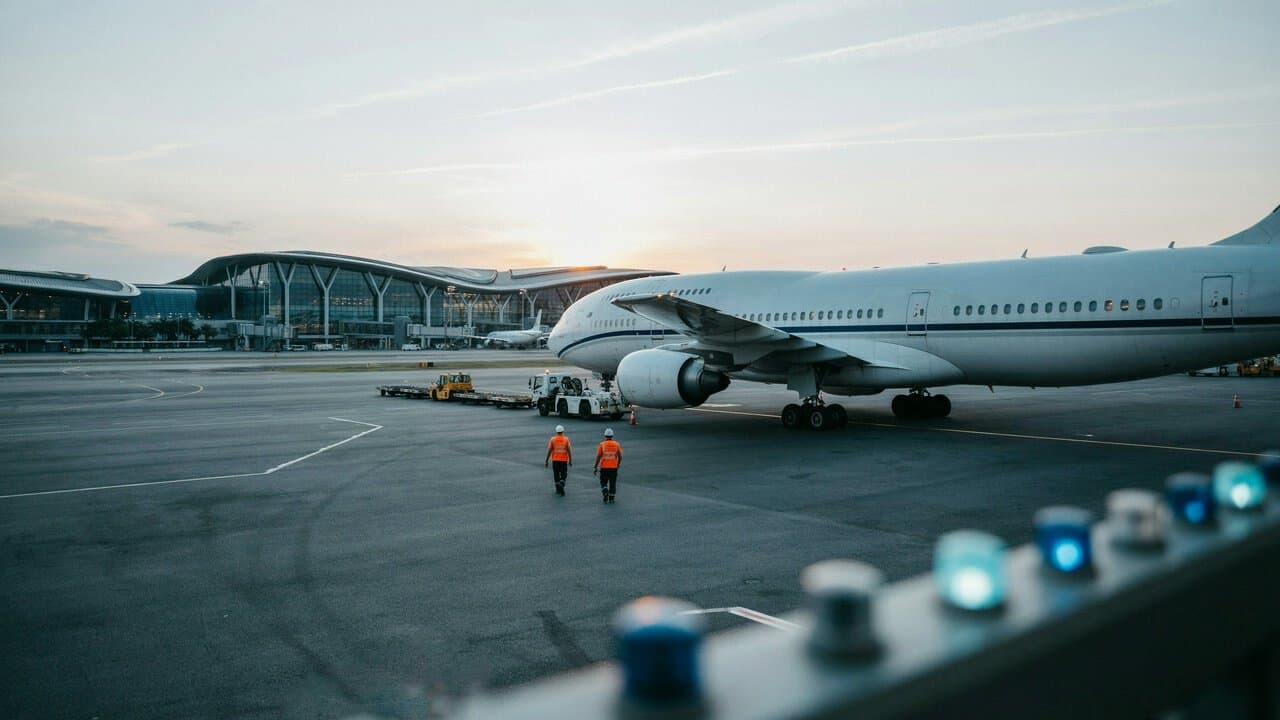
Etihad Airways Airbus A380 Singapore route changes are changing long-haul aviation patterns as the UAE carrier adjusts how it uses its planes. The airline’s choice to use a big plane on some flights from Abu Dhabi to Singapore shows how global airlines are trying to balance the number of people traveling how well the planes work and the growth of luxury travel. Even though Singapore is still a place for international flights airlines are now using planes that fit the needs of the market better. This change shows a trend in the industry where airlines are being careful, with their big planes while making sure people can still travel. Travelers will still see Etihad flying the route with the main change being the type of plane used.
Etihad Airways Airbus A380 Singapore Route Change Signals New Era For Long-Haul Capacity Management
Etihad Airways has revised its aircraft deployment plans for the Abu Dhabi–Singapore route, with the airline moving away from scheduled Airbus A380 operations during part of the 2026 summer period and returning the route to Boeing 787-9 aircraft operations. The change does not represent the cancellation of the Singapore service; instead, it reflects a broader adjustment in how the airline allocates its widebody fleet across its international network.
The development highlights a major theme across global aviation: airlines are increasingly evaluating where very large aircraft such as the Airbus A380 deliver the strongest commercial value. Although the double-deck aircraft remains popular among passengers because of its spacious cabins and premium onboard experience, carriers are carefully balancing capacity, operating costs and demand patterns.
Etihad originally introduced its Airbus A380 service to Singapore from Abu Dhabi in February 2025, expanding its flagship aircraft network into Southeast Asia. The aircraft introduction was positioned as a major enhancement for travellers, offering additional premium seating, increased comfort and Etihad’s distinctive A380 cabin experience.
Advertisement
Advertisement
The latest schedule adjustment demonstrates that even high-profile aircraft deployments can change as airlines continuously review their networks.
Why Etihad Introduced The Airbus A380 On The Singapore Route
The Airbus A380 has traditionally been used on some of the world’s busiest international routes because of its ability to carry a large number of passengers while providing premium cabin space.
Advertisement
Advertisement
For Etihad Airways, bringing the aircraft back into active service represented a strategic decision following the aviation industry’s recovery from pandemic-related disruption. The airline gradually restored parts of its A380 fleet, focusing the aircraft on routes where demand, premium travel opportunities and airport infrastructure supported larger operations.
Singapore was selected as one of these destinations because the city-state remains one of Asia’s most important aviation hubs. Singapore Changi Airport serves as a major connecting point between Southeast Asia, Europe and the Middle East, making it an attractive market for widebody aircraft operations.
Advertisement
Advertisement
Etihad’s A380 product includes multiple cabin classes designed to attract different traveller segments. The aircraft provides enhanced space in economy, premium business-class seating and Etihad’s flagship luxury cabin experience.
The decision to introduce the A380 also reflected growing demand for international travel between the Gulf region and Asia following the recovery of global aviation.
Singapore Remains A Key Global Aviation Market
Singapore continues to play an important role in international aviation due to its geographic position, strong tourism sector and role as a regional business centre.
The country’s aviation ecosystem is supported by Changi Airport, which connects Singapore with hundreds of destinations worldwide. The airport has consistently focused on expanding connectivity, improving passenger experience and supporting airline partnerships.
Advertisement
Advertisement
For airlines from the Middle East, Singapore represents a strategically important market because of:
- Strong business links between Asia and the Gulf region
- High demand for long-haul connections
- Premium corporate travel requirements
- Tourism flows between Southeast Asia and Europe
The adjustment of Etihad’s aircraft type does not remove Singapore from the airline’s network. Instead, the route continues as part of Etihad’s international operations, with the airline using a smaller widebody aircraft during the revised period.
This approach reflects a common aviation strategy: maintaining route frequency while changing aircraft size according to expected passenger demand.
Boeing 787-9 Replaces Airbus A380 On Selected Singapore Operations
Following the schedule update, Etihad is operating the Boeing 787-9 Dreamliner instead of the Airbus A380 on the Abu Dhabi–Singapore route for the affected period.
The Boeing 787-9 is one of the most widely used modern long-haul aircraft globally. Airlines value the aircraft because it combines:
- Lower fuel consumption compared with larger aircraft
- Greater operational flexibility
- Long-range capability
- Smaller capacity suitable for changing demand conditions
Unlike the Airbus A380, which was designed for high-volume routes, the Boeing 787-9 allows airlines to maintain international connectivity without committing the same level of capacity.
Advertisement
Advertisement
For travellers, the change means the flight continues, but the onboard experience and available seating capacity may differ depending on the aircraft configuration.
The shift demonstrates how airlines are increasingly using a mixed fleet strategy. Large aircraft are reserved for markets where passenger numbers justify additional capacity, while efficient twin-engine aircraft serve routes requiring greater flexibility.
Etihad’s Global Airbus A380 Strategy
The Singapore adjustment comes as Etihad continues refining its Airbus A380 fleet strategy.
The superjumbo aircraft faced uncertainty across the aviation industry after the pandemic, with many airlines retiring or reducing their A380 operations due to changing travel patterns and higher operating costs.
However, Etihad has continued using the aircraft selectively on important international routes. Industry reports indicate that the airline has focused A380 deployment on destinations where demand and premium traffic support the aircraft’s operation.
The airline’s approach reflects a wider transformation in the aviation sector. Instead of operating A380 aircraft across numerous routes, carriers are increasingly selecting specific markets where the aircraft can maximise value.
Advertisement
Advertisement
These markets typically include:
- Major global financial centres
- High-demand tourism destinations
- Routes with limited airport slots
- Markets with strong premium-class demand
The A380 remains attractive to passengers because of its unique size and cabin environment. However, airlines must consider economics, operational efficiency and future fleet requirements when deciding where to deploy it.
The Changing Role Of The Airbus A380 In Global Aviation
The Airbus A380 changed commercial aviation when it entered service as the world’s largest passenger aircraft. Designed to handle growing international passenger demand, the aircraft became a symbol of long-haul travel innovation.
However, the aviation market has evolved significantly.
Modern airlines increasingly prefer aircraft such as:
- Airbus A350
- Boeing 787 Dreamliner
- Boeing 777X family
These aircraft provide long-range capability with lower operating costs and greater route flexibility.
Advertisement
Advertisement
The Airbus A380 remains valuable in specific situations, particularly where airlines need maximum passenger capacity. Airports with slot restrictions also continue to benefit from larger aircraft because they allow carriers to move more passengers without increasing flight frequency.
For airlines like Etihad, the future of the A380 depends on selecting the right routes rather than operating the aircraft widely.
The Singapore route adjustment therefore represents not the end of the aircraft’s role, but a more targeted approach to its use.
Traveller Impact As Etihad Adjusts Airbus A380 Operations To Singapore
The aircraft change on the Etihad Airways Airbus A380 Singapore route is expected to influence the passenger experience rather than route availability. Travellers flying between Abu Dhabi and Singapore will continue to have access to Etihad’s international network, but the aircraft operating the journey will determine seating capacity, cabin layout and onboard features.
The Airbus A380 is recognised among travellers for its spacious two-deck configuration and unique cabin environment. Many aviation enthusiasts specifically choose A380 flights because of the aircraft’s size, quieter cabin experience and premium products offered by airlines operating the aircraft.
However, most passengers prioritise schedule reliability, connectivity, fare availability and overall service quality when selecting long-haul flights. The replacement of the A380 with the Boeing 787-9 Dreamliner means travellers will still have access to a modern widebody aircraft designed for international journeys.
Advertisement
Advertisement
For business travellers, the change may affect the number of available premium seats. Large aircraft such as the A380 generally provide more total seating capacity, including premium cabins, while smaller widebody aircraft allow airlines to match capacity more closely with demand.
For leisure travellers, the impact will mainly depend on ticket availability, aircraft configuration and seasonal demand.
Singapore Tourism Connectivity Continues Through Abu Dhabi Hub
Singapore remains one of Asia’s leading tourism and business destinations, supported by strong international connectivity and a developed visitor economy.
The country’s tourism sector is supported by the Singapore Tourism Board (STB), which continues to promote Singapore as a destination for leisure, meetings, incentives, conferences and exhibitions.
Air connectivity plays a critical role in Singapore’s tourism performance because international visitors depend heavily on direct flights and efficient transfer networks.
The Abu Dhabi connection provides access not only between Singapore and the United Arab Emirates but also between Singapore and destinations across Europe, the Middle East and Africa through Etihad’s network.
Advertisement
Advertisement
Although the aircraft type is changing, maintaining the route itself remains significant for travellers seeking connections through Abu Dhabi.
The adjustment highlights a key development in modern tourism aviation: frequency and connectivity are often becoming more important than aircraft size alone.
Airlines are increasingly focusing on maintaining reliable schedules while using aircraft that provide the right balance between passenger demand and operational efficiency.
Abu Dhabi Strengthens Position As A Global Aviation Hub
The Etihad aircraft adjustment also reflects Abu Dhabi’s wider aviation development strategy.
Abu Dhabi International Airport, now operating as Zayed International Airport, has expanded its infrastructure to support growing international connectivity. The airport’s new Terminal A opened in 2023, increasing capacity and improving passenger facilities.
Etihad Airways remains the national airline of the United Arab Emirates and plays a central role in connecting Abu Dhabi with international markets.
Advertisement
Advertisement
The airline’s network strategy focuses on connecting passengers between major regions, including:
- Asia-Pacific
- Europe
- Africa
- North America
- The Middle East
The Abu Dhabi hub model depends on efficient aircraft utilisation. Airlines must constantly review whether individual routes require larger aircraft or whether smaller aircraft can provide better economic performance.
The Singapore adjustment demonstrates this approach, where maintaining global connectivity remains important while aircraft deployment changes according to operational priorities.
Why Airlines Are Moving Towards Flexible Fleet Strategies
The aviation industry has entered a period where fleet flexibility has become increasingly important.
Historically, airlines operated large aircraft on major international routes because passenger demand continued growing year after year. However, travel patterns have changed significantly.
Several factors are influencing aircraft decisions:
Advertisement
Advertisement
Changing Passenger Demand
Passenger demand can vary by season, economic conditions, business travel trends and tourism patterns.
Large aircraft require consistently high passenger volumes to operate efficiently. When demand changes, airlines may prefer aircraft with lower capacity but greater flexibility.
Operating Costs
Aircraft selection directly affects airline economics.
The Airbus A380 offers significant passenger capacity, but operating a four-engine aircraft generally involves higher fuel consumption and maintenance considerations compared with newer twin-engine aircraft.
Modern aircraft such as the Boeing 787 and Airbus A350 were designed specifically to provide long-range capability with improved efficiency.
Network Optimisation
Airlines regularly review routes to determine:
Advertisement
Advertisement
- Which aircraft provides the best capacity match
- How premium demand is changing
- Whether additional frequencies are required
- How connecting passengers move through hubs
Aircraft changes therefore form part of normal airline network planning.
Airbus A380 Remains A Premium Aviation Experience
Despite changing airline strategies, the Airbus A380 continues to hold a special position in commercial aviation.
The aircraft remains popular among passengers because it provides an experience that smaller aircraft cannot fully replicate.
Key features associated with A380 operations include:
- Two passenger decks
- Larger cabin space
- Reduced cabin density in some configurations
- Enhanced premium cabin possibilities
Several international airlines continue operating A380 aircraft, particularly on high-demand routes linking major global cities.
The continued operation of the aircraft demonstrates that there remains demand for high-capacity aviation solutions in selected markets.
Advertisement
Advertisement
However, the future of the A380 is increasingly focused on strategic deployment rather than widespread operation.
Airlines are carefully choosing routes where passenger demand, airport infrastructure and premium travel markets justify the aircraft’s use.
Singapore Aviation Market Faces A New Era Of Capacity Planning
Singapore’s aviation sector has experienced strong recovery following the global disruption caused by the COVID-19 pandemic.
Changi Airport has continued rebuilding international connectivity by welcoming airlines, expanding routes and improving passenger facilities.
According to official airport data, passenger traffic has continued recovering as international travel demand strengthens.
The aviation market is becoming more competitive, with airlines adjusting capacity based on:
Advertisement
Advertisement
- Tourism demand
- Business travel recovery
- Regional economic conditions
- Aircraft availability
The Etihad adjustment reflects this wider aviation environment.
Rather than measuring airline commitment through aircraft size alone, industry observers increasingly examine route frequency, network connections and long-term market presence.
For Singapore, continued access to Gulf aviation hubs remains strategically important because the Middle East serves as a major bridge between Asia and Europe.
Impact On Business And Tourism Industries
Air connectivity decisions influence multiple sectors beyond aviation.
For Singapore’s tourism industry, international airline partnerships support visitor arrivals from different regions.
Travellers connecting through Abu Dhabi may include:
Advertisement
Advertisement
- Holidaymakers visiting Singapore
- Business travellers attending conferences
- Transit passengers continuing to other destinations
- Premium travellers seeking international connections
For businesses, stable aviation links support trade relationships, corporate mobility and international investment.
The Gulf region has become increasingly important for Asia’s economic connections, with airlines supporting commercial links between major markets.
The continuation of the Abu Dhabi–Singapore route ensures that these connections remain available, even as aircraft deployment evolves.
Etihad’s Aircraft Strategy Reflects Broader Airline Industry Trends
Etihad’s decision fits into a larger global aviation movement where airlines are prioritising efficiency and flexibility.
Many carriers have adjusted their fleets by increasing the use of modern twin-engine aircraft while limiting operations of older or larger aircraft.
The industry trend is driven by several priorities:
Advertisement
Advertisement
Lower Environmental Impact
New-generation aircraft generally provide improved fuel efficiency and reduced emissions compared with previous aircraft technologies.
Better Route Flexibility
Smaller widebody aircraft allow airlines to serve more destinations without requiring extremely high passenger demand.
Improved Financial Management
Aircraft efficiency has become increasingly important as airlines manage operating expenses and changing market conditions.
These factors have encouraged airlines worldwide to reconsider how and where large aircraft are deployed.
Future Outlook For Etihad Airbus A380 Operations
The future of Etihad’s Airbus A380 fleet will depend on market demand, network requirements and operational priorities.
The aircraft remains an important part of Etihad’s premium brand identity, particularly because it offers a distinctive passenger experience.
Advertisement
Advertisement
However, airlines must continuously evaluate aircraft deployment decisions.
Future A380 operations are likely to focus on routes where:
- Passenger volumes support larger capacity
- Premium demand remains strong
- Airport infrastructure can accommodate the aircraft
- Network connections create commercial value
The Singapore route adjustment shows how airlines are adapting to a more dynamic aviation environment.
Rather than relying on one aircraft type, modern airlines increasingly require flexible fleets capable of responding quickly to changing travel patterns.
Conclusion
Etihad Airways has made changes to its Airbus A380 service on the Singapore route. These changes show how airlines are adjusting their fleet strategies. They are responding to shifting passenger demand and the need for long-haul connectivity. The Airbus A380 has long been known for offering a premium travel experience.. Etihad’s decision to adjust its use of the A380 shows that operational flexibility is now more important than ever in aviation. The route between Abu Dhabi and Singapore remains a connection. It links the Middle East with Asia. This route supports tourism, business travel and international movement. As airlines reshape their networks choosing the aircraft will continue to be a major factor. It will shape their strategies. This shift shows that efficiency and connectivity are now priorities, for global carriers.
Advertisement
