
Morocco’s Tourism Success Story Accelerates as France, Spain, UK and Poland Unlock New North African Travel Opportunities

Published
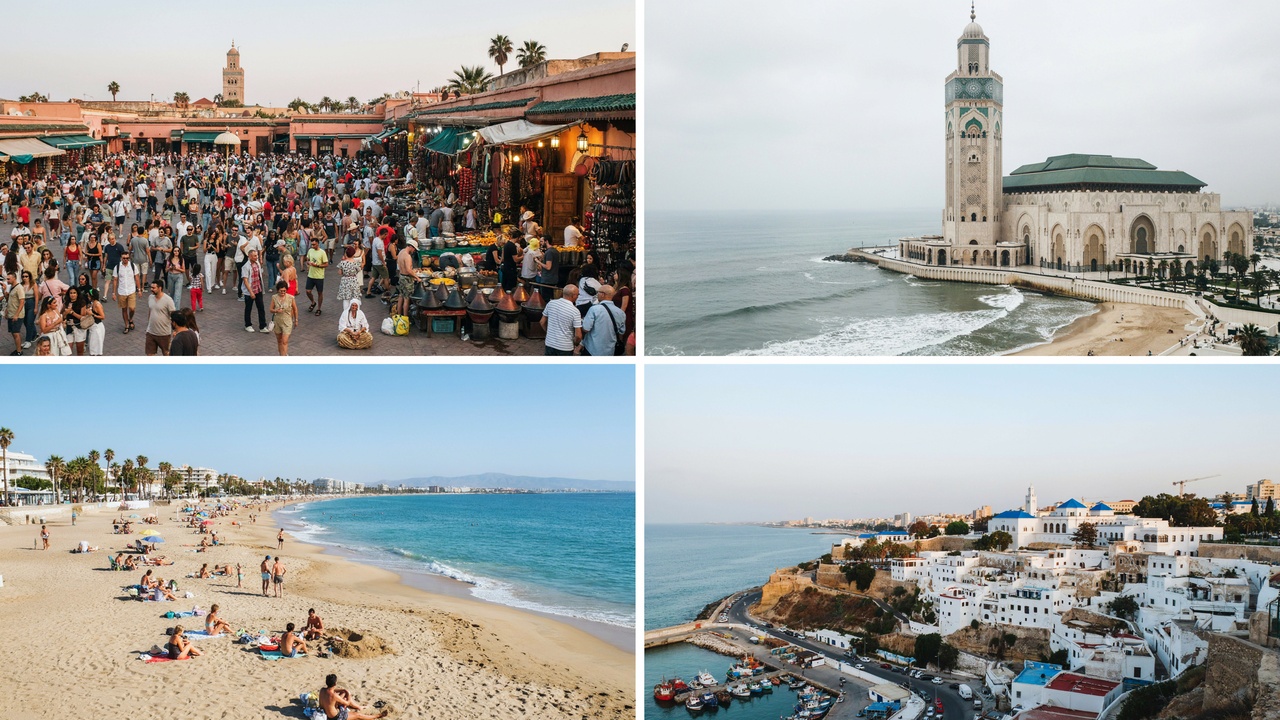
Morocco’s tourism industry is enjoying strong growth in 2026, with more European travellers choosing the North African country for their holidays. Around 15.7 million visitors arrived during the first nine months of the year, bringing fresh business to hotels, restaurants and local tourism operators. France, Spain and the UK remain important markets, while interest from other European countries is also helping Morocco attract more international visitors. With better flight connections, fascinating historic sites, lively markets and beautiful coastal destinations, Morocco is becoming an increasingly appealing choice for travellers looking to explore somewhere different from the usual Mediterranean holiday spots.
Morocco’s Visitor Growth Signals Another Important Year for Tourism
Morocco received over 15.7 million total arrivals in the first nine months of 2026, representing roughly 5% year-on-year growth compared to the same period of 2025.
Advertisement
Advertisement
The success follows a strong 2025, when Morocco managed to clock up almost 19.8 million incoming visitors.
September alone accounted for over 1.5 million visitors, indicating keen interest towards Morocco even after the summer peak season.
Advertisement
Advertisement
Despite softer growth in the current period, the numbers indicate firm demand for the touristic product.
Morocco benefits from its location close to Europe, developed hospitality industry and rich cultural heritage. Moreover, the country is capable of serving every traveler segment, including beach lovers, city visitors, adventure tourists and the members of Moroccan diaspora come back to see their families.
Advertisement
Advertisement
France and Spain Remain Essential to Morocco’s European Tourism Network
Morocco’s tourism sector is assisted by France, given their long cultural, economic and familial ties.
French tourists are able to visit places like Marrakech, Casablanca and Fez, while air travel to Morocco is already well established for short to long stays.
Advertisement
Advertisement
Spain is another major market, and is aided by its closeness to Morocco over the Strait of Gibraltar.
Spanish tourists are able to get to northern Morocco by ferry and by flight.
These ongoing relationships guarantee Morocco’s dependable stream of tourists, thus helping the local tourism industry, both in large and small cities.
United Kingdom and Germany Strengthen Morocco’s International Holiday Appeal
The United Kingdom is vital for Morocco’s growing leisure tourism sector.
Advertisement
Advertisement
British tourists come to Marrakech for its markets, monuments and luxurious hotels, while Agadir has beach holidays on the Atlantic.
Germany is another useful European market, especially those interested in package trips, coastal resorts, outdoor activities and culture.
The geographical diversity of Morocco enables it to appeal to all these interests. Visitors can explore the city, the mountains, the deserts or the sea.
This mixture of attractions makes Morocco an excellent alternative to familiar European travel destinations and appeals to the more adventurous holiday makers who look for remarkable experiences within shorter flying distances.
Poland, Belgium, Italy and the Netherlands Broaden Morocco’s Tourism Opportunities
Beyond its largest European markets, Morocco is attracting interest from countries including Poland, Belgium, Italy and the Netherlands.
Poland represents an opportunity for tourism diversification as European holidaymakers increasingly explore destinations offering cultural attractions and warmer-weather escapes.
Advertisement
Advertisement
Belgium and the Netherlands maintain important travel connections with Morocco, supported partly by established Moroccan communities.
Italy also contributes to the kingdom’s European visitor market through leisure travel and wider Mediterranean connections.
These countries help Morocco reduce its reliance on individual source markets.
A more diversified visitor base can support tourism stability when economic conditions, airline capacity or consumer spending patterns change in particular European countries.
Marrakech, Casablanca and Fez Continue to Shape Morocco’s Cultural Tourism Identity
Morocco’s historic cities remain central to its international appeal.
Marrakech attracts visitors through its traditional souks, gardens, historic palaces and accommodation housed in restored riads.
Advertisement
Advertisement
Casablanca offers a different experience, combining commercial activity, contemporary architecture and landmarks such as the Hassan II Mosque.
Fez is celebrated for its historic medina, traditional craftsmanship and longstanding cultural institutions.
Rabat, Morocco’s capital, adds another dimension through its heritage sites, museums and Atlantic setting.
Together, these cities demonstrate how Morocco can attract different categories of travellers rather than relying exclusively on beach tourism.
Their continued popularity also supports restaurants, local guides, transport operators, artisans and independent accommodation providers.
Agadir, Essaouira and Tangier Extend Tourism Beyond Traditional City Breaks
Morocco’s Atlantic and Mediterranean destinations are becoming increasingly important to its wider tourism proposition.
Advertisement
Advertisement
Agadir is known for its beaches, resort accommodation and relatively mild coastal climate, making it attractive to European holidaymakers.
Essaouira offers a different atmosphere, with historic fortifications, artistic traditions, seafood restaurants and windswept beaches.
Tangier benefits from its strategic location near Europe and its combination of cultural heritage, coastal scenery and urban development.
These destinations allow Morocco to distribute tourism activity across a wider geographical area.
They also encourage visitors to explore beyond the country’s best-known heritage centres, supporting regional employment and investment in hospitality services.
Atlas Mountains and Sahara Experiences Create Opportunities for Adventure Tourism
Morocco’s appeal extends well beyond its cities and coastlines.
Advertisement
Advertisement
The Atlas Mountains attract visitors interested in trekking, mountain landscapes, traditional villages and outdoor activities.
Destinations such as Imlil provide access to mountain excursions, while Ouarzazate serves as a gateway to southern Morocco’s dramatic scenery.
The Sahara region offers desert camps, guided excursions and opportunities to experience distinctive landscapes.
These activities help Morocco reach travellers seeking immersive experiences rather than conventional resort holidays.
Adventure tourism can also support smaller communities through locally operated accommodation, guiding services, transport and cultural activities.
However, responsible visitor management remains important for protecting fragile landscapes and maintaining the long-term value of these destinations.
Advertisement
Advertisement
Aviation Connectivity Supports Morocco’s Growing European Visitor Base
International air connections remain essential to Morocco’s tourism expansion.
Airports serving Marrakech, Casablanca, Agadir, Rabat, Tangier and other destinations provide access to the country’s major visitor regions.
European airlines and Moroccan carriers connect the kingdom with important source markets, helping accommodate demand for holidays, business trips and family visits.
Casablanca also plays an important role as an international aviation hub.
Improved connectivity can encourage travellers to explore destinations beyond established tourism centres.
For Morocco’s hospitality sector, airline capacity is particularly significant because convenient flight schedules and competitive fares influence destination choices.
Advertisement
Advertisement
Continued airport investment and efficient passenger handling will therefore remain important as Morocco prepares for further tourism growth.
Tourism Revenue and Hotel Demand Highlight Morocco’s Wider Economic Potential
Visitor arrivals provide an important measure of tourism performance, but spending is equally significant.
Accommodation, restaurants, transport, entertainment and cultural activities all contribute to the economic value generated by international visitors.
Higher tourism expenditure can support employment and encourage investment in hotels, guesthouses and visitor infrastructure.
Morocco’s tourism development strategy also emphasises improving visitor experiences, strengthening destination competitiveness and expanding the sector’s economic contribution.
For businesses, the challenge is to convert rising demand into sustainable financial returns while maintaining service quality.
Advertisement
Advertisement
For local communities, tourism growth creates opportunities, although benefits depend on how effectively investment and visitor spending reach regional economies.
What Does Morocco’s Tourism Growth Mean for European Travellers?
Morocco’s expanding international tourism market offers European visitors a broad selection of travel experiences.
Holidaymakers can choose coastal resorts, historic cities, mountain retreats or desert excursions within the same country.
France and Spain benefit from particularly close geographical and transport connections, while travellers from the UK, Germany, Poland and other European markets have access to an expanding range of holiday options.
Nevertheless, visitors should consider seasonal weather, transport availability and accommodation demand when planning journeys.
Popular destinations can experience busy periods, particularly during major holidays and peak travel seasons.
Advertisement
Advertisement
Travellers exploring multiple regions should also account for the considerable distances between Morocco’s coastal cities, mountain areas and desert destinations.
Frequently Asked Questions
1. How many tourists visited Morocco in 2026?
Approximately 15.7 million visitors were reported during the first nine months of 2026, an increase of around 5% year on year. This is not a full-year total.
2. Which European countries are important for Morocco’s tourism industry?
France, Spain, the United Kingdom, Germany, Belgium, Italy, the Netherlands and Poland are among the European markets contributing to Morocco’s international tourism demand.
3. Which Moroccan destinations are popular with international visitors?
Advertisement
Advertisement
Marrakech, Casablanca, Fez, Rabat, Agadir, Tangier and Essaouira offer different combinations of cultural attractions, coastal experiences and hospitality facilities.
4. Why is Morocco attractive to European holidaymakers?
Its proximity to Europe, cultural heritage, varied landscapes, international flight connections and range of accommodation options make it suitable for different travel styles.
5. Can tourists combine several Moroccan destinations in one holiday?
Yes. Visitors can combine historic cities, Atlantic beaches, mountain excursions and desert experiences, although travel distances should be considered carefully.
Morocco’s European Connections Position Tourism for Continued Expansion
Morocco’s tourism growth in 2026 shows just how important European travellers have become to the country’s expanding travel industry. France and Spain continue to bring a steady flow of visitors, thanks to their close connections with Morocco, while the United Kingdom, Germany, Poland and other European countries are helping attract a wider mix of holidaymakers. This growing interest is giving Morocco more opportunities to showcase its beautiful cities, rich culture, stunning coastlines and unique travel experiences to visitors from across Europe.
Looking ahead, Morocco has a real opportunity to turn this rising visitor interest into lasting benefits for its people and local businesses. Better flight connections, improved hotels and new attractions in lesser-known destinations could encourage tourists to stay longer, explore more places and spend more during their holidays. As tourism continues to develop, the challenge will be to ensure that its benefits reach beyond popular destinations such as Marrakech and Casablanca, creating jobs and supporting communities throughout the country.
Advertisement
