
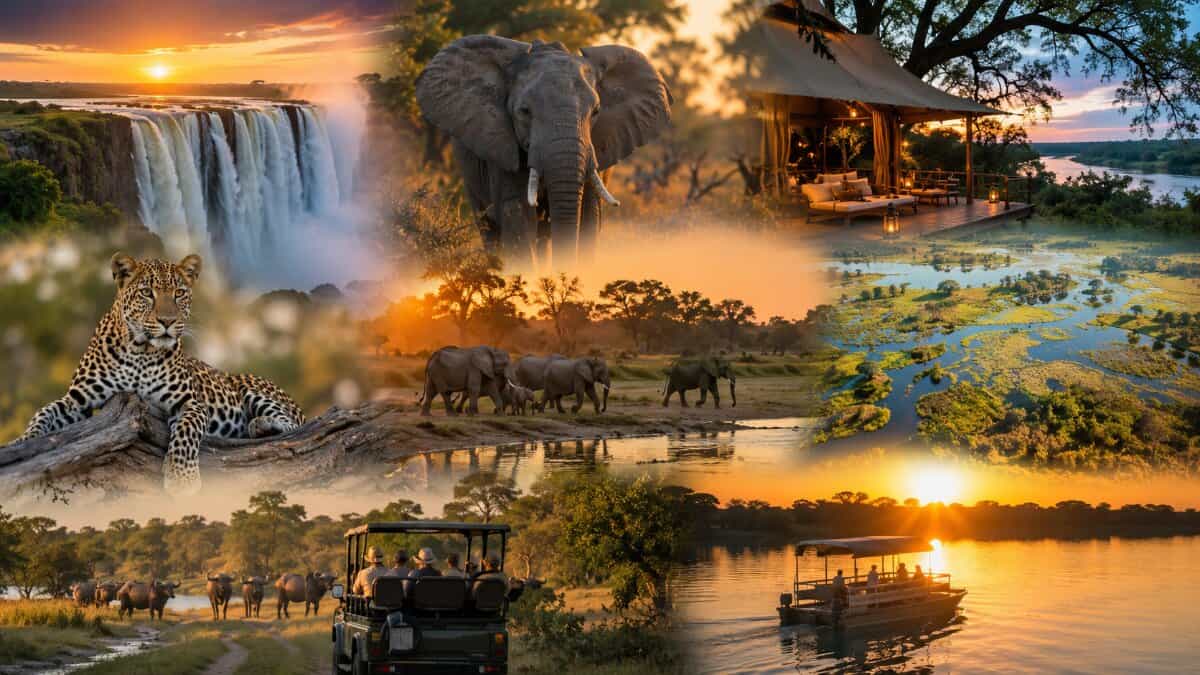
Image generated with Ai
Zimbabwe, Botswana, Zambia and South Africa now sit at the centre of a major Southern African luxury safari shift as African Bush Camps moves into a more structured growth phase. The company has appointed Maija de Rijk-Uys as Group Managing Director, placing daily multi-country operations under dedicated executive leadership while founder Beks Ndlovu focuses on long-term strategy, culture, relationships and direction. At the same time, the reported phase-out of selected Expedition Experiences signals a move toward a more consolidated luxury portfolio. For B2B travel sellers, the change affects product contracting, itinerary planning, air access strategy, conservation storytelling and high-yield safari positioning.
African Bush Camps is no longer simply a founder-led safari company expanding lodge by lodge across Southern Africa. It is moving into a more corporate, multi-country operating structure designed for scale, brand clarity and higher-yield luxury travel.
Advertisement
The central development is the appointment of Maija de Rijk-Uys as Group Managing Director. Her role places day-to-day operations across the wider business under dedicated executive control. This gives the founder and chief executive more room to focus on long-term vision, strategic relationships, organisational culture and group direction.
For the travel trade, this is the real commercial signal. The change is not just a leadership announcement. It points to a company preparing for more complex distribution, stronger product consistency, deeper conservation messaging and a clearer position in the premium safari market.
Advertisement
Advertisement
The timing matters. Luxury safari travel is becoming more competitive across Southern Africa. High-net-worth travellers want wilderness, privacy, conservation credibility, seamless routing and reliable service delivery. Operators that can combine all these elements across several countries now have a stronger advantage in the global market.
Zimbabwe, Botswana and Zambia are the primary destination countries connected to African Bush Camps’ lodge and safari footprint. South Africa is connected through regional travel leadership, distribution strength, outbound safari sales, aviation gateways and the professional background of the new managing director.
This is not a formal country-level alliance. It is a commercial alignment inside one shared Southern African safari economy.
Zimbabwe carries the founder story, the Hwange and Mana Pools product base, and the clearest link to the expedition portfolio shift. Botswana brings Okavango Delta, Linyanti and Khwai wilderness value. Zambia strengthens the Zambezi, Victoria Falls and Lower Zambezi luxury corridor. South Africa supports the regional ecosystem through trade networks, air connectivity, specialist safari selling and Cape Town-linked luxury travel demand.Country Role in the African Bush Camps story Point of commonality B2B travel impact Zimbabwe Origin market and core safari footprint across Hwange, Mana Pools and Zambezi-linked wilderness Conservation-led luxury safari travel Product changes may affect expedition-style itineraries and Zimbabwe safari contracting Botswana Premium wilderness market linked to Okavango, Khwai and Linyanti circuits High-value, low-density safari tourism Strong fit for luxury agents selling exclusive wildlife access Zambia Zambezi River, Victoria Falls and Lower Zambezi luxury corridor River-based safari, national parks and cross-border combinations Supports twin-centre and multi-country itineraries with Botswana and Zimbabwe South Africa Regional sales, leadership, air access and luxury travel trade ecosystem Safari distribution, inbound tourism infrastructure and specialist selling Acts as a gateway and commercial support market for Southern Africa safari demand
The most important product-level development is the reported phase-out of selected African Bush Camps Expedition Experiences over the 2025–2026 period. The affected product names include Zambezi Expeditions, Kanga Expeditions, Somalisa Expeditions and Linyanti Expeditions.
For travel advisors, tour operators and destination management companies, this matters because expedition-style camps often sit in a different commercial category from fully developed luxury lodges. They appeal to travellers seeking lighter, more mobile-feeling safari experiences. However, they can also create complexity around seasonality, staffing, rate positioning, operational logistics and brand segmentation.
A move toward fewer, stronger luxury products can create clearer selling messages. It can also support stronger average daily rates, improved service consistency and easier packaging for international luxury consortia.
The trade impact is immediate. Sellers need to verify affected departures, map replacement accommodation, check client expectations and confirm whether existing bookings have been protected through equivalent or upgraded alternatives.
This also changes the language used to sell the brand. The strongest future positioning is likely to focus less on a broad spread of safari styles and more on polished conservation luxury, lodge-based wilderness access, private guiding, family-friendly safari planning and cross-border Southern Africa circuits.
The leadership and portfolio shift comes as global travel and tourism continues to recover scale and value. Travel and tourism contributed about US$11.6 trillion to global GDP in 2025 and supported around 366 million jobs worldwide. This gives luxury safari companies a larger global demand base, but also raises expectations around operational sophistication.
Southern Africa is also becoming more competitive. South Africa recorded strong inbound recovery in 2025, while Zimbabwe, Zambia and Botswana continue to position safari, wildlife and conservation travel as high-value economic segments.
Zimbabwe’s tourism sector remains one of its most important economic pillars after mining and agriculture. The country’s key assets include Victoria Falls, Hwange National Park, Mana Pools, Lake Kariba and Great Zimbabwe. This gives African Bush Camps a strong destination base, especially for travellers seeking classic wildlife and Zambezi-linked itineraries.
Zambia has been building momentum around visitor growth, infrastructure readiness and product compliance. Its tourism strategy is closely tied to Livingstone, Lower Zambezi, national parks, river-based experiences and stronger regional promotion.
Botswana remains one of Africa’s most premium safari markets. Its strength lies in lower-density wilderness tourism, especially through the Okavango Delta, Khwai, Linyanti and Chobe-linked circuits. Its challenge is not demand quality. It is infrastructure capacity, air access and seasonal pressure around specialist safari gateways.
South Africa adds scale. Its inbound numbers, airline network, Cape Town luxury ecosystem and specialist tour operators help feed demand into the wider Southern Africa safari market.Market Latest available tourism signal What it means for African Bush Camps Industry readiness implication Zimbabwe More than 1.6 million international arrivals in 2024 and about US$1.2 billion in tourism revenue Strong base for Hwange, Mana Pools and Victoria Falls-linked safari sales Needs continued air access, accommodation investment and destination confidence Botswana More than 407,000 tourist arrivals in the fourth quarter of 2024 Sustains premium wilderness demand around Okavango and northern safari circuits Needs gateway expansion and stronger aviation planning around Maun and Kasane Zambia About 2.2 million arrivals in 2024, with 2025 targets moving higher Supports Livingstone, Lower Zambezi and Zambezi River luxury positioning Benefits from road, electricity, water and park-access upgrades South Africa Around 10.5 million tourists in 2025 Provides trade distribution, long-haul access and regional safari packaging power Acts as a feeder and gateway market for multi-country itineraries
Luxury safari growth depends on more than lodge quality. It depends on airports, roads, regional air links, transfer reliability and the ability to move high-value travellers smoothly between remote conservation landscapes.
Zimbabwe has already made important aviation improvements. The expansion of Robert Gabriel Mugabe International Airport increased passenger capacity from about 2.5 million to 6 million. Victoria Falls Airport has also been upgraded with a longer runway and a new passenger terminal, strengthening access to one of Africa’s most important tourism gateways.
Botswana is planning around the future of Maun International Airport. This is critical because Maun acts as a gateway to the Okavango Delta and northern safari economy. Congestion and future demand have pushed airport planning into the national infrastructure conversation. Botswana has also allocated development spending toward aviation, roads and rail, including projects that touch safari corridors and cross-border movement.
Zambia is working on tourism infrastructure across priority areas including Livingstone, Lower Zambezi, Kasaba Bay, Sioma Ngwezi and Liuwa Plain. These upgrades matter because Zambia’s safari promise depends on making remote parks easier to access without damaging the wilderness value that premium travellers pay to experience.
South Africa’s transport role is different. It is less about African Bush Camps’ lodge footprint and more about long-haul connectivity, distribution, stopovers and regional packaging. Cape Town and Johannesburg remain major travel-planning anchors for Southern Africa.Gateway or infrastructure area Country Why it matters to safari growth B2B planning relevance Victoria Falls Airport Zimbabwe Supports access to Victoria Falls, Hwange and Zambezi-linked safari combinations Important for fly-in safari planning and premium short-stay itineraries Robert Gabriel Mugabe International Airport Zimbabwe Adds broader national aviation capacity Supports confidence in Zimbabwe as a multi-stop destination Maun International Airport Botswana Main gateway to Okavango and northern safari circuits Crucial for luxury fly-in safaris and charter logistics Livingstone and Lower Zambezi access corridors Zambia Connects Victoria Falls, river lodges and national parks Supports Zambia-Botswana-Zimbabwe twin-centre packages Johannesburg and Cape Town air networks South Africa Feed long-haul travellers into Southern Africa Strengthens global distribution and itinerary combinations
The African Bush Camps shift creates several operational priorities for the travel trade.
First, operators need to audit any itinerary that includes expedition-style camps. They must verify whether the camp remains bookable, whether dates are protected, and whether alternatives have been assigned. This is especially important for long-haul clients who book twelve to eighteen months in advance.
Second, wholesalers need to review rate sheets and product descriptions. If the portfolio becomes more lodge-led and less expedition-led, sales materials must reflect the new brand architecture. Using outdated camp descriptions can create client dissatisfaction and operational risk.
Third, itinerary planners should update routing logic. Zimbabwe, Botswana and Zambia work best when sold as complementary destinations rather than isolated safari markets. A high-value trip may combine Hwange with Victoria Falls, the Okavango Delta with Linyanti, or Lower Zambezi with Livingstone.
Fourth, travel sellers should strengthen conservation messaging. African Bush Camps’ commercial value is tied closely to its foundation work in education, community empowerment, conservation, healthcare, livelihoods and human-wildlife coexistence. This matters because luxury travellers increasingly want evidence that their safari spend supports local communities and ecosystems.
Fifth, agents should prepare for stronger price discipline. A more consolidated luxury portfolio can reduce discount-led selling and support clearer value propositions. This may benefit premium travel advisors, but it also requires stronger product knowledge.
For luxury buyers, the shift should create a more polished African Bush Camps proposition. The likely future emphasis is on fewer moving parts, stronger lodge identity, improved operational oversight and higher consistency across destinations.
Zimbabwe remains the emotional and historical anchor. Botswana remains the premium wilderness engine. Zambia provides river-based luxury and Victoria Falls adjacency. South Africa supports the commercial, air access and distribution ecosystem that helps connect these experiences with global markets.
The change also points to a wider industry trend. Southern Africa’s luxury safari sector is moving away from fragmented product expansion and toward managed ecosystems. Operators now need strong governance, credible conservation, better infrastructure use, reliable regional partnerships and clearer portfolio segmentation.
African Bush Camps’ leadership reset and portfolio shift mark a wider turning point for Southern Africa safari tourism. The company is preparing for a market where luxury buyers demand operational precision, conservation credibility, smoother air access and seamless multi-country planning.
Zimbabwe, Botswana, Zambia and South Africa share the same commercial opportunity because they serve one connected safari economy. Each country plays a different role, but their commonality is clear. They are all tied to high-value wildlife tourism, regional connectivity, conservation-led travel and the global demand for authentic African wilderness.
For the B2B travel sector, the message is direct. African Bush Camps is becoming a more structured luxury safari platform. The winners will be operators, advisors and destination partners that update product knowledge early, protect clients from inventory confusion, and sell Southern Africa not as a collection of camps, but as a connected conservation travel system.
The main news is that African Bush Camps is entering a new luxury safari growth phase through a leadership restructure and a reported portfolio shift. The company has appointed Maija de Rijk-Uys as Group Managing Director, allowing founder Beks Ndlovu to focus more on long-term strategy, relationships, culture and brand direction. At the same time, the business is moving toward a more consolidated luxury safari portfolio across Southern Africa.
The primary countries connected to this news are Zimbabwe, Botswana, Zambia and South Africa. Zimbabwe, Botswana and Zambia are directly associated with African Bush Camps’ safari lodge footprint and wilderness experiences. South Africa is linked through regional tourism leadership, luxury travel distribution, aviation gateways and the wider Southern African safari trade ecosystem.
Zimbabwe, Botswana and Zambia form the core operating geography of African Bush Camps. These countries offer major safari landscapes, river systems, national parks and conservation-driven tourism assets. Zimbabwe is linked to Hwange, Mana Pools and Victoria Falls access. Botswana brings Okavango, Khwai and Linyanti wilderness appeal. Zambia strengthens the Zambezi River, Livingstone and Lower Zambezi luxury safari corridor.
South Africa is not the main camp-operation country in this specific development, but it plays a major role in the regional safari economy. It supports Southern Africa’s luxury travel ecosystem through international air access, travel trade networks, specialist safari operators, luxury outbound demand and major gateway cities such as Johannesburg and Cape Town.
The commonality is their shared role in the Southern African luxury safari economy. Zimbabwe, Botswana, Zambia and South Africa are all connected through wildlife tourism, conservation-led travel, cross-border safari itineraries, regional aviation links and high-value travel demand. Together, they help position Southern Africa as one of the world’s strongest premium safari regions.
For the travel trade, the leadership change signals stronger operational structure, clearer executive responsibility and greater scope for strategic growth. Tour operators, travel advisors and destination management companies may benefit from improved product clarity, stronger service consistency and a more refined luxury safari proposition across multiple countries.
The reported phase-out of selected Expedition Experiences means travellers and agents should carefully verify camp availability before confirming itineraries. Expedition-style camps may be replaced or repositioned within a more consolidated luxury lodge portfolio. Travellers with existing or planned bookings should check dates, alternatives, inclusions and routing directly with the operator or their travel advisor.
This development is important because luxury safari tourism is becoming more competitive and more sophisticated. High-end travellers now expect seamless logistics, strong conservation credibility, premium accommodation, expert guiding and reliable cross-border travel planning. African Bush Camps’ shift reflects this wider movement toward more structured, high-value safari operations.
Transport infrastructure plays a major role in safari growth. Airports such as Victoria Falls, Maun, Livingstone, Johannesburg and Cape Town help connect long-haul travellers to remote safari regions. Improved aviation capacity, upgraded airport facilities and stronger regional routes make it easier for operators to build premium multi-country itineraries across Zimbabwe, Botswana, Zambia and South Africa.
B2B travel sellers should review African Bush Camps product information, verify any affected expedition-style camp inventory, update sales materials and strengthen multi-country itinerary planning. They should also place greater emphasis on conservation, community impact, luxury lodge quality, seamless transfers and destination-specific differences across Zimbabwe, Botswana, Zambia and South Africa.
Advertisement
Tags: African Bush Camps, Botswana safari travel, Conservation Tourism, luxury safari portfolio, South Africa travel trade
Advertisement
Advertisement













Saturday, September 5, 2026

Friday, September 4, 2026

Saturday, September 5, 2026

Friday, September 4, 2026

Thursday, September 3, 2026

Wednesday, September 2, 2026

Saturday, September 5, 2026



