


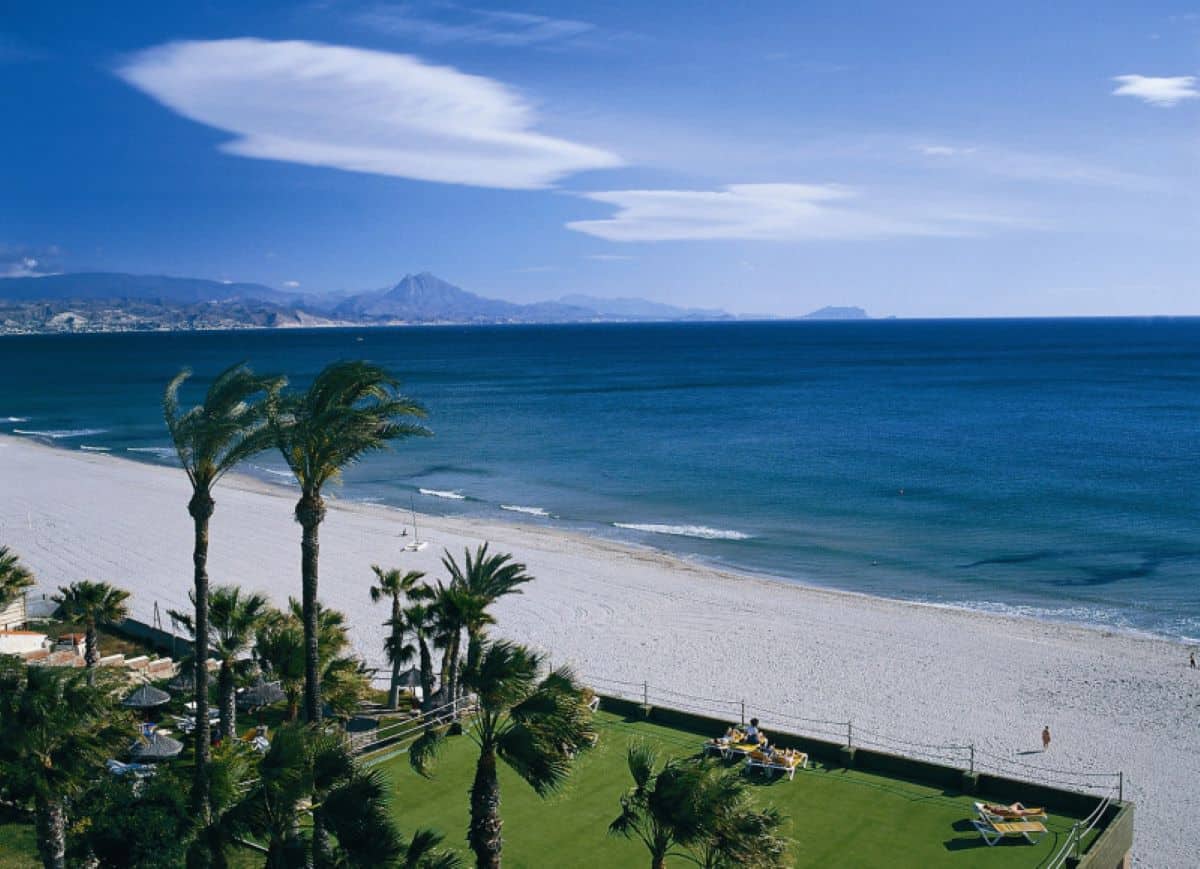
Spain Follows More As Canary Islands Tourism Growth Continues With Tenerife Attracting 7.36 Million Visitors has strengthened Spain’s position in global tourism. The Canary Islands see a rise in international tourism due to high European travel demand, year-round tourism, and multiple holiday opportunities. Official tourism statistics indicate the Canary Islands retain their visitor figures, with Tenerife being the main island destination, and a key driver for regional travel. The tourism sector of the Canary Islands reflects a positive impact on the European leisure market, with key markets being the UK, Germany, and Spain.
The Canary Islands tourism market continues to strengthen in 2026, supported by strong international demand and the region’s position as a year-round holiday destination. Official ISTAC and FRONTUR tourism data shows that the archipelago welcomed 18.39 million tourists in 2025, creating a new annual record, while the latest 12-month period recorded around 18.38 million arrivals.
Advertisement
The tourism momentum has been supported by diverse European markets, with the United Kingdom, Germany and Spain remaining important contributors to visitor volumes. Tenerife has maintained its leading position within the Canary Islands, attracting 7.36 million visitors during the latest 12-month period, representing the strongest island-level tourism performance in the region.
| Tourism Indicator | Latest Official Figure |
|---|---|
| Canary Islands visitors 2025 | 18.39 million |
| Latest 12-month arrivals | 18.38 million |
| Tenerife visitors | 7.36 million |
| Tourism revenue 2025 | €23.19 billion |
| Main data source | ISTAC and FRONTUR |
Spain continues to contribute significantly to the Canary Islands tourism landscape through domestic travel. Visitors from mainland Spain provide an important balance alongside international arrivals, strengthening tourism activity throughout the year.
Advertisement
Domestic travellers often choose the islands for short breaks, family holidays and seasonal escapes. The connection between mainland Spain and the Canary Islands through regular aviation links allows easier access for Spanish residents seeking island experiences.
The domestic market also supports tourism during periods when international travel demand changes. This creates additional stability for hotels, attractions and local tourism businesses across the archipelago.
| Spain Tourism Market | Importance |
|---|---|
| Visitor category | Domestic tourism |
| Main demand | Leisure and family travel |
| Travel advantage | Strong air connectivity |
| Role | Supports tourism stability |
| Impact | Additional visitor diversification |
The United Kingdom tourism market continues to play a central role in the growth of Canary Islands tourism. British travellers have traditionally formed the largest international visitor group for the archipelago due to strong aviation connections, established holiday demand and the popularity of winter sunshine travel.
The Canary Islands remain highly attractive to UK visitors because the destination offers warm weather throughout the year, direct flight options from multiple British airports and a wide range of accommodation choices. The islands continue to appeal to families, couples, older travellers and long-stay holidaymakers seeking reliable sunshine outside the traditional summer season.
The strength of British demand has helped maintain visitor stability even as global tourism patterns continue changing. The UK market also supports a broad tourism ecosystem, including hotels, restaurants, attractions, transport providers and local businesses.
| UK Tourism Contribution | Impact |
|---|---|
| Market position | Largest international source market |
| Main travel period | Winter and shoulder seasons |
| Preferred travel style | Leisure holidays and resort stays |
| Main destinations | Tenerife, Gran Canaria and other islands |
| Economic role | Supports hospitality and tourism services |
Germany remains another important pillar of the Canary Islands tourism source market structure. German travellers have historically shown strong interest in island holidays, nature experiences and longer-duration stays.
The German market contributes to tourism diversification by reducing dependence on a single international source region. Visitors from Germany are attracted by the Canary Islands’ volcanic landscapes, outdoor activities, coastal areas and mild climate.
Tourism demand from Germany has also supported quality-focused travel trends, including wellness holidays, active tourism and experiences beyond traditional beach breaks. The country’s importance demonstrates how the Canary Islands continue attracting travellers from different European economies.
| German Market Role | Tourism Influence |
|---|---|
| Position | Major European source market |
| Visitor interests | Nature, wellness and leisure |
| Travel pattern | Longer holiday periods |
| Destination appeal | Climate and landscapes |
| Importance | Supports market diversification |
Tenerife continues to dominate the Canary Islands tourism sector, recording 7.36 million visitors in the latest 12-month period. The island’s leading position is supported by its broad tourism offering, including beaches, natural attractions, cultural experiences and outdoor activities. (ic travellers through its combination of established tourism infrastructure and diverse experiences. Tenerife’s ability to serve different traveller groups has helped it maintain its position as the largest tourism destination within the Canary Islands.
From coastal resorts to volcanic landscapes, the island provides multiple reasons for repeat visits. This variety supports demand across different seasons and strengthens Tenerife’s role as a key driver of Canary Islands tourism performance.
| Tenerife Tourism Strength | Details |
|---|---|
| Visitor volume | 7.36 million |
| Tourism position | Largest Canary Islands destination |
| Main attractions | Beaches, nature and culture |
| Visitor demand | International and domestic |
| Market advantage | Diverse tourism offering |
The continued rise of Canary Islands tourism has created significant effects across the wider travel ecosystem. Higher visitor numbers support hotels, aviation networks, restaurants, attractions and local businesses.
Tourism expenditure has also reached record levels, with official data showing €23.19 billion in tourism turnover during 2025. The strong economic contribution highlights the importance of tourism for employment, investment and infrastructure development across the islands.
The combination of strong European source markets and Tenerife’s leading performance positions the Canary Islands as one of Europe’s most important year-round leisure destinations.
| Tourism Impact Area | Effect |
|---|---|
| Hospitality | Higher accommodation demand |
| Aviation | Stronger travel connectivity |
| Local economy | Increased visitor spending |
| Employment | Supports tourism-related jobs |
| Destination image | Strengthens Canary Islands position |
The Canary Islands enter the next phase of tourism development with strong foundations created by record visitor numbers, diverse source markets and Tenerife’s continued leadership. The combination of British, German and Spanish travellers provides stability while allowing the destination to attract visitors throughout the year.
The latest tourism performance shows that the Canary Islands remain highly competitive within European travel markets. With Tenerife leading island arrivals and international demand continuing, the region is positioned to maintain its importance as a global holiday destination.Future Tourism Driver Expected Importance UK demand Continued international strength German visitors Market diversification Spanish travellers Domestic stability Tenerife performance Main growth contributor Year-round climate Long-term destination advantage
Spain Follows More As Canary Islands Tourism Growth Continues With Tenerife Attracting 7.36 Million Visitors, highlighting the continued strength of the region as a major global travel destination. Tenerife maintains its position as being a leading tourism center, thanks to international interest. The mix of tourism from the UK, Germany, and Spain grows the appeal of the Canary Islands globally. As the tourist sector of the Canary Islands grows, so does Tenerife’s ability to grow internationally, to provide a full range of travel experiences, and to enhance Spain’s participate in the global tourism market.
Advertisement
Tags: Canary Islands Tourism, Germany tourism market, Spain Travel, Tenerife tourism, UK Tourism Market
Advertisement
Advertisement













Monday, September 7, 2026

Monday, September 7, 2026

Monday, September 7, 2026

Monday, September 7, 2026
Monday, September 7, 2026

Monday, September 7, 2026

Monday, September 7, 2026

Monday, September 7, 2026

