

Europe Tourism Enters New Era as WTTC Unveils Eight Major Priorities for Digital Visas, Investment and Travel Growth by 2036

Published
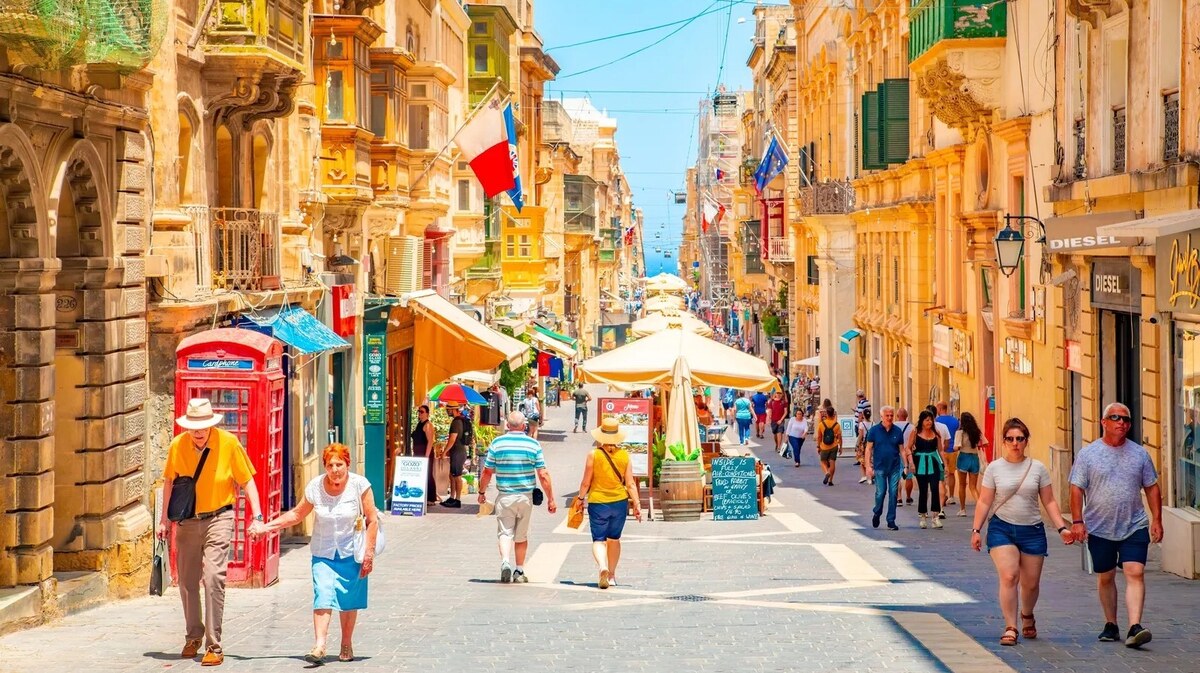
The World Travel & Tourism Council (WTTC) has unveiled eight strategic priorities to strengthen Europe’s tourism industry, improve border procedures, attract investment and accelerate sustainable growth. Released on 9 October 2026 during the organisation’s 26th Global Summit in Valletta, Malta, the report outlines measures aimed at maintaining Europe’s position as the world’s leading international tourism region. The recommendations arrive as the European Commission prepares its first dedicated tourism strategy and governments across the continent examine ways to improve travel connectivity, visitor experiences and economic competitiveness.
The report, Travel & Tourism in Europe: A Deep Dive Into Growth, Outlook and Policy, examines the industry’s economic contribution, international visitor spending, employment prospects and investment requirements through 2036. Its findings underline the increasing importance of coordinated policies as Europe prepares for another decade of international tourism expansion.
European Tourism Economy Approaches US$3 Trillion as Growth Accelerates
Europe’s Travel and Tourism industry contributed nearly US$3 trillion to regional GDP in 2025, accounting for 9.4% of the continent’s economy. The sector supported approximately 40.7 million jobs, representing around one in ten positions.
WTTC forecasts industry growth of 3.1% in 2026, substantially above the 1.1% expansion projected for Europe’s wider economy. Europe welcomed 757.3 million international overnight arrivals in 2025, representing 49.1% of worldwide arrivals. International visitor expenditure reached US$835 billion, equivalent to 41% of global international tourism spending. These figures reinforce the region’s substantial role in global travel demand.
Advertisement
Advertisement
Digital Schengen Visas and Smarter Borders Become Major Priorities
Simplifying international travel is one of WTTC‘s principal recommendations. The organisation identifies digital visa processing, multiple-entry visas and modern border technology as important tools for improving Europe’s accessibility. Schengen countries issued 5.3 million multiple-entry visas in 2025, approximately 40% fewer than in 2019. Their share of all visas issued declined from 59% to 51.7%.
WTTC recommends accelerating digital Schengen visas, expanding multiple-entry visa availability and developing an EU-wide trusted traveller programme. The proposals also include a coordinated approach to biometric border checks. These remain policy recommendations rather than newly introduced visa or passport requirements.
Advertisement
Advertisement
Europe Targets Asia-Pacific Travellers to Strengthen International Tourism
Diversifying international visitor markets forms another central part of Europe’s proposed tourism strategy. According to WTTC, 74.3% of international arrivals in Europe during 2025 originated within the region itself, demonstrating substantial dependence on neighbouring markets.
Arrivals from Asia-Pacific remained 4.8% below 2019 levels. Chinese arrivals were 43.2% below pre-pandemic levels, while visitor numbers from Japan and South Korea remained approximately 30% lower. WTTC recommends stronger promotional partnerships, stable destination marketing budgets and improved visa accessibility for long-haul travellers. These measures could help destinations attract a wider international audience while supporting tourism spending beyond traditional regional markets.
Advertisement
Advertisement
Tourism Investment Reaches US$259 Billion but Infrastructure Challenges Remain
Investment in Europe’s Travel and Tourism industry reached US$259 billion in 2025, increasing 7.1% from the previous year. Nevertheless, total investment remained 3.6% below 2019 levels. Europe also trailed Asia-Pacific, where tourism investment reached US$395 billion, and North America, which recorded US$273 billion.
WTTC recommends recognising tourism as a strategic economic sector within the European Union’s 2028–2034 Multiannual Financial Framework. The organisation also identifies regulatory certainty and improved financing for small and medium-sized enterprises as important requirements. Stronger investment conditions could support accommodation development, transport connections, tourism services and destination infrastructure across European markets.
Mediterranean Tourism Faces Growing Climate and Sustainability Pressures
Sustainability remains central to Europe’s long-term tourism competitiveness, particularly in destinations facing rising temperatures, water shortages and seasonal visitor concentration. WTTC reports that Travel and Tourism accounted for 6.3% of Europe’s greenhouse gas emissions in 2024. However, the industry’s emissions intensity declined by 14.8% between 2019 and 2024.
Mediterranean destinations generated 52.2% of Europe’s international visitor spending, highlighting their economic importance and exposure to climate-related risks. Recommended priorities include climate adaptation, improved water management, waste reduction, nature protection and cleaner transport fuels. These measures are intended to protect destination resources while supporting tourism businesses and communities.
Advertisement
Advertisement
Europe Could Welcome 1.14 Billion International Visitors by 2036
Europe’s international tourism arrivals could reach 1.14 billion by 2036, compared with 757.3 million in 2025, according to WTTC’s long-term forecast. Such growth would create opportunities for hotels, attractions, tour operators and local businesses. However, it would also increase pressure on transport networks, accommodation availability and public services.
WTTC recommends shifting destination management away from visitor numbers alone towards economic value, community benefits and environmental protection. Proposed measures include distributing tourism across different seasons, encouraging visits beyond established hotspots and ensuring visitor levies contribute transparently to destination management.
Tourism Labour Shortages Threaten Europe’s Future Hospitality Expansion
Employment availability represents another major challenge for Europe’s expanding tourism economy. WTTC forecasts that tourism labour demand will exceed available workforce supply in several European markets. Germany and Greece face projected workforce shortfalls of 26% and 27%, respectively, against tourism labour demand by 2035.
Young workers already play an important role, accounting for 13.1% of direct tourism employment compared with 8.3% across the wider economy. WTTC recommends stronger apprenticeship programmes, improved recognition of professional qualifications and wider adoption of the Hospitality and Tourism Skills Passport. The proposed UK–EU Youth Experience Scheme also features among its recommendations for workforce mobility.
Artificial Intelligence Could Transform European Tourism Businesses
Artificial intelligence is identified as an important tool for strengthening tourism competitiveness, improving operational efficiency and supporting destination management. WTTC recommends targeted grants, professional training, expert assistance and shared digital systems, particularly for smaller tourism businesses. Potential applications include managing visitor demand, improving customer services and helping destinations respond to changing travel patterns.
However, the organisation also emphasises the need for transparent, human-centred AI regulation that protects travellers while encouraging innovation. The recommendations reflect growing interest in technology that can help tourism companies improve productivity without reducing the importance of personalised hospitality services.
Advertisement
Advertisement
Integrated Rail, Road and Maritime Connections Gain Strategic Importance
Improving transport connectivity is another priority in WTTC’s European tourism agenda. The organisation recommends better integration of rail, road, maritime and air transport to simplify journeys between countries and improve access to less-connected destinations. Particular attention is directed towards islands, rural communities and peripheral regions where limited transport options can restrict tourism development.
Proposed improvements include integrated ticketing, accessible booking platforms and interoperable travel information. Such changes could encourage multi-destination holidays, support year-round employment and distribute tourism expenditure across a wider geographical area. WTTC also advocates lower-emission transport alternatives while maintaining essential links to destinations with limited connectivity.
Malta Hosts Global Tourism Summit as European Industry Plans Expansion
Malta’s role as host of the 26th WTTC Global Summit places the Mediterranean destination at the centre of discussions concerning Europe’s tourism future. The country’s Travel and Tourism sector contributed US$4.6 billion to its economy in 2025, increasing 16.8%, compared with 4% growth across the wider economy.
Tourism represented 16.6% of Malta’s GDP and supported approximately one in five jobs. International visitor spending reached US$3.9 billion, standing 47.5% above 2019 levels. These figures demonstrate the considerable economic importance of international visitors to Malta’s hospitality sector and wider tourism economy.
European Tourism Outlook Points Towards US$3.8 Trillion Economy by 2036
WTTC forecasts that Europe’s Travel and Tourism contribution to GDP will increase at an annualised rate of 2.2%, reaching US$3.8 trillion by 2036. Employment supported by the industry could exceed 50 million positions, representing 8.3 million additional jobs compared with the 2026 forecast.
Germany remains Europe’s largest Travel and Tourism economy, with a US$566 billion contribution, followed by the United Kingdom at US$380 billion, France at US$312 billion and Spain at US$291 billion. Spain also leads the continent in international visitor spending, recording US$130 billion in 2025. The outlook places digital travel facilitation, investment, workforce development and sustainable destination management at the centre of Europe’s proposed long-term tourism agenda. Actual outcomes will depend on economic conditions, travel demand and the implementation of future policies.
Advertisement
