

Missouri Joins The Midwest’s Top Outdoor Travel Escapes With Hidden Ozark Trails And Camping

Published
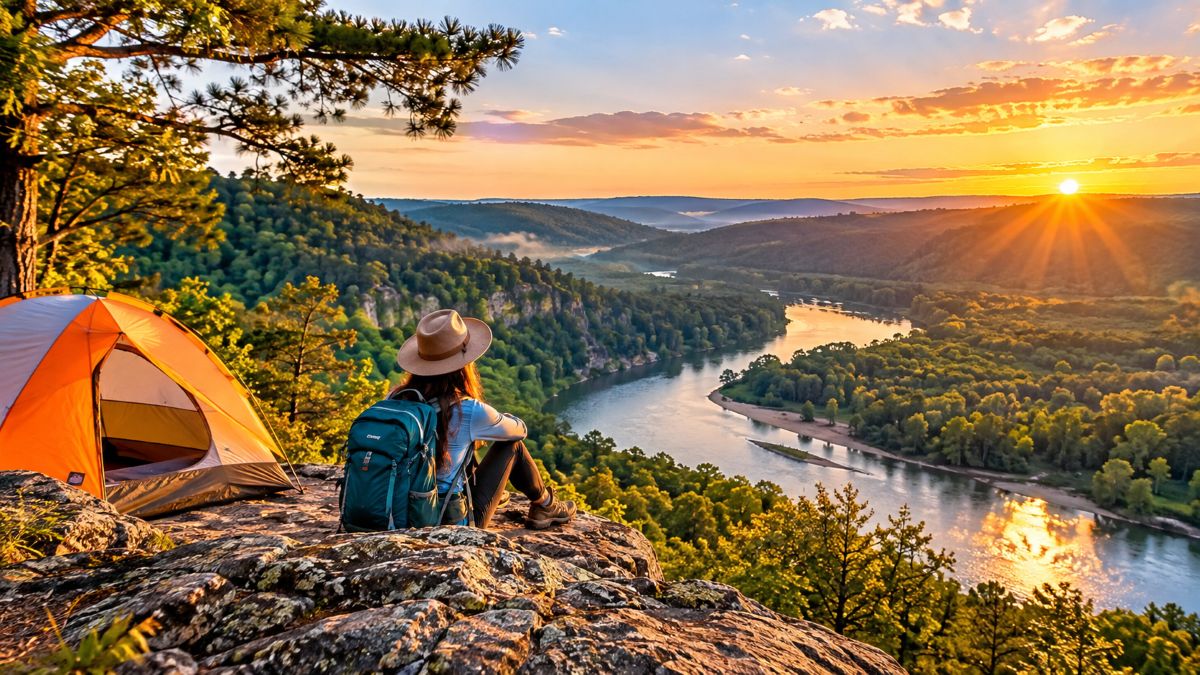
Travellers looking beyond crowded attractions can discover a quieter side of Missouri at Little Indian Creek Conservation Area, an expansive natural retreat combining rugged woodland, scenic waterways, hiking trails and primitive camping. Located approximately 47 miles from St. Louis near Lonedell, the conservation area provides an accessible escape for visitors seeking outdoor recreation without resort-style development. Its location between the metropolitan region and the wider Missouri Ozarks makes it appealing for day trips, weekend adventures and nature-focused holidays.
Spanning more than 4,200 acres across Franklin and Washington counties, the landscape offers opportunities for hiking, fishing, birdwatching and seasonal outdoor activities. Oak forests, shortleaf pine, rocky glades and creek valleys create a distinctive setting for travellers seeking tranquillity and a closer connection with nature.
A Conservation Landscape Rich In Ozark Scenery
Little Indian Creek Conservation Area reflects the natural diversity of the Missouri Ozarks, where forested ridges meet open glades and narrow waterways. Missouri acquired the land in 1978 after decades of pasture use, timber production and agricultural activity. Conservation management now includes prescribed burning, tree planting, glade restoration and timber management to improve habitat conditions and maintain ecological diversity.
The scenery changes throughout the seasons, giving visitors different reasons to explore. Spring brings native wildflowers, including Virginia bluebells near waterways, while autumn can transform the woodland into a colourful landscape. The namesake creek and smaller tributaries contribute to the area’s appeal, providing quiet settings for photography, nature observation and relaxing walks away from busy urban environments.
Advertisement
Advertisement
More Than 20 Miles Of Trails Attract Hiking Enthusiasts
Hiking is one of the principal attractions at Little Indian Creek Conservation Area. The property offers more than 20 miles of multi-use trails and access roads through woodland, rocky glades and creek valleys. A main loop of approximately 10 miles gives experienced hikers an opportunity to explore varied terrain while discovering less-visited sections of the conservation area.
Visitors should expect an unpaved, rugged environment rather than a highly developed recreational park. Elevation changes, uneven surfaces and creek crossings can make some sections demanding, particularly after rainfall. Sturdy hiking footwear, insect protection, drinking water and a reliable map are essential preparations. Travellers should also allow sufficient time to complete their chosen route and return before darkness, especially when unfamiliar with the trail network.
Advertisement
Advertisement
Essential Information For Planning A Missouri Nature Trip
The conservation area’s limited facilities make preparation particularly important. Visitors who understand the available amenities, outdoor activities and access requirements can plan a more comfortable experience.
| Travel Detail | Visitor Information |
|---|---|
| Destination | Little Indian Creek Conservation Area |
| State | Missouri, United States |
| Nearby city | St. Louis |
| Approximate distance | 47 miles from St. Louis |
| Conservation area size | More than 4,200 acres |
| Trail network | More than 20 miles of trails and access roads |
| Camping | 12 primitive campsites |
| Sanitation | Vault toilets, without running water |
| Main activities | Hiking, fishing, camping and wildlife watching |
| Preparation | Water, navigation map, sturdy footwear and insect protection |
Travellers should verify current access arrangements, trail conditions and conservation regulations before departure. The experience is best suited to people comfortable with independent outdoor recreation and basic facilities.
Primitive Camping Creates An Immersive Nature Experience
Camping provides an opportunity to experience the conservation area’s peaceful atmosphere beyond a daytime visit. The site reportedly offers 12 primitive campsites and three vault toilets, but visitors should not expect electricity, showers, running water or recreational vehicle hookups.
According to the supplied destination information, camping requires a permit, which should be requested at least 10 days before the planned stay. Visitors should confirm the current application procedure and requirements with the Missouri Department of Conservation before travelling. Bringing sufficient drinking water, food, lighting, suitable clothing and camping equipment is essential for a comfortable overnight experience.
The limited infrastructure makes Little Indian Creek especially appealing to travellers who value simplicity over convenience. Campers should follow designated-site rules, dispose of waste responsibly and respect wildlife habitats. Weather conditions can change, so checking forecasts and preparing for cooler nights or wet conditions is advisable.
Fishing Adds To The Appeal Of Missouri Outdoor Tourism
Fishing provides another way to enjoy Little Indian Creek Conservation Area at a slower pace. The namesake waterway crosses part of the property, while a pond identified on the area’s map and other accessible waterways offer potential fishing locations.
Advertisement
Advertisement
Sunfish are among the fish highlighted in the supplied destination information. Anglers have also reported catching bass and pumpkinseed, although results depend on conditions, fish populations and fishing techniques. Visitors should check the current regulations governing licences, permitted equipment, catch limits and minimum or maximum size requirements before casting a line.
Particular restrictions may apply to black bass, crappie, catfish and other species. The supplied information identifies a mandatory release requirement for black bass measuring between 12 and 15 inches. Because regulations can change, anglers should verify the applicable rules before their visit and handle fish responsibly to support sustainable recreational fishing.
Wildlife Watching And Seasonal Restrictions Shape Visitor Plans
The area’s combination of forest, glades and open woodland supports a variety of birdlife. Birdwatchers may encounter warblers, flycatchers and other woodland species, although thick vegetation can make sightings challenging. Visitors can improve their chances by moving quietly, remaining patient and observing birds from suitable locations without disturbing their habitats.
Mountain biking and horseback riding are permitted on designated routes, subject to seasonal restrictions. During hunting seasons, cyclists and equestrians may face trail closures, according to the supplied information. Hunting is also permitted seasonally, making it important for all visitors to check current conservation notices and access restrictions before setting out.
Reported public access hours are 4 a.m. to 10 p.m., with arrangements for permitted overnight activities. Visitors should confirm current opening hours and hunting schedules before planning autumn or spring excursions.
How To Include Little Indian Creek In A Midwest Travel Itinerary
Little Indian Creek can serve as a day trip from St. Louis or as part of a longer journey through the Missouri Ozarks. A practical itinerary might include a morning hike, an afternoon spent fishing or observing wildlife, and a return journey before evening. Travellers intending to camp overnight should arrange the required permit well in advance.
Advertisement
Advertisement
The destination can also complement a wider road trip towards Mark Twain National Forest and other natural attractions in southern Missouri. However, travellers should account for driving distances, weather conditions and the time needed to navigate rugged trails.
Its appeal lies in the combination of accessibility and relative seclusion. Visitors can explore woodland paths, discover native vegetation, enjoy quiet fishing locations and experience primitive camping without the crowds and commercial development associated with some established tourist destinations.
Responsible Travel Helps Preserve Missouri’s Natural Heritage
Responsible outdoor tourism is essential to maintaining the conservation area’s ecological value. Visitors should follow posted rules, remain aware of seasonal closures, avoid disturbing wildlife and carry out their rubbish. Fishing, camping and other recreational activities should comply with current regulations.
Travellers should also recognise that Little Indian Creek is a conservation area rather than a full-service holiday resort. Its limited amenities require preparation, but they also help preserve an experience centred on nature, solitude and outdoor discovery.
For visitors seeking affordable Missouri travel experiences, this tucked-away destination offers a compelling alternative to conventional sightseeing. With thoughtful planning and respect for the environment, Little Indian Creek Conservation Area can provide a rewarding introduction to the natural landscapes of the Ozarks.
Frequently Asked Questions About Missouri’s Outdoor Travel Escapes
1. Why Is Missouri Becoming A Popular Outdoor Travel Destination?
Advertisement
Advertisement
Missouri attracts outdoor travellers with its scenic Ozark Mountains, forested landscapes, winding rivers, hidden hiking trails and peaceful camping locations. Its mix of adventure and natural beauty makes it an appealing destination in the American Midwest.
2. What Are The Best Places For Outdoor Travel In Missouri?
Popular destinations include the Ozark National Scenic Riverways, Mark Twain National Forest, Ha Ha Tonka State Park and the Missouri sections of the Ozark Trail. These areas offer opportunities for hiking, camping, fishing and wildlife observation.
3. Where Can Travellers Find Hidden Hiking Trails In The Missouri Ozarks?
Travellers can explore lesser-known routes throughout Mark Twain National Forest and sections of the Ozark Trail. Checking official trail maps and current access information can help visitors discover quieter paths.
4. Is Missouri Suitable For Camping Holidays?
Advertisement
Advertisement
Yes, Missouri offers developed campgrounds, rustic campsites and backcountry camping opportunities in designated areas. Travellers should check individual site regulations, availability, seasonal restrictions and fire safety requirements before setting up camp.
5. When Is The Best Time To Visit Missouri For Outdoor Adventures?
Spring and autumn are generally excellent seasons for hiking and camping because temperatures are often milder. Summer is suitable for river activities, although heat, humidity and thunderstorms can affect outdoor plans.
6. Can Visitors Enjoy Fishing And Water Activities In The Missouri Ozarks?
Yes, the Ozarks feature rivers and streams suitable for activities such as fishing, kayaking, canoeing and swimming in permitted locations. Visitors should check fishing licence requirements, water conditions and local safety advisories before participating.
7. Is Mark Twain National Forest A Good Destination For Nature Lovers?
Advertisement
Advertisement
Mark Twain National Forest offers extensive woodland scenery, hiking opportunities, camping areas and access to outdoor recreation. It is particularly appealing to travellers seeking quieter natural settings away from busy urban destinations.
8. Are Missouri’s Outdoor Destinations Suitable For Families?
Many Missouri parks and recreation areas offer family-friendly walking trails, picnic facilities, campgrounds and nature experiences. Families should select routes according to children’s ages, fitness levels and the availability of facilities.
9. What Should Travellers Pack For Camping In The Missouri Ozarks?
Travellers should bring a suitable tent, sleeping equipment, drinking water, weather-appropriate clothing, insect repellent, a first-aid kit, navigation tools and adequate food. Hiking footwear and rain protection are also useful because weather conditions can change quickly.
10. How Can Travellers Explore Missouri’s Outdoor Attractions Responsibly?
Visitors can protect Missouri’s natural landscapes by staying on designated trails, disposing of rubbish properly, respecting wildlife, following campfire restrictions and avoiding damage to vegetation. Checking park regulations and practising Leave No Trace principles helps preserve these destinations for future generations.
Advertisement
