
Copenhagen Follows Southampton and More as Most Stunning Cruise Ports of Europe Tempt Global Tourists with Ultimate Holiday Adventures!

Published
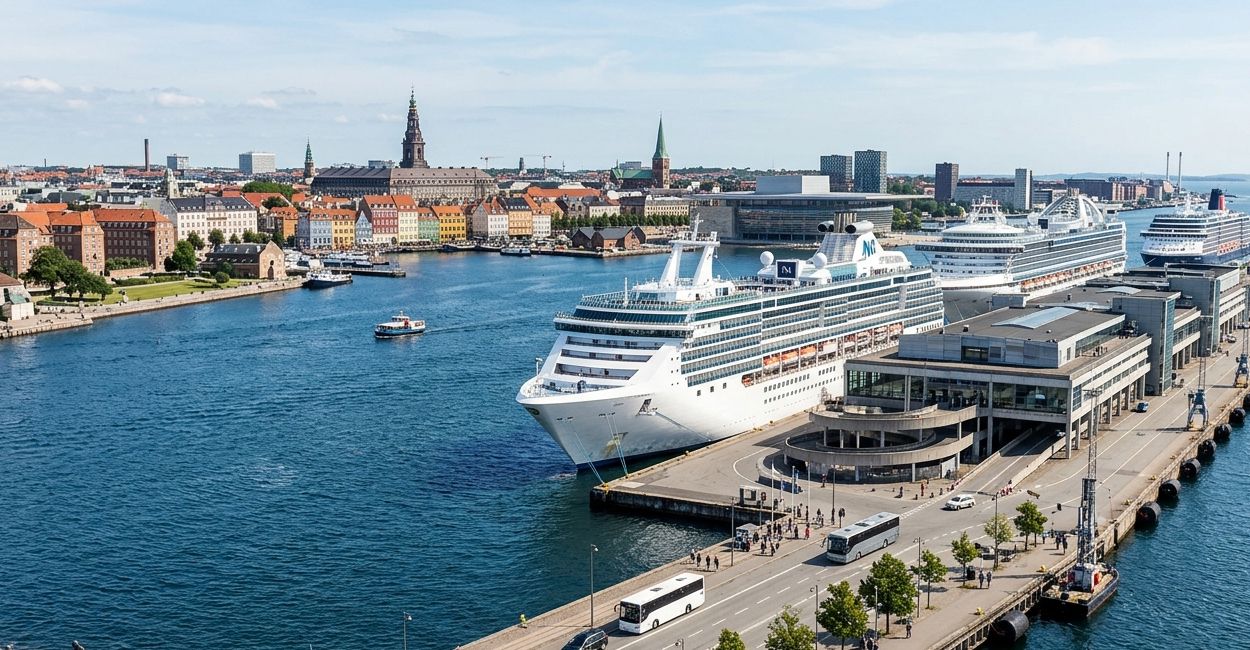
Copenhagen follows Southampton and more as the most stunning cruise ports of Europe tempt global tourists with ultimate holiday adventures and unforgettable travel experiences. From Copenhagen’s captivating waterfront to Southampton’s bustling cruise terminals, Europe’s most stunning cruise ports offer exciting opportunities for travellers seeking extraordinary holidays. Moreover, these cruise destinations combine historic landmarks, spectacular coastlines and memorable cultural experiences. Global tourists can discover Mediterranean beauty, Nordic charm and fascinating seaside cities through carefully planned cruise journeys. Travel And Tour World urges readers to explore how Copenhagen, Southampton and more remarkable European cruise ports inspire ultimate holiday adventures, helping travellers plan unforgettable escapes across Europe.
Europe’s Leading Cruise Ports Beyond Copenhagen: Six Major Gateways, Five-Year Passenger Trends and Detailed Travel Plans
Copenhagen’s recognition as Europe’s Leading Cruise Port in 2026 highlights Denmark’s capital as an important gateway for international cruise travellers. However, Europe offers many other ports where visitors can combine sailing holidays with historic cities, coastal landscapes and cultural experiences. Barcelona, Lisbon, Piraeus, Marseille, Southampton and Split each provide distinctive advantages for cruise passengers. Their appeal ranges from Mediterranean island itineraries to Atlantic voyages and Northern European departures. Comparing passenger statistics, terminal locations, transport connections and nearby attractions can help travellers choose the right port for their next holiday. Passenger figures must be interpreted carefully because port authorities use different reporting methods.
Six European Cruise Ports Every Traveller Should Consider
1. Barcelona, Spain — A Mediterranean Gateway for City Breaks
Barcelona is a major Mediterranean cruise hub, combining modern passenger facilities with architecture, beaches, museums and Catalan cuisine. The Port of Barcelona reported 3,655,981 cruise passenger movements in 2024 across 793 cruise calls. The port also recorded approximately 3.57 million passenger movements in 2023. These figures demonstrate the scale of its cruise operations, although passenger movements are not equivalent to unique visitors. In 2025, a separate measure recorded 2,351,002 cruise passengers visiting the city. Travellers should not directly compare this city-visitor figure with the port’s total passenger movements. Barcelona’s location also makes it useful for western Mediterranean itineraries that include destinations in France, Italy and the Spanish islands.
Why Barcelona is a leading choice: Visitors can explore the Sagrada Família, the Gothic Quarter, Park Güell and the Port Vell waterfront. A pre-cruise stay allows time to experience local markets and traditional Catalan food. Passengers should confirm their terminal before arranging transport, as transfer times vary. The port’s Nexigen programme is also advancing shore-power infrastructure, with the aim of electrifying cruise berths by 2030.
Advertisement
Advertisement
2. Lisbon, Portugal — An Atlantic Gateway to History and Culture
Lisbon attracts cruise travellers with its historic neighbourhoods, riverfront setting, Portuguese cuisine and connections to Atlantic itineraries. Lisbon Cruise Port reported 763,752 passengers across 369 cruise calls in 2024. In 2025, it recorded 705,437 passengers across 335 calls. The 2025 total included 499,211 transit passengers and 206,226 turnaround passengers. Transit passengers visit during a voyage, while turnaround passengers begin or end their cruise in Lisbon. This distinction matters when comparing ports because the two groups contribute differently to accommodation demand and local spending.
Why Lisbon is a leading choice: Visitors can explore Belém Tower, Jerónimos Monastery, Alfama and Praça do Comércio. Lisbon also offers traditional bakeries, seafood restaurants and viewpoints overlooking the Tagus River. Travellers with additional time can arrange a trip to Sintra. Because the city has steep streets and uneven pavements in several historic districts, visitors should plan walking routes according to their mobility and available time.
Advertisement
Advertisement
3. Piraeus, Greece — The Gateway to Athens and the Aegean
Piraeus is Greece’s largest port and an important departure point for cruises around the Aegean and eastern Mediterranean. The port reported more than 1.7 million cruise passengers in 2024, compared with approximately 1.5 million in 2023. Cruise calls increased from 760 in 2023 to 810 in 2024, including 600 homeport calls in 2024. Homeport calls are particularly valuable for travellers beginning or ending a voyage because they can support additional hotel stays, restaurant visits and sightseeing.
Why Piraeus is a leading choice: The port provides access to Athens and its world-famous archaeological sites. Visitors can explore the Acropolis, the Acropolis Museum and the historic Plaka neighbourhood. Travellers should account for traffic and the distance between the port and central Athens. Booking transport in advance and returning well before embarkation deadlines can reduce the risk of missing the ship.
4. Marseille, France — A Gateway to Provence
Marseille combines Mediterranean port activity with French history, waterfront dining and excursions into Provence. Tourism reporting based on port data recorded approximately 2.5 million cruise passengers in 2023, representing a substantial recovery from the previous year. The same reporting indicated that passenger numbers had increased by 76% compared with 2022. Other industry estimates place Marseille’s 2024 cruise activity at approximately 2.4 million passengers. These figures originate from different reporting sources, so they should be treated as approximate rather than a fully consistent annual series.
Why Marseille is a leading choice: Visitors can discover the Vieux-Port, the historic Le Panier district and local food markets. Travellers staying longer can consider excursions to Provence villages and the Calanques coastline. Weather, seasonal access restrictions and transfer arrangements can affect excursions, so visitors should check current conditions before booking. Passengers should also confirm their cruise terminal because the port area covers several facilities.
5. Southampton, England — A Major Departure Port for British Cruises
Southampton is one of the United Kingdom’s most important cruise departure ports, serving itineraries to Northern Europe, the Norwegian fjords and destinations farther afield. UK government statistics indicate that approximately 2.7 million international cruise passengers passed through Southampton in 2024, out of around 3.1 million across UK ports. This represents approximately 87% of the national total, although the figures refer to passenger movements rather than unique individuals.
Why Southampton is a leading choice: The city offers historic walls, museums, shopping areas and a waterfront setting. Its transport links make it a practical departure point for travellers arriving through London or other British transport hubs. Visitors with extra time can consider Winchester or a pre-arranged excursion to Stonehenge. International passengers should ideally arrive the day before departure, particularly when flights, rail connections or long-distance transfers are involved.
Advertisement
Advertisement
6. Split, Croatia — An Adriatic Port Rich in Roman Heritage
Split is a popular Adriatic cruise stop, combining historic architecture with coastal scenery and access to Croatia’s islands. Port statistics show passenger numbers increasing from 89,148 in 2021 to 278,103 in 2022, 388,204 in 2023 and 497,856 in 2024. The total eased to 487,377 in 2025. This represented a decline of approximately 2.1% from 2024, although passenger numbers remained substantially above the levels recorded during the earlier recovery period.
Why Split is a leading choice: Diocletian’s Palace and the surrounding old town provide a compact sightseeing area, while the Riva waterfront is ideal for cafés and relaxed walks. Visitors staying longer can explore nearby coastal destinations or investigate island excursions. However, ferry schedules and cruise departure times do not always align, so independent island trips require careful planning.
Five-Year Cruise Passenger Statistics, 2021–2025
Passenger numbers help explain how European cruise ports recovered after the pandemic and how their roles differ. Barcelona and Piraeus operate at a much larger scale than Split, while Lisbon offers an important Atlantic alternative. Southampton remains particularly significant for UK embarkations.
The following table brings together the available figures. It does not invent missing annual values, and it distinguishes different reporting measures where necessary.
| Cruise port | 2021 | 2022 | 2023 | 2024 | 2025 |
|---|---|---|---|---|---|
| Barcelona | See official annual report | See official annual report | Approx. 3.57 million movements | 3,655,981 movements | 3,999,258 total movements |
| Lisbon | 115,984 | 492,438 | 758,328 | 763,752 | 705,437 |
| Piraeus | Not verified here | Not verified here | Approx. 1.5 million | More than 1.7 million | Approx. 1.85 million |
| Marseille | Not verified here | Approx. 1.42 million* | Approx. 2.5 million* | Approx. 2.4 million* | Not verified here |
| Southampton | Not verified here | Not verified here | Not verified here | Approx. 2.7 million | Approx. 2.6 million |
| Split | 89,148 | 278,103 | 388,204 | 497,856 | 487,377 |
Data notes: Barcelona’s 2025 total is based on embarkation, disembarkation and transit movements, whereas its city-visitor measure was 2,351,002. Lisbon figures represent reported cruise passenger movements. Piraeus figures are rounded where the port authority reported approximate totals. Marseille’s earlier figures are approximate secondary-source figures and are not a verified official five-year series. Southampton’s figures refer to passengers starting or ending international cruise journeys. Missing data are not estimates. Sources: the port authorities, UK Department for Transport and cited port reporting.
Comparing the Passenger Trends in Detail
Lisbon’s recovery and recent adjustment
Lisbon’s passenger count rose from 115,984 in 2021 to 492,438 in 2022, representing an increase of approximately 324.6%. The total then reached 758,328 in 2023 and 763,752 in 2024. In 2025, passenger numbers fell by approximately 7.6%, to 705,437. Even after this adjustment, the 2025 figure remained more than six times the 2021 total. The trend illustrates the strong recovery in cruise activity after pandemic disruption, while showing that year-to-year totals can fluctuate.
Advertisement
Advertisement
Barcelona’s scale and passenger mix
Barcelona recorded 3,655,981 cruise passenger movements in 2024 and 3,999,258 in 2025, an increase of approximately 9.4%. The 2025 total included 1,158,498 embarking passengers, 1,153,224 disembarking passengers and 1,687,536 transit passengers. This combination makes Barcelona important for both turnaround cruises and short Mediterranean calls. The city’s separate figure of 2,351,002 visitors arriving by cruise in 2025 should not be confused with the full passenger-movement total.
Piraeus reaches a new passenger milestone
Piraeus welcomed approximately 1.85 million cruise passengers across 863 cruise-ship calls in 2025, according to its port authority. This exceeded the approximately 1.7 million reported in 2024. The port’s location near Athens, established cruise facilities and connections to the Aegean islands help explain its importance to cruise itineraries in the eastern Mediterranean. For visitors, the practical consideration is whether their sailing offers enough time to see Athens or whether an additional overnight stay would be worthwhile.
Southampton remains the UK’s principal cruise gateway
The UK Department for Transport reported that approximately 3.1 million international cruise passengers began or ended their journeys at UK ports in 2025. Of these, 2.6 million, or around 86%, passed through Southampton. The port’s scale makes it especially relevant for travellers seeking British departures and Northern European itineraries. These statistics do not include every passenger visiting the UK on a cruise that starts and ends elsewhere.
Split’s longer-term recovery
Split’s cruise passenger total rose from 89,148 in 2021 to 487,377 in 2025. That represents an increase of approximately 446.8% over four years. Passenger numbers peaked within this period at 497,856 in 2024 before declining by approximately 2.1% in 2025. Despite the latest adjustment, the port handled more than five times its 2021 passenger total. Its compact historic centre and Adriatic location make Split an attractive option for visitors who prefer sightseeing close to the port.
Detailed Travel Planning for Cruise Passengers
A successful cruise holiday requires more than choosing a destination. Terminal location, transport costs, sightseeing priorities, opening hours and embarkation deadlines can all affect the experience.
| Port | Suggested one-day itinerary | Ideal traveller | Important planning point |
|---|---|---|---|
| Barcelona | Sagrada Família, Gothic Quarter, Port Vell | Architecture and food enthusiasts | Reserve major attractions and check terminal transfers |
| Lisbon | Alfama, Praça do Comércio, Belém | Culture and history lovers | Allow additional time for hills and transport |
| Piraeus | Acropolis, Acropolis Museum, Plaka | History enthusiasts | Account for the journey between port and Athens |
| Marseille | Vieux-Port, Le Panier, local markets | Food and culture travellers | Verify terminal and excursion arrangements |
| Southampton | Historic centre, museums, waterfront | UK cruise passengers | Consider arriving one day before sailing |
| Split | Diocletian’s Palace, old town, Riva | Heritage and coastal travellers | Check ferry times before planning island trips |
Barcelona: Two Days Before Departure
Spend the first day exploring the Gothic Quarter, the waterfront and local restaurants. On the second day, visit the Sagrada Família and consider Park Güell if your schedule allows. Keep the final hours flexible for luggage collection and transport to the cruise terminal. Travellers arriving internationally should avoid planning several distant attractions on embarkation day.
Advertisement
Advertisement
Lisbon: Two Days of Atlantic Culture
Begin with Baixa and Praça do Comércio before exploring Alfama’s historic lanes and viewpoints. On the second day, visit Belém Tower and Jerónimos Monastery, checking opening arrangements in advance. A traditional pastel de nata makes an excellent local food stop. Visitors who want to include Sintra should consider an additional day rather than rushing the journey.
Piraeus: Ancient Athens in One Day
Arrange an early transfer into Athens and prioritise the Acropolis and Acropolis Museum. Continue towards Plaka for lunch and a walk through the historic centre. Check ticket availability and archaeological-site opening hours before departure. Leave a substantial return buffer because traffic can make the journey back to Piraeus unpredictable.
Marseille: Explore the Waterfront and Provence
Start at the Vieux-Port before walking through Le Panier and visiting local food markets. Travellers with extra time can arrange an organised excursion into Provence. Check the distance from the cruise terminal and the excursion’s return arrangements before booking. A coastal excursion may require more time than a short city visit.
Southampton: A Stress-Free British Departure
Arrive a day early if travelling from overseas. Use the extra time to explore the historic centre, museums and waterfront. On departure day, confirm the assigned terminal and check-in deadline. Longer excursions, including Stonehenge, are better scheduled before embarkation day so that delays do not threaten the cruise.
Split: A Walk Through Roman History
Explore Diocletian’s Palace, the surrounding old town and the Riva waterfront. This itinerary works well for passengers with only a few hours ashore because many central sights can be visited on foot. Visitors hoping to travel to nearby islands should check ferry schedules carefully and ensure that they can return before boarding closes.
Which European Cruise Port Best Suits Your Holiday?
| Travel priority | Recommended port | Main advantage |
|---|---|---|
| Major Mediterranean city and extensive cruise connections | Barcelona | Architecture, food and cruise infrastructure |
| Atlantic sailing and Portuguese culture | Lisbon | Historic districts and riverfront views |
| Ancient history and Greek island itineraries | Piraeus | Access to Athens and the Aegean |
| Southern France and regional excursions | Marseille | Mediterranean food and Provence |
| British embarkation and Northern European voyages | Southampton | Major UK cruise departure facilities |
| Roman heritage and Adriatic scenery | Split | Historic centre and coastal experiences |
Copenhagen remains the focus of Europe’s leading cruise-port recognition, but these six destinations offer compelling alternatives for different types of holiday. Barcelona suits travellers seeking a large Mediterranean gateway, Lisbon offers an Atlantic city break, and Piraeus combines Greek history with island itineraries. Marseille provides access to Provence, Southampton is a practical British departure point, and Split brings Adriatic heritage close to the waterfront.
Advertisement
Advertisement
For the best experience, compare the sailing route, passenger facilities, transfer arrangements, accommodation costs and available time ashore. Passenger statistics help explain each port’s scale, but the most suitable gateway is the one that matches your itinerary and travel priorities.
Conclusion
In conclusion, Copenhagen, Southampton and other stunning cruise ports across Europe continue to attract global tourists with remarkable coastlines, historic attractions and unforgettable holiday adventures. From Copenhagen’s Nordic charm to Southampton’s convenient cruise connections, Barcelona’s Mediterranean beauty and Lisbon’s vibrant waterfront, every destination offers a unique travel experience. Moreover, Piraeus, Marseille Fos and Split provide exciting opportunities to explore ancient history, regional cuisine and spectacular seaside landscapes. Therefore, travellers can discover Europe from a fresh perspective by choosing cruise itineraries that match their interests, budgets and travel schedules. Travel And Tour World encourages global tourists to explore these remarkable cruise ports and plan their next European escape for extraordinary journeys and unforgettable holiday memories.
Advertisement
