
Italy Unveils Tuscany’s Golden Heritage as Florence and Arezzo Attract Luxury Tourism Enthusiasts

Updated
Published
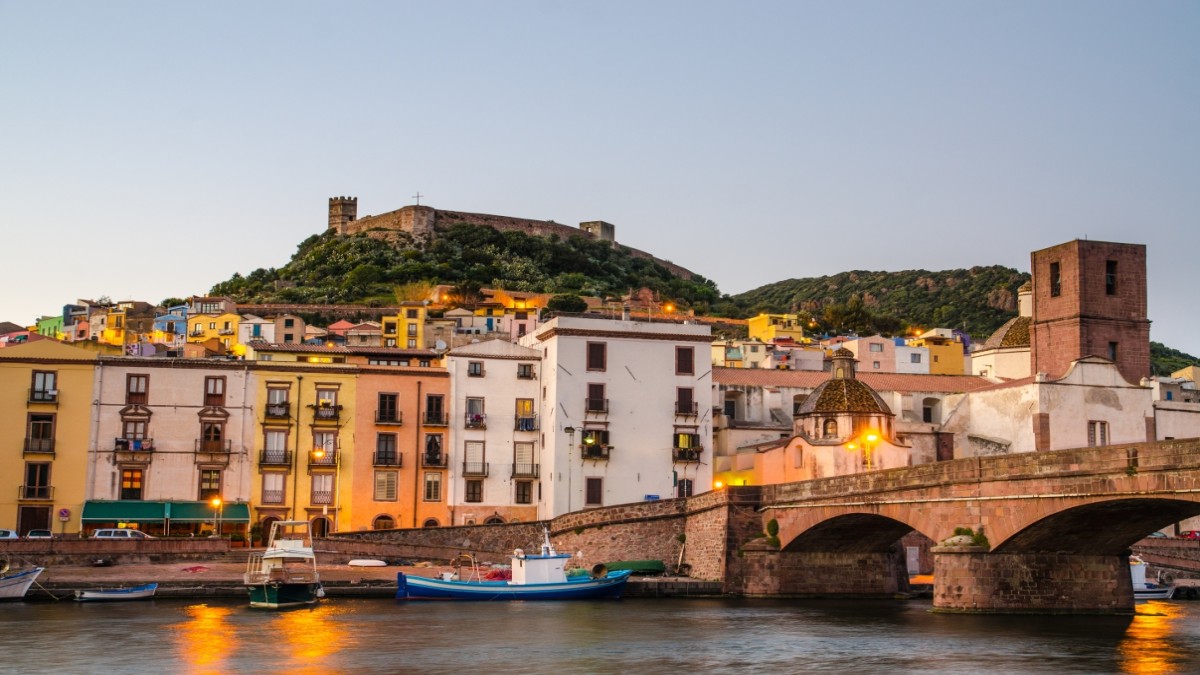
The official tourism website in Italy, Italia.it, points out that one way to get to know Tuscany better is to take a look at the region’s goldsmithing tradition. From Florence and Arezzo to a number of smaller towns, visitors have an opportunity to see Etruscan antiques, visit jewellery shops and, as they learn about the techniques that have been propagated by the local craftsmen.
A Tradition Shaped by Art and History
Beyond its Renaissance architecture, celebrated museums and countryside, Tuscany preserves a craft that connects ancient metalworking with contemporary design. Goldsmithing offers a different perspective on the region, bringing together archaeological collections, working studios and established jewellery districts. Florence and Arezzo remain its principal centres, while nearby towns maintain their own specialist traditions.
Advertisement
Advertisement
Italia.it presents this heritage as an expression of the country’s creative identity. Exploring it gives visitors a chance to understand how precious metals become intricate ornaments. Jewellery becomes more than something to buy: its patterns, materials and production methods offer insights into artistic influences and skills passed between generations.
Goldsmiths on Florence’s Ponte Vecchio
Florence’s Ponte Vecchio provides a familiar starting point. Goldsmiths and jewellers line the historic bridge, displaying rings, silver accessories, gemstones and handmade ornaments. Browsing the shopfronts allows visitors to appreciate different styles while exploring one of the city’s most recognisable landmarks. Some establishments also have street-facing workshops that offer glimpses of the production process.
Advertisement
Advertisement
The bridge’s association with precious metals dates to 1593, when Grand Duke Ferdinando I ordered its existing merchants to make way for goldsmiths and silversmiths. This commercial tradition continues today. Visitors can explore the bridge without buying anything, combining an introduction to the craft with views across the River Arno.
Arezzo’s Long Association With Gold
Often described as the “city of gold”, Arezzo combines a longstanding craft tradition with contemporary jewellery production. Its connection with precious metals extends across the surrounding area, where specialist knowledge has passed through generations of artisans.
Advertisement
Advertisement
The National Archaeological Museum Gaio Cilnio Mecenate provides historical context for this heritage. Situated beside the remains of a Roman amphitheatre, it preserves objects associated with the area’s ancient civilisations. Its Etruscan and Roman artefacts help visitors understand the cultural background to local decorative arts. A stop here adds depth to an itinerary focused on workshops and jewellery shops, placing present-day craftsmanship within a much longer history.
Etruscan Techniques and Museum Collections
The roots of this tradition reach back to the Etruscans, whose intricate metalwork demonstrates considerable technical skill. One distinctive method, granulation, involves arranging tiny grains of precious metal on a surface to form decorative patterns. Archaeological collections in Arezzo and the Museum of the Etruscan Academy in Cortona offer opportunities to explore this ancient legacy.
Advertisement
Advertisement
Other techniques associated with the craft include engraving, Florentine openwork, lost-wax casting, stone-setting and embossing. Each demands precision and specialist knowledge. Learning about these processes helps visitors appreciate details that might otherwise be overlooked, from the construction of an ornament to the treatment of its surface.
Exploring Workshops and Smaller Towns
Sansepolcro, Cortona, Pieve Santo Stefano and Anghiari are among the smaller destinations highlighted by Italia.it. Their connections with goldsmithing provide further reasons to explore beyond the main cities. Historic streets and local artisan traditions can complement museum visits in Florence and Arezzo.
Where access is available, a working studio can introduce visitors to different stages of jewellery production. Individual arrangements may include demonstrations or opportunities to discuss techniques with the people practising them. Contact workshops before visiting to ask about appointments, public access and any charges. The official tourism information does not establish a universal guided-tour programme, standard admission fee or guaranteed demonstration schedule.
Museum Tickets and Visitor Information
Several attractions can be included in a route focused on the region’s decorative arts. Museum passes may also suit visitors planning to explore a wider selection of collections.
Advertisement
Advertisement
The listed admission options are:
- Ponte Vecchio, Florence: No general admission ticket is required to walk across the bridge and browse its jewellery shops.
- National Archaeological Museum, Arezzo: Standard admission costs €6, with a €2 reduced ticket for eligible visitors. Online purchases carry an additional €3 booking charge, bringing a standard advance ticket to €9.
- Palazzo Pitti, Florence: Regular admission costs €16 on the day or €19 when purchased in advance.
- Arezzo Museum Pass A: The online price is €20 for four museums. The pass is valid for 72 consecutive hours, subject to its stated entry conditions.
Visitors considering Palazzo Pitti should check access to the collection they want to see. The Treasury of the Grand Dukes, which houses historic decorative collections, was listed as temporarily closed for maintenance from 3 February 2026. Confirm its reopening status before planning a visit specifically around it.
Contemporary Design and Industrial Heritage
Arezzo’s connection with gold extends beyond archaeological displays and traditional workshops. The city hosts OroArezzo, an annual international jewellery industry event focused on production, craftsmanship and technological innovation. Its presence reflects the area’s continuing role in the precious-metal and design sectors.
The UNOAERRE company museum, associated with Gori & Zucchi, offers another perspective on this development. Its collections trace approximately 75 years of jewellery production and include material related to industrial archaeology. For those interested in modern design, the museum provides an opportunity to consider how manufacturing processes have developed alongside established craft skills. It adds an industrial dimension to the region’s broader artistic history.
Planning a Route Through the Region
Florence, Arezzo and Cortona offer complementary experiences for a jewellery-themed trip. Florence combines the atmosphere of Ponte Vecchio with historic shopping streets and Renaissance architecture. Arezzo brings together archaeological collections and a continuing production tradition. Cortona adds further opportunities to explore Etruscan heritage.
Smaller towns can extend the journey, particularly for visitors interested in artisan communities and historic surroundings. Workshop visits should be arranged individually, with enough flexibility to accommodate opening hours and appointment requirements. A balanced itinerary can combine museums, independent browsing and wider sightseeing. Buying jewellery remains optional. Much of the appeal lies in understanding how objects are made and how their designs relate to the places that produced them.
Advertisement
Advertisement
A Different Perspective on Tuscan Culture
Goldsmithing offers a connection between the region’s ancient history and its living creative traditions. Historic bridges, archaeological collections and artisan workshops reveal different parts of that story. For visitors seeking more context behind the objects displayed in shop windows, this approach brings art, history and shopping into the same journey. It also encourages closer attention to the skill involved, turning a familiar sightseeing route into a more informed exploration of local culture.
Conclusion
Tuscany’s goldsmithing heritage offers a rewarding way to explore the region through its art, history and living traditions. From the jewellery shops of Ponte Vecchio to archaeological collections in Arezzo and Cortona, each stop reveals a different part of the craft’s development. Smaller towns add opportunities to discover artisan skills, provided workshop visits are arranged in advance. Travellers can combine these experiences with wider sightseeing, without needing to purchase jewellery. Checking museum access, ticket prices and opening arrangements helps create a smoother itinerary. Together, these places encourage a deeper appreciation of the people, techniques and creativity behind the region’s craftsmanship.
Advertisement
