
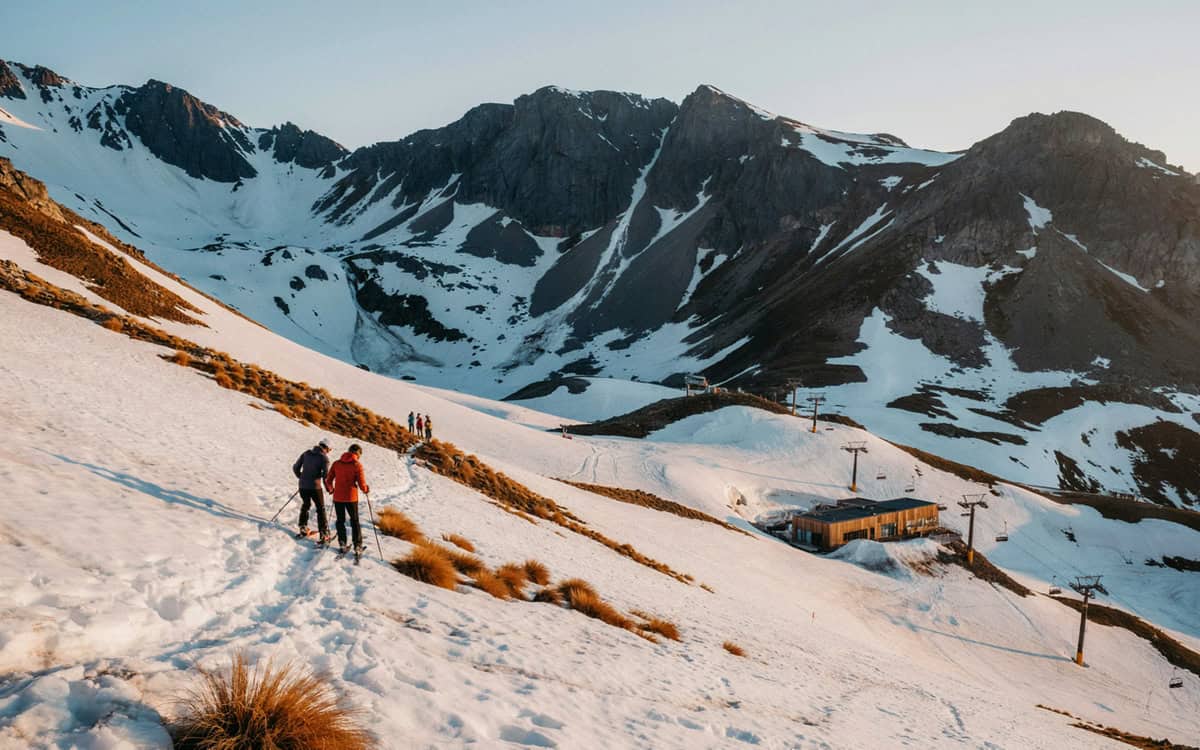
Image generated with Ai
Australia’s snow tourism faces a turning point as record temperatures reshape snowfall, seasons and winter travel experiences.
Australia’s alpine tourism industry faces a turning point as record warmth, dwindling snow reliability and shortened winter seasons change the outlook for snow travel. The 2026 winter season has created challenges for ski resorts across the country, with unusually high temperatures, limited natural snowfall and early resort closures raising new questions about the future of Australia’s snow destinations.
The impact is being felt across the entire alpine tourism ecosystem. Ski resorts, mountain communities, accommodation providers, hospitality businesses, retailers, transport operators and winter sports organisations are all facing increasing pressure as traditional snow conditions become less predictable.
The changing environment is forcing Australia’s snow industry to rethink how it operates, with greater investment in adaptation, snow making technology and year-round tourism experiences becoming increasingly important.
Advertisement
The 2026 winter season has become another difficult chapter for Australia’s alpine tourism industry as warmer conditions reduced snow availability across major mountain regions.
Across the Australian Alps, the season was marked by unusually high temperatures, fewer prolonged cold periods and limited natural snowfall. Instead of producing deep and lasting snow cover, many weather systems brought rainfall to mountain areas where snow would normally dominate during winter.
This shift created difficult conditions for ski operators that depend on reliable snowfall to maintain slopes, operate lifts and attract visitors.
The lack of consistent natural snow shortened the effective winter season in several locations. Resorts increasingly depended on artificial snow production to maintain suitable skiing conditions and provide visitors with winter experiences.
Advertisement
Advertisement
The changing conditions also created uncertainty for travellers planning snow holidays. Visitors now face greater challenges when choosing destinations, booking accommodation and planning ski trips because snow reliability can vary significantly from one season to another.
Several Australian alpine resorts experienced significant operational challenges during the 2026 season because of poor snow coverage and warmer weather.
Mt Baw Baw Alpine Resort in Victoria and Selena Snow Resort in New South Wales ended their winter operations in late August as difficult conditions affected their ability to continue normal activities.
Selena closed earlier than expected after warmer temperatures and rainfall reduced snow coverage. The shortened season highlighted the vulnerability of smaller alpine resorts, particularly those located at lower elevations where rising temperatures have a faster impact on snow conditions.
Meanwhile, larger New South Wales resorts, including Thredbo and Perisher, continued operating but also faced the wider industry challenge of managing unpredictable weather patterns.
For regional communities, shorter snow seasons create major economic concerns. Many businesses depend heavily on winter visitors, including hotels, restaurants, ski equipment providers, cafes, tour operators and local retailers.
When snow seasons become shorter, these businesses have fewer opportunities to generate revenue and support local employment.
The challenges experienced during 2026 are part of a broader long-term change affecting Australia’s alpine environment.
Historical research into Australian snow conditions has shown that snow cover across the Australian Alps has declined significantly over recent decades. Studies have also indicated that ski seasons at many resorts have already become shorter compared with previous generations.
The decline is connected to rising temperatures, changing rainfall patterns and fewer periods of extreme cold needed to create and maintain natural snow.
Warmer winters mean that more precipitation falls as rain instead of snow. Existing snow also melts faster when temperatures rise, reducing the duration of snow coverage.
Climate projections suggest that continued warming could further reduce the length of Australia’s ski seasons in the coming decades.
The consequences extend far beyond skiing. Alpine tourism supports regional economies, creates seasonal employment and attracts domestic and international visitors who travel to experience Australia’s mountain landscapes.
The changing alpine environment is also affecting Australia’s wider winter sports sector.
Reliable snow conditions are essential for athlete training, competitions and the development of future winter sports talent. Shorter domestic seasons mean athletes have fewer opportunities to train locally and may need to seek alternative locations.
Resorts also face difficulties hosting major events and maintaining winter sports facilities when snow conditions become uncertain.
The impact reaches recreational visitors as well. Families, tourists and adventure travellers who traditionally visit Australian snow regions are increasingly experiencing shorter and less predictable seasons.
This situation is encouraging resorts to expand beyond traditional skiing and snowboarding. Many alpine destinations are developing new experiences, including hiking, mountain adventures, nature tourism and summer activities to attract visitors throughout the year.
A stronger year-round tourism model could help communities reduce their dependence on winter snowfall alone.
Snow making technology has become one of the most important tools helping Australian ski resorts adapt to changing conditions.
Artificial snow systems allow resorts to maintain ski trails, extend operating periods and create more reliable visitor experiences when natural snowfall is limited.
However, snow making also depends on suitable temperatures. During particularly warm periods, even advanced systems face limitations because cold conditions are required for efficient snow production.
The 2026 winter season highlighted the growing importance of these technologies as resorts worked to protect their operations during challenging weather conditions.
Climate patterns also influenced the season. Warmer and drier conditions affected parts of southern Australia, while an El Niño climate pattern contributed to challenging winter conditions in eastern regions.
However, short-term climate patterns and long-term climate change are different factors. El Niño can influence individual seasons, but the broader decline in snow reliability is connected to ongoing warming trends.
Australia’s alpine regions cover more than 1.6 million hectares across Victoria, New South Wales and the Australian Capital Territory. These areas hold major environmental, cultural, recreational and tourism importance.
The future of Australia’s snow tourism industry will depend on how effectively resorts, businesses and communities adapt to changing conditions.
Investment in snow making, improved infrastructure, sustainable operations and tourism diversification will play a major role in protecting the industry.
Many alpine destinations are already exploring ways to attract visitors beyond the traditional winter season. Year-round activities such as hiking, cycling, wildlife experiences and outdoor recreation are becoming increasingly important parts of the tourism strategy.
The 2026 winter season has highlighted a major turning point for Australia’s snow industry. Warmer temperatures and reduced snow reliability are changing how people experience winter travel across the country.
Australia’s snow tourism is facing a powerful turning point as record temperatures disrupt snowfall patterns, shorten ski seasons and force winter destinations to transform their travel strategies. Rising climate pressures are reshaping how visitors experience Australia’s alpine regions, driving innovation beyond traditional snow-based tourism.
While Australia’s alpine destinations remain popular and valuable tourism assets, the future will depend on innovation, adaptation and the ability to respond to a changing climate environment.
Advertisement
Tags: Alpine travel, Australia snow tourism, Climate Change Impact, Ski season transformation, Winter tourism Australia
Advertisement
Advertisement













Saturday, September 5, 2026

Friday, September 4, 2026

Saturday, September 5, 2026

Saturday, September 5, 2026

Thursday, September 3, 2026

Wednesday, September 2, 2026

Saturday, September 5, 2026

Saturday, September 5, 2026


