 Somudranil Sarkar Somudranil Sarkar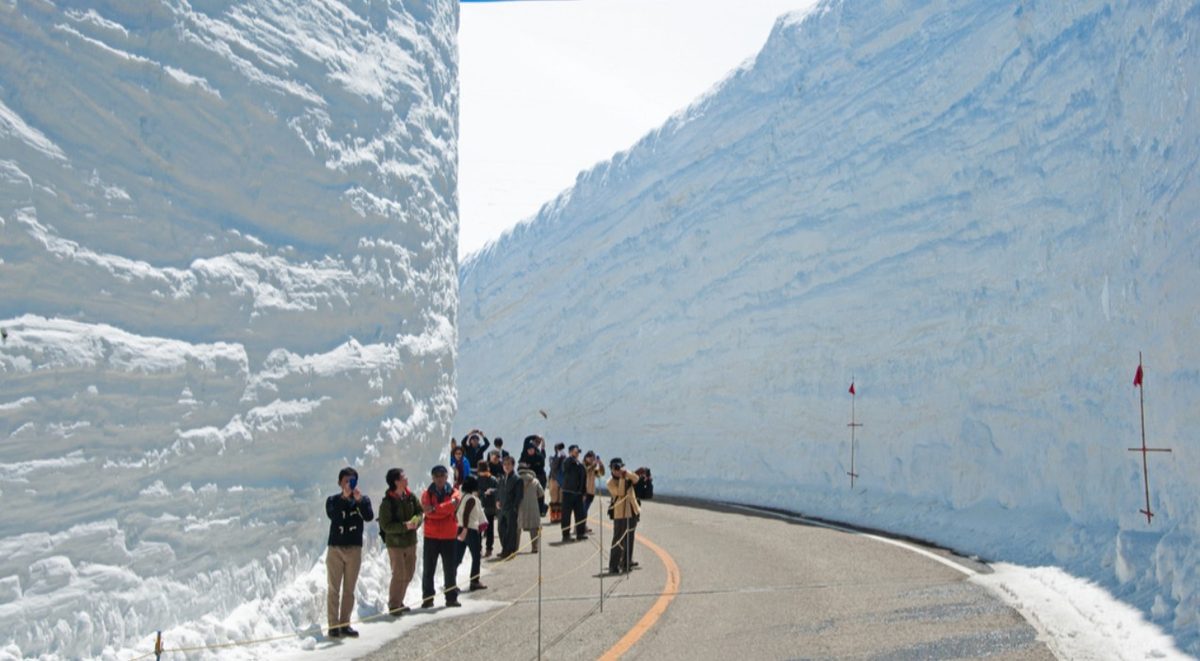
The unprecedented expansion of Japan winter hospitality tourism is reshaping the national economic landscape as we progress through 2026. Following a historic year that recorded 42.7 million international visitors and an extraordinary 9.5 trillion yen in tourist spending, the focus has firmly shifted towards premium seasonal travel. Hokkaido and Nagano stand at the forefront of this revolution, driving inbound growth that consistently tops regional forecasts. As the Ministry of Land Infrastructure Transport and Tourism implements new strategies to accommodate demand while actively curbing overtourism, understanding the complex dynamics of this booming sector remains absolutely crucial for investors and global travellers.
The overarching narrative of Japan’s tourism industry has been one of extraordinary resilience and calculated reinvention. Following unprecedented disruptions in the early part of the decade, the nation has methodically rebuilt its inbound travel framework. In the context of late 2026, Japan winter hospitality tourism stands out as the undisputed crown jewel of this national recovery strategy. Historically, Japan’s winter regions were heavily reliant on domestic travellers and a niche demographic of international snow sports enthusiasts. However, coordinated, high-budget international campaigns by the Japan National Tourism Organization (JNTO) have successfully repositioned these snow-covered prefectures as holistic, luxury winter lifestyle destinations. This strategic pivot has drawn a significantly more diverse global demographic, seamlessly blending extreme sports enthusiasts with cultural tourists seeking therapeutic hot springs, traditional ryokans, and gourmet regional cuisine. By August 2026, the structural changes implemented over the previous three years have solidified a robust, year-round tourism economy, with the winter months driving disproportionately high financial yields per individual visitor.
Advertisement
At the absolute core of this winter resurgence is the global meteorological phenomenon known colloquially as ‘Japow’ – the exceptionally dry, light powder snow produced by cold Siberian fronts moving aggressively across the Sea of Japan. This unique geographical blessing has made mountainous regions like Hokkaido and Nagano internationally renowned and highly coveted by winter sports purists. Yet, the contemporary appeal of Japan winter hospitality tourism extends far beyond the physical slopes. The seamless integration of world-class skiing infrastructure with authentic Japanese hospitality, known universally as omotenashi, creates an unparalleled value proposition for international tourists. Visitors originating from Australia, North America, and increasingly affluent Southeast Asian nations are drawn to the unique juxtaposition of high-adrenaline alpine sports and serene cultural immersion. The 2025 and 2026 seasons have witnessed a fundamental paradigm shift where international visitors are actively extending their stays, upgrading their accommodation classes, and spending significantly more capital on off-slope experiences, effectively transforming previously isolated ski villages into bustling, highly cosmopolitan winter hubs.
Hokkaido continues to effortlessly dominate the northern frontier of Japan winter hospitality tourism, demonstrating phenomenal economic momentum that continues to surpass official projections. The latest verified industry data from mid-2026 reveals that the prefecture’s hospitality sector is experiencing surging, unyielding demand, fundamentally altering its pricing power and long-term revenue models. According to comprehensive market analyses, Average Daily Rates (ADR) in Hokkaido accommodations are projected to reach an impressive JPY 37,300, marking a robust 9.6% year-on-year increase. This exceptional, sustained growth is certainly not accidental; it is the direct result of coordinated public-private investments in premium resort infrastructure, vastly enhanced airport connectivity at New Chitose Airport, and aggressive, targeted international marketing. The relentless influx of high-net-worth travellers has spurred the rapid development of ultra-luxury alpine lodges and premium serviced apartments, catering specifically to long-stay guests and affluent digital nomads. Niseko, Furano, and Rusutsu remain the undisputed epicentres of this economic boom, with local municipal authorities working diligently to ensure that the rapid commercial expansion does not irreversibly compromise the pristine natural environment that serves as the region’s primary global draw.
Advertisement
Advertisement
Further south on the main island, Nagano is currently experiencing a profound alpine renaissance, firmly cementing its status as a foundational pillar of Japan winter hospitality tourism. Historically celebrated globally as the proud host of the 1998 Winter Olympics, Nagano has strategically leveraged its world-class legacy infrastructure while injecting modern luxury and sophisticated amenities into its contemporary hospitality offerings. The prefecture is heavily favoured by independent Western travellers, a demographic trend leading to lucrative secondary demand peaks even outside the core winter months, particularly during the fresh-greenery season. Renowned areas such as Hakuba Valley and Shiga Kogen are witnessing substantial foreign direct investment, resulting in the meticulous refurbishment of legacy hotels into boutique, high-end alpine accommodations. Nagano’s strategic geographical advantage lies in its seamless accessibility from Tokyo via the high-speed Hokuriku Shinkansen, allowing international tourists to effortlessly combine a metropolitan city break with a premier alpine experience. Furthermore, local government initiatives have focused heavily on actively promoting sustainable tourism practices, ensuring that the vast economic windfall from increased visitor numbers is equitably distributed across the broader prefectural economy, thus revitalising rural communities that were previously facing severe demographic decline.
The national Japanese government has acutely recognised the critical economic importance of inbound travel, leading to decisive, forward-looking policy implementations. The Ministry of Land, Infrastructure, Transport and Tourism (MLIT) officially released its highly anticipated comprehensive Japan Tourism White Paper in July 2026, which formally reported record-breaking travel spending and boldly outlined strategic directives for the coming years. A central, non-negotiable pillar of these new national policies is the deliberate decentralisation of tourist traffic. To immediately alleviate pressure on traditional, congested hotspots like Kyoto and Tokyo, the government is actively incentivising travel to regional areas, thereby providing a massive economic tailwind for Japan winter hospitality tourism in snowy prefectures like Nagano, Niigata, and Hokkaido. These official directives include highly targeted subsidies for regional airports to efficiently handle direct international flights, substantial financial grants for rural accommodations to rapidly upgrade multi-lingual services, and comprehensive, state-sponsored marketing campaigns that highlight off-the-beaten-path winter destinations to the global market.
Looking toward the horizon, the Japanese government remains resolutely steadfast in its ambitious, long-term tourism objectives. The official, publicly stated targets mandate reaching a staggering 60 million international visitors and generating ¥15 trillion in total visitor spending by the year 2030. Japan winter hospitality tourism is explicitly identified by national planners as a vital, high-octane engine for achieving these specific benchmarks, given its remarkably high per-capita spending metrics. The overarching national strategy emphasises a critical transition from a volume-based tourism model to a value-based model. In practice, this means actively attracting affluent travellers who stay significantly longer, spend substantially more on local artisanal goods, and deeply respect the cultural nuances of their rural host communities. Consequently, relevant government bodies are actively facilitating the development of integrated luxury resorts and systematically easing visa restrictions for key emerging demographic markets. By intentionally fostering a high-yield winter tourism ecosystem, Japan aims to rapidly secure a sustainable, highly lucrative revenue stream that significantly bolsters the national GDP while fiercely maintaining the integrity of its regional environmental assets.
The statistical landscape of Japan’s inbound tourism sector is nothing short of historic and globally unprecedented. In 2025, Japan utterly shattered all previous historical records by welcoming an astonishing 42.7 million international visitors. This monumental figure represents a massive 15.8% increase over the previous high established in 2024 and completely eclipses the pre-pandemic 2019 baseline of 31.9 million. According to official data, South Korea proudly led the influx with 9.5 million visitors, followed closely by a robustly rebounding Chinese market, Taiwan, and a rapidly surging United States demographic that grew by 21.4%. Crucially, the winter months contributed disproportionately to these staggering overall figures, as international tourists flocked en masse to experience authentic Japanese winter landscapes and world-class winter sports. This massive, sustained volume of inbound traffic has provided an incredibly solid foundational base load for Japan winter hospitality tourism, ensuring consistently high occupancy rates across all major snow resorts and entirely validating the massive capital investments made by the private sector in recent years.
Operating parallel to the record visitor numbers is an equally impressive, economy-altering financial milestone. Total visitor spending in 2025 reached an all-time, unprecedented high of ¥9.5 trillion, a staggering figure that was subsequently corroborated and celebrated by the MLIT’s official 2026 Tourism White Paper. This unprecedented injection of foreign capital has had a profoundly transformative effect on the broader domestic economy. Within the specific realm of Japan winter hospitality tourism, this immense spending is heavily concentrated in premium accommodation, specialized alpine equipment rentals, exclusive dining experiences, and high-end guided experiential tours. The economic multiplier effect in heavily trafficked regions like Hokkaido and Nagano is profound, with tourist yen rapidly circulating through local supply chains, thereby directly supporting agricultural producers, regional transport operators, and independent retail sectors. The official data clearly and definitively indicates a massive shift towards experiential luxury; modern tourists are increasingly willing to pay a premium for exclusive, high-quality services, which perfectly and directly supports the government’s overarching strategy of elevating the overall financial yield per international visitor.
The broader hospitality market in Japan is currently riding a trajectory of sustained, highly robust economic expansion. Independent, verified market analyses confidently project the Japan Hospitality market size to grow from USD 47.39 billion in 2025 to USD 49.34 billion by the end of 2026. Looking further ahead into the decade, the market is aggressively forecast to reach a staggering USD 60.35 billion by 2031, representing a highly attractive Compound Annual Growth Rate (CAGR) of 4.12%. Within this highly favourable macro environment, Japan winter hospitality tourism is widely recognised as a distinct, high-performing outperformer. Mid and upper-mid-scale properties successfully command a significant share of the market, officially accounting for 38.87% of the total sector in 2025. Furthermore, highly flexible alternative accommodation models such as service apartments are actively projected to grow at an accelerated 6.95% CAGR through 2031, a trend driven precisely by the specific long-stay demands of international winter sports enthusiasts and wealthy remote workers drawn to Japan’s pristine northern prefectures.
As international visitor numbers continue to surge unabated, the complex spectre of overtourism has swiftly become a central, unavoidable concern for national policymakers and local rural communities alike. The unprecedented, sheer volume of foreign tourists has undeniably led to severe logistical bottlenecks and environmental strains in some of Japan’s most popular, historically quiet destinations. In direct response, proactive regional authorities in Hokkaido and Nagano are pioneering aggressive, innovative measures to safeguard their vulnerable communities and delicate natural ecosystems. These official measures include implementing strict, uncompromising zoning laws for new hotel developments, introducing highly dynamic pricing models for ski lift passes to effectively regulate daily slope density, and heavily enhancing public transportation networks to drastically reduce reliance on polluting private vehicles. For Japan winter hospitality tourism to remain economically and environmentally viable in the long term, achieving a harmonious, sustainable balance between economic extraction and environmental preservation is absolutely paramount. The national government is actively, financially promoting the rapid dispersal of tourists to lesser-known, equally beautiful ski resorts in Tohoku and Niigata to immediately alleviate the intense, unsustainable pressure on saturated markets like Niseko and Hakuba.
To successfully facilitate this highly strategic dispersal of tourists, massive, multi-billion-yen investments in national infrastructure are currently underway across the archipelago. The Japanese government astutely recognises that seamless, high-speed connectivity is the absolute lifeblood of Japan winter hospitality tourism. Consequently, there are continuous, massive ongoing upgrades to the famed Shinkansen (bullet train) networks and regional airport facilities, specifically engineered to handle vastly increased passenger volumes and accommodate international wide-body aircraft. Furthermore, there is a concerted, well-funded national push to drastically improve ‘last-mile’ connectivity—ensuring that weary tourists can easily, comfortably transit from major transport hubs directly to remote, mountainous ski resorts. This ambitious initiative involves rapidly expanding rural bus networks, fully integrating modern digital ticketing systems with international payment gateways, and heavily subsidising and promoting hands-free travel services where heavy winter luggage is forwarded directly to hotels. These critical infrastructure enhancements not only vastly improve the overall visitor experience but also successfully integrate previously isolated rural communities into the highly lucrative global tourism economy.
Despite the phenomenally booming demand, the Japanese hospitality sector faces a critical, systemic, and well-documented challenge: a severe national labour shortage that is heavily exacerbated by a rapidly declining domestic population. To successfully maintain the legendary, high standards of omotenashi that globally define Japan winter hospitality tourism, savvy operators are rapidly and aggressively adopting cutting-edge technological solutions. Across luxury properties in Hokkaido and Nagano, forward-thinking hotels are deploying autonomous service robots for room cleaning and luggage delivery, implementing fully automated, multi-lingual self-check-in kiosks, and utilising sophisticated AI-driven property management systems to meticulously optimise human staff allocation. While some well-capitalised premium operators are actively raising wages to secure highly skilled, bilingual human staff, the broader, undeniable industry trend is heavily skewed towards rapid automation to successfully bridge the gaping labour gap. This necessary technological pivot ensures that the industry can continue to rapidly scale and reliably meet the burgeoning international demand without ever compromising operational efficiency or degrading the premium guest experience.
The core demographic profile of the inbound winter tourist is rapidly evolving, and the domestic accommodation sector is pivoting sharply and decisively to meet these incredibly high new expectations. There is a highly distinct, accelerated shift towards ultra-luxury accommodations and premium, self-contained service apartments, which are officially forecast by analysts to be the fastest-growing accommodation class with an impressive 6.95% CAGR. Affluent, discerning travellers actively partaking in Japan winter hospitality tourism are increasingly demanding expansive, fully self-contained living spaces that offer the bespoke amenities of a five-star hotel seamlessly combined with the absolute privacy of a private residence. This specific trend is highly, visibly apparent in Niseko, where massive international developers are constructing sprawling, ultra-luxury branded residences. These massive developments cater not only to short-term holidaymakers but also to wealthy expatriates and digital nomads who are increasingly choosing to spend entire, uninterrupted winter seasons in Japan, thereby providing a highly stable, exceptionally high-yield revenue stream for local operators regardless of short-term tourist fluctuations.
A comprehensive macroeconomic analysis of Japan’s current tourism boom simply cannot ignore the profound, undeniable impact of national currency valuation. Throughout 2025 and progressing well into 2026, the Japanese yen has remained historically and consistently weak, hovering reliably around the ¥150 mark relative to the US dollar. This highly favourable exchange rate dynamic has fundamentally and globally repositioned Japan as a highly competitive, relatively inexpensive luxury destination for international travellers, particularly those arriving from North America, Europe, and Australia. The persistent weak yen effectively acts as a massive, across-the-board discount on everything from premium ski lift passes to ultra-luxury ryokan stays, dramatically supercharging the global appeal of Japan winter hospitality tourism. While domestic Japanese consumers undeniably face inflationary pressures on imported everyday goods, the inbound tourism sector is happily reaping absolutely unprecedented foreign exchange earnings. This massive, sustained influx of foreign capital serves as a vital, much-needed counterweight for the Japanese economy, heavily stimulating domestic consumption and rapidly driving employment in regional areas that desperately need urgent economic revitalisation.
The highly lucrative combination of surging international tourist numbers, a historically weak yen, and a globally renowned, premium winter product has made Japanese hospitality real estate incredibly attractive to massive international institutional investors. Global private equity firms, massive sovereign wealth funds, and international luxury hotel conglomerates are aggressively acquiring, developing, and expanding assets across Hokkaido and Nagano. This massive wave of Foreign Direct Investment (FDI) is rapidly upgrading the physical, foundational infrastructure of Japan winter hospitality tourism, decisively introducing global hospitality standards, and seamlessly integrating rural Japanese resorts into massive international loyalty programs. However, this massive, unprecedented influx of foreign capital also inevitably raises highly complex, sensitive regulatory questions regarding local land ownership, strict environmental compliance, and the critical preservation of local community character. The Japanese government is currently navigating a highly delicate, nuanced balancing act—actively encouraging necessary foreign investment to drive economic growth while simultaneously implementing strict legal safeguards to ensure that the ultimate financial benefits of this massive tourism boom are securely retained within the domestic economy.
The explosive, unprecedented economic growth of Japan winter hospitality tourism is fundamentally and positively reshaping the socio-economic fabric of Japan’s rural snow country (yukiguni). Historically plagued for decades by severe youth out-migration and a rapidly ageing demographic, mountainous regions in Hokkaido, Nagano, and Tohoku are now thankfully experiencing a vibrant revitalisation entirely driven by the booming tourism economy. The massive influx of tourist capital is directly supporting vital local businesses, ranging from small, family-owned izakayas and independent ski rental shops to regional craft breweries and artisanal food producers. Furthermore, the booming sector is creating incredibly diverse, well-paying employment opportunities, successfully attracting young, educated Japanese professionals back to rural areas to work in high-level hospitality management, digital marketing, and outdoor recreation. This critical demographic shift is absolutely crucial for the long-term survival of these regional communities, providing a highly sustainable, robust economic foundation that empowers local residents and actively preserves the vibrancy of rural Japanese towns.
Moving well beyond the immediate, highly impressive economic metrics, Japan winter hospitality tourism actively facilitates a profound, mutually beneficial cultural exchange. As international tourists increasingly venture beyond the primary, groomed ski slopes to explore local villages, traditional hot springs (onsens), and highly historical sites, they engage directly and respectfully with authentic Japanese heritage. This massive global interest provides a highly powerful, direct economic incentive for the meticulous preservation of traditional wooden architecture, regional culinary techniques, and highly local festivals that might otherwise be tragically lost to rapid modernisation. However, this intense cultural interaction must be incredibly carefully managed by authorities to prevent the cheap commodification of highly respected local heritage. Official tourism boards are increasingly, heavily focusing on comprehensive educational campaigns, actively teaching international visitors about proper, respectful onsen etiquette, local customs, and absolute environmental respect. By proactively fostering a climate of mutual respect and deep cultural appreciation, Japan ensures that its winter tourism boom genuinely enriches both the visiting traveller and the generous host community.
While the global media spotlight remains firmly fixed on the explosive, headline-grabbing growth of Japan winter hospitality tourism, it is absolutely essential to thoroughly contextualise this within Japan’s broader, highly resilient seasonal tourism calendar. Unlike many competing global destinations that suffer from severe, debilitating off-season economic droughts, Japan’s sophisticated hospitality sector benefits immensely from massive, reliable demand peaks across all four distinct seasons. The highly seamless transition from the incredibly popular autumn foliage (momiji) season directly into the highly lucrative winter sports season ensures that regional hotel occupancy rates and local employment remain impressively stable year-round. This massive structural advantage heavily reduces the financial risk for major developers and institutional investors, making the costly construction of high-end alpine resorts significantly more financially viable. When the winter snows finally melt, versatile regions like Hokkaido seamlessly and profitably pivot to actively promoting their mild summer climates, vast, blooming flower fields, and rigorous outdoor adventure sports, thereby perfectly maintaining a highly consistent revenue stream that strongly supports the massive capital investments required for world-class winter infrastructure.
Despite the overwhelming, justified optimism surrounding the market’s incredible USD 60.35 billion trajectory, the physical expansion of Japan winter hospitality tourism faces substantial, highly complex macroeconomic headwinds on the supply side. A critical, unavoidable factor currently restraining the rapid deployment of much-needed new hotel inventory is rampant, global construction-material inflation, which is heavily compounded by the notoriously stringent, extremely high-cost seismic-retrofit regulations required under strict Japanese building codes. These escalating, massive capital expenditure requirements are actively forcing major developers to entirely rethink their strategies, making massive greenfield developments significantly less attractive in the short term. Consequently, the Japanese market is currently witnessing a massive surge in highly strategic brownfield investments—where existing, slightly older properties in prime, highly coveted locations like Nagano and Niigata are rapidly acquired, entirely gutted, and comprehensively repositioned as ultra-luxury boutique hotels. This savvy financial strategy not only successfully mitigates the exorbitant costs of ground-up construction but also dramatically accelerates the critical speed to market, allowing eager investors to capitalise immediately on the current, highly profitable boom in international winter arrivals.
The highly complex distribution channels fundamentally fuelling the massive growth of Japan winter hospitality tourism have recently undergone a highly radical, total digital transformation. As of 2025, powerful Online Travel Agencies (OTAs) controlled a massive, unprecedented 42.59% of the total Japanese hospitality market share, heavily dictating exactly how international consumers discover, evaluate, and book their highly anticipated winter holidays. Massive global platforms have seamlessly, effectively integrated with local, independent Japanese inventory, completely breaking down traditional language and highly restrictive payment barriers that historically hindered lucrative inbound travel to deeply rural ski resorts. However, a highly significant, very profitable counter-trend is currently emerging: direct digital bookings through proprietary, beautifully designed hotel websites are advancing at a highly rapid 8.55% CAGR. Premium, forward-thinking operators in Hokkaido and Nagano are heavily, aggressively investing in highly sophisticated, multi-lingual digital marketing ecosystems to actively bypass hefty OTA commission fees, successfully capture highly valuable first-party consumer data, and deeply foster direct, long-lasting brand loyalty among high-net-worth international skiers.
The highly sophisticated marketing machinery continuously operating behind Japan winter hospitality tourism relies incredibly heavily on Japan’s immense, globally unrivalled soft power. The massive, undeniable worldwide popularity of Japanese culture, ranging effortlessly from universally adored anime and highly acclaimed cinema to absolute global culinary dominance, successfully creates a highly powerful, deeply foundational appeal that draws millions of eager fans globally to the country. Official tourism boards and highly savvy private operators actively, relentlessly leverage this massive soft power by highly strategic partnering with famous international influencers, massive ski film production companies, and highly influential global lifestyle media to perfectly broadcast the irresistible allure of ‘Japow’ to highly targeted, wealthy audiences. Furthermore, the highly strategic, visually stunning promotion of unique, incredibly photogenic cultural elements—such as iconic snow monkeys peacefully bathing in natural hot springs, pristine, brilliantly illuminated ice festivals in Sapporo, and incredibly intricate traditional winter kaiseki dining—reliably generates massive, viral, highly organic social media reach that expensive traditional advertising simply cannot ever replicate. This absolute, perfect synergy between cutting-edge digital distribution and incredibly compelling cultural narrative ensures that Japan easily remains at the absolute, undisputed zenith of global winter travel aspirations.
An often-overlooked yet utterly, absolutely vital component of Japan winter hospitality tourism is the snowy region’s genuinely extraordinary culinary output. Hokkaido, universally renowned as the absolute agricultural heartland of Japan, reliably produces some of the highest-quality, most highly sought-after dairy, fresh seafood, and organic produce anywhere in the world. During the freezing winter months, this massive agricultural bounty is miraculously transformed into highly sophisticated, world-class gastronomy that serves as a primary, irresistible draw for highly affluent international visitors. The seamless, highly successful integration of exclusive Michelin-starred dining experiences directly within luxury ski resorts has successfully elevated the overall financial yield per tourist incredibly significantly. Affluent travellers are simply no longer visiting Japan solely for the world-class snow; they are eagerly embarking on highly comprehensive culinary pilgrimages to savour incredible local delicacies such as extremely fresh Hakodate sea urchin, rich, warming Sapporo miso ramen, and incredibly premium Wagyu beef sourced directly from Nagano. This highly symbiotic, deeply profitable relationship between local agriculture and winter tourism ensures that the massive economic benefits of the inbound boom permeate deeply into the primary sector, heavily supporting local farmers and fishermen who might otherwise be entirely disconnected from the booming international tourism economy.
A highly critical, incredibly stubborn bottleneck in massively scaling Japan winter hospitality tourism has traditionally been the extreme, heavy reliance on Tokyo’s massive Haneda and Narita airports as the primary, congested international gateways. However, the absolute latest official developments clearly highlight a highly strategic, incredibly vital shift towards massively empowering regional aviation hubs. The sprawling New Chitose Airport in Hokkaido has recently seen massive, multi-million-dollar infrastructure upgrades to easily accommodate direct, highly lucrative long-haul flights from major international cities, happily bypassing Tokyo entirely. Similarly, massive, well-funded efforts are currently underway to drastically enhance the operational capacity and international customs facilities of regional airports located near Nagano and Niigata. By successfully establishing incredibly convenient, highly direct air bridges between key international source markets and Japan’s pristine winter prefectures, the government is dramatically, successfully reducing transit friction for weary tourists. This incredibly strategic move not only massively improves the overall visitor experience but is also an absolute cornerstone tactic in the massive, ongoing national battle against highly damaging overtourism in the capital, effectively and highly profitably funnelling lucrative international traffic directly to the beautiful regions that urgently need it most.
While current, highly researched forecasts for Japan winter hospitality tourism are overwhelmingly, historically positive, forward-looking resort operators and highly astute policymakers are acutely, increasingly aware of the massive existential threat posed by shifting global climate change. Highly unpredictable shifting weather patterns and the deeply worrying potential for severely truncated snow seasons absolutely demand immediate, highly strategic, incredibly well-funded adaptation. In direct, proactive response, industry-leading resorts in Hokkaido and Nagano are heavily, aggressively investing in absolutely state-of-the-art, highly energy-efficient snowmaking technology to absolutely guarantee pristine slope coverage during the increasingly vulnerable shoulder seasons. Furthermore, the highly adaptable industry is aggressively, successfully diversifying its highly lucrative winter product offerings. By rapidly developing robust, highly engaging indoor entertainment complexes, highly expansive wellness retreats deeply centred around naturally heated hot springs, and high-end, heavily curated retail districts, major resorts are absolutely ensuring that they remain highly attractive, highly profitable destinations even on days when weather conditions are highly suboptimal for traditional skiing. This incredibly robust, forward-thinking climate resilience strategy is absolutely, undeniably essential for successfully maintaining high investor confidence and perfectly securing the long-term, incredible viability of the massive, multi-billion-dollar winter tourism economy.
Official communications and public strategy documents from the Japan National Tourism Organization (JNTO) consistently and heavily underscore the massive strategic importance of the winter sector to the national economy. Through incredibly targeted, highly sophisticated international marketing campaigns, the JNTO heavily highlights the absolutely unparalleled quality of Japanese snow, the incredible safety of the country, and the immense, unquantifiable depth of its highly unique cultural offerings. The organization’s highly modern, data-driven approach involves closely, meticulously monitoring massive inbound metrics and rapidly adjusting highly expensive marketing strategies to perfectly target highly valuable, high-yield demographics across the globe. By perfectly aligning their massive promotional efforts with the MLIT’s broader, highly ambitious infrastructure and sustainability goals, the JNTO is incredibly instrumental in actively shaping the highly positive global narrative of Japan winter hospitality tourism. Their highly official, publicly stated stance confidently reflects a highly informed optimism—readily acknowledging the massive logistical challenges of incredibly rapid growth while enthusiastically celebrating the sector’s immense, undeniable contribution to the national economy and its incredibly vital role in successfully projecting Japanese soft power on the global stage.
As the booming industry eagerly looks ahead, the official trajectory of Japan winter hospitality tourism appears exceptionally, historically robust. The massive, undeniable momentum generated in the post-pandemic years, brilliantly culminating in the highly celebrated, record-breaking figures of 2025 and 2026, provides an incredibly strong, unshakeable foundation for massive future expansion. However, the highly complex path to the government’s massive 2030 target of 60 million visitors requires incredibly meticulous, highly coordinated national planning. The highly competitive industry must absolutely continue to innovate, heavily leveraging cutting-edge technology to successfully overcome massive labour shortages, while fiercely, uncompromisingly protecting the incredibly vital environmental assets—the pristine snow, the majestic mountains, and the ancient forests—that absolutely constitute the core, irreplaceable product. Sustainable, highly measured development, massive regional dispersal, and a relentless, highly focused dedication to high-yield, premium travel will be the absolutely defining characteristics of the highly anticipated next decade. Savvy policymakers and bold industry leaders must continuously work in perfect tandem to absolutely ensure that the national infrastructure scales perfectly appropriately and that incredibly vital local rural communities safely remain the primary, undisputed beneficiaries of this massive economic windfall.
Finally, the absolute long-term success and ultimate viability of Japan winter hospitality tourism will heavily depend on its highly agile ability to instantly adapt to rapidly shifting global demographics. While massive, highly traditional markets like Australia and North America remain absolutely foundational, there is immense, highly lucrative untapped potential in rapidly emerging economies across Southeast Asia and the Middle East, where newly affluent travellers are increasingly, eagerly seeking exotic, highly luxurious winter experiences. Furthermore, the rapid, undeniable rise of highly climate-conscious travel will absolutely necessitate a significantly greener, highly sustainable approach to resort management, ranging effortlessly from massive renewable energy integration in luxury hotels to highly sustainable, low-emission transport options. By smartly staying well ahead of these massive global trends, continuously, relentlessly refining its world-class luxury offerings, and perfectly maintaining the highly legendary standards of incredible Japanese hospitality, the proud nation is perfectly, unshakeably positioned to remain the absolutely undisputed winter tourism capital of Asia for decades to come, happily ensuring lasting, massive economic prosperity and incredible global cultural influence.
Advertisement
Tags: Hokkaido ski resorts, Japan tourism statistics 2026, Japan winter hospitality tourism, JAPOW, MLIT tourism white paper
Advertisement
Advertisement













Friday, September 4, 2026

Friday, September 4, 2026

Friday, September 4, 2026

Friday, September 4, 2026

Thursday, September 3, 2026

Wednesday, September 2, 2026
Friday, September 4, 2026

Friday, September 4, 2026


