
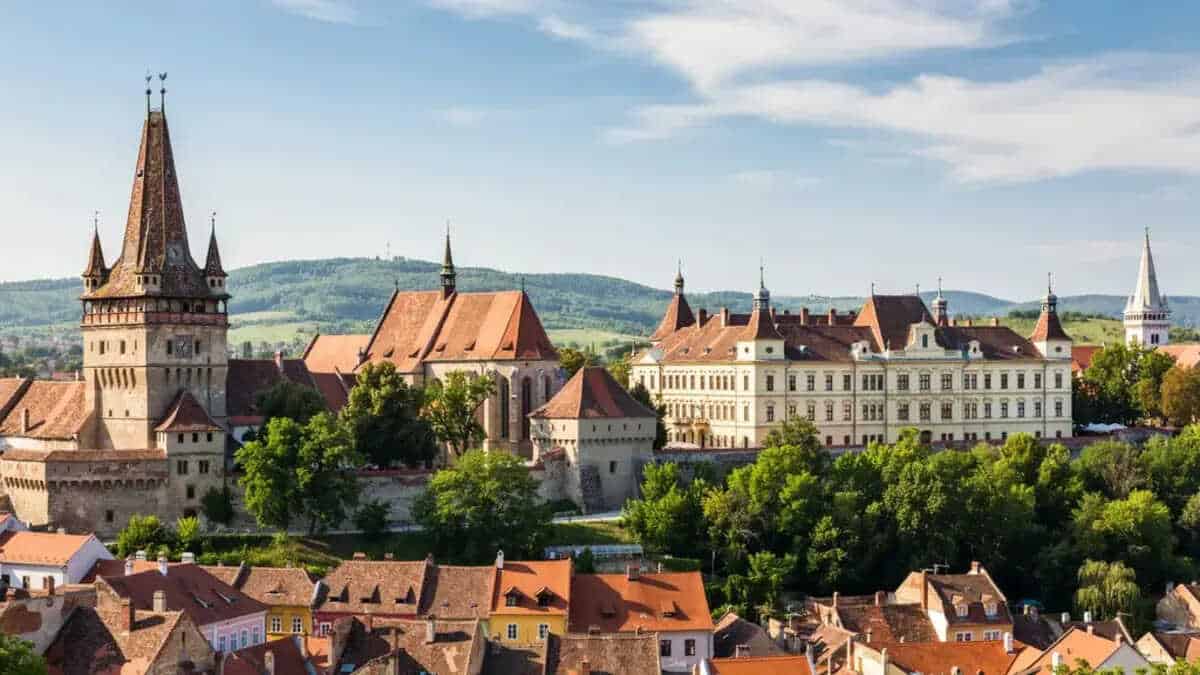
Image generated with Ai
Romania, together with six other EU countries, is calling on the EU to allocate specific support for tourism to offset the security risks posed by the conflict in Ukraine. The Romanian government, together with the governments of Bulgaria, Estonia, Latvia, Lithuania, Poland, and Slovakia, has called on the EU to specifically earmark funds in the next multiannual financial framework (which will finance the EU from 2021 to 2027) to compensate for the loss of tourism due to security issues on the borders.
The request has highlighted how tourism is being affected beyond traditional economic factors. Regions located near Russia, Belarus and Ukraine are experiencing declining visitor interest, weaker investment confidence and increasing uncertainty among tourism businesses. The countries believe that future EU tourism strategies must recognise the unique difficulties faced by destinations located close to conflict zones.
Advertisement
Tourism is highly dependent on traveller perception, and concerns about regional stability have created new challenges for hotels, tour operators, attractions and small businesses. The affected nations are seeking financial assistance to rebuild confidence, strengthen tourism resilience and support long-term recovery.
The appeal from the seven EU countries focuses on ensuring that tourism regions exposed to geopolitical pressures receive greater attention within upcoming European funding programmes. The countries argue that tourism businesses in these areas are facing difficulties that are different from challenges experienced by other European destinations.
Advertisement
The impact has been linked to fewer international visitors, lower business confidence and difficulties attracting investment. Seasonal tourism operators, which depend heavily on peak travel periods, have been particularly affected because reduced demand can influence their ability to operate throughout the year.
The countries involved in the tourism support appeal include:
The situation in Latvia has become a major example of how geopolitical concerns can influence tourism decisions. Eastern Latvia, particularly Latgale, has experienced increased uncertainty because of incidents involving unmanned aerial vehicles crossing into the country’s airspace.
Tourism businesses in the region have reported that security concerns can quickly influence travel behaviour. Hotel reservations, events and visitor plans may be cancelled when travellers perceive increased risks.
Advertisement
Advertisement
A regional survey among tourism and hospitality businesses showed that many operators experienced lower visitor numbers and reduced turnover compared with the previous year. Some businesses reported significant financial losses, highlighting the vulnerability of small tourism companies that depend on regular visitor demand.
The impact has also been connected to the loss of traditional visitor markets. Before the escalation of the war in Ukraine, Latvia benefited from travellers from neighbouring Russia and Belarus. However, changing border conditions and security considerations have significantly reduced this segment.
Latvia is now attempting to diversify its tourism markets by attracting visitors from countries such as Japan, Canada and the United States. The country is also exploring cruise tourism opportunities, although longer stays and higher visitor spending remain important priorities.
The European Commission is preparing a new strategy focused on creating a more competitive and sustainable tourism sector across the European Union. The strategy is expected to address major tourism challenges, including overcrowding, sustainability and cross-border mobility.
However, frontline countries want security-related impacts to become a recognised part of future tourism planning.
The seven nations believe tourism recovery in affected regions requires more than traditional promotion campaigns. They are calling for measures that can improve transport connectivity, strengthen business support, increase investment confidence and encourage international travellers to return.
The European Commission has confirmed that the request from the countries has been received and that challenges affecting tourism across Europe are being considered as part of preparations for the upcoming tourism strategy.
The challenges facing eastern EU tourism regions demonstrate how global events can directly influence travel decisions. Even destinations with cultural attractions, natural landscapes and established tourism infrastructure can experience pressure when safety perceptions change.
For Romania and the six other frontline countries, the priority is not only financial assistance but also rebuilding international confidence. Tourism growth depends on visitors feeling comfortable travelling, staying longer and spending locally.
Future recovery efforts are expected to focus on improving destination marketing, supporting tourism businesses and creating stronger connections between frontline regions and global travel markets.
Romania, plus six EU countries on the front line of the conflict, are calling for tourism support because of the security situation and the impact on tourism of the war in Ukraine. The appeal is about restoring confidence and ensuring the recovery of tourism in affected regions, including the EU’s external borders, for the benefit of tourism operators and destinations.
The call for support is an indication of the strong link between tourism and security, and the importance of stability for the tourism sector’s resilience and for wider economic recovery. As the EU prepares to develop a new tourism strategy, tourism stakeholders in these countries are calling for the specific needs of these EU destinations to be taken into account.
Advertisement
Advertisement
Advertisement













Saturday, September 5, 2026

Friday, September 4, 2026

Saturday, September 5, 2026
Saturday, September 5, 2026

Thursday, September 3, 2026

Wednesday, September 2, 2026

Saturday, September 5, 2026
Saturday, September 5, 2026


