

Nepal’s Travel Alert Issued as Jhapa District Puts Monsoon High Warning in Place Amid Heavy Rainfall Forecast and Rising Flood Risk Across Key River Regions

Published
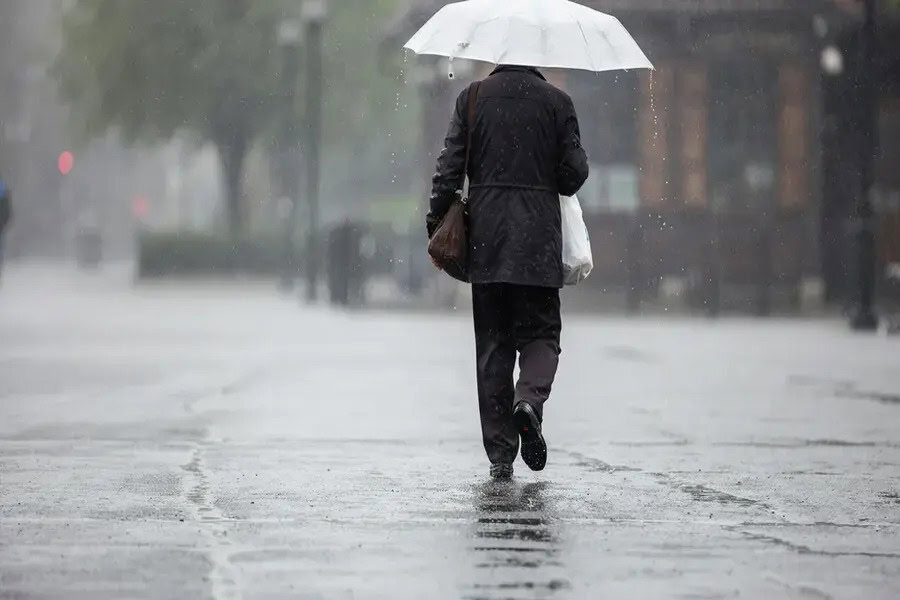
Nepal’s travel advisory intensifies as Jhapa district is placed under a strict monsoon high alert, driven by official forecasts of heavy rainfall, thunderstorms, and rising flood threats across key river basins. The warning has been issued as a precautionary response to rapidly strengthening monsoon systems expected to impact eastern Nepal, where vulnerable low-lying settlements and river-adjacent communities face heightened exposure to flash floods, inundation, and travel disruptions. Authorities have urged residents and travellers alike to exercise extreme caution, avoid risky river crossings, and stay updated with official alerts as disaster preparedness measures are activated across the district.
Nepal Monsoon Emergency Alert in Jhapa as Authorities Warn of Heavy Rainfall, Flood Risk and Rising River Danger Across Vulnerable District Zones
Jhapa district has entered a state of heightened vigilance after official forecasts warned of heavy to very heavy rainfall across eastern Nepal during the peak monsoon window of June 30 and July 1. The warning comes as the Department of Hydrology and Meteorology predicts intensified monsoon activity accompanied by thunderstorms and lightning, significantly increasing the probability of flooding, inundation, and sudden water-level surges across multiple river systems.
The District Administration Office (DAO), Jhapa has formally issued a public notice urging residents to remain alert and adopt strict safety precautions as weather conditions are expected to deteriorate rapidly in the coming days.
Government Issues Public Safety Advisory Across High-Risk Zones
Local authorities have instructed communities living near riverbanks and low-lying settlements to exercise maximum caution. Residents have been specifically warned that even short bursts of intense rainfall could trigger flash floods and rapid inundation, especially in areas with weak drainage systems and river-adjacent habitation.
Advertisement
Advertisement
People have been strongly advised to avoid unnecessary travel during heavy rainfall periods and to stay away from river channels, streams, and natural drainage routes, which can become extremely dangerous during monsoon surges. Authorities have also emphasized that crossing swollen rivulets must be strictly avoided under any circumstances.
To improve preparedness, households in vulnerable zones have been encouraged to identify safe shelter locations and evacuation routes in advance, ensuring quicker response during emergency situations.
Advertisement
Advertisement
Major Rivers Identified as Flood Threat Hotspots
Several key rivers flowing through Jhapa district have been marked as highly sensitive during the current monsoon cycle. These include:
- Kankai River
- Biring River
- Ratuwa River
- Mechi River
- Mawa River
- Ninda River
Authorities note that settlements along these riverbanks face elevated risk due to rising water levels, rapid runoff from upstream rainfall, and limited flood-control infrastructure in certain areas.
Advertisement
Advertisement
High-Risk Municipalities Under Close Monitoring
Out of Jhapa’s 15 local administrative units, several municipalities and rural municipalities located in the southern belt have been classified as high-risk flood zones. These include:
- Gaurigunj Rural Municipality
- Kachankawal Rural Municipality
- Bahradashi Rural Municipality
- Jhapa Rural Municipality
- Kamal Rural Municipality
- Shivasatakshi Municipality
- Bhadrapur Municipality
These regions are particularly vulnerable due to their low elevation, proximity to river systems, and dense settlements, which increase exposure during prolonged rainfall events.
Thousands of Households at Risk of Flood Displacement
The Nepal Red Cross Society in Jhapa has raised serious concern over the scale of potential impact. According to local estimates, more than 8,000 households are currently identified as being at very high risk of flooding, displacement, and property damage.
To strengthen response capacity, around 120 trained volunteers, along with first-aid teams and search-and-rescue units, have been placed on standby. These teams are equipped to assist with evacuation, emergency medical support, and immediate disaster relief operations if conditions worsen.
Advertisement
Advertisement
Security Forces and Disaster Response Teams on Standby
Chief District Officer (CDO) Shivaram Gelal confirmed that a multi-agency emergency response mechanism has been activated to reduce potential loss of life and property during the monsoon crisis.
The following agencies have been placed on standby:
- Nepali Army
- Nepal Police
- Armed Police Force
- Nepal Red Cross Society
- Local government authorities
Emergency relief supplies, including food stock and essential materials, have already been pre-positioned across seven strategic locations within the district to ensure rapid distribution during crisis situations.
Authorities have also confirmed that the District Disaster Management Committee has completed an integrated disaster response plan prioritising flood preparedness, rapid deployment, and inter-agency coordination.
Training and Preparedness Strengthened at Community Level
In a further step toward improving disaster readiness, a specialised training programme was recently conducted under the Koshi Province Ministry of Internal Affairs in collaboration with the Armed Police Force.
The programme trained 20 municipal police personnel from five municipalities, focusing on:
Advertisement
Advertisement
- Disaster response coordination
- Search and rescue techniques
- Community-level emergency management
- Flood evacuation procedures
This initiative aims to strengthen local first-response capacity, ensuring faster and more efficient action during emergency situations.
Regional Monsoon Context Across South Asia
The monsoon system affecting Nepal is part of a broader South Asian weather pattern influencing multiple countries in the region. Areas experiencing similar seasonal rainfall dynamics include:
- Nepal – facing high flood risk in eastern districts like Jhapa
- India – widespread monsoon activity across northern and northeastern states
- Bangladesh – riverine flooding risks in delta regions
- Bhutan – landslide-prone Himalayan zones
This regional weather system continues to intensify, making coordinated monitoring and early warning systems critical across borders.
Authorities have urged residents and travellers to stay alert as heavy monsoon rainfall is expected to trigger flooding and river surges across Jhapa’s vulnerable zones. Movement near rivers and low-lying areas is strongly discouraged due to rising disaster risk conditions.
Authorities Urge Maximum Caution as Conditions Intensify
As rainfall intensifies, officials continue to monitor river levels and weather developments in real time. Residents in vulnerable areas have been urged to stay connected to official alerts and follow safety instructions without delay.
With flood risk rising, rivers swelling, and monsoon activity strengthening, Jhapa district remains on high alert as authorities prepare for rapid emergency response if conditions escalate further.
Advertisement
