

Oradea Follows Alba Iulia and More as Underrated Cities of Romania Come Forward for Unforgettable European Travel Adventures!

Published
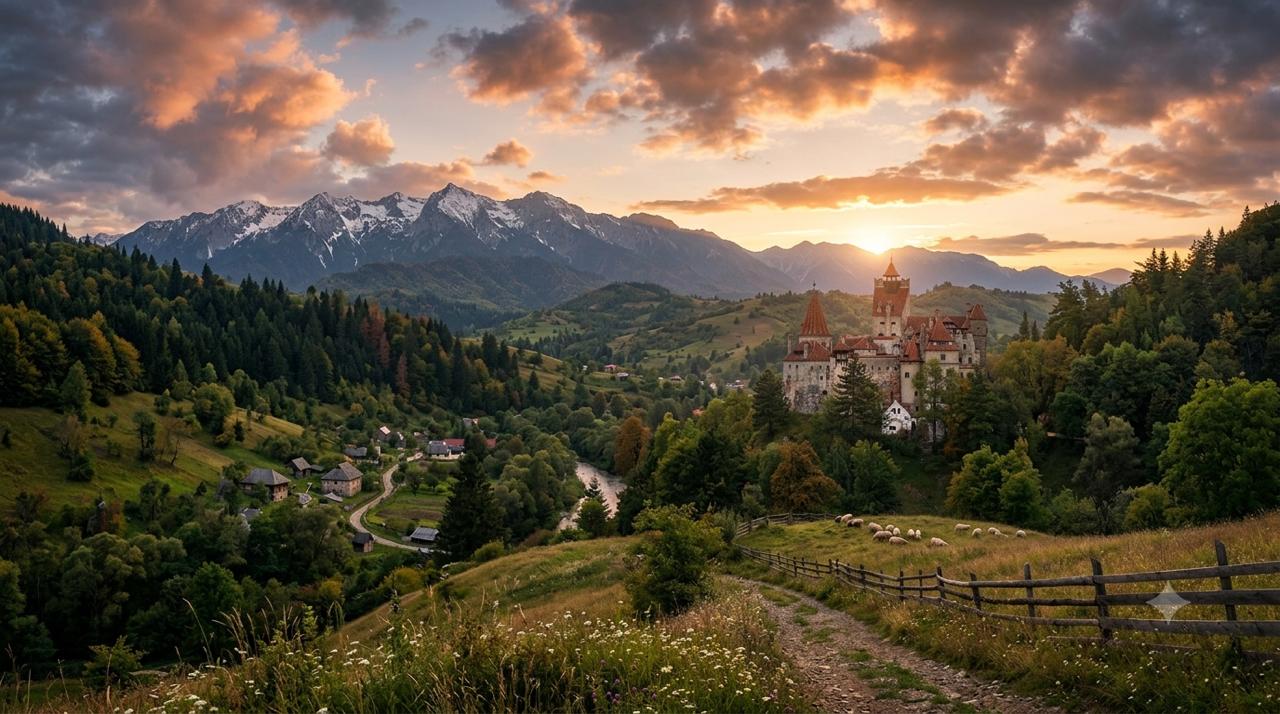
Oradea follows Alba Iulia and more underrated cities of Romania as travellers discover unforgettable European travel adventures beyond the usual tourist trails. These underrated cities bring together historic architecture, cultural treasures, local cuisine and memorable experiences. Moreover, Oradea follows Alba Iulia into the spotlight as Romania’s lesser-known destinations invite global travellers to explore their distinctive charm. From fascinating fortresses to picturesque streets, these cities offer exciting opportunities for European travel adventures. Travel And Tour World urges readers to discover how Oradea, Alba Iulia and more underrated cities of Romania can inspire unforgettable holidays, meaningful cultural encounters and extraordinary journeys across Europe.
Romania Domestic Tourism Uncovered: Six Underrated Cities, Five-Year Visitor Statistics, Local Food and Detailed Travel Plans
Romania’s domestic tourism story offers international travellers an opportunity to discover a different side of Europe. Beyond Bucharest, Brașov and the best-known Transylvanian attractions, the country contains historic fortresses, Art Nouveau architecture, regional food traditions, riverside landscapes and quieter cultural destinations.
Advertisement
Advertisement
The key to planning a rewarding Romanian holiday is understanding both the tourism statistics and the practical differences between destinations. National visitor figures reveal how the market has evolved, while city-level travel planning helps visitors decide where to stay, what to eat and how to organise their journeys.
This extension examines six underrated Romanian cities: Oradea, Alba Iulia, Târgu Mureș, Buzău, Drobeta-Turnu Severin and Suceava. Each offers a distinct experience, from thermal-water escapes and royal-era architecture to Roman history and access to northeastern Romania’s painted-monastery region.
Advertisement
Advertisement
An important statistical distinction matters throughout this guide. Romania’s domestic tourism share measures trips made by residents within their own country. It is not the percentage of all accommodation guests who are Romanian, and it does not establish that every city listed below is experiencing a tourism boom.
Romania tourism statistics from 2021 to 2025
Romania’s national accommodation statistics provide the clearest five-year baseline for assessing the country’s tourism recovery. The National Institute of Statistics (INS) records tourist arrivals at registered accommodation establishments, including Romanian and foreign guests.
Advertisement
Advertisement
Table 1: Annual tourist arrivals in Romania
| Year | Tourist arrivals | Change from previous year |
|---|---|---|
| 2021 | 10,205,322 | +59.5% |
| 2022 | 12,588,333 | +23.4% |
| 2023 | 13,910,956 | +10.5% |
| 2024 | 14,569,794 | +4.7% |
| 2025 | 14,258,382 | −2.1% |
Source: Romania’s National Institute of Statistics (INS), reproduced in the national tourism statistical series. Annual totals are used consistently here; the 2025 figure is based on the revised series. Changes are calculated from the displayed annual figures and rounded.
The data reveal three distinct phases. First, tourism rebounded strongly in 2021 and 2022 as travel restrictions eased. Second, arrivals continued expanding in 2023 and 2024, although the annual growth rate moderated. Third, the 2025 total fell by approximately 311,000 arrivals compared with 2024.
This pattern matters for travellers and tourism businesses alike. A country can remain an appealing destination even when national arrivals decline in a particular year. Regional performance, accommodation capacity, travel costs, seasonality and visitor preferences all influence individual destinations.
Table 2: Romania’s accommodation tourism indicators
| Indicator | 2021 | 2022 | 2023 |
|---|---|---|---|
| Total tourist arrivals | 10.21 million | 12.59 million | 13.65 million |
| Romanian tourist arrivals | 9.33 million | 10.91 million | 11.55 million |
| Foreign tourist arrivals | 0.88 million | 1.67 million | 2.10 million |
| Total overnight stays | 22.75 million | 27.04 million | 29.17 million |
| Domestic overnight stays | 20.82 million | 23.38 million | 24.71 million |
| Foreign overnight stays | 1.92 million | 3.67 million | 4.46 million |
| Average length of stay | 2.2 nights | 2.1 nights | 2.1 nights |
Source: Romanian government legislative portal, using INS data. These figures come from the statistical series presented in the cited government document, which reports 13.65 million arrivals in 2023. This differs from the revised series in Table 1, so the two tables should not be combined to calculate growth.
The second table illustrates the importance of domestic tourism to Romania’s accommodation sector. Romanian guests accounted for most recorded arrivals and overnight stays in 2021–2023. Foreign arrivals also expanded considerably during those years, although their totals remained below domestic arrivals.
Average stays remained close to two nights. For travellers, this suggests that a longer itinerary linking several cities can be a useful way to experience more of Romania’s regional culture, rather than treating every destination as a quick overnight stop.
Advertisement
Advertisement
Table 3: What the 2025 national figures tell travellers
| Measure | 2025 result | Travel-planning implication |
|---|---|---|
| Total accommodation arrivals | 14.26 million | Romania continues to receive substantial domestic and international accommodation demand |
| Romanian share of arrivals | 81.4% | Domestic travellers remain central to the accommodation market |
| Foreign share of arrivals | 18.6% | International visitors represent a smaller, but significant, market |
| Total overnight stays | 29.69 million | Visitors generate demand across multiple regions and seasons |
| Average stay | 2.1 days | Multi-city trips may require additional planning time |
| Net accommodation occupancy index | 29.8% | This is a national annual measure, not a forecast for any specific hotel |
Source: Romanian National Institute of Statistics figures reported by AGERPRES.
These indicators describe accommodation establishments, not every excursion, day trip or visitor who enters a city. They also do not establish how many tourists visited each individual attraction. The city recommendations below therefore rely on documented attractions and practical travel considerations, not unsupported visitor rankings.
Six underrated Romanian cities to add to a travel itinerary
1. Oradea — Art Nouveau architecture and thermal-water escapes
Recommended stay: 2–3 nights · Best for architecture, wellness and relaxed city breaks
Oradea is one of western Romania’s most rewarding alternatives to the better-known Transylvanian cities. Its architectural heritage includes Art Nouveau palaces, historic religious buildings and the Renaissance-era Oradea Fortress. The municipality’s heritage information identifies 77 officially registered historic monument buildings, making the city particularly appealing to visitors who enjoy exploring on foot. Begin at Piața Unirii, admire the Black Eagle Palace complex and continue towards the renovated fortress. Darvas-La Roche House provides another opportunity to understand the city’s architectural identity. The Crișul Repede riverfront is ideal for an evening walk. Travellers seeking relaxation can extend their stay to nearby Băile Felix, known for thermal bathing and wellness facilities. For food, look for regional Hungarian-Romanian dishes, soups, grilled meats, stuffed cabbage and local pastries. Choose accommodation in the central area for convenient access to restaurants and major sights, or stay near a thermal resort for a spa-focused holiday. Two days allow time for the main architectural circuit; a third day makes room for a wellness visit. Oradea’s official tourism resources also promote guided walks and cultural attractions.
Planning tip: Check the opening hours of museums and spa facilities separately, especially during public holidays.
2. Alba Iulia — A fortress city rich in Romanian history
Recommended stay: 1–2 nights · Best for history, architecture and walking holidays
Advertisement
Advertisement
Alba Iulia offers a concentrated heritage experience centred on the impressive Alba Carolina Fortress. Its star-shaped defensive layout, monumental gates, historic buildings and broad pedestrian routes make it suitable for visitors who prefer a walkable cultural destination. The city is closely associated with Romania’s national history, particularly the events of 1 December 1918. Travellers can spend a morning exploring the fortress, visit the Roman Catholic Cathedral of St Michael and continue to the Coronation Cathedral. Museums and historic displays help explain the area’s Roman, medieval and modern past. Regional cuisine provides another reason to linger: look for ciorbă soups, mămăligă, local cheeses and meat dishes, alongside Transylvanian pastries. Staying inside or near the historic centre allows visitors to explore the principal landmarks without repeatedly arranging transport. A practical one-day itinerary begins with the fortress gates, continues through the cathedral area and ends with an unhurried meal. Add a second night if you want to explore surrounding wine-producing areas or nearby Transylvanian towns. Alba Iulia works especially well as a stop between Sibiu and western Transylvania, provided transport connections are checked in advance. Visitors should consult the municipality and individual museums for current access arrangements. Its appeal lies in the combination of extensive heritage and a manageable city-centre itinerary, rather than in any unverified claim about visitor numbers.
Planning tip: Allow several hours for the fortress rather than treating it as a single monument.
3. Târgu Mureș — Multicultural heritage and striking architecture
Recommended stay: 1–2 nights · Best for architecture, museums and regional culture
Târgu Mureș offers a quieter cultural stop in central Romania, with a distinctive blend of Romanian and Hungarian influences. The city’s official municipal presentation highlights Rose Square, the medieval fortress, the Palace of Culture and the historic Teleki-Bolyai Library. The Palace of Culture is a strong starting point for visitors interested in decorative architecture, concerts and exhibitions. From there, walk through the central squares before exploring the fortress and its surrounding streets. The city’s cultural diversity is reflected in its languages, religious heritage, festivals and food. Travellers can look for Transylvanian soups, goulash-style dishes, seasonal pastries and local bakery specialities, comparing Romanian and Hungarian interpretations where menus allow. Choose accommodation close to the centre to keep the main attractions within walking distance. A second day can include the Cornesti Plateau, woodland walks or the local zoo, subject to opening times. The municipality also identifies the Mureș River and surrounding forests as important elements of the area’s landscape. This makes the city suitable for visitors who want a mix of architecture and outdoor leisure without building an ambitious mountain itinerary. Târgu Mureș can fit into a broader Transylvania route, but travellers should compare rail and road connections before fixing overnight stops.
Planning tip: Check the programme at the Palace of Culture before travelling if concerts or exhibitions are a priority.
4. Buzău — A regional base for heritage and countryside excursions
Recommended stay: 1–2 nights · Best for local culture, food and regional exploration
Advertisement
Advertisement
Buzău is a useful choice for travellers who want to explore a less familiar part of southeastern Romania. Rather than relying on one internationally famous landmark, visitors can build a day around its historic buildings, public spaces, monuments and regional food culture. The municipality’s heritage portal lists more than 150 landmarks in its English-language version, including historic houses, religious buildings, sculptures, parks and other urban sites. Its QR-based heritage project allows visitors to access background information about individual locations, with material available in Romanian, English and French. Begin with a walk through the city centre, then follow the heritage map to choose buildings that match your interests. Food-focused travellers can look for local cheeses, baked goods, traditional soups and regional dishes, checking seasonal menus and market availability. Staying centrally makes it easier to visit the main sights and dine locally without extensive transfers. With an extra day, consider excursions into Buzău County, but arrange transport carefully because countryside attractions may not be connected by frequent public transport. Buzău is best approached as a regional discovery rather than a substitute for a large city’s museum programme. Its strongest advantage is the opportunity to connect urban heritage with nearby landscapes and local traditions.
Planning tip: Use the official heritage map to create a walking route before setting out.
5. Drobeta-Turnu Severin — Roman history beside the Danube
Recommended stay: 1–2 nights · Best for archaeology, river scenery and history
Drobeta-Turnu Severin gives travellers a different perspective on Romania through its Danube setting and Roman-era heritage. The city is associated with the remains of ancient Drobeta and the historical landscape around Trajan’s Bridge, built across the Danube in the Roman period. Visitors interested in archaeology should check museum opening times and local information before planning a visit to the archaeological remains. The Danube waterfront provides an appealing place for a slower afternoon, while the city’s historic water tower offers a distinctive landmark. Food options include freshwater fish where available, Romanian soups, grilled dishes and regional pastries. Staying near the centre or waterfront helps reduce local travel time. A one-day visit can combine the archaeological area, museum stops and a riverfront walk; a second day allows time for a carefully arranged excursion towards the Iron Gates region. Travellers should not assume that all scenic viewpoints or protected natural areas are reachable by public transport. Confirm boat services, road conditions and guided-tour availability before departure. This destination is particularly suitable for travellers who enjoy combining ancient history with landscapes shaped by one of Europe’s major rivers. It also works as a stop on a wider Danube itinerary, although journey times should be checked against the next destination. Planning tip: Verify the status of archaeological sites and guided visits before travelling, as access can vary.
6. Suceava — A gateway to Bucovina’s painted monasteries
Recommended stay: 2–3 nights · Best for medieval history, religious heritage and rural excursions
Suceava is an excellent base for travellers interested in northeastern Romania and the cultural landscape of Bucovina. The city’s principal historical attraction is the Seat Fortress of Suceava, which introduces visitors to the region’s medieval political history. The Bucovina Village Museum offers a complementary view of traditional rural architecture and everyday life. Travellers can spend the first day exploring the fortress, museum and central area before reserving another day for regional excursions. The painted monasteries associated with Bucovina are among the most compelling reasons to visit the wider region, but they are outside the city and require careful transport planning. Visitors should check opening hours, dress expectations and photography rules at religious sites. Local food can include ciorbă, grilled meats, polenta, cheese dishes and traditional cakes. A centrally located hotel makes city sightseeing easier, while a rural guesthouse may suit travellers who want to experience the countryside. Two nights provide a reasonable introduction, but three or more are preferable if visiting several monasteries. Suceava is not simply a short stop for a fortress: it is a practical base for understanding Bucovina’s religious art, rural traditions and regional cuisine. Planning tip: Arrange a driver or guided excursion if you want to visit several monasteries in one day.
Advertisement
Advertisement
Table 4: Six cities compared for travel planning
| Destination | Main attraction | Ideal stay | Best travel style | Suggested season |
|---|---|---|---|---|
| Oradea | Art Nouveau heritage and thermal baths | 2–3 nights | Architecture and wellness | Spring, summer, autumn |
| Alba Iulia | Alba Carolina Fortress | 1–2 nights | History and heritage walks | Spring to autumn |
| Târgu Mureș | Palace of Culture and historic centre | 1–2 nights | Culture and architecture | Spring to autumn |
| Buzău | Urban heritage and countryside access | 1–2 nights | Regional discovery and food | Spring to autumn |
| Drobeta-Turnu Severin | Roman remains and the Danube | 1–2 nights | Archaeology and river scenery | Spring to early autumn |
| Suceava | Seat Fortress and Bucovina heritage | 2–3 nights | History and monastery excursions | Late spring to early autumn |
These are suggested itinerary lengths, not official tourism statistics. Seasonal suitability depends on weather, opening times and transport availability.
Table 5: Five-year visitor statistics for the six cities
A crucial limitation needs to be made clear: the national five-year statistics are available in a consistent series, but a complete, comparable 2021–2025 annual accommodation-arrivals series for all six individual municipalities could not be verified from the official sources consulted. Inventing city-specific visitor totals would make the article unreliable.
The following table distinguishes verified city-specific information from unavailable comparable figures.
| City | 2021 arrivals | 2022 arrivals | 2023 arrivals | 2024 arrivals | 2025 arrivals |
|---|---|---|---|---|---|
| Oradea | Not verified | Not verified | Not verified | Not verified | Not verified |
| Alba Iulia | Not verified | Not verified | Not verified | Not verified | Not verified |
| Târgu Mureș | Not verified | Not verified | Not verified | Not verified | Not verified |
| Buzău | Not verified | Not verified | Not verified | Not verified | Not verified |
| Drobeta-Turnu Severin | Not verified | Not verified | Not verified | Not verified | Not verified |
| Suceava | Not verified | Not verified | Not verified | Not verified | Not verified |
Why this matters: Tourist arrivals, overnight stays, attraction admissions and event attendance measure different things. A fortress ticket count, for example, cannot be treated as the number of tourists staying in a city. Official municipal reports may also cover different periods or accommodation categories.
One useful city-specific example is Oradea’s municipal tourism-benefit programme. The municipality reported 6,451 registered tourists in its 2025 campaign, 19% more than in 2024, alongside 11,025 complimentary admissions at participating museums. The reported minimum stay was 4.05 nights. These figures relate to the programme and its registered participants, not all tourists visiting Oradea.
For an editorial article requiring annual visitor totals for each city, the appropriate next step is to extract the relevant municipality or locality series from the Romanian National Institute of Statistics’ TEMPO database and verify each year against its metadata. Until those figures are confirmed, the table above should remain explicitly marked as unavailable rather than filled with estimates.
Advertisement
Advertisement
Table 6: A practical 10-day Romanian itinerary
This itinerary is a suggested route, not a published tour schedule. Allow extra time where rail connections, road journeys or excursions require it.
| Day | Destination | Suggested activities | Overnight |
|---|---|---|---|
| 1 | Oradea | Explore Piața Unirii, Art Nouveau buildings and the riverfront | Oradea |
| 2 | Oradea | Visit Oradea Fortress and enjoy a thermal-bath excursion | Oradea |
| 3 | Alba Iulia | Travel to Alba Iulia; explore the fortress and historic centre | Alba Iulia |
| 4 | Alba Iulia | Visit the cathedral area and museums; enjoy regional food | Alba Iulia |
| 5 | Târgu Mureș | Travel to Târgu Mureș; explore Rose Square and the Palace of Culture | Târgu Mureș |
| 6 | Târgu Mureș | Visit the fortress and enjoy a relaxed cultural day | Târgu Mureș |
| 7 | Suceava | Travel east; allow additional time for connections | Suceava |
| 8 | Suceava and Bucovina | Explore the fortress and arrange a monastery excursion | Suceava |
| 9 | Drobeta-Turnu Severin | Begin the southbound journey; explore the Danube waterfront if time permits | Drobeta-Turnu Severin |
| 10 | Drobeta-Turnu Severin | Visit Roman-era heritage and the local museum before departure | Drobeta-Turnu Severin |
What about Buzău? Because the six destinations span several parts of Romania, including Buzău in this 10-day route would make the itinerary more rushed. A better option is to extend the trip by one or two days, or replace a destination according to the traveller’s interests and arrival airport. Travellers should compare actual train connections and driving times before committing to this route.
Table 7: Food and accommodation strategy
| City | Food to seek out | Accommodation area to consider | Booking advice |
|---|---|---|---|
| Oradea | Regional soups, stuffed cabbage, pastries | Historic centre or near thermal facilities | Compare city and spa-resort options |
| Alba Iulia | Mămăligă, local cheeses, traditional meat dishes | Near Alba Carolina Fortress | Prioritise walkability |
| Târgu Mureș | Romanian and Hungarian regional dishes | Central area around the historic core | Check cultural-event dates |
| Buzău | Regional cheeses, soups and local bakery products | City centre | Arrange countryside transport early |
| Drobeta-Turnu Severin | Danube fish where available, soups and grilled dishes | Central area or waterfront | Verify excursion and boat availability |
| Suceava | Bucovina-style soups, cheese dishes and traditional cakes | City centre or rural guesthouse | Book monastery transport in advance |
These are food suggestions and accommodation-area recommendations, not endorsements of particular restaurants or hotels. Travellers should check recent reviews, opening hours, accessibility and cancellation conditions before booking.
How to use Romania’s domestic tourism trend to plan a better holiday
Romania’s strong domestic-travel share offers a useful starting point for understanding the country’s tourism market, but it should not be mistaken for a ranking of its most visited cities. The national figures demonstrate that Romanian residents play a major role in the accommodation sector and that the market has changed considerably since 2021.
For international visitors, the opportunity lies in building a more varied itinerary. Oradea offers architectural heritage and wellness; Alba Iulia provides a concentrated historical experience; Târgu Mureș combines architecture with multicultural traditions; Buzău offers regional discovery; Drobeta-Turnu Severin connects Roman history with the Danube; and Suceava opens the door to Bucovina’s religious and rural heritage.
A thoughtful trip should balance travel time with time spent in each destination. Two or three nights in selected cities can provide a more rewarding experience than trying to visit every region in a single week. Public transport, seasonal conditions, museum schedules and accommodation availability should all shape the final route.
Advertisement
Advertisement
For tourism publishers, the key editorial lesson is equally important: national tourism figures can establish the wider context, while municipal data must be checked separately. Clearly distinguishing verified statistics from travel recommendations keeps the article useful, transparent and trustworthy for readers planning a Romanian holiday.
Conclusion
Oradea, Alba Iulia, Târgu Mureș, Buzău, Drobeta-Turnu Severin and Suceava reveal a fascinating side of Romania that many international travellers have yet to discover. From magnificent fortresses and Art Nouveau architecture to Danube landscapes, regional cuisine and Bucovina’s cultural heritage, these underrated cities offer unforgettable European travel adventures. Moreover, their diverse attractions allow visitors to explore beyond Romania’s familiar tourist hotspots and experience local traditions at a more relaxed pace. For travellers seeking fresh destinations, authentic experiences and memorable cultural discoveries, Romania deserves a place on the European holiday map. Travel And Tour World encourages readers to explore these remarkable cities and plan an inspiring Romanian getaway.
Advertisement
