
Zimbabwe Joins Forces With Greece, Kenya And More In Building Tourism Boom, Channeling Over 28% Influx Into Pinnacle Travel Destinations

Published
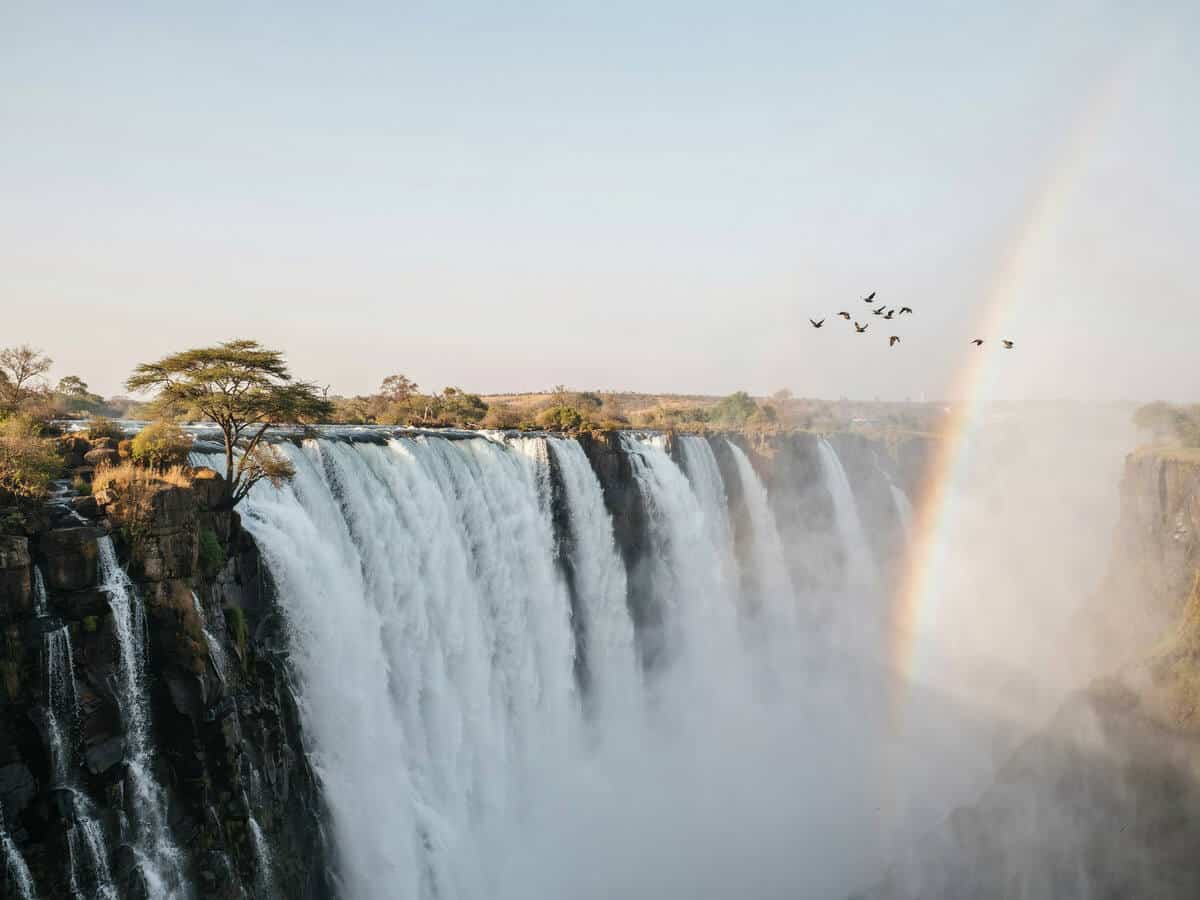
Zimbabwe comes together with international destinations to ignite a tourism boom internationally that exceeds 28%. The international travel scene is experiencing a tremendous transformation. Destination Management Organizations, ministries, and networks of businesses are abandoning conventional competition for sovereign tourism alliances. It is at the core of this revolution that Zimbabwe finds itself – a country utilizing its unique natural monuments, eco-sanctuaries, and cultural assets to ignite an international tourism revolution.
By aligning its strategic promotional models with international frontrunners—including European heavyweights like Greece and Malta, alongside African powerhouses such as Kenya, South Africa, and Morocco—Zimbabwe is driving a collective travel expansion. This unified, cross-continental momentum has channeled an extraordinary over 28% influx of visitors into top-tier pinnacle destinations across the globe.
By merging heritage-driven itineraries, digital border modernization, eco-conscious conservation models, and high-level bilateral trade diplomacy, Zimbabwe and its global counterparts are establishing a resilient, high-yield blueprint for sustainable travel growth.
The Zimbabwe Catalyst: Driving Over 28% Influx into Pinnacle Hubs
At the center of this international movement is Zimbabwe’s remarkable performance across key travel metrics. Through targeted investments and strategic state-level diplomacy, the nation has shifted from a traditional safari stopover into a primary long-haul travel destination.
Advertisement
Advertisement
Zimbabwe Tourism Surge in Numbers
| Tourism Indicator | Growth / Performance | Visitor Arrivals / Revenue |
|---|---|---|
| Total Visitor Arrivals (H1) | ▲ 28%+ | 6.4 Million Visitors |
| International Tourist Arrivals (Q1) | ▲ 11% | 384,515 Visitors |
| African Regional Arrivals (Q1) | ▲ 9% | 287,062 Visitors |
| Tourism Revenue (Q1) | ▲ 14% | US$251 Million |
| Mid-Year Tourism Revenue | — | US$537 Million |
The driving forces behind Zimbabwe’s double-digit rise include:
1. The “Heritage-First” National Framework
Recognizing that modern international travelers seek authentic, human-centered experiences, Zimbabwe’s Ministry of Tourism implemented a broad “Heritage-First” strategy. This initiative moves beyond isolated resort bubbles to seamlessly integrate local creative industries, gastronomy, traditional arts, and historical monuments like Great Zimbabwe into the core visitor journey.
Advertisement
Advertisement
2. High-Level Cultural and Bilateral Diplomacy
High-profile diplomatic visits—such as the bilateral delegation led by Volha Chamadanava of Belarus—demonstrate how state engagements are leveraged for destination showcase tours. By pairing diplomatic meetings with immersive itineraries that encompass wildlife corridors, river navigation, and local culinary arts, Zimbabwe reinforces its brand as a safe, welcoming, and world-class destination.
3. Digital Border Optimization and AI Integration
To eliminate friction at entry points, Zimbabwe implemented smart border screening systems and automated e-gate infrastructure at key international hubs, including Victoria Falls International Airport and Harare. These upgrades cut passenger processing times down to an average of 12 seconds per visitor, greatly enhancing the arrival experience.
Advertisement
Advertisement
4. Eco-Tourism Infrastructure Overhauls
Multi-million-dollar capital investments have upgraded essential infrastructure across wildlife reserves like Hwange National Park and the Chamabondo section of Zambezi National Park. Solar-powered luxury lodges, sustainable water management systems, and expanded, low-impact safari tracks ensure that increased visitor numbers remain environmentally sustainable.
Country-by-Country Breakdown: Global Drivers of the Tourism Boom
The current wave of international travel expansion relies on key sovereign partners across Africa and Europe. Each nation brings a tailored strategy to boost arrivals, stimulate economic yield, and elevate the global travel experience.
Global Tourism Powerhouses
| European Hubs | African Pioneers |
|---|---|
| Greece | Zimbabwe |
| Malta | Kenya |
| Germany | South Africa |
| Austria & France | Morocco & Egypt |
| Spain & Cyprus | Tanzania & Rwanda |
1. Zimbabwe: Eco-Wildlife & Cultural Renaissance
- Strategic Focus: Eco-safari preservation, heritage-first cultural integration, MICE (Meetings, Incentives, Conferences, and Exhibitions) events, and bilateral travel partnerships.
- Core Drivers: The iconic Victoria Falls World Heritage Site (Mosi-oa-Tunya), pristine game corridors in Chamabondo and Hwange, and rich cultural dining venues like The Boma.
- Tourism Impact: Achieved over 28% total visitor growth in H1, with Q1 tourism receipts climbing 14% to reach US$251 million, generating a cumulative US$537 million in mid-year revenue.
2. Kenya: Sustainable Safari & Expanded Connectivity
- Strategic Focus: Eco-conscious wildlife conservation, direct long-haul route expansions, and joint East-to-Southern African itineraries.
- Core Drivers: Collaborative initiatives between the Kenya Tourism Board, flag carrier Kenya Airways, and private conservation conservancies. Expanded direct flight routes connect travelers straight to key game reserves and coastal eco-lodges.
- Tourism Impact: Solidifies Kenya’s status as a premier East African safari hub, providing smooth dual-destination connection links to Southern African circuits like Victoria Falls.
3. Greece: Shoulder-Season Expansion & Island Sustainability
- Strategic Focus: Year-round destination appeal, high-value cultural tourism, and managing visitor distribution across marine territories.
- Core Drivers: Targeted marketing for winter-sun travel and “shoulder-season” escapes (autumn and spring), easing congestion during peak summer months while maintaining continuous revenue flow.
- Tourism Impact: Recorded an impressive 33% surge in international visitor arrivals during early periods, expanding its footprint across long-haul markets.
4. Malta: Sustainable Island Travel & Maritime Hub
- Strategic Focus: High-value cultural itineraries, maritime travel connectivity, and hosting world-class travel summits.
- Core Drivers: Host nation for major international travel conventions, positioning the archipelago as a global thought leader in sustainable island travel, maritime heritage preservation, and luxury boutique lodging.
- Tourism Impact: Leads European economic growth with a remarkable 16.8% surge in direct tourism GDP contribution.
5. South Africa: Modernized Logistics & Eco-Adventure Growth
- Strategic Focus: Advanced border automation, expanded regional airline capacity, and high-adrenaline adventure travel.
- Core Drivers: Infrastructure overhauls at major international gateways, refined e-visa systems, and multi-province adventure routes spanning coastal ecosystems, wine valleys, and big-game reserves.
- Tourism Impact: Welcomed over 2.9 million arrivals in opening months, serving as a primary regional hub that feeds overland traffic into neighboring Zimbabwe.
6. Morocco & Egypt: Heritage Infrastructure & Major Events
- Strategic Focus: Mega-event infrastructure, museum modernizations, and global sports tourism.
- Core Drivers: Morocco’s massive transportation and hotel investments ahead of international sporting competitions, combined with Egypt’s grand heritage restorations and iconic museum launches along the Nile.
- Tourism Impact: Outpacing broader regional averages, North Africa leads the African continent in overall visitor volume and long-haul arrival expansion.
7. Germany, Austria & France: Long-Haul Targeting & Alpine Excellence
- Strategic Focus: Targeted Asian/Indian source market campaigns, eco-alpine modernizations, and outdoor activity networks.
- Core Drivers: Strategic campaigns by the German National Tourist Board (GNTB) aimed at doubling Asian guest stays by 2030, alongside modernized, year-round alpine sports infrastructure in Austria and France.
- Tourism Impact: Stable growth rates between 5% and 7%, reinforcing Western Europe’s steady demand for cultural, nature-based, and wellness travel.
8. Tanzania & Rwanda: High-End Eco-Conservation Models
- Strategic Focus: Low-density/high-value gorilla trekking, premium wilderness lodges, and pristine island retreats.
- Core Drivers: Rwanda’s luxury eco-tourism model paired with community-focused conservation fees, alongside Tanzania’s expanded safari infrastructure across the Serengeti circuit and Zanzibar’s coastal upgrades.
- Tourism Impact: Continuous double-digit yield growth, catering to discerning travelers who prioritize biodiversity protection and exclusive wilderness access.
Comparative Data Analysis: Global Tourism Performance Matrix
The table below outlines how these nations are converting policy shifts and strategic investments into measurable tourism growth:
| Country | Primary Focus & Innovation | Strategic Core Drivers | Growth Metric / Impact |
| Zimbabwe | Heritage-First & Border AI Automation | Victoria Falls, Chamabondo, Cultural Gastronomy | +28% Total Influx (H1); US$537M Receipts |
| Kenya | Sustainable Safari & Air Connectivity | Kenya Airways routes, Community Conservancies | Double-digit regional arrivals growth |
| Greece | Shoulder-Season & Year-Round Distribution | Off-peak island promotion, Cultural Heritage | +33% International arrival surge |
| Malta | Sustainable Island & MICE Hub | WTTC Summit host, Maritime/Boutique travel | +16.8% Direct Tourism GDP contribution |
| South Africa | Border Digitization & Adventure Circuits | Gateway hub expansion, Eco-safari lodging | 2.9M+ Arrivals in early opening period |
| Morocco | Mega-Event Infrastructure & Sports Travel | Transit upgrades, World Cup preparations | Pacing North Africa as top continental performer |
| Egypt | Grand Heritage & Monument Preservation | Iconic museum openings, Nile cruise fleets | Record long-haul heritage tourist volume |
| Tanzania / Rwanda | High-Value / Low-Density Eco-Conservation | Gorilla conservation, Serengeti lodge circuits | Sustained double-digit yield growth |
| Germany | Long-Haul Source Market Acquisition | GNTB double-stay campaign targeting Asia | On track to double key long-haul stays by 2030 |
| Austria / France | Year-Round Alpine & Nature Modernization | Solar alpine lifts, year-round trail networks | +5% to +7% Steady winter/outdoor growth |
Deconstructing the Itinerary of Excellence: A Case Study in Victoria Falls
To understand how Zimbabwe showcases its destination appeal to international visitors and state delegations, consider the benchmark itinerary experienced by the Belaya Rus delegation, led by Volha Chamadanava:
Advertisement
Advertisement
The Victoria Falls Circuit – Tourism Attractions and Experiences
| Circuit Stage | Tourism Attraction | Key Highlights | Visitor Experience |
|---|---|---|---|
| 1 | Chamabondo National Park | Game viewing, vlei landscapes and wildlife sanctuary | Wildlife observation, nature exploration and safari experiences |
| 2 | Victoria Falls Site | Mosi-oa-Tunya UNESCO World Heritage Site | Spectacular waterfall views, natural heritage and sightseeing |
| 3 | Zambezi Sunset Cruise | Riverine ecosystem and sunset navigation | Scenic river cruising, wildlife spotting and sunset photography |
| 4 | The Boma Experience | Traditional drumming and indigenous cuisine | Cultural entertainment, traditional dining and local heritage experiences |
- Morning: Immersive Wildlife Sanctuary (Chamabondo / Zambezi National Park)Visitors explore the Chamabondo section of the Zambezi National Park. Known for its open vlei channels, natural pans, and rich biodiversity, this reserve offers intimate sightings of elephants, buffalo, plains game, and varied birdlife—demonstrating Zimbabwe’s successful community-led conservation programs.
- Midday: The Wonder of Mosi-oa-Tunya (Victoria Falls World Heritage Site)A guided trek through the rainforest mist of Victoria Falls reveals why this natural wonder remains the anchor of Southern African travel. The site showcases the immense scale of the Zambezi River plunging over 100 meters into the Batoka Gorge, serving as a primary driver for global leisure arrivals.
- Late Afternoon: Zambezi River NavigationBoarding a river vessel for a sunset cruise along the upper Zambezi River offers guests panoramic views of riverine ecosystems. Hippo pods, basking crocodiles, and elephant herds crossing the riverbanks highlight the seamless blend of luxury river hospitality and wild, untouched nature.
- Evening: Gastronomic & Cultural Immersion (The Boma)The journey concludes with an evening of Zimbabwean culinary arts and cultural performance. Guests taste local delicacies (including game meats and indigenous grain dishes), experience traditional dance storytelling, and participate in interactive drumming sessions—a masterclass in preserving and celebrating cultural heritage.
Strategic Implications: Advancing Vision 2030 Aspirations
The economic impact of Zimbabwe’s tourism surge extends far beyond hotel bookings and national park fees. It serves as a vital economic engine supporting the nation’s Vision 2030 strategy—an ambitious roadmap to transform Zimbabwe into an upper-middle-income economy.
Key Economic Drivers
- Foreign Direct Investment (FDI): Capital injections totaling hundreds of millions of dollars are flowing into hotel builds, eco-lodge refurbishments, private wildlife conservancies, and renewable energy networks.
- Job Creation & Community Empowerment: By channeling tourist dollars into rural regions bordering national parks, local communities gain direct employment as guides, trackers, hospitality managers, and cultural performers, fostering an ecosystem where wildlife protection directly yields economic stability.
- The Creative Cultural Economy: Integrating local crafts, traditional music, and regional culinary arts into mainstream hospitality boosts Zimbabwe’s Creative Cultural Industries (CCIs), which contribute nearly 9% to national GDP.
- Infrastructure Multiplier Effects: Capital spent upgrading airport terminals, road transport corridors, and telecommunications networks benefits local populations and regional trade routes, creating lasting civic improvements.
The Path Forward: Elevating Global Competitiveness
By joining forces through cross-border collaboration, diplomatic travel alliances, and strategic marketing, Zimbabwe, Greece, Kenya, and their partner nations are reshaping global tourism.
As Zimbabwe collaborates with world giants such as Greece and Kenya, there comes a great surge in tourism in the country with more than 28% growth in tourism.
Redirecting over 28% flow of tourists to the country’s best travel destinations is much more than just revival; it is a paradigm shift towards smart, sustainable and authentic travels. With ongoing efforts in modernizing travel entry points, conserving the country and promoting its rich heritage to the rest of the world, Zimbabwe emerges as a travel destination of choice.
Advertisement
