
Zimbabwe Teams Up with Zambia and Botswana to Expand KAZA Eco-Tourism and Safari Flight Connectivity

Published
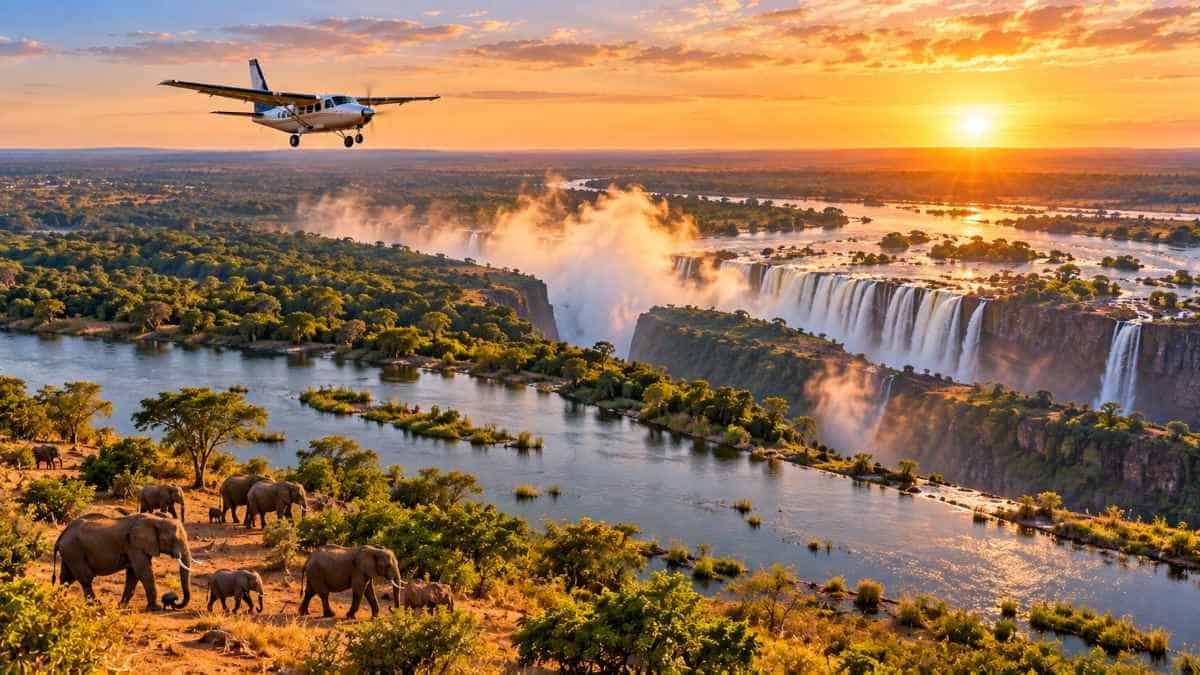
Zimbabwe Teams Up with Zambia and Botswana to Expand KAZA Eco-Tourism and Safari Flight Connectivity. There is an attempt by Zimbabwe, Zambia, Botswana and Namibia to increase connectivity of their tourism sectors through a connectivity framework that covers the Kavango Zambezi Transfrontier Conservation Area (KAZA). This is aimed at ensuring that there is increased connectivity through aviation, immigration processes, and multi-destination safaris in the Victoria Falls, Livingstone and Kasane areas. This project will involve tourism authorities and civil aviation from Harare, Lusaka and Gaborone to try and enhance the current KAZA Univisa process in enhancing the movement of visitors between the participating destinations. In addition, this process will be used to simplify the clearance process of scenic flights and bush-shuttle flight operations in the region. 1 November 2026 is set as the effective date for this process. However, the reported expansion, zero-fee aviation clearances and safety operations have not been independently confirmed as operational measures. For the tourism sector in the region, the proposed connectivity framework will mainly revolve around the following opportunity.
KAZA Connects Five Countries Through a Shared Conservation Landscape
The Kavango Zambezi Transfrontier Conservation Area covers parts of Angola, Botswana, Namibia, Zambia and Zimbabwe, making it one of the most significant cross-border conservation landscapes in Southern Africa.
Its geographical reach encompasses several internationally recognised wildlife destinations, including Chobe National Park, Hwange National Park, Victoria Falls and the Okavango region.
The conservation initiative aims to support biodiversity protection, wildlife movement and sustainable tourism across national boundaries. For international visitors, its appeal lies in the possibility of experiencing different ecosystems and wildlife habitats without restricting a holiday to one country.
Advertisement
Advertisement
The expanded aviation framework described in the proposal would add another dimension to this regional tourism model by improving connections between established safari gateways.
Victoria Falls Remains a Major Gateway for Southern African Tourism
Victoria Falls is one of the region’s most recognisable international tourism attractions, drawing visitors through its spectacular waterfalls, adventure activities and surrounding wildlife areas.
Advertisement
Advertisement
Located on the Zambezi River along the Zimbabwe-Zambia border, the destination provides access to two major tourism centres: Victoria Falls in Zimbabwe and Livingstone in Zambia.
Victoria Falls International Airport serves as an important entry point for international visitors arriving in Zimbabwe. The airport supports connections to regional aviation hubs and provides access to accommodation, safari lodges and guided excursions.
Advertisement
Advertisement
Visitors can explore Victoria Falls National Park, take guided rainforest walks and experience activities such as helicopter sightseeing, river cruises and adventure tourism.
On the Zambian side, Harry Mwanga Nkumbula International Airport serves Livingstone. The city offers access to Mosi-oa-Tunya National Park, the Zambian side of Victoria Falls and wildlife experiences along the Zambezi River.
Improved aviation coordination could make it easier for visitors to combine both sides of the waterfall with additional safari destinations in Botswana and Zimbabwe.
Botswana’s Kasane Strengthens the Chobe Safari Circuit
Kasane is another important destination within the proposed regional tourism network. Situated in northern Botswana, the town provides access to Chobe National Park, widely recognised for its large elephant population and diverse wildlife habitats.
Advertisement
Advertisement
Kasane International Airport serves as the principal aviation gateway for visitors travelling to Chobe and nearby safari lodges.
The Chobe Riverfront is among the area’s major attractions, offering opportunities for boat safaris, wildlife photography and game drives. Visitors can observe elephants, buffaloes, hippos and numerous bird species along the river.
The town’s geographical position also makes it relevant to multi-country itineraries. Kasane lies close to the borders of Zimbabwe, Zambia and Namibia, allowing tour operators to organise journeys connecting several Southern African destinations.
The proposed expedited immigration procedures and coordinated safari flights could provide additional flexibility for visitors travelling between these locations.
Bush-Shuttle Flights Could Improve Multi-Destination Safari Holidays
Regional bush-shuttle operators play an important role in connecting remote safari lodges and conservation areas with international airports.
Unlike conventional scheduled airline services, these smaller aircraft frequently operate between lodge airstrips and regional aviation hubs, allowing travellers to reach destinations that may otherwise require lengthy road transfers.
Advertisement
Advertisement
The proposed KAZA framework identifies synchronised multi-stop safari flights as an important component of its connectivity strategy.
Under the described arrangement, participating operators would coordinate flight schedules and passenger safety documentation through a unified operational manifest.
Such coordination could help tour operators organise itineraries covering Victoria Falls, Hwange, Chobe and other wildlife destinations without requiring visitors to arrange every flight independently.
However, operational implementation would require agreement on aviation safety standards, aircraft clearances, immigration procedures and airport handling arrangements.
KAZA Univisa Supports Cross-Border Tourism
The existing KAZA Univisa arrangement provides an important foundation for regional tourism cooperation.
The visa initiative allows eligible visitors to travel between Zimbabwe and Zambia under a single visa arrangement, subject to its conditions. It also covers qualifying day visits to Botswana through the designated border arrangements.
Advertisement
Advertisement
For international tourists, the system reduces the need to obtain separate visas for certain journeys between participating destinations.
An expanded regional framework involving additional countries would require further immigration agreements and clearly defined eligibility rules. Namibia’s participation in the wider KAZA conservation landscape should not automatically be interpreted as inclusion in the existing Univisa scheme.
Sustainable Safari Tourism Becomes Central to Regional Growth
Zimbabwe Teams Up with Zambia and Botswana to Expand KAZA Eco-Tourism and Safari Flight Connectivity. The draft aviation deal will also focus on the connection between connectivity and conservation-driven tourism. The safari industry of Southern Africa is built on the conservation of wildlife habitat, responsible tourism, and community involvement in the conservation area. Increased connectivity to hard-to-reach places can help bring more business to safari hotels, tour guides, transportation services and local tourism providers. Yet, air tourism and bush shuttle services should also be mindful of their impact on the environment, air noise, and responsible flying around wildlife habitat. The planned implementation date of the 1st of November 2026 will be an important part of regional aviation connectivity, in addition to wildlife conservation and multinational safari tourism in Southern Africa.
Advertisement
