

Malta Links with Greece, and More on Seven-Night Mediterranean Cruise Travel Aboard Azura

Published
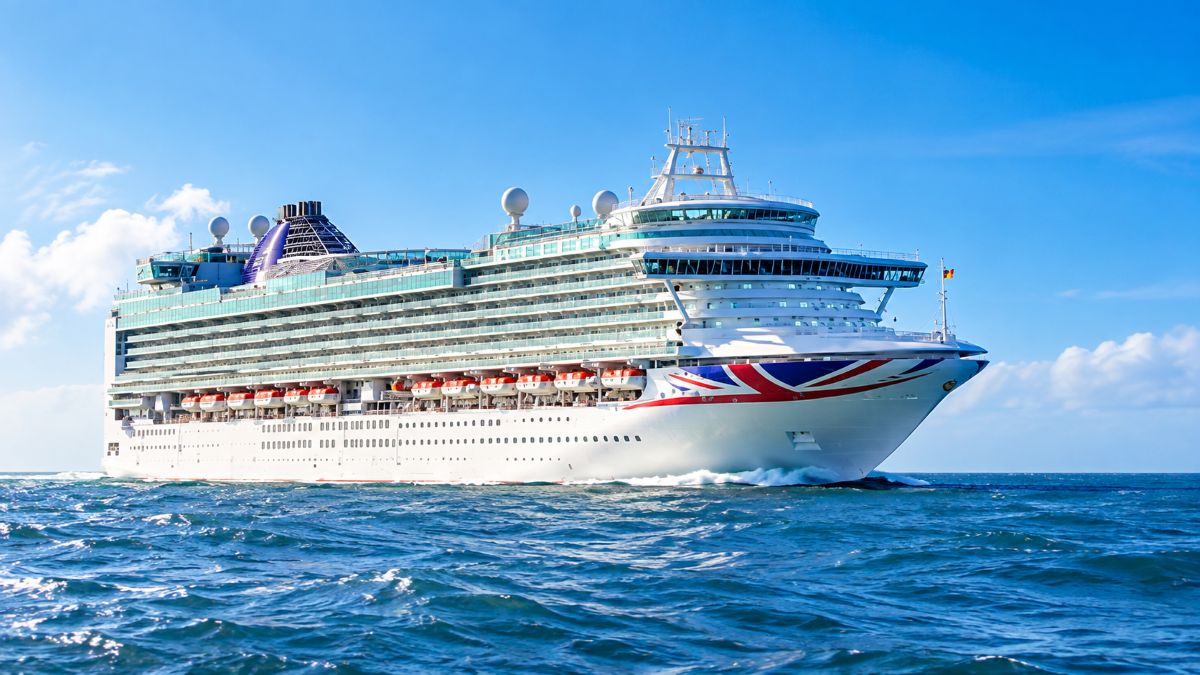
Malta is set to provide the gateway for a compelling Mediterranean cruise itinerary aboard Azura, connecting historic ports across Greece, Montenegro and Croatia in a seven-night journey shaped by maritime heritage, fortified cities and distinctive coastal landscapes. Departing from Valletta, the voyage brings together four European countries and five significant destinations, creating a travel experience that combines the relaxed rhythm of cruising with opportunities to explore some of the Mediterranean and Adriatic region’s most recognisable cultural centres. From Malta’s Grand Harbour to Dubrovnik’s historic ramparts, the itinerary offers travellers a concentrated introduction to centuries of European seafaring history.
The route also demonstrates the enduring appeal of Mediterranean cruise holidays, where several destinations can be experienced within one carefully structured voyage. Corfu introduces passengers to Ionian culture and Venetian influences, while Kotor provides a dramatic passage through the Bay of Kotor before the ship continues towards Croatia. Split brings Roman heritage into the itinerary through Diocletian’s Palace, followed by Dubrovnik, whose stone walls and Adriatic setting remain among the region’s most distinctive attractions. Together, these ports create a travel narrative centred on architecture, coastal scenery, history and contemporary cruise hospitality.
Advertisement
Advertisement
Valletta Provides A Historic Starting Point For The Mediterranean Journey
The voyage begins in Valletta, Malta, a destination whose relationship with the sea has shaped its identity for centuries. The city’s Grand Harbour provides a striking setting for cruise embarkation, with historic fortifications, limestone architecture and elevated viewpoints surrounding one of Europe’s most recognisable maritime landscapes.
For travellers arriving before embarkation, Valletta offers an opportunity to explore Malta’s compact historic core before settling into the cruise experience. The city’s streets, churches, palaces and harbour-facing viewpoints provide context for the wider maritime journey ahead. Sailing away from the Grand Harbour also gives passengers an immediate visual introduction to Malta’s fortified coastal character.
Advertisement
Advertisement
The opening sea passage creates a transition between the central Mediterranean and the Ionian region. Rather than moving directly from one port experience to another, passengers have time aboard Azura to settle into the rhythm of the voyage, enjoy onboard facilities and prepare for the succession of historic destinations that follows.
Corfu Introduces Ionian Heritage And Venetian Influences
The first major port call is Corfu, one of Greece’s best-known Ionian islands. Its strategic location has made it an important maritime crossroads, while successive periods of Venetian, French and British influence have left a distinctive architectural and cultural legacy.
Advertisement
Advertisement
Corfu Town provides travellers with access to a historic environment where defensive structures, public squares and traditional buildings reflect the island’s complex past. The Old Fortress remains one of the most prominent landmarks, illustrating how geography and military architecture combined to protect this strategically important Mediterranean island.
For cruise visitors, Corfu offers a balance between heritage exploration and coastal leisure. The destination can be experienced through its historic centre, waterfront atmosphere and surrounding island scenery, making it a natural early highlight within an itinerary focused on Mediterranean culture.
Advertisement
Advertisement
Kotor Brings Dramatic Mountain Scenery To The Cruise Route
From Corfu, Azura continues towards Montenegro and the Bay of Kotor, creating one of the most visually distinctive sections of the voyage. The approach to Kotor is notable for its narrow waterways, steep limestone mountains and enclosed bays, producing scenery that differs markedly from the open Mediterranean horizons experienced earlier in the journey.
Kotor’s historic centre provides another major cultural dimension. Medieval streets, stone buildings, churches and defensive structures reveal the city’s long-standing position within Adriatic trading and maritime networks. The surrounding mountains further enhance the arrival experience, creating a dramatic setting as the ship enters the bay.
| Day | Date | Destination | Cruise Activity | Travel Highlight |
|---|---|---|---|---|
| 1 | Thursday, 29 April 2027 | Valletta, Malta | Embarkation | Grand Harbour departure |
| 2 | Friday, 30 April 2027 | At Sea | Cruising | Ionian Sea passage |
| 3 | Saturday, 1 May 2027 | Corfu, Greece | Port Call | Historic fortress and old town |
| 4 | Sunday, 2 May 2027 | Kotor, Montenegro | Port Call | Bay of Kotor scenery |
| 5 | Monday, 3 May 2027 | Split, Croatia | Port Call | Diocletian’s Palace |
| 6 | Tuesday, 4 May 2027 | Dubrovnik, Croatia | Port Call | Medieval walls and old town |
| 7 | Wednesday, 5 May 2027 | At Sea | Cruising | Adriatic return passage |
| 8 | Thursday, 6 May 2027 | Valletta, Malta | Disembarkation | Return to Malta |
Split Connects Roman History With Contemporary Coastal Travel
Croatia expands the cultural scope of the itinerary with a call at Split, a city where ancient Roman heritage remains embedded within the modern urban landscape. Diocletian’s Palace forms the historical core of the destination and demonstrates the scale and sophistication of Roman imperial architecture.
Unlike an isolated archaeological site, the palace complex remains integrated into everyday city life. Streets, cafés, shops, residential buildings and public spaces occupy areas that developed around the original Roman structure. This living heritage gives cruise passengers an opportunity to experience history within an active Mediterranean city rather than simply viewing monuments in isolation.
Advertisement
Advertisement
Split’s waterfront also reinforces the destination’s maritime character. The Riva promenade provides a natural connection between the historic centre and the Adriatic, allowing visitors to combine architectural exploration with views across the harbour and surrounding coastline.
Dubrovnik Completes The Adriatic Heritage Experience
The next Croatian port is Dubrovnik, one of the Adriatic’s most recognisable historic destinations. Often associated with its nickname, the Pearl of the Adriatic, Dubrovnik is defined by its preserved stone architecture, defensive walls and position above the blue waters of the Adriatic Sea.
The city’s historic core reflects centuries of maritime commerce and diplomacy. Its walls remain among the defining features of the destination, while narrow lanes, historic buildings and public squares create an immersive environment for visitors exploring on foot.
A walk along the historic fortifications provides panoramic views across Dubrovnik’s rooftops and coastline. For cruise travellers, the combination of architecture, history and scenery makes the destination particularly suited to a Mediterranean itinerary focused on cultural discovery.
Sea Days Add Balance To An Intensive Port Schedule
The two sea days provide an important counterpoint to the itinerary’s concentrated programme of port visits. After exploring Corfu and Kotor, passengers have time to enjoy the ship and experience the journey itself rather than treating the vessel solely as transportation between destinations.
The southbound sea passage following Dubrovnik also provides an opportunity to reflect on the contrasting landscapes and cultures encountered across the Ionian and Adriatic seas. The voyage moves through several distinct maritime environments, from Malta’s fortified harbour and Corfu’s island setting to Kotor’s mountainous bay and Croatia’s Dalmatian coastline.
Advertisement
Advertisement
This balance between shore exploration and time at sea is one of the central strengths of a multi-country Mediterranean cruise. Travellers can experience several destinations without repeatedly changing hotels, unpacking luggage or arranging separate regional transfers.
Malta Brings The Circular Mediterranean Voyage To A Close
The final return to Valletta completes the circular route and reconnects passengers with the same historic harbour from which the journey began. Arriving back in Malta provides a natural conclusion to a voyage that has crossed several maritime cultures and explored ports shaped by Roman, Venetian, medieval and modern European influences.
For travellers interested in heritage-led cruising, the itinerary offers a compact route through some of the Mediterranean and Adriatic’s most established cultural destinations. Its appeal lies not only in the number of countries visited but also in the contrasting character of each port.
From Valletta’s fortified harbour and Corfu’s Ionian heritage to Kotor’s mountain-framed waters, Split’s Roman legacy and Dubrovnik’s medieval walls, the journey connects destinations through their shared relationship with the sea. Azura therefore provides a platform for experiencing the Mediterranean as a continuous cultural landscape rather than a collection of isolated holiday stops.
Frequently Asked Questions
What is the main departure port for the Azura Mediterranean voyage?
The itinerary begins and ends in Valletta, Malta, using the city’s historic Grand Harbour.
Advertisement
Advertisement
Which countries are included in the itinerary?
The voyage connects Malta, Greece, Montenegro and Croatia.
Which Greek destination does Azura visit?
The itinerary includes Corfu, an Ionian island known for its historic architecture and Venetian influences.
What is the main attraction of the Kotor call?
The arrival through the Bay of Kotor provides dramatic mountain and coastal scenery before passengers explore the historic city.
Advertisement
Advertisement
What historic landmark is associated with Split?
Diocletian’s Palace forms the architectural and historical centre of Split and remains integrated into the modern city.
Why is Dubrovnik important for cruise travellers?
Dubrovnik combines preserved medieval architecture, historic defensive walls, narrow streets and panoramic Adriatic views.
How many sea days are included?
The itinerary includes two principal sea days, allowing passengers to travel between regional port clusters while enjoying the ship.
Advertisement
Advertisement
Is Valletta suitable for pre-cruise exploration?
Yes. Valletta’s compact historic centre and harbour setting make it well suited to sightseeing before embarkation.
What type of traveller would enjoy this itinerary?
The route is particularly attractive to travellers interested in European history, architecture, maritime heritage, coastal scenery and multi-country cruise holidays.
What makes this itinerary distinctive?
Its appeal comes from combining four countries and five culturally significant ports within one circular Mediterranean and Adriatic cruise journey.
Advertisement
