

Azerbaijan Joins Forces With Kazakhstan And More Powering Clean Transit Across Central Asian Travel Hubs

Published
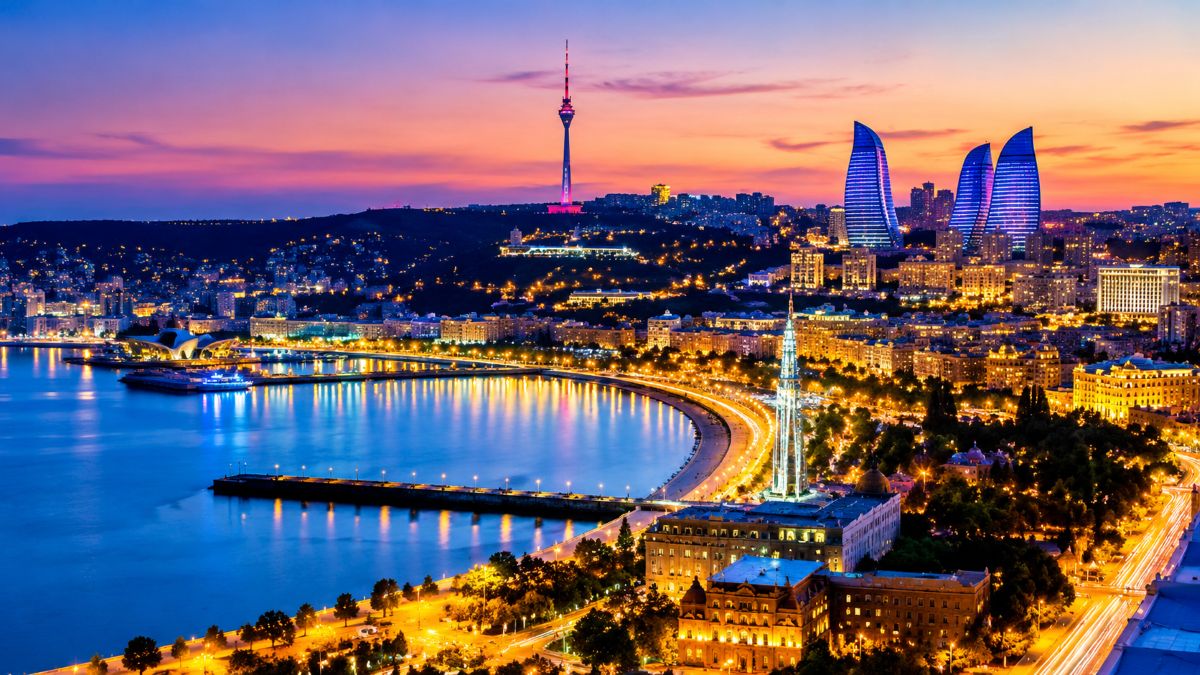
The board of the Green Corridor Alliance has formally reviewed its operational budget and executive priorities during a high-level summit in Baku, signalling a decisive advancement for cross-border infrastructure and sustainable mobility across the Caspian basin. General Director Tural Aliyev confirmed the assessment of ongoing operations, reinforcing the shared vision of Azerbaijan, Kazakhstan, and Uzbekistan as they coordinate critical utilities. This joint enterprise, headquartered in the Azerbaijani capital, establishes a shared technical foundation that directly influences commercial transit networks, regional connectivity, and modern tourism routes.
As global passengers increasingly evaluate destinations through environmental accountability, this tri-nation framework positions the South Caucasus and Central Asia as an integrated zone for responsible exploration. The transition towards interconnected zero-emission grids supports essential public infrastructure, ranging from international aviation hubs to trans-Caspian passenger ferries and electrified rail corridors. By aligning regional power resources under institutional oversight, the participating nations are building a resilient ecosystem that enhances municipal services, secures energy independence, and fosters cross-border travel experiences across historically vital trade and cultural crossroads.
Advertisement
Advertisement
Strategic Alliance Reshapes the Regional Visitor Economy
The operational progression of the Green Corridor Alliance directly addresses the modern logistical challenges faced by visitors travelling between the Caucasus and Central Asia. By establishing unified oversight across the power grids of Azerenergy OJSC, KEGOC JSC, and National Electric Grids of Uzbekistan, the participating territories ensure that major transport interchanges benefit from heightened operational stability. International airports, electric railway lines, and hospitality enclaves require consistent utility capacity to manage rising international arrivals. The deliberate modernisation of the underlying grid provides hospitality operators in urban hubs such as Baku, Almaty, and Tashkent with the resources required to meet strict global sustainability criteria, encouraging environmentally conscious business and leisure travel across the corridor.
International visitors undertaking multi-destination itineraries throughout the ancient Silk Road route routinely navigate maritime and overland passages where modern utility networks are vital. The initiative originally stemmed from the strategic partnership signed during the COP29 conference in Baku, creating an enduring framework that links clean utility infrastructure to international trade and passenger routes. Transport nodes operating across the Caspian perimeter are implementing low-emission systems, facilitating passenger clearance, terminal electrification, and cleaner domestic transport alternatives. Consequently, international travellers can explore the architectural landmarks of Baku, the vast steppe terrains of Kazakhstan, and the historic urban centres of Uzbekistan with greater confidence in regional transport resilience.
Advertisement
Advertisement
Institutional Infrastructure Supporting Sustainable Silk Road Tourism
| Participating Entity | Country Base | Primary Operational Function | Direct Impact on Regional Travel Ecosystem |
| Azerenergy OJSC | Azerbaijan | Grid management and maritime transit integration | Powers Baku passenger terminals, port utilities, and capital transit |
| KEGOC JSC | Kazakhstan | Steppe network distribution and transmission | Supports high-speed overland rail, airport logistics, and urban transit |
| National Electric Grids of Uzbekistan | Uzbekistan | Inter-regional synchronization and heritage site power | Stabilises regional passenger rail and cultural site power supply |
| Asian Development Bank | Regional partner | Co-financing of feasibility studies and modern engineering | Ensures technical resilience across transport and international corridors |
| Asian Infrastructure Investment Bank | Regional partner | Strategic infrastructure funding and systems integration | Accelerates long-term sustainable mobility and transit projects |
The capital injection supported by international financial organisations guarantees that the transformation of regional transit infrastructure adheres to international engineering benchmarks. Backing from the Asian Development Bank and the Asian Infrastructure Investment Bank facilitates comprehensive assessments that prioritize operational durability and environmental preservation. For international tourists and business delegations, this multilateral oversight translates into higher quality standards across airport lounges, electrified suburban networks, and hotel infrastructure throughout major municipal hubs.
Trans-Caspian Connectivity and Future Mobility Paradigms
Integrating utility transmission cables along the Caspian seabed establishes a precedent for transcontinental connectivity that benefits commercial transit corridors and adventurous overland travellers alike. Ports operating out of Baku and coastal hubs in Kazakhstan rely heavily on dependable utilities to power passenger screening facilities, automated logistics docks, and maritime transit stations. The integration of renewable power systems reduces the environmental footprint of long-distance passenger journeys, paving the way for low-emission ferry operations and contemporary waterfront developments that enhance coastal tourism.
Advertisement
Advertisement
Sustainable power grids also empower secondary regional destinations located outside primary commercial capitals, broadening the tourism footprint into rural regions. Travellers venturing into the mountains of Azerbaijan, the natural reserves of Kazakhstan, or the desert landscapes of Uzbekistan increasingly rely on modern public services and electric transport alternatives. By stabilising utility networks and directing renewable capacity into broader transit systems, the member states are fostering eco-friendly hospitality investments, preserving heritage destinations, and offering global visitors a seamless journey through interconnected landscapes.
Frequently Asked Questions
What is the Green Corridor Alliance?
Advertisement
Advertisement
The Green Corridor Alliance is an international joint venture established by the national energy operators of Azerbaijan, Kazakhstan, and Uzbekistan to integrate their regional power networks and facilitate the cross-border distribution of clean electricity.
Where is the headquarters of the Green Corridor Alliance located?
The operational headquarters of the organisation is based in Baku, the capital city of Azerbaijan.
How does this regional energy initiative benefit international travellers?
Advertisement
Advertisement
The initiative stabilises essential municipal infrastructure, powers low-emission transit systems such as electric trains and airport utilities, and supports sustainable hospitality facilities across all participating countries.
Which state corporations are participating in this joint venture?
The alliance comprises Azerenergy OJSC representing Azerbaijan, KEGOC JSC representing Kazakhstan, and National Electric Grids of Uzbekistan JSC representing Uzbekistan.
When was the strategic foundation of the project established?
The foundational partnership agreement was signed by the presidents of the three respective nations on 13 November 2024 during the COP29 climate conference in Baku.
What financial institutions are supporting the feasibility studies for the corridor?
Advertisement
Advertisement
The project receives comprehensive technical and financial support from the Asian Development Bank and the Asian Infrastructure Investment Bank.
How does the project influence travel across the Caspian Sea?
By upgrading energy networks connected to maritime ports, the project promotes more reliable ferry infrastructure, modernised port terminal services, and cleaner transit options for travellers crossing between the South Caucasus and Central Asia.
Will this project assist in reducing carbon emissions generated by regional tourism?
Yes, integrating clean electricity into international airports, municipal rail networks, and modern accommodation helps lower the environmental footprint associated with long-haul and regional travel.
Does the agreement include future energy transit into European markets?
Advertisement
Advertisement
The overarching Trans-Caspian initiative includes long-term engineering assessments aimed at transmitting renewable power onward to European destinations, elevating the strategic importance of the South Caucasus transit corridor.
Why is Baku a central destination for this trans-Caspian enterprise?
Baku serves as the primary geographical and commercial gateway between Europe and Central Asia, offering advanced coastal port facilities, modern convention centres, and strong diplomatic infrastructure suited for regional cooperation.
Advertisement
