
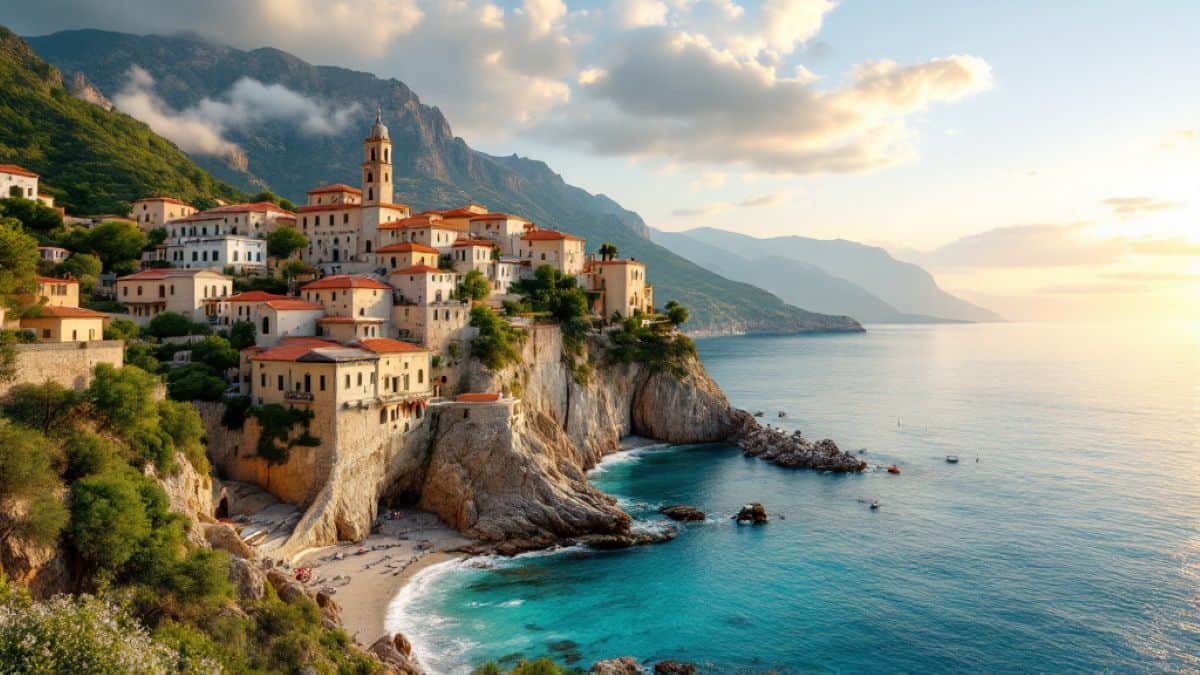
Image generated with Ai
Europe’s Biggest Travel Revolution is reshaping the way visitors explore the continent as Albania, Montenegro and Slovenia rise as powerful new tourism destinations. While Paris and Rome continue to attract millions of travellers, growing crowds and rising pressure on popular attractions are encouraging visitors to search for fresh experiences. This major travel revolution shows how tourists are moving towards quieter, authentic and more affordable destinations.
Albania, Montenegro and Slovenia now stand at the centre of Europe’s changing travel landscape, offering stunning coastlines, historic towns, natural beauty and unique cultural experiences. As Paris, Rome crowds push tourists away from traditional hotspots, emerging European destinations are gaining global attention. Therefore, this new tourism movement highlights a powerful shift where hidden gems are challenging famous cities and creating a new future for European travel.
Albania has emerged as one of Europe’s most exciting tourism destinations. Located along the Adriatic and Ionian seas, the country offers dramatic coastlines, historic towns, mountain landscapes and cultural attractions that are increasingly attracting international visitors.
Official tourism statistics from Albania show strong growth in international travel demand. The country has benefited from increasing interest in destinations that provide Mediterranean experiences without the same level of crowds seen in some traditional European coastal locations.
Advertisement
Advertisement
The Albanian Riviera has become a major attraction for travellers seeking crystal-clear waters, scenic villages and relaxed seaside experiences. Areas such as coastal towns, protected landscapes and historic locations are helping Albania build a stronger position in the European tourism market.
Beyond beaches, Albania offers a deep cultural experience. Ancient heritage sites, traditional villages and local cuisine provide visitors with opportunities to explore a different side of Europe.
The country’s combination of natural landscapes and competitive travel costs has made it increasingly attractive to younger travellers, adventure tourists and visitors searching for authentic European experiences.
Albania’s tourism growth also reflects a wider global trend. Many travellers are no longer only interested in famous destinations. They are looking for places where they can experience local culture, discover hidden landscapes and enjoy a more personal journey.
Advertisement
Advertisement
As Europe’s tourism landscape changes, Albania is positioning itself as a powerful alternative to crowded Mediterranean destinations.
Montenegro is another Balkan destination experiencing a major tourism rise. The small Adriatic country combines stunning coastal scenery, historic towns, national parks and mountain landscapes, making it one of Europe’s most attractive emerging destinations.
According to official statistics from the Statistical Office of Montenegro, the country recorded millions of tourist arrivals and overnight stays, with international visitors representing the majority of tourism activity.
The country’s biggest attraction is its unique combination of sea and mountains. Visitors can enjoy beaches along the Adriatic coast while also exploring dramatic landscapes, protected natural areas and historic settlements.
The Bay of Kotor remains one of Montenegro’s most famous attractions. The area offers medieval architecture, scenic views and cultural heritage that attract visitors from around the world.
Montenegro’s growing popularity shows how travellers are searching for destinations that offer multiple experiences in one journey. A visitor can explore historic streets, relax beside the sea and discover mountain landscapes without travelling long distances.
However, tourism growth also brings challenges. Some of Montenegro’s most popular areas are facing increasing pressure during busy periods. Managing visitor numbers, protecting heritage sites and maintaining environmental balance are becoming important priorities.
The country’s future tourism success will depend on finding the right balance between welcoming more visitors and protecting the natural and cultural assets that make Montenegro special.
Slovenia has become a leading example of how smaller European destinations can build successful tourism models based on sustainability and quality.
The country offers a different type of European experience. Instead of focusing only on large-scale tourism, Slovenia has developed a reputation for nature-based travel, wellness tourism, gastronomy and responsible visitor experiences.
Official Slovenian tourism data shows strong visitor demand, with millions of tourists arriving and significant growth in overnight stays. International visitors continue to play an important role in the country’s tourism development.
Slovenia’s attractions include alpine landscapes, forests, lakes, historic towns and cultural experiences. Famous destinations such as Lake Bled and Ljubljana continue to attract visitors, but more travellers are also exploring smaller regions across the country.
The country’s tourism strategy focuses on sustainability and spreading visitors across different areas. This approach helps reduce pressure on individual attractions while allowing more communities to benefit from tourism.
Slovenia represents the future direction of European travel. Many modern travellers want more than sightseeing. They want meaningful experiences, contact with nature and responsible ways to explore destinations.
This approach has helped Slovenia stand out in an increasingly competitive European tourism market.
The rise of Albania, Montenegro and Slovenia reflects a major change in traveller behaviour.
Today’s visitors are increasingly searching for:
Technology has also changed how people discover destinations. Social media, travel platforms and online reviews have introduced millions of travellers to places that were previously less known internationally.
A beautiful coastal village, a historic mountain town or a hidden nature area can now become a global attraction within a short time.
This has helped smaller European destinations compete with traditional tourism giants.
Travellers are also becoming more aware of the impact of overcrowding. Many visitors want to avoid places where tourism has become too intense. They are choosing destinations where they can enjoy a slower and more relaxed experience.
This does not mean Europe’s famous cities are losing their appeal. Paris, Rome and Barcelona remain among the world’s most recognised destinations. Their cultural importance and historical value continue to attract millions.
However, the future of European tourism will likely involve a wider distribution of visitors across more destinations.
The growing popularity of Albania, Montenegro and Slovenia highlights the changing balance of European tourism.
For many years, tourism growth was concentrated in Western European capitals and famous Mediterranean destinations. Now, countries in Southeast Europe are gaining stronger international recognition.
The Balkan region offers a powerful combination of attractions. Visitors can discover ancient history, dramatic landscapes, coastal beauty and local traditions in a single trip.
These destinations also benefit from increasing demand for value-based travel. Many tourists are looking for high-quality experiences without the high costs associated with some of Europe’s most famous locations.
Governments across Europe are also focusing more on sustainable tourism development. The goal is to support economic growth while protecting cultural heritage and natural environments.
For emerging destinations, this creates a major opportunity. If managed carefully, tourism can bring investment, create jobs and support local communities.
The challenge will be maintaining authenticity while welcoming more international visitors.
The rise of Albania, Montenegro and Slovenia signals a powerful transformation in European travel.
The continent is not losing its famous destinations. Instead, it is expanding its tourism identity.
The next generation of travellers wants discovery. They want stories, nature, culture and experiences that feel personal.
Countries that can offer these elements will continue to gain popularity.
Albania is attracting visitors with its Mediterranean coastline and cultural heritage. Montenegro is drawing attention with its Adriatic beauty and historic landscapes. Slovenia is leading with sustainable tourism and nature-focused experiences.
Together, these destinations represent a new European tourism era.
The biggest travel shift in Europe is not about replacing Paris, Rome or Barcelona. It is about opening the door to more destinations, more experiences and more balanced travel.
As millions of visitors search for Europe beyond the crowded hotspots, Albania, Montenegro and Slovenia are rising as powerful symbols of the continent’s exciting new tourism future.
Advertisement
Tags: Albania tourism growth, Balkan tourism, Europe travel trends, European hidden gems, Montenegro tourism
Advertisement
Advertisement












Saturday, September 5, 2026

Saturday, September 5, 2026

Saturday, September 5, 2026

Saturday, September 5, 2026

Saturday, September 5, 2026

Saturday, September 5, 2026

Saturday, September 5, 2026

Saturday, September 5, 2026



