
Kenya Gains Emirates A350 as Nairobi Welcomes First Premium Economy Service From Dubai

Published
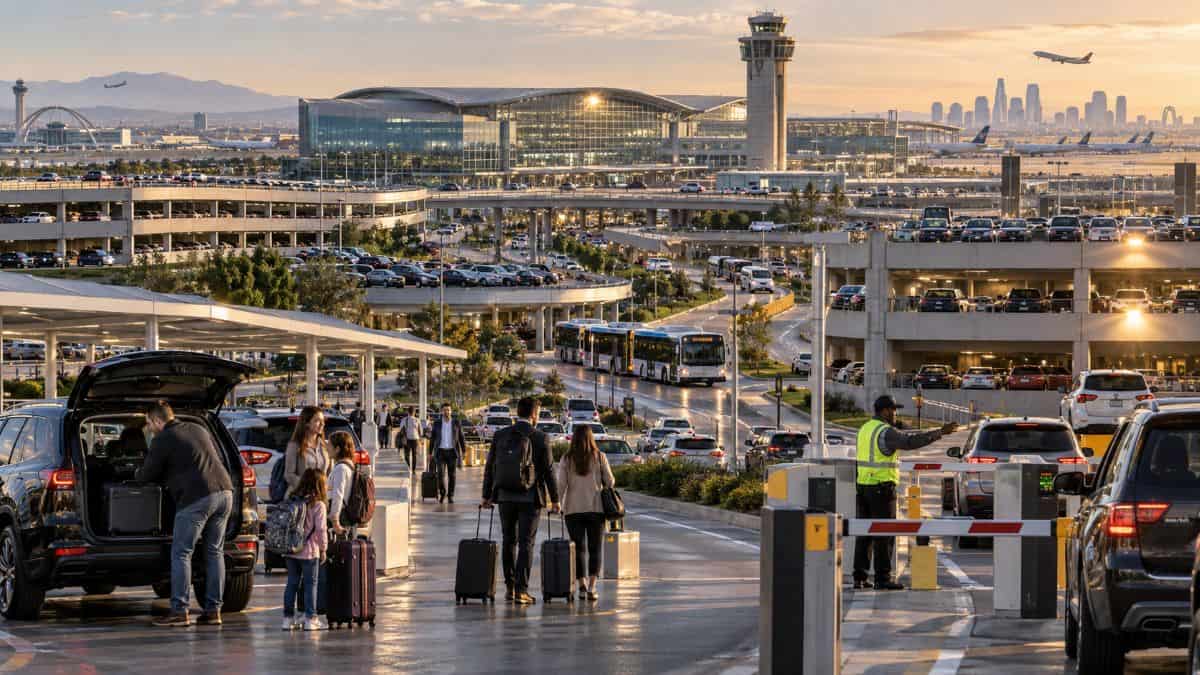
Image generated with Ai
Kenya gains the Emirates Airbus A350 as Nairobi welcomes its first Emirates Premium Economy service from Dubai on 25 October 2026, bringing a new cabin choice and the airline’s latest-generation aircraft to one of its important African markets. Emirates will deploy the A350 on flights EK717 and EK718 between Dubai and Nairobi, giving Kenyan travellers access to Premium Economy alongside Business and Economy Class on these services. The aircraft change follows Emirates’ expansion to three daily Dubai-Nairobi flights, strengthening both capacity and onward international connectivity.
The development matters for travellers because it adds another price and comfort category between Economy and Business Class on the A350-operated service.
Advertisement
Advertisement
For travel agents, corporate travel managers and tour operators, that creates an additional product to offer clients who want more space and enhanced service without moving into Business Class.
Emirates A350 Arrives in Nairobi on 25 October
Emirates has confirmed that its Airbus A350 will begin operating to Nairobi from 25 October 2026.
Advertisement
Advertisement
The aircraft will be assigned to:
| Flight | Route | Aircraft from 25 October |
|---|---|---|
| EK717 | Dubai to Nairobi | Airbus A350 |
| EK718 | Nairobi to Dubai | Airbus A350 |
Nairobi will become the 32nd destination served by the Emirates A350.
Advertisement
Advertisement
The aircraft accommodates 298 passengers across three cabins: Business Class, Premium Economy and Economy Class.
Its introduction represents another upgrade to Emirates’ Kenyan operation after the airline increased Nairobi frequencies earlier in 2026.
Advertisement
Advertisement
Premium Economy Comes to Kenya for the First Time
The biggest passenger-facing change is Premium Economy.
Emirates says the A350 deployment will mark the first availability of its Premium Economy cabin on flights to and from Kenya.
That gives passengers another option when selecting how they travel between Nairobi and Dubai.
The Premium Economy cabin includes leather reclining seats with additional legroom, adjustable headrests, charging facilities and 13.3-inch entertainment screens.
Advertisement
Advertisement
Passengers on the Nairobi service will also receive amenity kits.
The product could be particularly relevant for travellers whose budgets or corporate policies do not extend to Business Class but who are prepared to pay for additional comfort compared with Economy.
It could also appeal to long-haul passengers connecting through Dubai and continuing to destinations elsewhere on the Emirates network.
Business Class Gets Direct Aisle Access
Business Class on the Emirates A350 uses a 1-2-1 configuration.
That gives every passenger direct access to the aisle.
The seats convert into fully flat beds and include wireless charging and individual minibar facilities.
Advertisement
Advertisement
A self-service snack area is positioned towards the rear of the Business Class cabin.
For business travellers, the combination of direct aisle access and lie-flat seating can be particularly valuable when Nairobi-Dubai forms only one part of a longer international journey.
Economy Also Receives the New A350 Interior
Economy passengers will also encounter a different cabin environment.
Emirates’ A350 Economy cabin uses the airline’s latest interior design, including updated seats and entertainment technology.
The aircraft also includes Emirates’ latest version of its ice entertainment system.
The airline says its A350 cabins incorporate improved technology and connectivity across all three classes.
Advertisement
Advertisement
The significance of the Nairobi deployment is therefore broader than the introduction of Premium Economy alone. Passengers across the aircraft will experience Emirates’ newest aircraft generation.
Nairobi Now Has Three Emirates Flights Every Day
The A350 announcement follows another major capacity increase.
Emirates introduced its third daily Dubai-Nairobi flight on 1 July 2026.
That took the airline’s schedule to 21 flights each week between the two cities.
EK717 and EK718 form that third daily service.
The early schedule was specifically designed to improve connections with destinations in Europe and the United States.
Advertisement
Advertisement
Emirates says the return flight from Nairobi provides onward connections through Dubai towards destinations including the UK, France, Belgium, Spain, Italy and Portugal.
For travel sellers, three daily flights provide considerably more scheduling flexibility than one or two departures.
Dubai Provides Connections Beyond the Gulf
The commercial importance of the Nairobi route extends beyond travel between Kenya and the United Arab Emirates.
Dubai functions as Emirates’ global connecting hub.
Kenyan passengers use it for journeys towards Europe, North America, Asia and Australasia.
Emirates has identified destinations including Shanghai and Beijing in China, Melbourne, Brisbane and Sydney in Australia, and Seattle, New York and Washington in the United States among markets attracting outbound passengers from Kenya.
Advertisement
Advertisement
This network makes the A350 service particularly relevant to passengers who continue beyond Dubai.
Premium Economy availability on individual connecting sectors will still depend on the aircraft operating each flight, so agents should check the complete itinerary before promising the cabin throughout a journey.
Kenya Airways Partnership Extends Regional Reach
Emirates also has an interline partnership with Kenya Airways.
The agreement was established in 2023 and provides additional connectivity beyond Nairobi.
By July 2026, Emirates said more than 31,000 passengers had travelled across the two airlines’ networks under the partnership.
Connections include destinations such as Rwanda, Kilimanjaro, Mozambique and other regional markets.
Advertisement
Advertisement
This gives Nairobi a dual role.
It is an important destination in its own right while also functioning as a gateway for travellers continuing elsewhere in East Africa.
Added Capacity Supports Kenyan Tourism
Kenya has ambitious tourism growth targets, and aviation capacity is central to achieving them.
The country is seeking to attract five million international tourists by 2030.
Three daily Emirates flights give travellers from major source markets additional options for reaching Nairobi through Dubai.
The early arrival of EK717 can also be useful for tourists continuing beyond Nairobi to safari areas or the Kenyan coast.
Advertisement
Advertisement
For tour operators, flight timings influence much more than air tickets.
They determine whether a traveller can make a domestic connection, reach a lodge on the same day or requires an additional overnight stay in Nairobi.
Cargo Capacity Also Increased With Third Daily Service
The additional Emirates frequency has benefits beyond passenger travel.
When Emirates introduced its third daily service, it said the flight would provide approximately 280 tonnes of additional weekly cargo capacity.
Together with Emirates SkyCargo freighter operations, the airline reported moving more than 1,100 tonnes of goods into and out of Kenya each week.
Cargo is particularly important for Kenya’s flower and fresh-produce exporters, where speed to international markets can directly affect product quality and commercial value.
Advertisement
Advertisement
The Nairobi expansion therefore connects passenger tourism with a broader trade relationship between Kenya, Dubai and markets beyond the Gulf.
What Travel Agents Should Prepare For
The October aircraft change creates several practical tasks for travel sellers.
Agents should become familiar with:
- the A350 cabin configuration;
- Premium Economy seat features;
- fare differences between cabin classes;
- baggage conditions attached to individual fares;
- corporate travel policies covering Premium Economy;
- onward sectors where Premium Economy is available;
- aircraft changes that could affect the booked cabin product.
Premium Economy should not automatically be presented as a substitute for Business Class.
It is a distinct product positioned between Economy and Business, and customers should understand exactly what is included before purchasing.
Conclusion
Kenya gains the Emirates A350 as Nairobi welcomes its first Premium Economy service from Dubai because Emirates is upgrading EK717 and EK718 with its newest aircraft from 25 October 2026.
Advertisement
Advertisement
The change introduces a genuine new cabin choice for Kenyan passengers. Premium Economy joins Business and Economy aboard the 298-seat A350, while the wider Nairobi operation now benefits from three daily Emirates flights and 21 weekly connections with Dubai.
For travellers, the biggest development is greater choice. For agents, the opportunity lies in matching the right cabin to the right customer while using Dubai’s extensive onward network to construct international journeys.
Kenya’s Emirates A350 arrival therefore represents more than an aircraft substitution. As Nairobi welcomes its first Emirates Premium Economy service from Dubai, passengers gain another way to balance price and comfort while Kenya receives the airline’s latest-generation onboard product.
Advertisement
