
Jordan Moves Alongside France, Qatar And More As Canada Issues New Travel Advisory Amid Rising Protests, Border Risks, And Drone Threats

Published
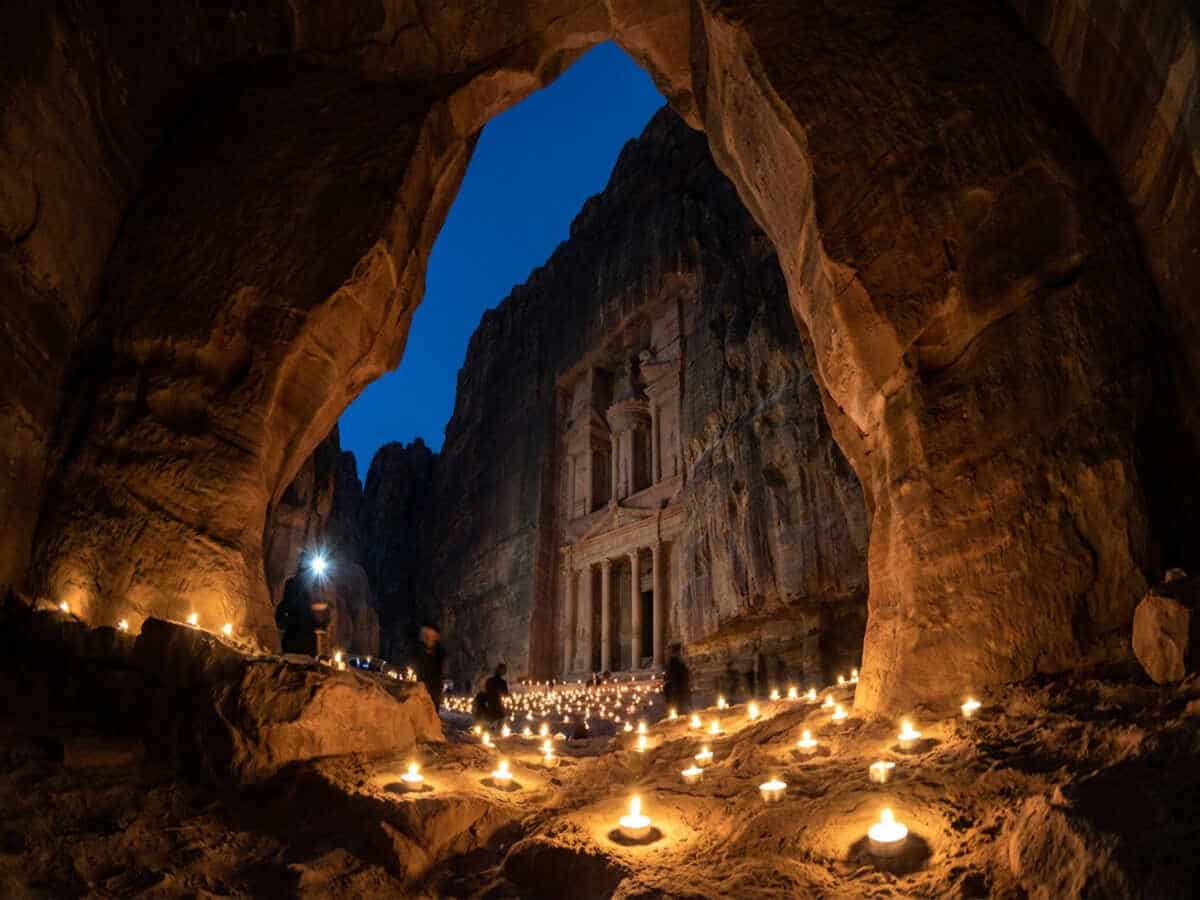
The Canadian government has issued warnings for Jordan, France, and Qatar advising citizens to be highly cautious in light of increasing security threats. Global trends in travel security have seen a synchronization of safety instructions by governments in the face of increasing instability globally on several continents. The Government of Canada, through Global Affairs Canada, has classified Jordan along with some other major European and Gulf countries such as France and Qatar within the same high level of caution advisory warning: “Exercise a high degree of caution.”
While the overarching label issued by the Canadian Government appears identical across these nations, the underlying drivers range from active regional warfare, missile and drone interceptions, and heavily militarized frontier friction in the Middle East, to nationwide civil unrest, curfews, organized transport strikes, and entrenched terrorism concerns across Western Europe. For Canadian globe-trotters, international business delegates, and transit passengers, navigating these updated advisories requires an understanding of the localized security vectors, operational border closures, strict civic statutes, and non-negotiable entry protocols now governing each territory.
Advertisement
Advertisement
The Global Advisory Matrix: At a Glance
To navigate the divergence between localized civil disruption, regional spillover, and outright border hazards, the core parameters of Canada’s travel advisories across the featured destinations are broken down below:
| Destination | Primary Canadian Advisory Level | Critical High-Risk Sub-Zones | Predominant Threat Factors | Urgent Administrative Requirements |
| Jordan | Exercise a high degree of caution | Within 5 km of Syria & Iraq; East of Ruwaished; Zarqa & Western Mafraq | Drone/missile interception debris, cross-border armed clashes, terrorism, flash demonstrations | 6-month passport validity; Mandatory police registration within 13 days if staying over 14 days |
| France | Exercise a high degree of caution | Urban protest epicenters (Paris, Lyon, Marseille); curfew zones | Nationwide general strikes, violent protests, tear gas usage, organized transit theft, counter-terror posture | Strict compliance with municipal curfews; strict ban on public face coverings (Vigipirate rules) |
| Qatar | Exercise a high degree of caution | Regional air corridors, maritime border frontiers | Arabian Peninsula terrorism threat, regional missile/drone warfare spillover, flight corridor disruption | Absolute ban on photographing military infrastructure; compliance with conservative legal dress codes |
Jordan: Militarized Frontiers, Drone Interceptions, and Heightened Internal Security
Jordan has historically served as a diplomatic anchor in an otherwise turbulent region, yet intensifying regional confrontations have prompted Canadian authorities to implement aggressive, localized “Avoid Travel” exclusions within its borders.
Advertisement
Advertisement
Jordan Travel Risk Map Overview – Regional Security Advisory
| Region / Location | Travel Risk Level | Primary Security Threats | Traveller Safety Advisory |
|---|---|---|---|
| Syria–Jordan Border | AVOID ALL TRAVEL | Cross-border violence, mortar fire and military activity | Avoid travelling within 5 km of the Syrian border due to potential armed conflict and cross-border security incidents. |
| Mafraq Governorate (West of Ruwaished) | AVOID NON-ESSENTIAL TRAVEL | Missile debris, drone fragments and regional security threats | Postpone non-essential journeys and remain alert to falling debris associated with aerial interceptions. |
| Eastern Ruwaished and Highway 10 | AVOID ALL TRAVEL | Military operations, remote terrain and extremely limited emergency medical assistance | Avoid travelling east of Ruwaished, particularly along Highway 10, due to security threats and limited emergency response capabilities. |
| Zarqa Governorate | AVOID NON-ESSENTIAL TRAVEL | Aerial interception fragments and falling missile debris | Limit unnecessary travel and follow local security instructions during aerial incidents. |
| Amman, Petra and Jerash | EXERCISE A HIGH DEGREE OF CAUTION | Heightened security checkpoints, demonstrations and possible public disturbances | Remain vigilant in tourist areas, avoid protests and allow additional time for security checks. |
| Aqaba and Southern Transport Hubs | HEIGHTENED VIGILANCE | Maritime security threats, missile activity and potential airspace disruptions | Monitor official security notifications and transport updates, particularly around Aqaba Port and nearby transport facilities. |
| King Hussein International Airport (Aqaba) | HEIGHTENED VIGILANCE | Potential airspace restrictions, missile threats and regional aviation disruptions | Confirm flight operations directly with airlines and airport authorities before travelling. |
Risk-level interpretation
| Advisory Classification | Meaning | Recommended Action |
|---|---|---|
| Avoid All Travel | Areas potentially exposed to serious security threats or armed conflict | Do not travel to these locations. |
| Avoid Non-Essential Travel | Elevated risks involving regional military activity or security incidents | Travel only when absolutely necessary. |
| Exercise a High Degree of Caution | Security risks requiring increased personal awareness | Continue travel with additional precautions and monitor official advisories. |
| Heightened Vigilance | Location-specific threats affecting aviation, maritime transport or public safety | Monitor operational updates and follow instructions from local authorities. |
High-Risk No-Go Sectors
Global Affairs Canada strictly delineates between standard tourist routes and volatile boundary perimeters:
Advertisement
Advertisement
- The 5-Kilometer Northern & Eastern Buffer: Canadian travelers are told to avoid all travel within 5 kilometers of the borders with Syria and Iraq. These frontiers are heavily militarized, characterized by active surveillance and armed clashes involving mortar fire, small arms exchanges, illicit cross-border smuggling, and terror infiltration. Jordanian security forces are authorized to engage any unidentified vehicles or pedestrians moving near these demarcation lines without warning.
- The Northeastern Desert Expanse (East of Ruwaished): An unconditional avoid all travel alert covers every territory east of the township of Ruwaished, explicitly incorporating Highway 10 onward toward the Iraqi border. This quadrant is subject to unannounced military exercises and maneuvers, compounded by a total absence of emergency trauma and civilian rescue services.
- Zarqa and Mafraq Governorates: An avoid non-essential travel advisory governs the entire Zarqa Governorate and the expanse of Mafraq Governorate west of Ruwaished. The hazard here is modern aerial warfare: regional air defense batteries routinely intercept ballistic missiles and unmanned aerial vehicles (UAVs) overhead, raining down heavy shrapnel and unexploded military debris over rural and semi-urban communities.
Internal Terrorism and Security Checkpoints
The domestic threat landscape within the Hashemite Kingdom remains acute:
- Target Vulnerabilities: Extremist groups retain both intent and operational capability to strike government installations, police precincts, civilian transportation networks, houses of worship, and commercial venues heavily patronized by foreign nationals—such as luxury hotels, bars, coffee shops, and open markets.
- The Hmood Incident: A deadly shooting occurred at a church in Hmood, situated in the Karak Governorate, resulting in casualties. This attack triggered countrywide counterterrorism raids, localized lockdowns, and an extensive network of mobile military checkpoints. Travelers must anticipate random vehicular inspections, stop-and-search protocols, and identity verifications, especially when moving between southern governorates.
- Southern Logistics Hubs: Authorities urge maximum personal vigilance around Aqaba Port and King Hussein International Airport due to the elevated potential for maritime drone incursions and aerial disruptions.
Demonstrations, Civil Discontent, and Flashpoints
Civic rallies are frequent throughout Jordan, predominantly escalating on Friday afternoons following midday congregational prayers.
- Focal Points of Unrest: Major demonstrations concentrate in Amman—specifically in front of the Prime Ministry at the 4th Circle on Zahran Street, the Al Husseini Mosque downtown, the Parliament in Abdali, and the Al Kalouti Mosque adjacent to the Israeli Embassy in Rabieh.
- Refugee Camp Perimeters: Large-scale protests routinely emerge from major camps, including Al-Wehdat in South Amman and the Baqa’a camp along the Amman-Jerash highway. Entry into Syrian refugee installations (such as Zaatari and Azraq) is strictly illegal without prior authorization from the Government of Jordan.
- Secondary Cities: Recurrent unrest, roadblocks, and tear-gas dispersals also affect urban centers such as Irbid, Karak, Ma’an, Madaba, Mafraq, Salt, and Zarqa.
Administrative, Border, and Entry Rules
- Passport Longevity: Canadian passports must maintain a minimum validity of six months beyond the designated departure date from Jordan.
- The 14-Day Mandatory Registration Rule: Travelers intending to remain in Jordan for more than 14 days on a general visitor or extended tourist visa must physically register with a local police precinct or the Public Security Directorate within 13 days of arrival. Neglecting this bureaucratic mandate incurs compounding financial penalties upon departure.
- Border Crossings & Visas: Visas on arrival are available at Queen Alia International Airport, the Sheikh Hussein Bridge, and Wadi Araba (Aqaba). However, no visas on arrival are issued at the King Hussein Bridge (Allenby crossing); travelers entering Jordan from the West Bank must secure an electronic visa or embassy-issued stamp in advance. Operations across all western river crossings remain subject to instantaneous closure without notice.
France: General Strikes, Urban Flashpoints, Curfews, and Vigilance Postures
France presents an entirely different threat profile that warrants the identical “Exercise a high degree of caution” classification. Here, security risks stem from organized political demonstrations, sudden nationwide general strikes, localized municipal curfews, and sophisticated property crime cartels operating against travelers.
France Security Architecture: Nationwide Protests, Transport Disruptions, Curfew Measures and Counter-Terrorism Preparedness – October 2026
| Security Framework | Areas of Concern | Security Measures and Reported Risks | Implications for Travellers |
|---|---|---|---|
| Nationwide Strikes and Demonstrations | France, particularly major cities and transport networks | Coordinated days of action are listed for 24–25 October 2026. Potential disruption involves public demonstrations, protest gatherings and industrial action. | Travellers should monitor official announcements, avoid protest locations and allow additional journey time. |
| Rail, Metro and Aviation Disruptions | SNCF railway services, RATP metro networks and air traffic control | Possible railway cancellations, metro interruptions and flight delays if workers participate in industrial action. | Check SNCF, RATP, airline and airport notices before departure. |
| Protest-Related Public Safety Risks | Demonstration routes, central squares, major intersections and government districts | Potential confrontations involving projectiles, smoke devices, barricades and police use of tear gas. | Avoid confrontation zones, follow police instructions and move away from escalating gatherings. |
| Municipal Curfews and Local Restrictions | Selected districts experiencing significant urban unrest | Local authorities may introduce temporary night-time movement restrictions or issue police dispersal orders where legally authorised. | Verify municipal or prefectural orders before travelling at night and comply with applicable restrictions. |
| Vigipirate Counter-Terrorism Measures | Railway stations, religious sites, monuments, tourist attractions and other sensitive locations | France’s Vigipirate framework supports heightened vigilance, security screening and protective measures in sensitive areas. | Expect possible bag inspections, restricted access and additional security checks. |
| Operation Sentinelle Military Patrols | Major transport terminals, public landmarks, places of worship and crowded public spaces | Armed military personnel may support domestic security through patrols and protection of sensitive sites. | Follow security directions and avoid obstructing controlled areas. |
| Transport-Related Theft and Organised Pickpocketing | RER B, Eurostar connections, crowded stations and major tourist destinations | Pickpocketing, distraction theft and opportunistic criminal activity can affect passengers carrying luggage and valuables. | Secure passports, mobile phones, wallets and bags, particularly during boarding and transfers. |
| Emergency Response and Traveller Assistance | Nationwide | Police, emergency medical services and local authorities provide assistance during security incidents. | Call 112 for emergencies across France and follow official government travel advice. |
Civil Unrest and the Strike Infrastructure
Mass social movements across France regularly disrupt civil infrastructure:
- The October 24–25 Days of Action: A coordinated national day of action across major French metropolitan areas has triggered widespread service outages. Demonstrations in Paris, Marseille, Lyon, Toulouse, and Nantes routinely shut down arterial thoroughfares, cause the cancellation of public sporting and arts exhibitions, and grind municipal transit to a halt.
- Volatility of Demonstrations: Protests in France frequently shift from peaceful rallies to confrontations between radical black-bloc factions and law enforcement. Tactics include setting fire to street infrastructure, vandalism, looting of retail corridors, and the hurling of glass bottles and smoke grenades. Riot control units respond with flash-bang charges, water cannons, and heavy tear gas barrages.
- Localized Curfews: Canadian citizens must monitor regional prefectures, as municipal authorities in multiple jurisdictions have enacted targeted evening curfews to curb nighttime rioting. Violating a municipal curfew can lead to immediate arrest and deportation proceedings.
The Sustained European Terrorism Threat
The baseline terrorism alert across Western Europe remains high under France’s multi-tier security framework:
- High-Density Targets: Attackers have historically singled out soft targets including concert auditoriums, nightclubs, educational facilities, major train terminals, and bustling boulevard cafes.
- High-Threat Windows: Travelers should heighten their situational awareness during large-scale sporting tournaments, seasonal holiday celebrations, election cycles, and prominent state visits.
- Security Presence: Expect visible, heavily armed patrols from Operation Sentinelle operating alongside the National Police and Gendarmerie in international terminals, subway stations, and tourist epicenters like the Eiffel Tower, the Louvre, and Montmartre.
Street Crime, Syndicates, and Cyber Vulnerabilities
- Distraction Schemes: Pickpocket rings frequently deploy diversionary schemes—including staged drink spills, faux charity petition clipboards, unrequested luggage handling, or loud mock arguments—to strip travelers of passports, mobile devices, and wallets.
- High-Risk Transit Corridors: Theft syndicates operate aggressively on airport express rail systems (such as the RER B connecting Charles de Gaulle Airport to central Paris) and high-speed international trains connecting Paris to Brussels, Amsterdam, and London.
- Digital and Financial Fraud: Card-skimming devices remain a persistent risk at public automated teller machines (ATMs) and outdoor ticket kiosks. Public Wi-Fi access points in parks and central squares are frequently spoofed to siphon personal data, making the use of encrypted virtual private networks (VPNs) and personal power banks strongly recommended over public USB charging bays.
Qatar: Regional Shockwaves, Aerial Vulnerabilities, and Judicial Restraints
Qatar’s security environment is characterized by minimal domestic street crime paired with severe geopolitical exposure to Middle Eastern warfare, drone activity, and an uncompromising domestic legal system that penalizes actions commonly considered routine in Western societies.
Advertisement
Advertisement
Qatar Risk Environment: Security, Legal Restrictions and Terrorism Awareness
| Risk Category | Key Risk Factors | Potential Impact on Travellers | Safety Precautions |
|---|---|---|---|
| Geopolitical Vulnerabilities | Volatile regional security conditions, including potential missile and drone warfare | Sudden security alerts, disruption to tourism activities and heightened emergency measures | Monitor official government travel advisories and follow local security instructions |
| Maritime Security Tensions | Potential maritime border disputes and escalating tensions in the Persian Gulf | Possible restrictions on maritime transport, cruise itineraries and coastal activities | Verify maritime travel advisories and follow authorised navigation guidance |
| Aviation and Airspace Disruptions | Possible airspace restrictions, civilian flight diversions and temporary flight groundings | Flight cancellations, extended journey times, missed connections and unexpected transit delays | Monitor airline notifications, check flight status and maintain flexible travel arrangements |
| Strict Photography Restrictions | Restrictions on photographing or filming military installations, security equipment, sensitive facilities or conflict-related damage | Potential detention, confiscation of equipment and legal proceedings | Avoid recording military or security-sensitive locations without explicit authorisation |
| Legal Penalties and Enforcement | Serious offences may attract substantial fines, imprisonment or deportation, depending on the circumstances | Legal complications, travel interruptions and possible removal from the country | Comply with Qatari law and seek official guidance when uncertain |
| Public Conduct and Cultural Regulations | Conservative social expectations and laws governing public behaviour and dress | Possible warnings, fines or other legal consequences for prohibited conduct | Respect local customs, dress appropriately and observe public conduct regulations |
| Terrorism Awareness | Continuing regional terrorism concerns, including potential threats to transport infrastructure and crowded public locations | Heightened screening, increased security presence and possible disruption at transit hubs | Remain vigilant in crowded areas, follow security instructions and report suspicious activity |
Regional Volatility and Air Corridors
Positioned centrally within the Persian Gulf, the State of Qatar operates under the direct shadow of ongoing regional proxy and state conflicts:
- Missile and Drone Incursions: Escalating regional strikes introduce clear operational risks for civilian air traffic. While domestic ground facilities remain secure, unexpected incursions into Gulf airspace can precipitate sudden commercial ground stops, holding patterns, and route adjustments for carriers operating out of Hamad International Airport.
- Regional Terrorism: Transnational terror networks operating across the Arabian Peninsula maintain an active strategic ambition to conduct attacks within Gulf states. Areas of concern include regional transportation arteries, state administrative offices, prominent international hotel chains, foreign commercial offices, and Western-style shopping centers.
Stringent Judicial Frameworks and Photography Prohibitions
The legal exposure for foreign travelers in Qatar is rigid, with local courts enforcing statutes without granting foreign exemptions:
- Surveillance and Imagery Laws: Canadian travelers must take extreme care regarding photography. Taking photographs, capturing video footage, or sharing imagery online depicting military sites, security installations, defense assets, police personnel, or architectural damage from regional strikes is illegal. Convictions carry steep judicial fines, prolonged prison sentences, and immediate deportation upon release.
- Public Decorum and Moral Statutes: Conservative societal standards are codified into enforceable law. Travelers must ensure clothing covers shoulders and knees in public environments, avoid all public displays of affection (PDA), and consume alcohol solely within licensed hospitality venues. Intoxication in public spaces is a criminal offense that frequently leads to detention.
- Consular Realities: The Canadian government cannot supersede the sovereignty of Qatari courts or extract citizens detained under national security or civil indecency statutes.
Strategic Travel Preparation for Canadians Abroad
When moving through territories governed by elevated warnings, passive awareness is insufficient. Implementing structured travel habits helps mitigate operational, medical, and administrative disruptions.
Traveller Readiness Checklist for Canadian International Travellers
| Travel Phase | Essential Safety Requirement | Traveller Action Checklist |
|---|---|---|
| Pre-Departure | Registration of Canadians Abroad (ROCA) | Register through travel.gc.ca and provide accurate travel destinations, dates and contact information. |
| Pre-Departure | Passport and Visa Verification | Check destination-specific passport validity requirements, including six months where applicable. Confirm visa eligibility and securely store digital copies of essential documents. |
| Pre-Departure | Emergency Medical Coverage | Confirm that travel insurance covers emergency medical treatment, evacuation and repatriation. Check exclusions involving terrorism, armed conflict and war-related incidents. |
| In Transit | Border and Conflict-Zone Safety | Review official advisories and maintain the recommended distance from restricted borders and active conflict areas. Do not assume a five-kilometre clearance is sufficient. |
| In Transit | Civil Unrest and Public Security | Avoid political demonstrations, large gatherings, strikes and areas affected by curfews. Follow local security instructions and official travel advisories. |
| In Transit | Photography and Digital Security | Avoid unauthorised photography or filming of military facilities, checkpoints, defence installations and other restricted security locations. |
| Emergency Response | Global Affairs Canada Emergency Watch and Response Centre | Save the 24-hour emergency assistance number: +1 613 996 8885. |
| Emergency Response | Family Communication and Crisis Coordination | Establish secure communication arrangements, emergency contacts and alternative ways to reach family members and dependants. |
Essential Protocols Before and During Travel
- Direct Registration (ROCA): Every Canadian traveler moving through Jordan, France, or Qatar should immediately enroll in the Registration of Canadians Abroad (ROCA) service via
travel.gc.ca. This registry allows diplomatic missions to broadcast emergency notifications, evacuation corridors, or airspace shutdown procedures directly to your device. - Insurance Verification: Standard travel insurance frequently contains exclusion clauses regarding acts of war, civil riots, terror incidents, or travel into areas under an active “Avoid All Travel” advisory. Ensure policies explicitly encompass cross-border medical evacuation and security extraction coverage.
- Emergency Consular Access: Store the contact details for the Emergency Watch and Response Centre in Ottawa, operable 24/7 for urgent distress scenarios:
- Direct Telephone:
+1 613 996 8885(collect calls accepted where available) - Direct Email:
[email protected] - Emergency SMS:
+1 613 686 3658 - Verified WhatsApp Channel:
+1 613 909 8881
- Direct Telephone:
Jordan is highly warned of by Canada, along with France and Qatar because of the increasing border incidents, violent demonstrations, and the threat of drones.
Through vigilance, adhering to statutory laws, and abiding by border and municipal regulations, international visitors are able to adapt to changing security environments and reduce their exposure abroad.
Advertisement
