
South Moravia Brings Vineyard Stays Into Czechia’s Wine Country

Published
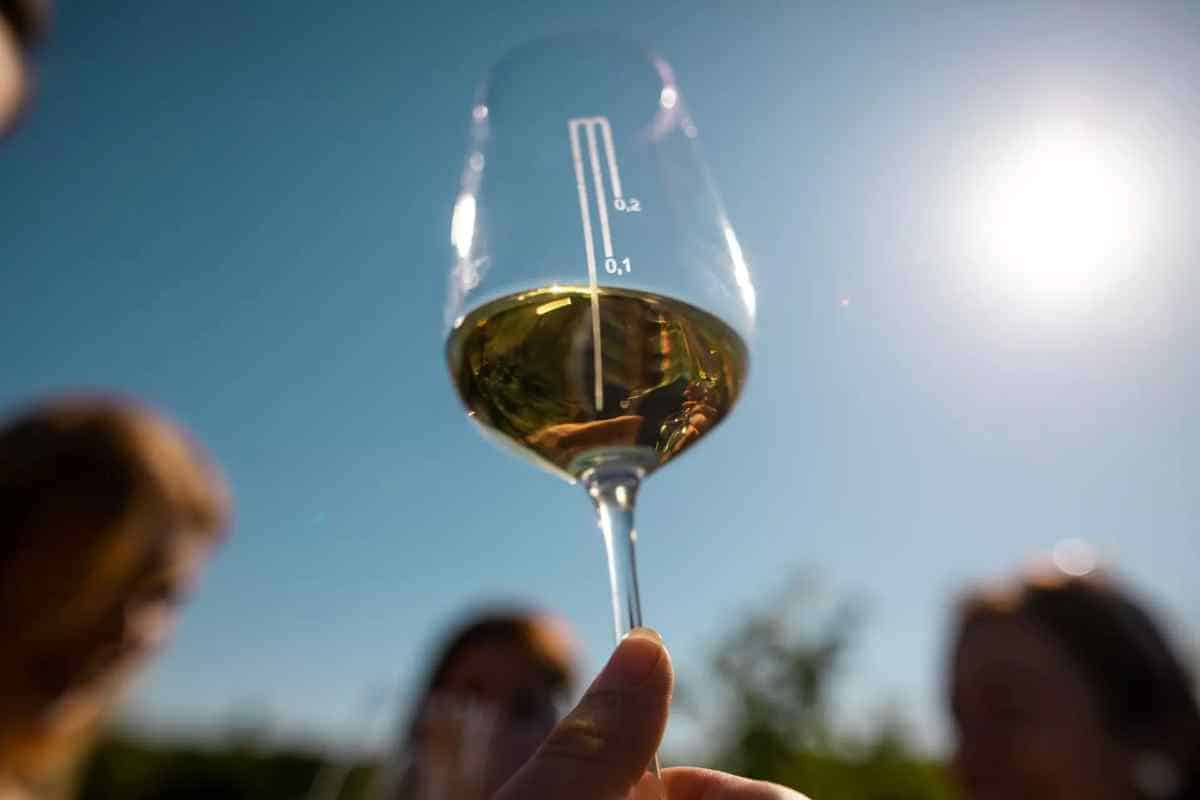
In terms of wine tourism in Czechia, the South Moravian region, Pálava and Mikulov are gaining greater significance with each passing day, as travellers choose accommodations that will put vineyards, local cuisine and nature right at the heart of their holidays. The September 2026 project relates to a series of small boutique hotels designed as part of historic terraced vineyards in the region of Pálava. As for the specific opening date, which includes the use of rammed-earth construction techniques, underground thermal cellars and biodynamic principles, independent verification has been impossible with the help of available official sources. However, what can definitely be stated is that the region is marked by strong ties between wine, landscape, heritage and protected nature.
Pálava Blends Wine And Protected Nature
The Pálava Protected Landscape Area sits around the limestone hills north of Mikulov and forms part of a landscape recognised for its geological, ecological and cultural value.
The wider Pálava area is also part of the Lower Moravian Biosphere Reserve, designated by UNESCO’s Man and the Biosphere Programme. The reserve encompasses wetlands, forests, vineyards, agricultural land and settlements, creating an environment where farming and conservation exist alongside one another.
For travellers, this makes the wine experience broader than cellar visits.
Advertisement
Advertisement
A day can combine vineyard walks with cycling, hiking, historic towns and views across the South Moravian countryside.
Mikulov Is The Natural Starting Point
Mikulov is one of the region’s best-known wine destinations.
Advertisement
Advertisement
The historic town sits beneath Pálava’s limestone hills and is surrounded by vineyards. Its skyline is dominated by Mikulov Castle, while the Holy Hill provides panoramic views across the surrounding countryside.
Wine travellers can explore local cellars, taste Moravian varieties and then walk through the historic centre.
Advertisement
Advertisement
The town’s compact layout makes it particularly suitable for visitors who want to combine wine tourism with cultural sightseeing rather than spending an entire holiday inside a resort.
Moravian Wine Has A Distinct Identity
South Moravia produces the majority of Czechia’s wine and is divided into several wine subregions.
The Mikulov wine subregion, which includes Pálava, is particularly associated with white wines. The area’s limestone-rich soils and local climate have helped establish varieties including Riesling, Grüner Veltliner, Welschriesling and Pálava.
Pálava itself is also the name of a grape variety developed in the former Czechoslovakia, known for producing aromatic white wines.
Advertisement
Advertisement
For visitors, wine tasting is therefore closely tied to place. The vineyards, geology, villages and cellars all form part of the experience.
Pavlov Adds A Village Perspective
Just below the Pálava hills, Pavlov provides another useful stop on a wine itinerary.
The village is surrounded by vineyards and has a strong winemaking tradition. Its position beneath Děvín hill makes it particularly attractive for travellers interested in combining tasting experiences with walking and landscape photography.
The Archaeological Park Pavlov adds another layer, documenting prehistoric settlements associated with early modern humans.
This combination of archaeology, wine and protected landscape gives the village a broader tourism identity than wine alone.
Cycling Through The Vineyards
South Moravia is particularly well suited to cycling holidays.
Advertisement
Advertisement
The region has an extensive network of marked cycling routes linking vineyards, villages, castles and natural areas. Routes around Mikulov and the Lednice-Valtice area allow travellers to move between attractions without relying entirely on cars.
Cycling also changes the pace of wine tourism.
Visitors can stop at individual wineries, explore village streets and continue through the vineyards at their own speed. During harvest season, the landscape becomes especially active as wineries and vineyards prepare for grape processing.
Architecture Is Becoming Part Of The Experience
The boutique lodge concept described in the September 2026 brief reflects a wider international movement towards accommodation that is closely integrated with rural landscapes.
South Moravia already has examples of wine-oriented accommodation in and around vineyards, ranging from family-run guesthouses to modern boutique properties.
The specific claim that new micro-lodges are being embedded directly into historic vineyard terraces should, however, be treated cautiously until confirmed by local authorities or the operators involved.
Advertisement
Advertisement
For travellers, the broader trend remains clear: accommodation is increasingly being positioned as part of the wine experience rather than simply somewhere to sleep after a tasting tour.
Heritage And Wine Work Together
The Pálava landscape contains numerous cultural attractions alongside vineyards.
Mikulov Castle, the Holy Hill, Lednice and Valtice are among the region’s most prominent visitor attractions. The Lednice-Valtice Cultural Landscape, a UNESCO World Heritage Site, combines historic architecture, gardens, forests, ponds and avenues across a vast designed landscape.
This allows visitors to build multi-day itineraries that mix wine with history, cycling and nature.
When To Visit South Moravia
The period of late spring and early fall can be especially convenient for vineyard tourism because of the warm weather and favorable conditions for bike riding and hiking. Moreover, September and October provide an opportunity for grape harvest and participation in many wine festivals, the dates of which are different from place to place and should be researched beforehand. Another option is to include Pálava wine tourism in your general tour plan around Czechia. You can visit Prague and Brno and travel further south to the vineyards or you may take Vienna as the point of entry and exit of your international tour, as this city is somewhat closer to the Pálava area than any other part of Czechia. The Pálava area offers visitors a unique choice for a Czechia tourist map – the combination of wine, nature reserves, historical villages, and countryside architecture. In this area, the vineyard is one of the main attractions.
Advertisement
