
Alaska Aligns With Nevada And More US States As 0.4% Tourism Growth Slows Amid Stricter Border And Visa Delays

Updated
Published
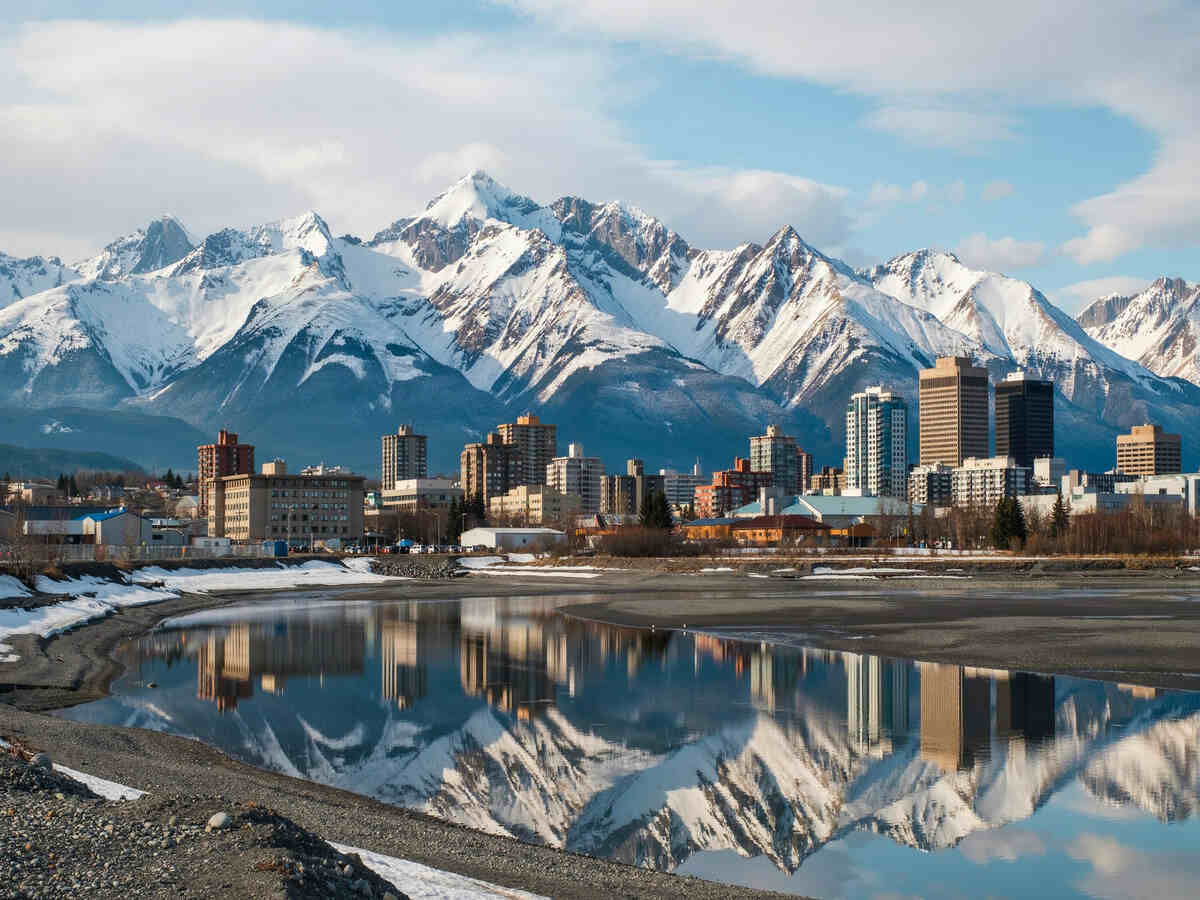
Image generated with Ai
Tourism growth in the US declines to 0.4% in 2026 due to difficulties with visas, border procedures and expenses. The US tourism sector began 2026 with a decline in its momentum, because world travelers became increasingly concerned about their expenses, border procedures, and the difficulty of obtaining visas. Based on the UN data for tourism, the number of foreign tourists that visited the USA from January to June of 2026 fall by 0.4%.
The result highlights growing pressure on one of the world’s largest tourism markets. Although the United States remains a powerful destination because of its cities, national parks, entertainment hubs and major events, international travellers are increasingly comparing affordability, entry convenience and overall travel experience before choosing their destinations.
The slowdown has affected multiple tourism-dependent states, including Alaska, Nevada, Florida, California, Hawaii, Vermont and Maine, where international visitors play an important role in hotels, attractions, cruises, shopping, restaurants and local economies.
The weaker performance comes despite major tourism opportunities in 2026, including global sporting events and increased international attention. Industry groups have pointed to factors such as longer visa processing times, higher airfare prices, stricter immigration procedures and changing traveller confidence as reasons behind weaker demand.
Advertisement
Advertisement
US Tourism Growth Table 2026: Key Challenges Impacting Visitor Demand
| Category | Situation In 2026 |
|---|---|
| International tourist arrivals | -0.4% January–June 2026 ( UN Tourism ) |
| Main pressure | Slower overseas visitor growth |
| Major affected markets | Canada, Asia and some European markets |
| Main concerns | Visa delays, border procedures, travel costs |
| Most affected states | Alaska, Nevada, Florida, California, Hawaii |
| Key tourism sectors impacted | Hotels, airlines, attractions, shopping and entertainment |
| Recovery opportunity | Major events, improved connectivity and tourism promotion |
Alaska Faces Tourism Pressure As International And Canadian Visitors Slow
Alaska has emerged as one of the destinations facing strong tourism pressure because of its dependence on international travellers and Canadian visitors.
The state attracts millions of visitors through:
Advertisement
Advertisement
- Glacier adventures
- Wildlife experiences
- Cruise tourism
- National parks
- Arctic landscapes
- Outdoor adventure travel
However, Alaska’s tourism model depends heavily on travellers willing to undertake long-distance journeys. When international visitors face higher airfare, visa uncertainty or economic pressure, destinations requiring expensive long-haul trips often feel the impact first.
Canadian travellers are particularly important for Alaska because of geographical connections and regional travel patterns. A slowdown in Canadian tourism has created challenges for destinations that depend on cross-border visitors. Tourism analysis has identified Alaska among states exposed to reduced Canadian visitor spending.
Advertisement
Advertisement
The impact is visible across:
- Cruise operations
- Local tour companies
- Hotels
- Restaurants
- Adventure tourism businesses
Alaska continues promoting its natural attractions, but rebuilding international visitor confidence remains a key challenge.
Nevada And Las Vegas Experience International Tourism Pressure
Nevada, especially Las Vegas, is another major tourism destination facing slower international demand.
Las Vegas attracts visitors through:
Advertisement
Advertisement
- Casino entertainment
- Luxury resorts
- Concerts and shows
- Sports events
- Conferences
- Shopping experiences
The city has traditionally benefited from strong overseas visitors and Canadian travellers. However, reduced international travel demand has created pressure on visitor numbers and tourism spending.
Challenges include:
- Higher hotel costs
- Expensive flights
- Reduced international leisure travel
- Lower spending from some overseas markets
Las Vegas tourism officials have focused on attracting visitors through entertainment expansion, major sporting events and international marketing campaigns.
The city remains one of America’s strongest tourism destinations, but the slowdown demonstrates how dependent large tourism hubs are on international confidence.
Florida Tourism Faces Pressure From Lower Overseas And Canadian Demand
Florida remains one of the most visited states in the United States, attracting travellers through:
- Orlando theme parks
- Miami beaches
- Florida Keys
- Cruise ports
- Gulf Coast resorts
However, some tourism segments have experienced weaker international demand.
Advertisement
Advertisement
Florida depends heavily on:
- Canadian winter travellers
- European holidaymakers
- Latin American visitors
A decline in Canadian arrivals has particularly affected destinations built around winter tourism and seasonal visitors. Florida’s tourism businesses have faced challenges from higher travel expenses and changing international travel behaviour.
Major tourism areas affected include:
Orlando
Orlando continues attracting millions through theme parks and entertainment, but international visitors are sensitive to:
- Flight prices
- Hotel costs
- Currency exchange rates
Miami
Miami’s global tourism appeal remains strong, but overseas visitors have become more selective due to rising travel expenses.
Coastal Florida
Beach destinations have faced pressure from lower international demand and reduced seasonal travel.
Advertisement
Advertisement
California Struggles With High Costs And International Competition
California remains one of the world’s most recognised tourism destinations with attractions including:
- Los Angeles entertainment
- San Francisco landmarks
- National parks
- Coastal highways
- Wine regions
However, international tourism growth has slowed due to affordability challenges.
Major concerns include:
- Expensive accommodation
- High transportation costs
- Strong competition from international destinations
Visitors increasingly compare California with destinations offering lower costs and easier travel access.
The state continues investing in tourism marketing, but high visitor expenses remain a challenge.
Hawaii Faces Long-Haul Travel Challenges
Hawaii’s tourism economy depends strongly on long-distance visitors.
Advertisement
Advertisement
The state attracts travellers through:
- Beaches
- Volcano landscapes
- Island culture
- Luxury resorts
- Adventure experiences
However, international visitors must often spend significantly on:
- Flights
- Accommodation
- Transportation
When global travellers reduce long-haul spending, Hawaii feels the impact quickly.
Key affected areas include:
- Resort demand
- International packages
- Airline connectivity
- Luxury tourism
Hawaii continues focusing on sustainable tourism and higher-value visitors to maintain long-term growth.
Vermont And Maine Feel Impact Of Lower Canadian Travel
Northern states with strong Canadian visitor connections have faced tourism challenges.
Advertisement
Advertisement
Vermont
Vermont attracts visitors through:
- Mountain resorts
- Autumn foliage tourism
- Winter sports
- Rural experiences
The state has traditionally benefited from Canadian travellers making short leisure trips.
Lower cross-border travel affects:
- Ski resorts
- Small businesses
- Hotels
- Restaurants
Maine
Maine attracts visitors through:
- Coastal towns
- National parks
- Seafood tourism
- Outdoor experiences
Canadian visitors represent an important market because of geographical proximity.
Reduced border travel has affected spending in tourism communities.
Advertisement
Advertisement
Why Is US Tourism Slowing In 2026?
1. Longer Visa Processing Times Create Travel Barriers
Visa accessibility remains one of the biggest concerns for international travellers.
Visitors requiring US visas may face:
- Longer interview waiting periods
- Limited appointment availability
- Additional processing requirements
Travel industry groups have highlighted visa delays as a factor affecting international visitor decisions.
For travellers choosing between destinations, easier entry procedures can influence final decisions.
2. Stricter Border Procedures Affect Traveller Confidence
Border experience plays an important role in destination selection.
International travellers consider:
Advertisement
Advertisement
- Entry requirements
- Documentation rules
- Processing time
- Airport experience
Concerns about more complicated entry procedures can discourage some visitors from planning trips.
3. Higher Airfare And Accommodation Costs
The cost of visiting the United States has increased for many travellers.
Major expenses include:
- International flights
- Hotels
- Car rentals
- Attractions
- Food
A strong US dollar can also make travel more expensive for overseas visitors.
4. Declining Canadian Visitor Demand
Canada is one of the largest tourism markets for the United States.
Lower Canadian travel affects:
Advertisement
Advertisement
- Border states
- Florida
- Nevada
- Alaska
- California
Tourism organisations have reported significant concern about reduced Canadian visitor spending.
5. Strong Competition From Global Destinations
International travellers now have more choices.
Countries competing with the United States offer:
- Easier visa systems
- Lower travel costs
- Strong tourism campaigns
- Cultural experiences
European, Asian and Middle Eastern destinations have increased competition for global travellers.
6. Traveller Perception And Destination Image
Tourism decisions are influenced by how visitors perceive a destination.
Factors affecting perceptions include:
Advertisement
Advertisement
- Entry experience
- Safety concerns
- Political uncertainty
- Travel convenience
Industry leaders have raised concerns that visitor confidence must remain a priority to strengthen international tourism growth.
US Tourism Recovery Depends On Accessibility And Visitor Confidence
The United States remains one of the world’s most recognised tourism destinations, offering world-class entertainment, diverse landscapes, cultural attractions and advanced tourism infrastructure.
However, the 0.4% decline in international tourist arrivals from January to June 2026 highlights a slowdown in US inbound tourism recovery, as travellers face concerns related to visa delays, border procedures, rising travel costs and changing destination preferences.
States such as Alaska, Nevada, Florida, California, Hawaii, Vermont and Maine show how weaker international visitor demand can impact tourism-dependent economies, affecting hotels, attractions, restaurants, transport providers and local businesses.
The future performance of US tourism will depend on improving traveller accessibility, rebuilding international confidence, strengthening air connectivity and ensuring that visitors find the country competitive in terms of cost, convenience and overall travel experience.
The slowdown in US tourism growth in 2026 reflects challenges including longer visa processing times, stricter border procedures and increased travel expenses affecting destinations across the country, including Alaska and Nevada.
The United States continues to hold significant global tourism appeal, but addressing the factors influencing international traveller decisions will be essential to attract stronger visitor growth in the coming years.
Advertisement
