

Romania Leads Spain, Greece and Portugal as European Tourism Sees a Powerful Homegrown Travel Shift in 2026: All You Need to Know

Published
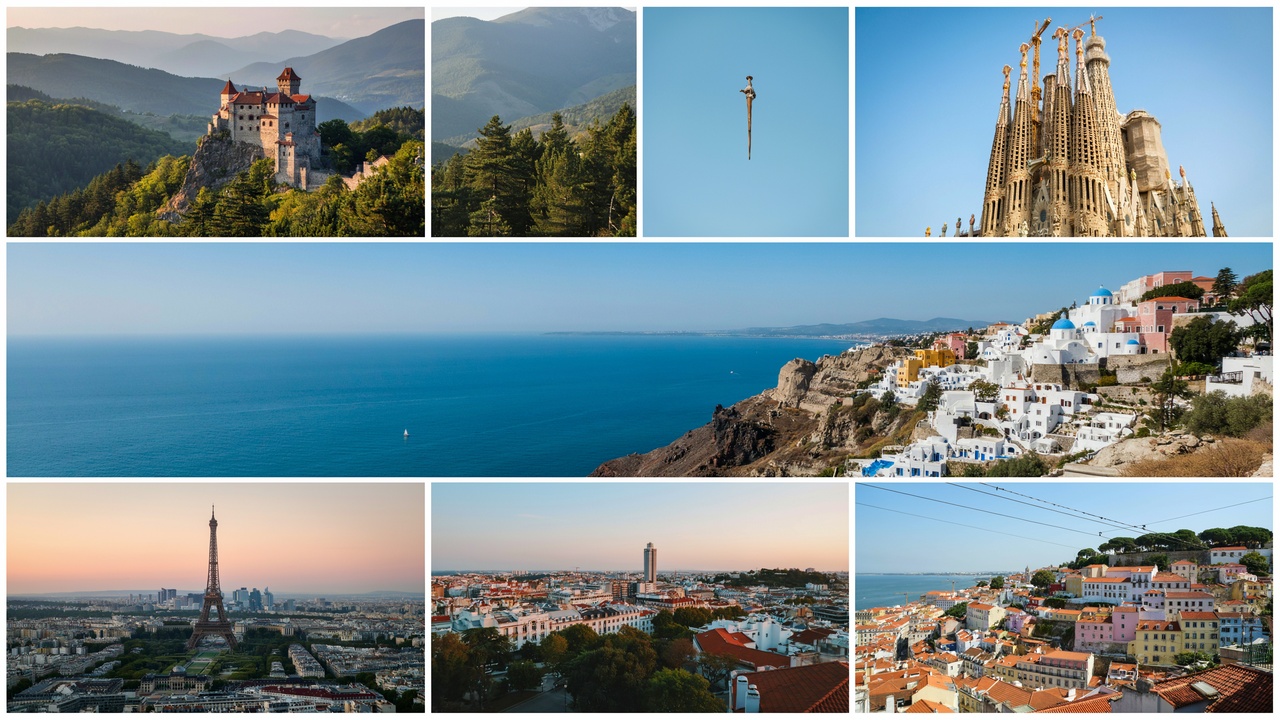
According to the most recent findings from Eurostat published on October 9, 2026, Romania has become the number one country in the European Union for domestic travel, recording 89% of its total trips made by residents being domestic. Spain is second with 87%. Greece, France and Portugal have 85%. The report provides a glimpse into travel activities made in 2025. National destinations are still important, however, as there were 1.2 billion trips made by EU citizens in 2025 in total that generated revenue for domestic travel and international tourism.
Romania Takes the Lead in Europe’s Domestic Travel Market
Romania has established itself at the forefront of European domestic tourism, recording the highest proportion of residents choosing destinations within their own country.
The country’s 89% domestic-trip share places it ahead of several internationally renowned European tourism destinations. Spain follows with 87%, while Greece, France and Portugal share third position at 85%.
The figures highlight the significance of Romania’s national tourism market and the wide variety of experiences available to residents.
Advertisement
Advertisement
From the historic towns of Transylvania to the Carpathian Mountains and Black Sea resorts, Romania offers diverse opportunities for cultural exploration, adventure holidays and countryside escapes.
The findings also show that domestic travel remains a substantial component of European tourism, even as international journeys continue to attract considerable spending.
Advertisement
Advertisement
Romania, Spain, Greece, France and Portugal Lead Europe’s Domestic Tourism Rankings
Eurostat’s latest findings reveal significant differences in travel preferences across European countries.
While Romania, Spain, Greece, France and Portugal record particularly high domestic tourism shares, Luxembourg, Belgium and Malta show much stronger preferences for journeys abroad.
Advertisement
Advertisement
| European country | Domestic tourism share | Foreign tourism share | Position |
|---|---|---|---|
| Romania | 89% | 11% | Highest domestic share |
| Spain | 87% | 13% | Second highest |
| Greece | 85% | 15% | Joint third |
| France | 85% | 15% | Joint third |
| Portugal | 85% | 15% | Joint third |
| Malta | 32% | 68% | Predominantly foreign travel |
| Belgium | 29% | 71% | Predominantly foreign travel |
| Luxembourg | 5% | 95% | Lowest domestic share |
Romania’s Mountains, Heritage Towns and Coastal Resorts Strengthen Its Tourism Appeal
Romania’s diverse tourism landscape creates opportunities for different types of domestic holidays throughout the year.
Transylvania attracts visitors with medieval towns, historic architecture and traditional villages. Braşov and Sibiu provide popular settings for cultural sightseeing, while Sighişoara is recognised for its preserved medieval heritage.
The Carpathian Mountains support outdoor recreation, including hiking, skiing and mountain holidays. Sinaia and Poiana Braşov are well-known mountain destinations.
Along the Black Sea, Constanţa, Mamaia and nearby resorts offer coastal leisure opportunities. The Danube Delta provides a contrasting experience, with wetlands, birdwatching and nature tourism.
Advertisement
Advertisement
Bucovina and Maramureş add religious monuments, traditional wooden architecture and rural cultural experiences to Romania’s tourism offering.
These attractions give residents access to different holiday experiences without crossing national borders.
Spain Secures Second Position as Domestic Travellers Explore Its Cities, Islands and Coastlines
Spain’s 87% domestic tourism share demonstrates the strength of its internal travel market.
The country offers extensive opportunities for city breaks, cultural tourism, coastal holidays and island experiences.
Madrid attracts visitors through its museums, royal heritage and urban attractions. Barcelona combines distinctive architecture, Mediterranean surroundings and cultural experiences.
Andalusia offers historic destinations such as Seville, Granada and Córdoba, alongside the beaches of Málaga and the Costa del Sol.
Advertisement
Advertisement
The Canary Islands provide volcanic landscapes and outdoor recreation, while the Balearic Islands attract visitors seeking beaches and Mediterranean island experiences.
Northern Spain also offers distinctive travel opportunities, including Galicia’s historic pilgrimage destinations and the Basque Country’s celebrated food culture.
Spain’s ranking illustrates how a country can maintain a substantial domestic tourism market while remaining internationally popular.
Greece Maintains Strong Domestic Demand Through Its Islands and Historic Mainland
Greece recorded an 85% domestic tourism share, placing it alongside France and Portugal.
Although the country is internationally associated with its islands, domestic travellers have access to a broader range of destinations.
Athens provides archaeological landmarks, museums and cultural attractions. Thessaloniki offers historic architecture, urban experiences and regional gastronomy.
Advertisement
Advertisement
Crete combines beaches, historic towns, archaeological sites and mountain landscapes. Rhodes, Corfu and Naxos provide additional island holiday opportunities.
Mainland destinations such as the Peloponnese, Meteora and Pelion offer heritage attractions, outdoor recreation and traditional villages.
This combination of coastal and inland experiences supports a varied domestic tourism market that extends beyond conventional summer beach holidays.
France Records 85% Domestic Tourism as Regional Destinations Remain Central to Travel
France also achieved an 85% domestic-trip share, demonstrating the continuing importance of journeys within the country.
Paris remains a major centre for cultural tourism, but France offers a broad selection of destinations beyond its capital.
Provence attracts visitors through historic villages, regional food and Mediterranean landscapes. Normandy offers heritage attractions, coastal scenery and historic towns.
Advertisement
Advertisement
The Loire Valley is associated with grand châteaux and countryside experiences, while the French Alps provide skiing, hiking and mountain recreation.
Brittany appeals to coastal travellers, and the French Riviera offers Mediterranean resorts and urban leisure destinations.
France’s extensive regional tourism offering allows residents to choose between city breaks, rural escapes, outdoor adventures and coastal holidays.
Its 85% share reflects residents’ travel patterns rather than the country’s total domestic tourism volume.
Portugal Joins Europe’s Leading Five With a Powerful Domestic Travel Market
Portugal completes the group of five EU countries with the highest domestic tourism shares.
With 85% of residents’ trips taking place inside the country, Portugal maintains a substantial internal tourism market.
Advertisement
Advertisement
Lisbon offers historic neighbourhoods, monuments and urban cultural experiences. Porto attracts visitors through its riverside heritage and gastronomy, while the nearby Douro Valley provides vineyard landscapes.
The Algarve remains an important coastal destination, with beaches, seaside towns and outdoor activities.
Central Portugal offers historic places such as Coimbra and Aveiro, while the Alentejo provides rural landscapes, traditional communities and cultural heritage.
Portugal’s Atlantic islands expand the country’s tourism offering. Madeira is known for dramatic landscapes and walking routes, while the Azores attract visitors through volcanic scenery and nature-based activities.
Together, these destinations demonstrate the variety available to Portuguese residents.
Luxembourg, Belgium and Malta Reveal Europe’s Contrasting International Travel Patterns
While Romania leads domestic tourism, other European countries show a very different travel pattern.
Advertisement
Advertisement
Luxembourg recorded the EU’s lowest domestic-trip share at just 5%. Around 95% of journeys made by residents involved destinations outside the country.
Belgium followed with a 29% domestic share, while Malta recorded 32%.
These differences illustrate how Europe’s geography and cross-border connectivity can shape tourism behaviour.
Luxembourg’s location between France, Germany and Belgium provides access to neighbouring destinations. Belgium also has extensive international connections within Europe.
Malta’s island geography creates different travel circumstances, with international destinations generally reached by air or sea.
European Travellers Complete 1.20 Billion Journeys as Tourism Activity Expands
Across the European Union, residents made approximately 1.20 billion overnight tourism trips during 2025, representing a 1.4% increase compared with 2024.
Advertisement
Advertisement
This amounted to approximately 17 million additional journeys.
Domestic tourism accounted for around 848 million trips, representing 70% of the total.
Another 264 million journeys involved travel between EU member states, representing approximately 22%.
The remaining 8% of journeys involved destinations outside the European Union.
Consequently, around 92% of all trips undertaken by EU residents remained within the EU, including journeys inside travellers’ home countries.
| European tourism indicator | Latest reported figure |
|---|---|
| Total EU resident trips | 1.20 billion |
| Annual growth | 1.4% |
| Additional trips compared with 2024 | Approximately 17 million |
| Domestic tourism trips | 848 million |
| Trips to other EU member states | 264 million |
| Share of trips within the EU | 92% |
| Share of trips outside the EU | 8% |
International Holidays Generate Higher Spending Despite Fewer Trips
Another important finding concerns tourism expenditure.
Advertisement
Advertisement
Although domestic journeys accounted for most trips, foreign travel generated greater overall spending.
EU residents spent €266.2 billion on domestic journeys during 2025, compared with €379.4 billion on foreign trips.
Accommodation represented 34% of domestic-trip expenditure and 35% of foreign-trip expenditure.
Transport accounted for 21% of domestic spending but reached 32% for foreign journeys.
| Expenditure category | Domestic trips | Foreign trips |
|---|---|---|
| Total tourism expenditure | €266.2 billion | €379.4 billion |
| Accommodation | €90.3 billion | €131.3 billion |
| Transport | €56.0 billion | €121.5 billion |
| Accommodation share | 34% | 35% |
| Transport share | 21% | 32% |
These findings highlight the different economic characteristics of domestic and international tourism.
International trips can involve higher transport expenditure, while domestic journeys often create opportunities for shorter holidays and regional travel.
Advertisement
Advertisement
European Tourism in 2026 Highlights New Opportunities for Regional Destinations
The latest statistics underline the importance of domestic visitors for Europe’s tourism businesses.
Hotels, rural guesthouses, restaurants, attractions and transport operators can benefit from demand generated by residents travelling within their own countries.
Romania’s strong domestic-trip share highlights opportunities for destinations beyond the country’s principal urban centres.
Spain, Greece, France and Portugal similarly offer regional attractions capable of serving domestic visitors alongside international tourists.
Domestic travel can also help destinations develop year-round experiences through cultural tourism, countryside breaks, wellness activities and outdoor recreation.
However, the strength of domestic tourism does not automatically guarantee higher visitor expenditure or growth in every region.
Advertisement
Advertisement
Tourism businesses must still respond to changing household budgets, accommodation costs, transport options and seasonal demand.
Frequently Asked Questions
1. Which country leads European domestic tourism in the latest rankings?
Romania ranks first, with 89% of residents’ overnight tourism trips remaining within the country during 2025, according to figures published in October 2026.
2. Which countries follow Romania?
Spain ranks second with 87%, followed by Greece, France and Portugal at 85% each.
3. How many trips did EU residents make?
Advertisement
Advertisement
EU residents completed approximately 1.20 billion overnight tourism journeys in 2025, representing a 1.4% increase from the previous year.
4. Why does Romania attract domestic travellers?
Romania offers diverse destinations, including Transylvania, the Carpathian Mountains, the Black Sea coast and the Danube Delta. These provide opportunities for cultural tourism, coastal holidays and outdoor recreation.
5. Which European countries have the highest foreign-trip shares?
Luxembourg, Belgium and Malta recorded some of the highest proportions of journeys abroad, at approximately 95%, 71% and 68%, respectively.
6. Does the ranking show tourism performance during 2026?
Advertisement
Advertisement
No. The statistics were released in October 2026 but measure trips undertaken during 2025. They provide the latest annual comparison available at the time of publication.
Romania’s Domestic Travel Leadership Signals the Importance of Europe’s National Tourism Markets
Romania’s domestic tourism share of 89% puts the country ahead of Spain, Greece, France, and Portugal in the European rankings.
The results show that domestic destinations are of paramount importance in Europe, despite the fact that international tourism generates high spending.
In the EU, 848 million domestic trips made possible a total of around 1.20 billion trips for the residents in 2025.
The numbers indicate that for the tourism sector, the priorities for 2026 are to ensure the development of regional destinations, possession of interesting domestic options for holidaymakers, and being able to match domestic people visiting the region with international tourists.
Advertisement
