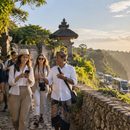
Image generated with Ai
Nicaragua’s Latest Travel Advisory reveals the safety challenges every international traveller should prepare for before planning a trip. Nicaragua’s Latest Travel Advisory explains why every international traveller should prepare for changing security conditions, crime concerns and entry requirements. The advisory does not tell people to avoid Nicaragua completely. Instead, it encourages visitors to stay alert and travel responsibly. Moreover, travellers who prepare before departure can reduce risks and enjoy a safer journey. Therefore, understanding the latest official guidance is essential. This report answers all details behind Nicaragua’s Latest Travel Advisory and explains the safety challenges every international traveller should prepare for in simple, practical language.
Planning a trip to Nicaragua in 2026 requires more preparation than simply booking flights and accommodation. The latest official travel advice highlights that while the country continues to welcome visitors, travellers should remain alert throughout their journey because of security concerns, political sensitivities and criminal activity that may affect foreign visitors.
Advertisement
Government guidance does not advise against visiting Nicaragua altogether. Instead, it encourages travellers to exercise a high degree of caution, understand local conditions before departure and take sensible precautions during their stay. Visitors who prepare carefully, follow local laws and avoid unnecessary risks can enjoy the country’s volcanoes, colonial cities, beaches and nature reserves while reducing potential problems.
This updated guide explains the latest travel advice, safety concerns, entry requirements and practical tips that every international traveller should understand before travelling to Nicaragua.
Advertisement
Advertisement
Nicaragua remains one of Central America’s most fascinating destinations. The country attracts travellers with its volcanic landscapes, Pacific beaches, historic Spanish colonial towns, freshwater lakes and rich biodiversity.
However, official government advice reminds visitors that travelling here requires greater awareness than many other holiday destinations. Political tensions, criminal incidents and occasional public disturbances mean travellers should stay informed before and throughout their visit.
Authorities recommend keeping up with official travel updates before departure and monitoring local developments while in the country. Conditions can change without much notice, making preparation an important part of any journey.
Being informed does not mean avoiding Nicaragua entirely. Instead, it allows travellers to make better decisions, choose safer transport, book secure accommodation and minimise unnecessary exposure to risk.
Advertisement
Advertisement
The latest official advisory explains that Nicaragua continues to experience political sensitivities that have existed since the unrest that began several years ago. Although many tourist areas operate normally, the broader political environment remains closely monitored by international governments.
Foreign visitors are advised to avoid becoming involved in political activities or demonstrations. Public gatherings may appear peaceful but can change quickly, affecting traffic, transport services and public safety.
Travellers should also avoid discussing domestic political matters publicly or through social media while inside the country. Respecting local laws and remaining politically neutral helps reduce unnecessary attention during a visit.
Remaining aware of the surrounding environment, particularly in cities, transport hubs and busy public areas, is considered one of the most effective ways to travel safely throughout Nicaragua.
For most visitors, everyday crime presents a greater risk than political events. Pickpocketing, bag theft and property crime continue to occur in busy urban areas and locations frequently visited by tourists.
Crowded markets, transport terminals, airports, restaurants and hotel reception areas can provide opportunities for opportunistic thieves targeting distracted visitors.
Simple precautions can significantly reduce the likelihood of becoming a victim. Travellers should avoid displaying expensive jewellery, carrying large amounts of cash or leaving bags unattended.
Copies of important travel documents should be stored separately from original passports, while valuable items should remain secured whenever possible.
Road travellers should also keep vehicle doors locked, windows closed in busy traffic and belongings hidden from public view.
These practical habits help reduce risk throughout the journey without affecting the overall travel experience.
Transport choices play an important role in visitor safety.
Official guidance encourages travellers to use recognised taxi services instead of hailing vehicles directly from the street. Agreeing on fares before starting the journey and recording vehicle details provides additional security.
Ride-sharing services or taxis arranged through hotels generally offer greater reassurance than accepting transport from unknown drivers.
Public buses remain an affordable way to travel around the country, but they are often crowded. Travellers should remain alert to their surroundings, keep luggage secure and avoid discussing detailed travel plans with strangers.
Those hiring vehicles should prepare for driving conditions that may differ significantly from those in North America or Europe.
Outside the main highways, roads may include potholes, limited lighting, missing road signs, roaming livestock and narrow sections. Driving after dark is generally discouraged because visibility and emergency assistance may be limited.
Planning routes carefully and allowing extra travel time can improve both safety and comfort during road trips.
One of the most important parts of planning a trip involves ensuring all travel documents meet Nicaragua’s immigration requirements.
Visitors should confirm passport validity well before departure because immigration authorities require passports to remain valid beyond the intended stay.
Although many travellers can enter Nicaragua without obtaining a tourist visa in advance, immigration officers determine the length of authorised stay upon arrival.
Receiving an entry stamp is particularly important because travellers may encounter delays or penalties when leaving the country if documentation is incomplete.
Authorities may also ask arriving passengers to provide evidence of onward or return travel together with proof that sufficient financial resources are available for the duration of the visit.
Travellers planning to explore neighbouring countries should also familiarise themselves with regional border arrangements before finalising their itinerary.
Government immigration rules can change, making it advisable to verify current entry requirements shortly before travelling rather than relying on older information.
Many international travellers combine Nicaragua with nearby destinations such as Guatemala, Honduras and El Salvador. These four countries participate in the Central America-4 (CA-4) Border Control Agreement, making multi-country trips more convenient for eligible visitors.
Although the agreement allows easier regional travel, it does not automatically guarantee the maximum length of stay. Immigration officials decide how many days visitors may remain in the region when they first enter the CA-4 area. Travellers should always check that their passport receives the correct entry and exit stamps at every border crossing.
Anyone planning to visit several countries during one holiday should understand the rules before departure. Overstaying authorised periods can result in fines, delays or future immigration difficulties. Keeping copies of travel documents and monitoring authorised stay dates can help visitors avoid unnecessary complications.
Nicaragua has become increasingly popular among adventure travellers thanks to its volcanoes, rainforests, surfing beaches, lakes and outdoor activities. Hiking, canopy tours, scuba diving, white-water rafting and surfing attract visitors from around the world every year.
While these experiences remain a major reason people visit the country, official guidance encourages travellers to prepare carefully before taking part in outdoor activities. Weather conditions can change quickly, some trails may not be clearly marked and emergency services in remote areas may not always be immediately available.
Travellers should book activities through reputable operators with established safety standards, follow local instructions and avoid exploring isolated areas without experienced guides. Carrying sufficient drinking water, appropriate equipment and comprehensive travel insurance that includes emergency medical evacuation can provide additional peace of mind throughout an adventure holiday.
Nicaragua’s Pacific coastline offers beautiful beaches that attract surfers, swimmers and holidaymakers throughout the year. However, natural conditions can create hidden dangers even when the weather appears calm.
Strong rip currents are common along parts of the Pacific coast, increasing the risk of accidents for inexperienced swimmers. Some beaches also have limited lifeguard services, rescue equipment or warning signs compared with more developed tourist destinations.
Visitors should swim only in recognised safe areas, avoid entering the water alone and seek advice from local residents or tour operators regarding current sea conditions. Checking weather forecasts before participating in water sports is also recommended, particularly during changing seasonal conditions.
Choosing reputable dive centres and licensed water sports providers helps reduce unnecessary risks while allowing visitors to enjoy Nicaragua’s impressive coastline safely.
Travelling safely often depends on simple habits rather than complicated security measures. Visitors are encouraged to remain aware of their surroundings, particularly in crowded public places, transport hubs and popular tourist attractions.
Keeping valuables out of sight, carrying only the cash needed for the day and storing passports securely can significantly reduce the likelihood of theft. Digital copies of important travel documents stored securely online can also prove valuable if originals are lost or stolen.
Travellers should avoid walking alone late at night, especially in unfamiliar neighbourhoods, and choose accommodation with good security measures and positive guest reviews. Those driving should keep vehicle doors locked, avoid stopping unnecessarily in isolated locations and use secure parking facilities whenever possible.
Preparation, awareness and sensible decision-making remain the most effective ways to minimise travel risks.
The latest government advice does not suggest that travellers must avoid Nicaragua completely. Instead, it encourages visitors to exercise a high degree of caution while understanding the country’s current security environment.
Millions of travellers continue to explore destinations worldwide that carry varying levels of travel advice. The key difference lies in preparation. Visitors who research their destination, follow official guidance, respect local laws and make informed travel decisions generally place themselves in a much stronger position to enjoy a safe and rewarding holiday.
Nicaragua continues to offer spectacular volcanic scenery, colonial architecture, wildlife reserves, vibrant culture and authentic Central American experiences. For travellers willing to prepare carefully and remain alert, the country still presents remarkable opportunities for exploration.
Nicaragua’s Latest Travel Advisory makes it clear that the country remains open to international visitors, but every international traveller should prepare for higher safety risks than in many other destinations. The advisory highlights crime, political sensitivities, transport safety and entry requirements as the main reasons for exercising greater caution. However, careful planning, following official government guidance and making informed travel decisions can significantly reduce potential problems. Travellers who stay aware of their surroundings, use trusted transport, protect their belongings and respect local laws can still enjoy Nicaragua’s volcanoes, beaches, colonial cities and natural attractions with greater confidence and peace of mind.
Advertisement
Tags: Central America travel, Is Nicaragua safe, Nicaragua adventure tourism, Nicaragua beaches, Nicaragua crime
Advertisement
Advertisement













Friday, September 4, 2026

Friday, September 4, 2026
Friday, September 4, 2026

Friday, September 4, 2026

Thursday, September 3, 2026

Wednesday, September 2, 2026

Friday, September 4, 2026