
Hong Kong Stands with Taipei and Other Asian Cities in Hammering Japan Tourism with a Drop in Tourist Arrivals for Eight Consecutive Months in 2026

Published
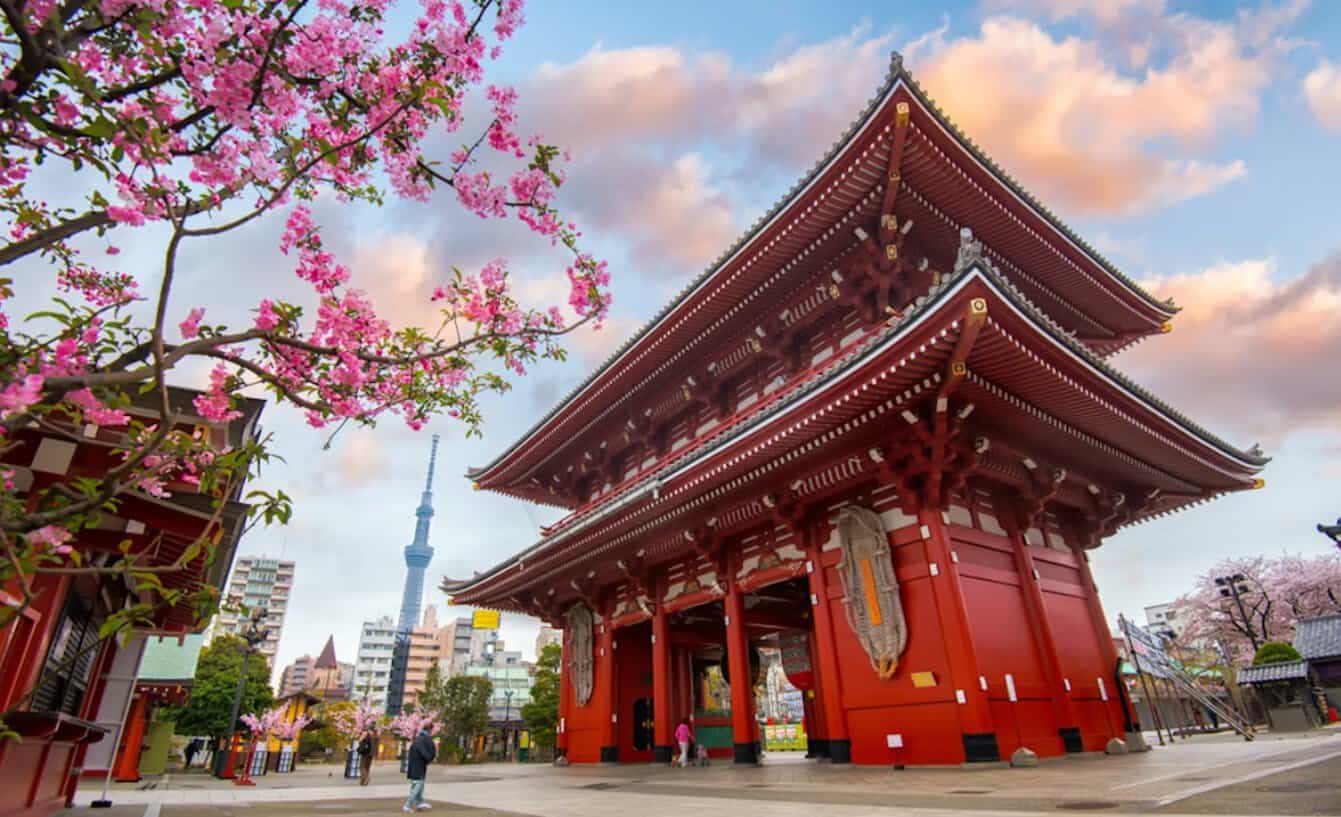
Image generated with Ai
The Japanese inbound travel industry is currently going through significant changes. While many predict Japan’s international visitor arrivals will decrease in 2026, the Japan National Tourism Organization (JNTO) has published different findings. According to JNTO, international visitor arrivals have continuously decreased for eight months in a row. However, JNTO stated the reason for this decrease is because of falling visitor arrivals from mainland China. According to JNTO, other source markets, such as Seoul, Taipei and Hong Kong, have also been increasingly visiting Japan and setting new records. This paper will provide an analysis on recent major changes in Japan’s inbound tourism market and what these changes may mean for Japan’s economy and tourism market.
Decoding the True Narrative Behind Japan’s 2026 Inbound Travel Statistics
The global travel industry has closely monitored the fluctuating trajectory of Japanese inbound travel throughout 2026. Following an era of unprecedented expansion that culminated in a historic record of 42.68 million international visitors in 2025, the sudden contraction observed in the first three quarters of 2026 has prompted widespread analysis. However, reducing this complex macroeconomic shift to a simple narrative of a Japan tourist arrivals drop 2026 misrepresents the fundamental restructuring occurring within the sector. The Japan National Tourism Organization (JNTO) and the Ministry of Land, Infrastructure, Transport and Tourism (MLIT) have published extensive datasets that reveal a market deeply polarised by geopolitical realities and shifting regional allegiances.
To comprehend the current state of Japan’s tourism industry, one must first isolate the variables. The aggregate numbers present a seemingly pessimistic outlook: the cumulative total of international arrivals for the first eight months of 2026 stood at 27,626,300, representing a 2.7% contraction compared to the same period in 2025. In August 2026 alone, the estimated number of foreign visitors fell by 9.6% year-on-year to 3,098,900. Yet, a granular examination of these Japan tourism statistics 2026 reveals that this aggregate decline is not indicative of a widespread loss of global interest in Japan. Rather, it is the statistical consequence of a profound, targeted collapse in one specific demographic: mainland China.
Simultaneously, traditional East Asian economic powerhouses—specifically South Korea, Taiwan, and Hong Kong—have not merely maintained their historical visitation rates; they have accelerated them to unprecedented levels. These markets are effectively insulating the Japanese hospitality and retail sectors from what could have been a catastrophic economic shock, redefining the standard profile of the inbound tourist in Japan.
Advertisement
Advertisement
The 2025 Boom vs The 2026 Market Correction
The baseline for measuring the 2026 performance is the extraordinary boom of 2025. Fuelled by a historically weak yen, the lifting of all residual pandemic-era border restrictions, and a massive influx of deferred travel demand, Japan emerged as the undisputed premier destination in the Asia-Pacific region. The infrastructure, however, struggled to cope with the sheer volume of 42.68 million arrivals, leading to intense national debates surrounding over-tourism.
Advertisement
Advertisement
The transition into 2026 brought a stark statistical correction. By June 2026, the JNTO reported 21,084,800 arrivals for the first half of the year, a 2.0% decrease from the first half of 2025. This marked the first year-on-year decline for a first-half period since the pandemic severely restricted global mobility in 2021. As the months progressed through the summer of 2026, the trend solidified, culminating in the August report which confirmed that the overall market had registered negative growth for multiple consecutive months. Nevertheless, this correction is structurally asymmetric, demanding a closer look at the geopolitical catalysts driving the divergence between mainland China and the rest of East Asia.
The Core Catalyst: Geopolitics and the Chinese Market Collapse
The overarching catalyst responsible for the Japan tourist arrivals drop 2026 is unmistakably the geopolitical friction between Tokyo and Beijing. Historically, mainland China has served as a foundational pillar of Japan’s inbound tourism strategy, consistently delivering high volumes of group tours and driving extraordinary retail revenues through phenomena such as ‘bakugai’ (explosive shopping). The sudden evaporation of this demographic has fundamentally skewed the national statistics.
The Impact of Diplomatic Friction on Tourism Volume
The rapid deterioration of Chinese tourist arrivals can be traced back to late 2025. Following remarks by Prime Minister Sanae Takaichi in November 2025, which suggested the possibility of Japanese intervention in the event of a Taiwan contingency, diplomatic relations between the two nations chilled considerably. The immediate fallout extended far beyond standard political discourse, directly impacting bilateral civilian mobility.
Advertisement
Advertisement
The Chinese government, reacting to the political climate, initiated a series of implicit and explicit travel advisories. While comprehensive bans were not formally declared, state-affiliated travel agencies heavily curtailed the marketing and facilitation of group tours to Japan. Citizens were strongly urged to refrain from selecting Japan as a holiday destination, and aviation regulators adjusted bilateral flight capacities accordingly.
Analysing the Statistical Plunge from Mainland China
The statistical manifestation of this diplomatic freeze has been severe and continuous. In the first half of 2026, the number of Chinese visitors to Japan plummeted to 2,058,200—a staggering 56.4% collapse from the 4,718,540 arrivals recorded during the exact same timeframe in the previous year.
Advertisement
Advertisement
This downward trajectory showed no signs of stabilisation as the year progressed. By August 2026, the JNTO reported that mainland Chinese arrivals had plunged by a further 59.0% year-on-year, reducing the monthly total to a mere 418,000 visitors. This marked the ninth consecutive month of severe year-on-year decline for the Chinese market. When a demographic that traditionally accounts for millions of annual visitors undergoes a nearly 60% contraction, the macroeconomic impact on the host nation’s overall statistics is unavoidable. It is this specific, isolated collapse that has generated the aggregate national deficit, masking the spectacular growth occurring in neighbouring jurisdictions.
The Resurgence of East Asian Powerhouses: Seoul, Taipei, and Hong Kong
While the Chinese market contracted, the broader East Asian travel ecosystem adapted with remarkable agility. Far from retreating, tourists from South Korea, Taiwan, and Hong Kong seized the opportunity presented by reduced crowding in popular Japanese destinations. Their proximity, combined with highly favourable exchange rates and robust aviation connectivity, transformed them into the undisputed saviours of the Japanese tourism economy in 2026.
South Korea (Seoul): The Undisputed Leader of Japanese Inbound Tourism
South Korea has definitively claimed the mantle of Japan’s most vital tourism source market. The sheer volume of South Korean visitors to Japan throughout 2026 has been nothing short of explosive.
According to the JNTO August 2026 report, an estimated 850,500 South Korean tourists entered Japan in August alone. This represents a massive 28.7% surge compared to August 2025 (which saw 660,917 arrivals). This figure is particularly historic as it stands as the highest August arrival count from South Korea ever recorded since the Japanese government began compiling these statistics.
The cumulative data is equally impressive. From January to August 2026, the total number of Korean visitors reached an extraordinary 7.42 million. This constitutes a 21.2% increase from the 6.12 million recorded during the same eight-month period in the previous year. To contextualise this dominance, South Koreans currently account for approximately 27.4% of all foreign tourists in Japan. Statistically, more than one in every four international travellers navigating the streets of Tokyo, Osaka, or Fukuoka is from South Korea.
Advertisement
Advertisement
This demographic is uniquely valuable due to its high frequency of repeat visitation and its heavy utilisation of Low-Cost Carriers (LCCs). Operating primarily out of Seoul’s Incheon and Gimpo airports, Korean tourists are increasingly bypassing saturated primary cities in favour of regional prefectures, injecting vital capital into local economies that rarely benefit from traditional long-haul tourism.
Taiwan (Taipei): Consistent Growth and High-Value Tourism
Taiwan represents the second foundational pillar supporting Japan’s inbound travel industry in 2026. Taiwanese tourists in Japan have consistently demonstrated a profound cultural affinity for the archipelago, driven by historical connections, culinary appreciation, and a strong preference for high-quality retail experiences.
In the first half of 2026, Taiwan contributed 3,972,200 visitors, marking a robust 20.9% increase from the previous year. This momentum was sustained through the volatile summer months. In August 2026, despite significant logistical hurdles including multiple typhoons that forced widespread flight and cruise cancellations across the East China Sea, Taiwan still delivered 666,000 visitors. This represented a 7.3% year-on-year increase and set yet another record high for the month of August.
Unlike the volume-heavy budget travel often associated with LCCs, the Taiwanese market is characterised by higher per-capita expenditure, particularly in the luxury retail and premium accommodation sectors. Tourists originating from Taipei are frequently seeking bespoke experiences, such as winter sports in Hokkaido, autumn leaf viewing in Tohoku, and premium culinary tours in Kyushu. This high-yield tourism model is actively favoured by Japanese policymakers seeking to maximise economic benefits while mitigating the physical footprint of mass tourism.
Hong Kong: A Legacy of Repeat Visitors and Cultural Affinity
Despite its relatively small population size compared to South Korea and Taiwan, Hong Kong continues to punch significantly above its weight class in the Japanese inbound market. Hong Kong travel to Japan is defined by the phenomenon of the “super-repeat visitor”—individuals who have visited Japan upwards of ten times and possess an intimate knowledge of the country’s geography and culture.
Advertisement
Advertisement
In the first half of 2026, arrivals from Hong Kong reached an impressive 1,298,500. Continuing this upward trajectory, August 2026 saw 247,300 arrivals from the territory, reflecting a solid 9.4% increase over August 2025. This growth occurred despite the same severe weather disruptions that impacted Taiwanese travel routes.
Hong Kong tourists are highly prized by the Japanese hospitality sector for their sophisticated consumer behaviour. They are largely independent travellers who eschew standard group tour itineraries, preferring to rent vehicles and explore deep rural areas. Their spending patterns heavily favour high-end gastronomy, artisanal crafts, and boutique ryokans (traditional inns), making them essential contributors to the economic vitality of rural Japanese prefectures.
Statistical Breakdown: Analysing the August 2026 JNTO Report
To fully understand the mechanics of the current market, a rigorous analysis of the latest official figures is required. The JNTO report released on September 16, 2026, detailing the August arrival statistics, provides the most current and authoritative snapshot of the industry’s health.
Record-Breaking Performances Across Diversified Markets
While the headline figure highlighted a 9.6% drop to 3.1 million total visitors, the underlying data reveals a highly successful market diversification strategy. The JNTO confirmed that higher demands were distinctly visible across East Asia (excluding China), North America, Europe, Australia, and the Middle East. This surge was primarily driven by the local summer holiday seasons in these respective regions, heavily amplified by the sustained weakness of the Japanese yen, which has drastically increased the purchasing power of foreign currencies.
Remarkably, arrivals from 14 distinct source markets reached all-time record highs for the month of August. Beyond the massive contributions of South Korea and Taiwan, markets such as Malaysia and Mexico demonstrated unprecedented growth. Furthermore, arrivals from European nations, specifically Italy and Spain, broke absolute single-month records. This European surge was catalysed by robust holiday season demand and strategic increases in direct flight connectivity between Southern Europe and Tokyo’s Haneda and Narita airports. The United States also maintained its steady upward climb, contributing 197,400 arrivals in August, a 1.5% increase.
Advertisement
Advertisement
Logistical Challenges: Typhoons and Flight Reductions
The August statistics were not solely influenced by geopolitical and economic factors; pure logistics and meteorology played a significant role. A series of powerful typhoons battered the Japanese archipelago in late summer, leading to proactive, large-scale cancellations of international flights and cruise ship dockings. The JNTO specifically noted that the growth rates from Taiwan and Hong Kong were artificially constrained by these weather events, suggesting that the actual baseline demand from Taipei and Hong Kong is even stronger than the official numbers indicate.
Conversely, arrivals from Southeast Asian nations such as Thailand and the Philippines experienced notable declines. However, unlike the politically motivated drop from China, the JNTO attributed the Southeast Asian reduction strictly to logistical constraints—namely, structural decreases in scheduled flight capacities between Tokyo and Southeast Asian hubs.
Economic Implications: Transitioning From Volume to Value
The profound shift in visitor demographics has triggered an equally profound shift in the underlying economics of Japanese tourism. The industry is currently undergoing a painful but necessary transition from a volume-centric model to a value-centric paradigm.
The Definitive End of ‘Bakugai’ (Explosive Shopping)
For the better part of a decade, Japanese retail—particularly electronics, cosmetics, and luxury goods—relied heavily on the phenomenon of ‘bakugai’. Large fleets of coaches would deposit thousands of Chinese tourists at designated shopping districts in Ginza, Akihabara, and Shinsaibashi, resulting in massive, concentrated retail windfalls.
The 59% collapse in the Chinese market has effectively terminated this economic model. Department stores and duty-free operators have reported sharp declines in bulk purchasing of standard consumer goods. However, this loss is being strategically offset by a different tier of economic engagement.
Advertisement
Advertisement
Rising Per-Capita Expenditure Among Diversified Markets
While aggregate footfall has decreased, the actual revenue generated per tourist has seen remarkable resilience. Analysis by the Mastercard Economics Institute in late 2026 highlighted that the weak yen continues to grant outsized purchasing power to inbound travellers, particularly those from robust Asian economies like South Korea, Taiwan, and Hong Kong, as well as Western tourists holding US Dollars or Euros.
Furthermore, data indicates that these diversified markets allocate their capital differently than the previous Chinese demographic. Instead of concentrating spending in urban duty-free shops, Taiwanese, Hong Kong, and Western tourists are directing their funds toward high-end culinary experiences, experiential travel, local transport networks, and premium rural accommodations. According to industry analyses published in late August 2026, the overall spend per visitor has reached a new historic high. Consequently, the Japanese tourism economy is generating equivalent or superior revenue despite hosting nearly 3% fewer total tourists than in 2025.
Overtourism, Infrastructure, and Local Impact
A highly nuanced aspect of the Japan tourist arrivals drop 2026 is that it has not uniformly alleviated the pressures of over-tourism. Because the surging demographics from South Korea, Taiwan, North America, and Europe still cluster around iconic landmarks, specific Japanese municipalities remain under immense infrastructural strain.
Strategic Traffic Management at Mount Fuji and Beyond
Mount Fuji remains ground zero for Japan’s over-tourism crisis. Despite the overall national decline in arrivals, the volume of independent travellers attempting to scale the mountain or photograph it from specific vantage points continues to overwhelm local authorities.
In response, government agencies and local municipalities are rapidly implementing strict traffic management protocols. In 2026, proactive measures have been heavily enforced, including daily hiker caps and mandatory toll fees on popular trails. More innovatively, the private sector is stepping in to assist local governments. In September 2026, Uber Japan officially announced a collaborative initiative with Fujiyoshida City—a primary gateway to Mount Fuji. This partnership is designed to tackle the over-tourism challenge directly by deploying advanced logistical algorithms to efficiently route tourist traffic, manage ride-hailing queues, and distribute visitors away from heavily congested choke points, thereby alleviating the burden on local public transport.
Advertisement
Advertisement
Technology and Private Sector Interventions
The structural changes in tourist behaviour have catalysed a wave of private sector innovation aimed at improving the urban tourist experience while protecting local civilian infrastructure. The surge of independent travellers from Seoul, Taipei, and Hong Kong—who typically navigate public transit systems with heavy luggage rather than utilising chartered tour buses—has placed immense pressure on Tokyo’s commuter trains.
To combat this, international luggage storage services have rapidly expanded. In mid-September 2026, the luggage storage startup Bounce officially launched a comprehensive service network across convenience stores throughout Tokyo. By allowing tourists to securely deposit their baggage at hundreds of decentralised locations, the initiative successfully reduces the physical footprint of tourists on the subway network, improving transit efficiency for local Japanese commuters.
The Aviation Industry’s Response to Shifting Travel Demands
Aviation infrastructure is the ultimate arbiter of international tourism, and the airlines serving Japan have been forced to execute rapid, large-scale network realignments throughout 2026 to mirror the shifting demographic realities.
Reallocating Flight Routes and Expanding Capacity
The collapse of the Chinese market necessitated an immediate reduction in bilateral flight capacities between major Chinese hubs and Japanese international airports. Airlines could not justify operating half-empty wide-body aircraft on routes to Beijing or Shanghai. Consequently, these highly valuable landing slots at Haneda, Narita, and Kansai International Airports were quickly reallocated.
The beneficiaries of this reallocation were overwhelmingly airlines operating out of Seoul and Taipei. To accommodate the explosive 28.7% August surge from South Korea, both full-service carriers and LCCs aggressively expanded their seat capacities. This expansion involved not only increasing frequencies on the ultra-dense Seoul-Tokyo route but also opening new direct connections between South Korea and regional Japanese cities like Matsuyama, Takamatsu, and Kagoshima.
Advertisement
Advertisement
Similarly, Taiwanese carriers have expanded their operations, ensuring that demand from Taipei and Kaohsiung is met with sufficient supply. This nimble restructuring by the aviation sector has been critical in ensuring that the Japanese market could instantly absorb the surges from alternative East Asian hubs, thereby limiting the economic damage caused by the Chinese withdrawal.
Policy Updates from the Japanese Government
The Japanese government, operating through MLIT and the JNTO, recognises that the inbound travel landscape has permanently altered. Official tourism policy in the latter half of 2026 reflects a decisive pivot away from historical dependencies and toward long-term sustainability.
Pivoting Towards Sustainable Tourism and Regional Dispersal
The core tenet of the government’s updated strategy is regional dispersal. The concentration of tourists along the Golden Route (Tokyo-Kyoto-Osaka) is no longer deemed sustainable. The JNTO is actively deploying new digital travel tools, officially unveiled on September 10, 2026, aimed at educating international visitors on the viability and attractiveness of secondary and tertiary prefectures. By incentivising tourists from Hong Kong and Taiwan to explore the Japan Sea coast or the Shikoku region, the government aims to democratise the economic benefits of tourism while simultaneously relieving pressure on saturated urban centres.
JNTO’s Promotional Campaigns in the West and Oceania
Recognising the danger of over-relying on any single geographic bloc, the JNTO is aggressively courting high-value markets in the West and Oceania. A prime example of this strategic pivot was announced in September 2026, highlighting a cooperative effort where Tourism Australia is leveraging AI-driven marketing campaigns to foster reciprocal, high-value tourism growth between the two nations. Furthermore, the record-breaking August arrivals from the US, Italy, and Spain prove that targeted marketing in long-haul jurisdictions is yielding highly lucrative dividends.
Future Outlook: What Lies Ahead for Japan’s Tourism Sector
As 2026 enters its final quarter, the overarching narrative of the Japanese travel industry is one of cautious optimism masked by pessimistic headline statistics. The continuous eight-month decline in total volume will almost certainly prevent Japan from matching its 2025 peak of 42.68 million visitors. If the current trajectory holds, the total arrival figure for 2026 will likely reflect a moderate year-on-year contraction.
Advertisement
Advertisement
However, industry executives and economic analysts are increasingly viewing this contraction not as a failure, but as a vital market correction. In mid-September 2026, the newly appointed CEO of JTB—one of Japan’s largest travel agencies—publicly outlined a growth strategy that de-emphasises pure volume in favour of sustainable inbound travel and the restructuring of global operations.
The future of Japanese tourism is inexorably tied to the affluent, independent, and culturally engaged travellers from Seoul, Taipei, Hong Kong, North America, and Europe. By the time the geopolitical tensions with mainland China eventually thaw, Japan’s tourism infrastructure will have successfully evolved into a more resilient, diversified, and economically efficient ecosystem. The Japan tourist arrivals drop 2026 will ultimately be recorded by economic historians not as the year the Japanese tourism boom died, but as the year it matured, stabilised, and secured its long-term sustainable future.
Advertisement
