

Qatar Tourism Expands Beyond Doha as Coastal Escapes Drive Longer New Visitor Stays

Published
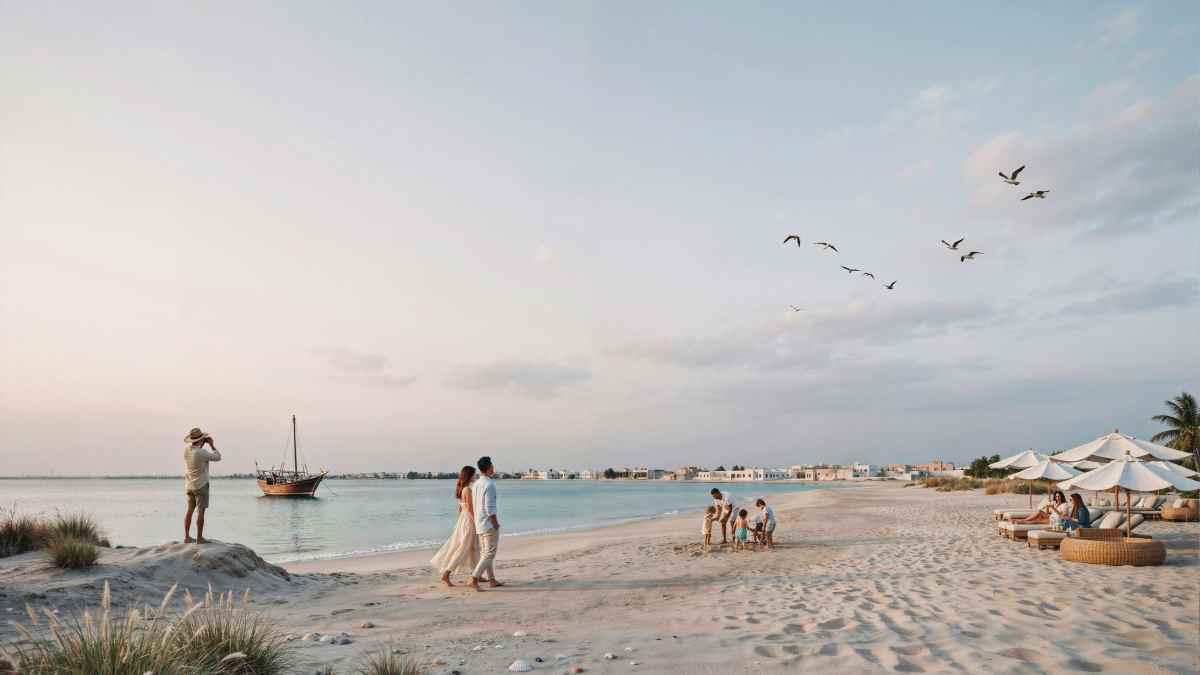
Tourism in Qatar is moving on to a wider stage of destination development with visitation spreading out from West Bay and Lusail to other areas along the coast and into the desert. Resorts, adventure sites, and eco-wellness offerings are providing new attractions for visiting away from the main urban sites of Doha, while Qatar Airways and Hamad International Airport have been enhancing stopover conversion for long-haul transit traffic. The transformation will alter how the destination can be experienced, moving from concentrating visits on the established urban attractions of Doha to allowing visitors to combine the capital with the beach resort sites, the adventure offerings and desert locations. It will also facilitate the ability of visitors to stay longer since there are more sites that can be incorporated in the same trip. European visitors will figure prominently in this expansion, with coastal and adventure sites offering an alternative to city trips.
Fuwairit Kite Beach Strengthens Northern Qatar Tourism
Fuwairit Kite Beach is helping establish northern Qatar as a distinct leisure destination. Its waterfront setting and focus on outdoor experiences provide a different proposition from Doha’s urban attractions, particularly for visitors seeking active holidays.
Advertisement
Advertisement
The destination is closely associated with kitesurfing and beach-based recreation, giving Qatar a product capable of attracting adventure-oriented travellers. Its location also encourages visitors to travel outside the capital, supporting the wider dispersal of tourism activity.
For international visitors, northern Qatar can form part of a multi-stop itinerary that combines Doha’s cultural and architectural attractions with coastal experiences. This structure can increase the amount of time visitors spend in the country rather than limiting travel to a short city break.
Advertisement
Advertisement
Simaisma Adds a Luxury Coastal Dimension
Further development along Qatar’s coastline is expanding the country’s premium resort offering. Simaisma is emerging as an important luxury coastal development, creating additional accommodation and leisure capacity outside the established hotel districts of Doha.
The development supports a broader tourism model in which visitors can divide their stay between an urban base and a resort environment. This is particularly relevant for travellers who want cultural sightseeing alongside relaxation without leaving Qatar for another destination.
Advertisement
Advertisement
Coastal resorts also provide Qatar with greater flexibility in packaging holidays around different traveller interests. Families, couples and higher-spending leisure visitors can combine city attractions with beach-based stays, while longer itineraries can incorporate additional excursions across the country.
Khor Al Adaid Expands Desert and Wellness Tourism
Qatar’s tourism dispersal strategy also extends into the desert, particularly around Khor Al Adaid, commonly known as the Inland Sea. The landscape offers one of the country’s most distinctive natural environments, where desert dunes meet the waters of the Arabian Gulf.
Advertisement
Advertisement
The area is increasingly relevant to adventure and eco-wellness tourism, giving visitors an experience substantially different from the country’s metropolitan districts. Desert excursions, nature-focused experiences and wellness-oriented stays can provide additional components for itineraries targeting travellers seeking outdoor environments.
This diversification is important for Qatar because the combination of coastal and desert tourism enables visitors to experience several contrasting landscapes during the same trip. It also creates opportunities for travel products built around longer stays rather than short urban stopovers.
Qatar Airways Strengthens the Stopover Model
A second major pillar of Qatar’s travel strategy is the conversion of aviation traffic into tourism demand. Qatar Airways and Hamad International Airport have intensified stopover packaging designed to encourage long-haul transit passengers to leave the airport and spend time in the country.
Stopover products can turn a transit journey into a 24- to 72-hour Qatar experience, combining accommodation with access to the country’s cultural, leisure and sightseeing attractions. Subsidised hotel stays can reduce the cost barrier associated with extending a journey, while streamlined electronic transit entry makes short visits easier to organise.
Advertisement
Advertisement
This model is particularly significant for Qatar because Hamad International Airport serves as a major connecting hub between Europe, Asia, Africa and other international markets. Every connecting passenger represents a potential visitor if the transfer experience can be converted into an overnight or multi-day stay.
Seamless Stopovers Connect Doha With Wider Qatar
The effectiveness of the stopover strategy increasingly depends on what happens after travellers leave the airport. Doha provides the immediate gateway, but the expanding network of coastal and desert destinations gives short-stay visitors more options for exploring beyond the capital.
A 24-hour stopover can focus on Doha’s cultural districts and major attractions, while a 48- to 72-hour itinerary can incorporate coastal experiences or a desert excursion. This creates a scalable travel model in which the length of the stopover determines how widely visitors can explore.
For European long-haul travellers, these combinations can make Qatar more than an airport connection. A short transit extension can become a compact Gulf holiday, while longer stays can connect urban culture, luxury resorts, adventure tourism and desert landscapes within one national itinerary.
A More Dispersed Qatar Travel Experience
Tourism development in Qatar will thus follow the path of two major changes that complement each other. Firstly, there is expansion of tourists outside the centre of Doha and secondly, utilisation of aviation connectivity as an opportunity for extra visitor nights. In this way, Fuwairit Kite Beach, Simaisma and Khor Al Adaid diversify the destinations of the country and Qatar Airways, along with Hamad International Airport, become a strong medium for presenting the above mentioned destinations to foreign tourists. Thus, all the above will enable Qatar to pursue a tourism strategy based on multiple destinations and longer stays.
Advertisement
