
US Unites Germany and More Countries as Istanbul Sees Massive Foreign Visitor Share in Tourism Growth

Published
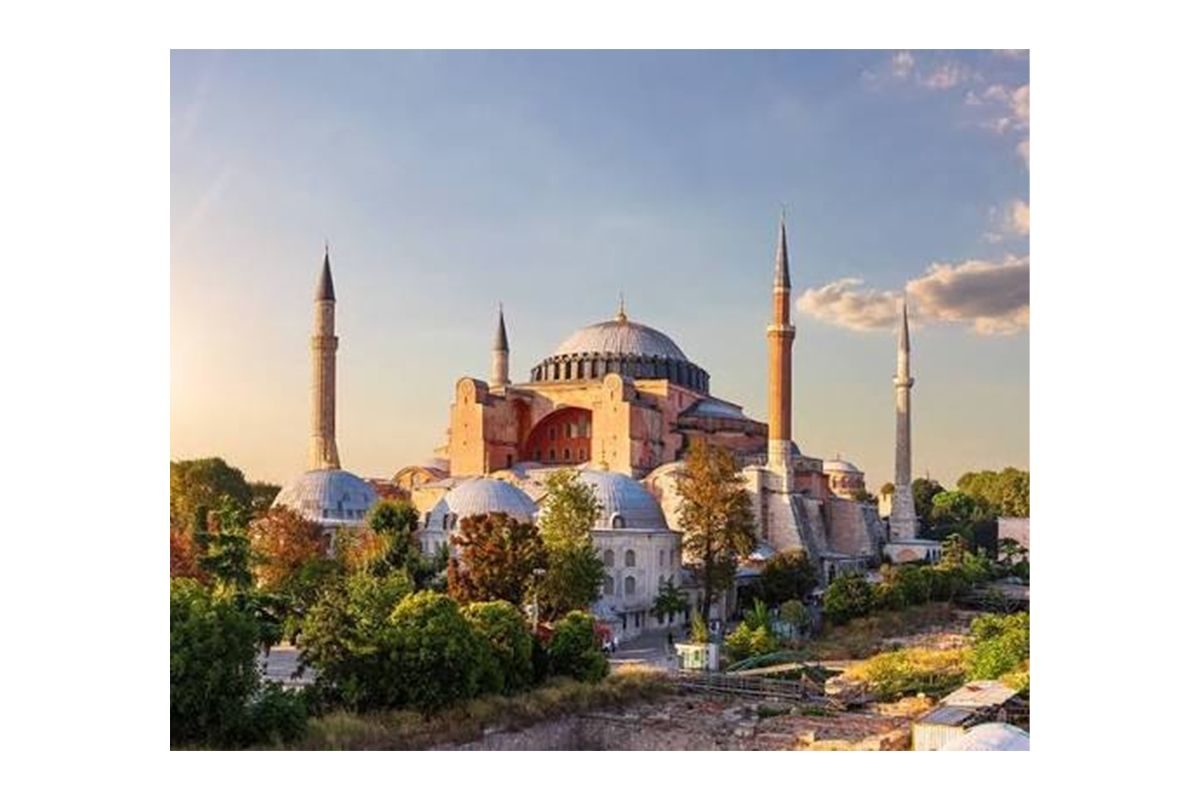
Istanbul’s rise in global tourism has been widely published. In 2025, Istanbul welcomed more visitors than any other city in the world. In the beginning of 2026, with the rest of the world still recovering from COVID, Istanbul continued to welcome record breaking international visitors. The Turkish ministry of culture and tourism has reported incredible new data showing record breaking tourism numbers and a shift in visitors from Europe and the US to Russia and other surrounding countries. With more visitors comes greater financial gain and more stress on the already burdened city. This report explores recent development in Istanbul’s tourism industry and assesses recent economic and social data released by the Turkish government.
The Post-Pandemic Resurgence and Historical Context
The post-pandemic resurgence of the global travel industry has seen many cities struggle to regain their former footing, yet the data surrounding Istanbul tourism growth presents a starkly different narrative of resilience and aggressive expansion. Historically, Istanbul has always served as a unique geographical and cultural bridge connecting Europe and Asia. However, modern aviation infrastructure and targeted diplomatic policies have transformed this historical advantage into an unprecedented economic engine. After a catastrophic drop to just 5 million foreign visitors in 2020—a devastating 66% collapse from the 14.91 million benchmark established in 2019—the recovery has been nothing short of spectacular. By 2021, numbers rebounded aggressively to 9.03 million, and by 2022, the city had decisively eclipsed its pre-pandemic peak, welcoming a record 16.02 million international guests.
Advertisement
Advertisement
Across the broader 2014–2025 period, Istanbul has maintained an impressive annual average of approximately 13.13 million foreign visitor entries. This historical context is absolutely vital for understanding the current infrastructural demands placed upon the city and the national economy. The speed of this recovery highlights a structural advantage that competing Mediterranean destinations lack: Istanbul is not merely a seasonal leisure destination; it operates simultaneously as a critical global aviation hub, a world-renowned medical tourism centre, and an influential corporate and diplomatic nexus. Consequently, the reliance on summer holidaymakers is heavily mitigated by a steady, year-round stream of arrivals, laying a robust foundation for the record-breaking milestones that would soon follow.
Record-Breaking 2025 Milestones in Istanbul
As the global tourism sector fully stabilised, 2025 emerged as a watershed year for the city’s hospitality, retail, and aviation sectors. Official figures confirm that Istanbul recorded an unprecedented 18.97 million foreign visitor entries in 2025, representing a solid 2% increase over the impressive 18.58 million entries achieved in 2024. This continuous year-on-year growth trajectory solidifies the metropolis’s status as a top-tier global destination, outperforming several traditional Western European capitals in both arrival volumes and revenue generation.
Advertisement
Advertisement
On a daily average basis, the sheer volume of human traffic navigating through the city’s ports and airports is staggering. In 2025, Istanbul received approximately 51,980 foreign visitors every single day, which marks a steady climb from the 50,770 daily average recorded throughout 2024. The seasonality of these arrivals also provides crucial insights for policymakers and industry stakeholders attempting to manage urban flow. The highest-volume months in 2025 were deeply concentrated in the summer and early autumn periods. July led the official statistics with an overwhelming 1.88 million entries, closely followed by October with 1.86 million, and August with 1.85 million. Conversely, the winter months, while understandably quieter, still generate volumes that outpace the peak seasons of many competing cities. March 2025 recorded the lowest entries of the year at 1.23 million—roughly 35% below the July peak—yet this still represents a formidable baseline of consistent tourism activity.
Early 2026 Performance: Monthly Fluctuations and Resilience
Transitioning into the new year, early 2026 performance indicators have displayed a fascinating mix of robust growth and slight contractions, indicative of a maturing market adjusting to complex global economic realities and shifting aviation schedules. In January 2026, the number of foreign visitors entering Istanbul stood at 1,359,798, marking a healthy 7.18% increase compared to the same month in 2025. This initial surge demonstrated strong winter demand, heavily supported by transit tourism and winter shopping festivals.
Advertisement
Advertisement
However, this initial January surge was slightly tempered in the subsequent month. February 2026 saw 1,233,088 foreign visitor entries, which represented a marginal decrease of 1.78% year-on-year. Despite this minor February dip, the broader first-quarter data reaffirms Istanbul’s supreme dominance within the national framework. During the January–March 2026 period, Istanbul remained the primary gateway into the country, accounting for a massive 56.51% of all foreign visitor entries into Türkiye, translating to 3,863,647 individuals.
It is also critical to contextualise this local data against the national backdrop. On a broader level, the first five months of 2026 (January–May) saw tourist arrivals in Turkey decline by 2.56% year-on-year to a total of 15.23 million. In May 2026 alone, national arrivals decreased by 3.58% to 4.86 million, following a sharper 9.4% drop recorded in April. Against this backdrop of a slight national cooling—driven largely by shifting demand in coastal resort towns—Istanbul’s ability to maintain incredibly high visitor volumes underscores the resilience of its specific tourism model, which remains largely insulated from purely seasonal Mediterranean fluctuations.
Source Market Analysis: The Russian Federation’s Enduring Dominance
To truly understand the mechanics of Istanbul tourism growth, one must meticulously analyse the demographic breakdown of its incoming visitors. The data reveals a highly diversified source market, which acts as a powerful financial buffer against regional economic downturns. Leading this demographic charge is the Russian Federation. Russia has consistently positioned itself as the single largest source of foreign visitors to Istanbul, driven by a complex mix of geographical proximity, visa-free travel arrangements, and broader geopolitical realities that have restricted Russian access to traditional Western European airspace.
In 2025, Russia sent a massive 2.02 million visitors to Istanbul, representing an impressive 10.7% of all foreign entries for the year. This dominance continued forcefully into the new year. As of January 2026, Russian arrivals constituted 11.34% of the total foreign visitors entering the city, and in February 2026, they maintained the top spot with a 10.28% share. Nationally, the number of Russian visitors across all of Turkey increased by 1% year-on-year to 1.74 million during the January-May 2026 period. For Istanbul specifically, Russian tourists represent a highly lucrative demographic, contributing heavily to retail, luxury accommodation, and transit aviation sectors as they utilise Istanbul Airport as a vital connecting hub for onward global travel.
The United States and Germany: Driving Transatlantic and European Demand
While regional neighbours provide massive volumes, the influx of high-spending Western tourists has become a critical pillar of the city’s economic strategy. The growing volume of US visitors to Istanbul is particularly noteworthy. Benefiting from the aggressively expanding flight network of Turkish Airlines—which now connects Istanbul directly to numerous major American cities—the United States has rapidly ascended the ranks of top source markets. In 2025, the United States ranked third overall, sending 1.06 million visitors and capturing a 5.6% market share. In early 2026, the US maintained its strong presence, accounting for 4.46% of all arrivals in January and 3.76% in February. The strong US dollar against the Turkish Lira continues to make Istanbul an exceptionally attractive value proposition for American travellers seeking luxury experiences, cultural heritage, and high-end gastronomy.
Similarly, German tourists in Turkey have long formed the backbone of the country’s tourism industry, and Istanbul is no exception. In 2025, Germany ranked as the second-largest source market for Istanbul, contributing 1.52 million visitors (an 8% share). This trend persisted into 2026, with Germany holding a 6.78% share in January and rising to 8.05% in February. On a national scale, Germany remains Türkiye’s absolute largest source market; an impressive 1.84 million German nationals visited the country in the first five months of 2026, an increase from 1.74 million during the same period in 2025. The German market is uniquely supported by a massive Turkish diaspora living in Europe, combining traditional leisure tourism with highly consistent visiting-friends-and-relatives (VFR) travel patterns that ensure year-round flight occupancy.
Advertisement
Advertisement
Emerging Markets and Regional Shifts: The Middle East, Asia, and Beyond
Beyond the primary trio of Russia, Germany, and the United States, Istanbul’s appeal is vast and genuinely global. Iran has historically been a crucial neighbouring market. In 2025, Iran sent 910,996 visitors to Istanbul, completing the top tier of source markets. In early 2026, Iran accounted for 4.77% of January arrivals and 3.81% of February arrivals. However, national data from the first five months of 2026 indicates a broader national slowdown from this specific demographic, with Iranian tourist numbers falling 23.3% year-on-year to approximately 904,000.
Western Europe continues to perform solidly. The United Kingdom contributed 758,573 visitors in 2025, and maintained shares of 3.54% and 4.02% in January and February 2026 respectively. Much like Iran, however, national figures for the UK saw a slight dip in early 2026, declining by 8.2% to 1.12 million across Turkey. France and Italy also remain deeply entrenched in the top ten, driven by cultural tourism and corporate travel.
Interestingly, Asian and Middle Eastern markets are showing dynamic growth. In early 2026, Saudi Arabia captured a 4.58% share in January, while the Republic of China (accounting for a mix of corporate and heavily organised leisure group travel) secured over 2% of the market share in the first two months of the year. Furthermore, Central Asian nations like Uzbekistan (2.88% in Jan, 3.11% in Feb) reflect Istanbul’s growing influence as a commercial and transit hub for the broader Turkic and Central Asian world.
Means of Transportation and the Dominance of Aviation
The logistics of foreign visitor share integration rely almost entirely on state-of-the-art aviation infrastructure. Istanbul’s geographical position necessitates a heavy reliance on air travel, a fact clearly reflected in the official border entry statistics. In January 2026, the number of foreign visitors arriving by air increased by 7.53% compared to the same period in 2025, reaching a total of 1,346,016 visitors. Conversely, maritime arrivals—primarily consisting of cruise ship passengers docking at Galataport—experienced a sharp decrease of 18.41%, dropping to just 13,782 visitors during the winter month.
February 2026 mirrored this aviation dominance, though with slightly contracted overall numbers. Air arrivals in February decreased marginally by 1.80% year-on-year to 1,221,345 visitors, while maritime arrivals saw a slight uptick of 0.33%, reaching 11,743. The overwhelming majority of Istanbul’s tourism economy is fundamentally tethered to the operational success, capacity expansion, and route networks of its commercial airports, making aviation policy indistinguishable from tourism policy in the eyes of local governance.
Istanbul Airport vs. Sabiha Gökçen: Infrastructure and Capacity
To facilitate this immense Istanbul tourism growth, the city relies on a dual-hub airport strategy that effectively splits traffic between the European and Asian continents. Istanbul Airport, the colossal mega-hub located on the European side, shoulders the absolute majority of international traffic and serves as the primary base for the flag carrier. In January 2026, among all foreign visitors arriving by air, a dominant 69.04% utilised Istanbul Airport. In February 2026, this figure remained overwhelmingly high at 65.17%.
Advertisement
Advertisement
Sabiha Gökçen International Airport, situated on the Asian side and heavily favoured by low-cost carriers and regional airlines, handles the remaining balance of the traffic. It captured 30.86% of the international air arrivals in January 2026 and saw its share rise to 34.74% in February 2026. The ongoing expansion of metro links—such as the M11 line connecting directly to Istanbul Airport and the M4 extension to Sabiha Gökçen—has drastically reduced transit times into the historic city centre. This seamless infrastructural integration is highly praised by industry experts and remains a core component in maintaining high visitor satisfaction rates and encouraging repeat visits.
Economic Implications: Hotel Occupancy and Accommodation Statistics
The sheer volume of arrivals naturally triggers massive demand within the hospitality sector. An analysis of Istanbul accommodation statistics reveals the depth of the city’s hotel infrastructure and the behavioural patterns of its guests. In 2024, Istanbul’s certified accommodation facilities registered a phenomenal 14.24 million total arrivals (check-ins). Of this total, a staggering 10.03 million (70.4%) were foreign guests, while 4.21 million (29.6%) were domestic travellers.
When looking at total overnight stays, the figures are even more pronounced. Total overnight stays reached 31.63 million in 2024, with foreign guests generating 23.8 million nights (representing 75.2% of the total market) and domestic guests accounting for 7.83 million nights. Interestingly, the average length of stay across all guests was just 2.22 nights in 2024. This remarkably specific metric underscores Istanbul’s predominant status as a short-break, weekend getaway, and transit destination. Visitors frequently spend two to three days exploring historical sites like the Hagia Sophia and Topkapi Palace before flying to coastal resorts in Antalya, Bodrum, or connecting to international long-haul destinations.
Despite the short average stay, the constant turnover ensures strong financial performance. The annual hotel occupancy rate for certified properties stood at a highly profitable 54.75% in 2024. As of early 2026, the city boasted 3,154 certified accommodation facilities offering a massive total capacity of 258,252 beds, with an additional pipeline of 67 investment-certified properties slated to add 15,624 more beds upon completion.
Revenue Generation, Local Economy, and Foreign Exchange Inflows
The macroeconomic impact of Istanbul tourism growth cannot be overstated, particularly within the context of Turkey’s broader financial environment. Foreign visitor expenditures provide a critical influx of foreign exchange—primarily Euros, US Dollars, and British Pounds—which helps balance the national current account and stabilise local financial markets. The hospitality, retail, gastronomy, and transportation sectors employ hundreds of thousands of local residents, creating a massive economic multiplier effect that sustains the broader Istanbul economy.
While the influx of foreign capital is vital, the local economy is also heavily integrated with outbound trends. For context on the financial scale of Turkish travel, outbound trips by Turkish citizens reached 11.9 million in 2025 (a 4% increase from 2024), while total outbound spending in 2024 was recorded at $7.74 billion with an average spend per traveller of $680. The symbiotic relationship between robust domestic aviation, outbound business travel, and inbound foreign tourism creates an aviation ecosystem that significantly lowers operational costs for airlines, leading to more competitive ticket pricing that further fuels inbound tourism growth.
Advertisement
Advertisement
Government Initiatives, Policy Implications, and Strategic Marketing
The remarkable statistics achieved in recent years are not entirely accidental; they are the result of highly coordinated government initiatives. The Ministry of Culture and Tourism has implemented aggressive, data-driven marketing campaigns globally. Through the Türkiye Tourism Promotion and Development Agency (TGA), the government has heavily promoted Istanbul not just as an ancient historical site, but as a modern, dynamic metropolis offering high-end gastronomy, contemporary art, and luxury shopping.
Istanbul serves as Turkey’s single largest tourism gateway, consistently accounting for more than a third of all foreign visitor entries recorded nationally. In 2025, Istanbul’s 18.97 million foreign entries represented 36% of Turkey’s national total of 52.78 million. In 2024, its share was equally dominant at 35.3% of the national total of 52.63 million entries. By maintaining this dominant position, government policymakers use Istanbul as the primary introductory point for international tourists, subsequently marketing secondary regional destinations like Cappadocia, Ephesus, and the Turquoise Coast to visitors once they have entered the country. Furthermore, the Ministry has placed a major emphasis on sustainable tourism, requiring hotels to obtain Global Sustainable Tourism Council (GSTC) certifications, ensuring that rapid growth does not come at the expense of environmental degradation.
Industry Impact: How Travel Agencies and Hospitality Sectors Are Adapting
Local businesses, from massive corporate tour operators to independent boutique hotels in the Beyoğlu and Sultanahmet districts, are constantly adapting to shifting demographic trends. According to evaluations from active industry professionals and travel agency owners operating within Istanbul during the early months of 2026, demand has remained remarkably steady. Despite global economic headwinds, local operators note that reservations and overall consumer demand remain at robust levels comparable to the record-breaking heights of 2025.
The industry is proactively pivoting to cater to the specific needs of its top source markets. For instance, the influx of Russian visitors has led to an increase in Russian-speaking guides and tailored luxury retail experiences. Simultaneously, the rise in American and German tourists has driven a surge in high-end culinary tourism, further accelerated by the introduction of the Michelin Guide to Istanbul, which has elevated the city’s dining scene to global standards. Medical tourism agencies are also highly integrated into the hospitality sector, offering package deals that combine medical procedures (such as hair transplants and dental work) with luxury hotel stays and guided cultural tours, effectively increasing the average length of stay and overall spend per visitor.
Future Outlook: Managing Overtourism and Sustaining Growth
As Istanbul looks toward late 2026 and 2027, the future of its travel sector appears highly promising, albeit accompanied by complex urban management challenges. Industry analysts suggest that the full reflections of global geopolitical and economic developments will become clearer in a broader sense by September 2026. However, the fundamental pillars supporting the city’s tourism economy remain exceptionally strong.
The primary challenge moving forward will be managing the sheer volume of visitors to prevent overtourism in historically sensitive areas like the Grand Bazaar, the Sultanahmet Square, and the narrow streets of Galata. Government and municipal authorities are actively working on dispersing tourist footfall by developing new cultural hubs, such as the revitalised Golden Horn shipyards and expanding arts districts on the Asian side. If the current trajectory holds, supported by a resilient aviation network and diverse source markets, Istanbul is well-positioned to not only break the 19-million visitor barrier but to firmly establish itself as the premier urban destination in Europe and the Middle East for decades to come.
Advertisement
