
Uzbekistan Advances With South Korea to Strengthen Tourism Ties as Korean Visitor Numbers Surge and New Opportunities Emerge

Published
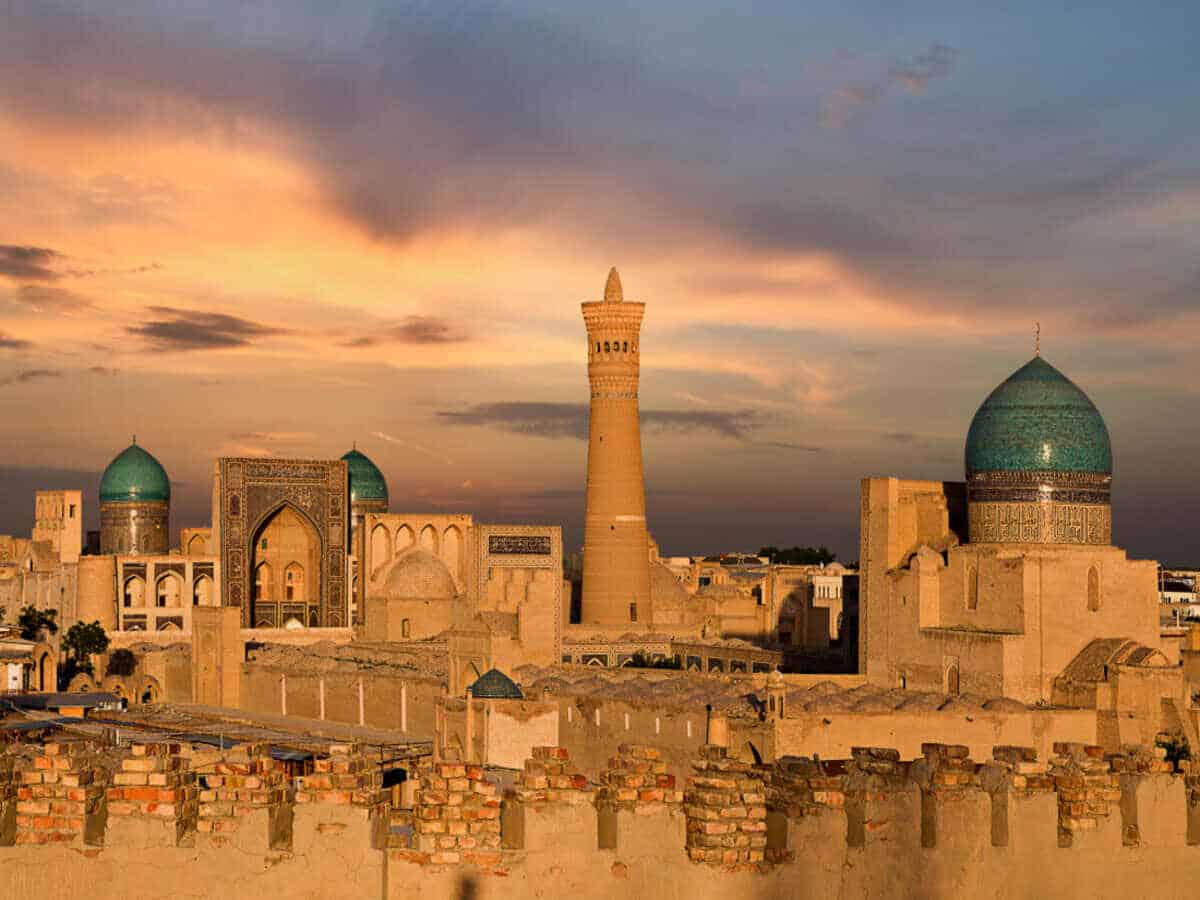
Uzbekistan advances with South Korea to strengthen tourism ties as Korean visitors surge in. Uzbekistan’s tourism industry is entering a new era of international expansion, with South Korea being one of the most important long haul markets for the Central Asian destination. Strong growth in foreign arrivals, visa free access, direct air connectivity and deeper cooperation between tourism businesses are supporting efforts to attract more Korean travellers.
Between January and July 2026, Uzbekistan welcomed approximately 7.75 million international tourists, representing a 22.6% increase compared with the same period in the previous year. During the same period, tourism service exports reached around $3.9 billion, highlighting the growing economic importance of the travel sector.
South Korea has become a key contributor to this momentum, with increasing numbers of Korean travellers exploring Uzbekistan’s cultural heritage, historic cities, natural landscapes and Silk Road attractions.
| Uzbekistan Tourism Growth Indicator | 2026 Performance |
|---|---|
| International tourists (January–July 2026) | 7.75 million |
| Annual growth compared with previous year | 22.6% increase |
| Tourism service exports | Approximately $3.9 billion |
| Major growth market | South Korea |
| Korean visitors (January–July 2026) | 26,500 tourists |
South Korean Travellers Become an Important Market for Uzbekistan Tourism
South Korea has strengthened its position as one of Uzbekistan’s leading long-haul tourism markets. During the first seven months of 2026, Korean arrivals reached 26,500 visitors, placing South Korea among the top three long-haul source markets for Uzbekistan, following China and Türkiye.
Advertisement
Advertisement
The growth reflects a sustained recovery in Korean travel demand after the pandemic period. Visitor numbers from South Korea have already exceeded previous benchmarks, showing increasing interest in Uzbekistan as a cultural and experiential travel destination.
| Year | South Korean Visitors to Uzbekistan |
|---|---|
| 2019 | 35,500 |
| 2024 | 41,300 |
| 2025 | 46,300 |
| January–July 2026 | 26,500 |
The rise in Korean arrivals has been supported by Uzbekistan’s historical attractions, including ancient Silk Road cities, UNESCO-listed heritage locations, traditional architecture, gastronomy and cultural experiences. The destination’s combination of history, affordability and accessibility has helped position it as an attractive option for Korean travellers seeking new international experiences.
Advertisement
Advertisement
Visa-Free Access and Direct Flights Improve Uzbekistan South Korea Travel Connectivity
Travel accessibility has become a major factor behind the expanding tourism relationship between Uzbekistan and South Korea. Korean citizens have been able to travel to Uzbekistan without arranging a visa in advance under a 30-day visa-free regime introduced in February 2018.
This simplified entry process has reduced barriers for leisure travellers, tour groups and independent visitors. Alongside visa-free access, direct flights between Uzbekistan and South Korea have improved travel convenience and strengthened links between the two tourism markets.
Advertisement
Advertisement
| Travel Connectivity Factor | Impact on Tourism |
|---|---|
| 30-day visa-free entry for Korean citizens | Easier travel planning and increased accessibility |
| Direct air connections | Faster and more convenient travel between destinations |
| Growing airline links | Supports tourism exchange and business cooperation |
However, stronger accessibility is only one part of tourism development. Uzbekistan is also focusing on improving destination promotion, travel products and visitor services to encourage more Korean travellers to choose the country.
Uzbekistan Expands Tourism Partnerships to Attract More Korean Visitors
To increase its presence in the South Korean tourism market, Uzbekistan is focusing on stronger cooperation between tourism businesses, travel agencies and destination organisations.
A major step was taken through tourism industry cooperation activities that connected Uzbek tourism companies with South Korean partners. These initiatives created opportunities to present Uzbekistan’s tourism potential, introduce travel routes and develop packages designed specifically for Korean visitors.
Business-to-business meetings have become an important element of this cooperation, allowing tour operators, airlines and tourism companies from both countries to directly discuss opportunities for expanding travel flows.
Advertisement
Advertisement
Future cooperation is expected to focus on stronger engagement with South Korean travel organisations, joint promotional activities and greater participation of Korean tourism companies in Uzbekistan’s major tourism events.
| Tourism Cooperation Area | Planned Development |
|---|---|
| Tour operator partnerships | More cooperation between Uzbek and Korean travel companies |
| Destination promotion | Increased visibility of Uzbekistan in South Korea |
| Tourism fairs | Greater Korean participation in Uzbekistan tourism events |
| Travel packages | Development of Korea-focused itineraries |
Better Tourism Services and Korean Language Training Become Key Priorities
While travel access and marketing remain important, service quality has become a central focus in Uzbekistan’s tourism development strategy. Meeting the expectations of Korean travellers requires trained professionals who understand Korean language, culture and travel preferences.
A shortage of Korean-speaking tourism specialists has been identified as an area requiring further attention. Expanding professional training programmes is expected to help Uzbekistan provide more personalised experiences for visitors from South Korea.
Cooperation with South Korean institutions is being explored to support tourism education, knowledge exchange and skills development. The proposed initiatives include bringing tourism experts from South Korea to Uzbekistan, creating training opportunities and strengthening international cooperation between educational institutions.
One of the areas being considered is the establishment of a Korean language and culture centre at the International University of Tourism and Cultural Heritage “Silk Road” in Samarkand. Such initiatives would help future tourism professionals better understand Korean visitors and improve service standards.
| Tourism Development Priority | Expected Benefit |
|---|---|
| Korean language training | Better communication with visitors |
| Tourism education cooperation | Improved workforce skills |
| Expert exchanges | Transfer of international tourism experience |
| Cultural programmes | Stronger understanding between destinations |
South Korea Supports Uzbekistan Tourism Development Through Knowledge Exchange
The tourism partnership between Uzbekistan and South Korea extends beyond visitor numbers. Both countries are also working towards cooperation in tourism education, professional development and industry innovation.
Advertisement
Advertisement
Uzbekistan’s participation in South Korean tourism policy and project exchange programmes has created additional opportunities to share knowledge and develop new tourism models.
These initiatives highlight a broader approach where South Korea is viewed not only as a source market for tourists but also as a strategic partner in strengthening Uzbekistan’s tourism industry.
The cooperation builds on a long-standing relationship between the two countries. An intergovernmental tourism cooperation agreement has been in place since 2012, providing a foundation for further expansion.
Future plans include developing additional agreements between tourism authorities and creating action plans aimed at increasing travel exchanges, improving cooperation mechanisms and supporting tourism growth.
Uzbekistan and South Korea Build a Long-Term Tourism Future
The expanding tourism relationship between Uzbekistan and South Korea is focused on creating a complete travel ecosystem that connects accessibility, promotion, business cooperation and service quality.
The objective is not only to increase the number of Korean visitors but also to create sustainable tourism growth through stronger partnerships between airlines, travel companies, educational institutions and government organisations.
Advertisement
Advertisement
With rising international arrivals, improved travel connections and growing cooperation, Uzbekistan is positioning itself as an emerging destination for South Korean travellers seeking cultural discovery, heritage experiences and Silk Road adventures.
Now Uzbekistan is strengthening its tourism ties with South Korea, as the number of Korean visitors grows. This is explained by visa liberalization, flights, tourism cooperation, and the popularity of Uzbekistan’s cultural and heritage tourism.
It is expected that tourism cooperation will lead to an increase in tourist flows and will also have a positive impact on business and the overall economy.
Advertisement
