 Moulina Dhara Moulina Dhara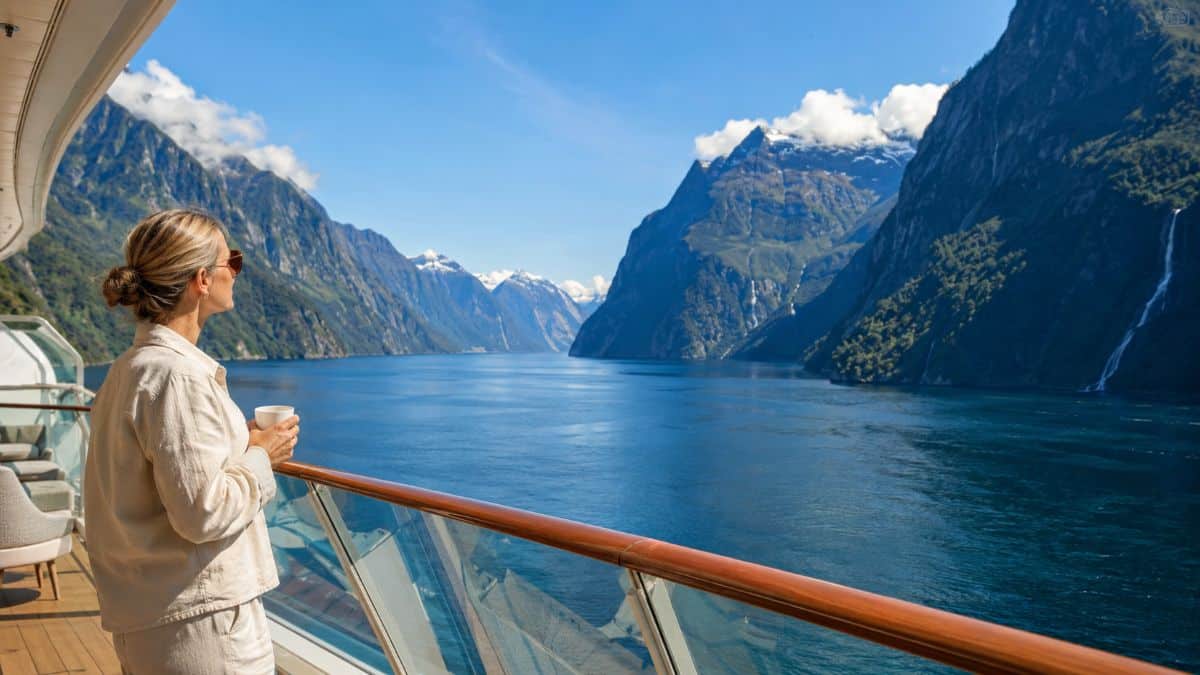
Image generated with Ai
Asia Pacific cruise tourism remains in a state of continuous expansion as there is an ever-growing demand for culture exploratory cruises. The 2027 year brings a major increase in the number of culture-oriented cruises that will take place in New Zealand, Japan, Indonesia, Philippines, Papua New Guinea, Vanuatu, Solomon Islands, and South Korea.
It should be noted that at a global level there has been a noticeable trend towards expedition cruise tourism. In other words, travelers tend to become more engaged culturally in the places they visit and explore natural landscapes of remote locations.
Advertisement
New Zealand continues to strengthen its position as a leading destination for expedition cruise tourism in the Southern Hemisphere. Ports such as Dunedin and Auckland are increasingly used as departure points for extended voyages across the South Pacific.
Cruise itineraries originating in New Zealand offer access to diverse ecosystems, coastal landscapes, and island cultures across the Pacific region. The country’s strategic location makes it a central gateway for voyages connecting Oceania with Southeast Asia and East Asia.
Advertisement
Advertisement
Island destinations across the South Pacific, including Vanuatu, Solomon Islands, and New Caledonia, are playing an increasingly important role in global cruise tourism. These destinations offer remote natural environments, coral reef systems, and culturally rich island communities.
Cruise routes across this region provide access to lesser-visited locations such as Guadalcanal and Honiara in the Solomon Islands, highlighting growing interest in off-the-beaten-path travel experiences. The inclusion of these destinations reflects rising global demand for sustainable and culturally immersive tourism.
Indonesia continues to emerge as a global centre for marine and ecotourism experiences, particularly in the Raja Ampat archipelago and Cenderawasih Bay. These regions are recognised for their exceptional biodiversity and coral reef ecosystems, forming part of the Coral Triangle.
Cruise itineraries through Indonesia highlight increasing international interest in conservation-focused travel and underwater exploration. Ports such as Sorong serve as key entry points for expedition cruises navigating Indonesia’s eastern maritime regions.
Advertisement
Advertisement
The Philippines is becoming a significant component of Asia Pacific cruise itineraries, with Manila serving as a key embarkation and transit hub. The country’s island geography offers access to diverse marine environments and coastal landscapes across the archipelago.
Cruise routes connecting the Philippines with Japan and Indonesia enhance regional tourism integration, supporting broader efforts to position Southeast Asia as a unified cruise destination zone. This connectivity is strengthening tourism flows between multiple Asian markets.
Japan continues to be a central destination in East Asia cruise tourism, with ports such as Hiroshima and Otaru featuring prominently in expedition routes. The country’s combination of cultural heritage sites, coastal cities, and northern landscapes contributes to its strong appeal among international cruise travellers.
South Korea, particularly the port city of Busan, is also gaining prominence within regional cruise itineraries. The inclusion of Japanese and Korean destinations reflects growing demand for cultural exploration across Northeast Asia.
Papua New Guinea is increasingly included in expedition cruise itineraries due to its remote location and unique cultural landscapes. Cruise routes through this region provide access to river systems, coastal communities, and biodiversity-rich environments.
These voyages support the expansion of remote destination tourism, where travellers seek less commercialised and more environmentally integrated travel experiences. The Pacific region continues to attract interest for its authenticity and ecological significance.
The 2027 Asia Pacific cruise season features a growing number of multi-country itineraries connecting New Zealand, the Pacific Islands, Southeast Asia, and East Asia. These extended voyages allow travellers to experience diverse cultures, ecosystems, and coastal environments within a single journey.
Cruise tourism operators are increasingly focusing on long-duration itineraries that combine exploration, education, and cultural immersion. This trend reflects evolving traveller preferences for meaningful and experience-driven holidays.
Sustainability is becoming an increasingly important factor in Asia Pacific cruise development. Many destinations across Indonesia, Papua New Guinea, and the South Pacific are focusing on marine conservation and responsible tourism practices.
Expedition cruise models are being adapted to minimise environmental impact while enhancing educational engagement with natural ecosystems. This approach aligns with global tourism priorities centred on sustainability and biodiversity protection.
The Asia Pacific region is emerging as one of the fastest-growing areas in global cruise tourism. Increased connectivity between island nations and mainland Asian countries is supporting new travel routes and expanded expedition offerings.
Destinations across Oceania and Asia are benefiting from rising international interest in remote exploration, marine biodiversity, and cultural heritage tourism. This expansion is contributing to the diversification of global cruise travel patterns.
As more expedition cruises offer destinations in New Zealand, the Pacific Islands, Indonesia, the Philippines, Japan, and South Korea, the Asia Pacific region gains more significance in terms of tourism in the world.
In line with growing demands for experiential travel, the region remains a center of interest for travelers who would like to discover its unique cultures and maritime offerings. The inclusion of many destinations in cruise routes is indicative of the change in how travelers explore the region.
Advertisement
Tags: Asia Pacific cruise tourism, Indonesia Raja Ampat, Japan cruise travel, New Zealand cruises, South Pacific islands tourism
Advertisement
Advertisement













Saturday, September 5, 2026

Saturday, September 5, 2026

Saturday, September 5, 2026

Saturday, September 5, 2026

Saturday, September 5, 2026
Saturday, September 5, 2026

Saturday, September 5, 2026

Saturday, September 5, 2026



