
Crete, Knossos and Heraklion Preserve Greece’s Legendary Labyrinth. Why Does the Myth of Theseus and the Minotaur Continue to Inspire Travellers?

Published
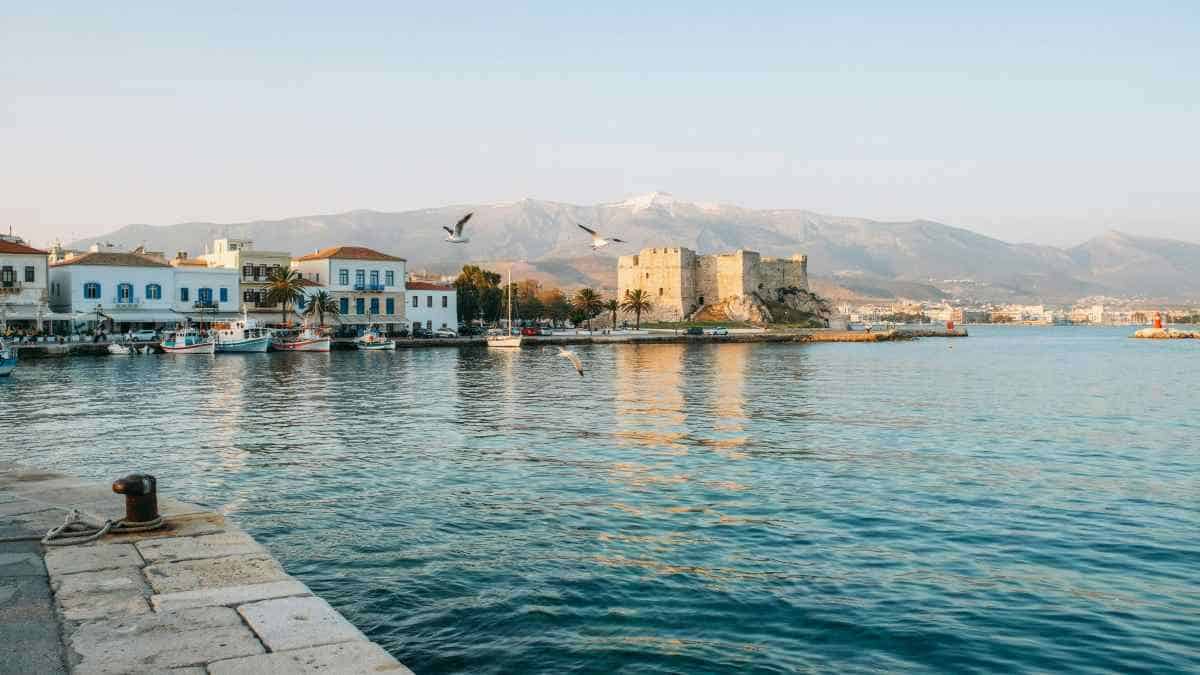
Crete, Knossos and Heraklion remain among Greece’s most fascinating cultural destinations, where mythology and archaeology come together to tell one of the ancient world’s most enduring stories. The legend of the Labyrinth, King Minos, Theseus and the Minotaur has captivated travellers for centuries, drawing visitors to the island that inspired one of Greek mythology’s greatest tales. While the legendary maze itself belongs to myth, the magnificent Palace of Knossos, just outside Heraklion, continues to offer visitors a remarkable glimpse into the civilisation that gave rise to these timeless legends.
The Legend That Defined Ancient Crete
Few stories in Greek mythology are as famous as the tale of the Labyrinth.
According to ancient legend, King Minos, ruler of Crete and son of Zeus, asked Poseidon to send him a magnificent white bull as a sign of divine approval for his rule.
In return, Minos promised to sacrifice the animal to the sea god.
Advertisement
Advertisement
Instead, impressed by the bull’s beauty, Minos kept it for himself.
Poseidon, angered by the betrayal, punished the king through a curse that ultimately led to the birth of one of mythology’s most feared creatures.
Advertisement
Advertisement
The Birth of the Minotaur
The curse resulted in the birth of the Minotaur, a creature with the body of a man and the head of a bull.
Ashamed of the monster yet unable to destroy it, King Minos sought a way to imprison the beast permanently.
He turned to the legendary craftsman Daedalus, who designed an extraordinary maze so complex that no one entering it could easily find the exit.
This immense structure became known as the Labyrinth, one of the most famous symbols in world mythology.
The Labyrinth Becomes a Symbol of Ancient Greece
According to the myth, the Minotaur was confined within the endless passages of the Labyrinth beneath the Palace of Knossos.
After Crete defeated Athens in war, the Athenians were forced to send groups of young men and women as tribute.
Advertisement
Advertisement
These unfortunate victims were sent into the maze, where the Minotaur awaited them.
The story soon became one of courage, sacrifice and the struggle against overwhelming odds, themes that continue to resonate with audiences today.
Theseus Changes the Course of the Story
The myth reached its dramatic conclusion when Theseus, the Prince of Athens, volunteered to join the group of tributes.
Determined to end the suffering of his people, Theseus travelled to Crete prepared to confront the Minotaur.
According to the legend, Princess Ariadne, daughter of King Minos, fell in love with Theseus and secretly gave him a ball of thread.
By tying one end at the entrance and unwinding it as he moved deeper into the maze, Theseus created a path that allowed him to find his way back after defeating the Minotaur.
Advertisement
Advertisement
The image of Ariadne’s Thread has since become a lasting symbol of guidance, hope and solving seemingly impossible problems.
The Palace of Knossos and the Origins of the Myth
Although the Labyrinth itself remains part of mythology, many historians believe the story may have been inspired by the Palace of Knossos.
The vast Bronze Age palace features hundreds of interconnected rooms, corridors, staircases and courtyards that create a remarkably complex architectural layout.
Early visitors may have viewed the enormous structure as a maze, helping inspire stories about a mysterious labyrinth hidden beneath the palace.
Today, Knossos remains one of Greece’s most important archaeological sites and one of the country’s most visited historical attractions.
Exploring Knossos Today
Located just a few kilometres from Heraklion, the Palace of Knossos welcomes visitors throughout the year.
Advertisement
Advertisement
The archaeological site includes reconstructed sections of royal apartments, ceremonial halls, colourful frescoes and sophisticated drainage systems that demonstrate the advanced engineering of the Minoan civilisation.
Walking through the palace allows visitors to imagine the world that may have inspired the myths of King Minos and the Labyrinth.
Many guided tours combine Knossos with the Heraklion Archaeological Museum, where remarkable Minoan artefacts are displayed.
Why Mythology Continues to Drive Tourism
Greek mythology remains one of the country’s strongest cultural attractions.
Stories such as the Labyrinth encourage visitors to explore archaeological sites while discovering the traditions and legends that shaped Western civilisation.
For many travellers, visiting Knossos is about more than seeing ancient ruins; it is about experiencing the setting of stories that have inspired literature, theatre, art and film for thousands of years.
Advertisement
Advertisement
This blend of history and mythology makes Crete one of Greece’s most rewarding cultural destinations.
Travel Tips Before Visiting
Travellers should visit the Palace of Knossos early in the morning during summer to avoid the hottest temperatures and busiest visitor periods.
Comfortable footwear, sun protection and drinking water are recommended, as much of the archaeological site is exposed.
Combining Knossos with Heraklion’s museums, Venetian harbour and local restaurants provides a fuller understanding of Crete’s remarkable history.
Booking guided tours can also help visitors appreciate the archaeological discoveries alongside the legendary myths connected with the site.
Key Statistics
- The Palace of Knossos is located near Heraklion in Crete.
- The Labyrinth is one of the most famous stories in Greek mythology.
- Knossos was the political and cultural centre of the Minoan civilisation.
- The archaeological site attracts visitors from around the world each year.
- The nearby Heraklion Archaeological Museum houses one of the world’s finest collections of Minoan artefacts.
Chronological Tracker
- Bronze Age – The Minoan civilisation constructs the Palace of Knossos.
- Ancient Greek mythology tells the story of King Minos, the Minotaur and the Labyrinth.
- Theseus defeats the Minotaur and escapes using Ariadne’s Thread.
- Modern archaeological excavations uncover Knossos, helping establish it as one of Greece’s leading heritage attractions.
Frequently Asked Questions
1. Was the Labyrinth a real place?
Advertisement
Advertisement
The Labyrinth is part of Greek mythology, although many scholars believe the legend may have been inspired by the complex layout of the Palace of Knossos.
2. Where can visitors explore the story today?
Travellers can visit the Palace of Knossos near Heraklion in Crete, which is closely associated with the legend of King Minos and the Minotaur.
3. Why is the myth still important?
The story of Theseus and the Minotaur remains one of the most influential tales in Greek mythology, symbolising courage, intelligence and the triumph over fear.
Conclusion
The legend of the Labyrinth, King Minos, Theseus and the Minotaur continues to make Crete one of Greece’s most compelling cultural destinations. Whether visitors are fascinated by mythology, archaeology or ancient history, the Palace of Knossos offers an extraordinary opportunity to explore the civilisation that inspired one of the world’s greatest legends. Combined with Heraklion’s museums and Crete’s rich cultural heritage, the story of the Labyrinth remains a timeless reminder of how myth and history continue to shape Greece’s appeal for travellers from across the globe.
Advertisement
