
Phuket, Roi Et And Nan Lead Thailand’s October 2026 Events as Cultural Festivals Draw Travellers Nationwide

Published
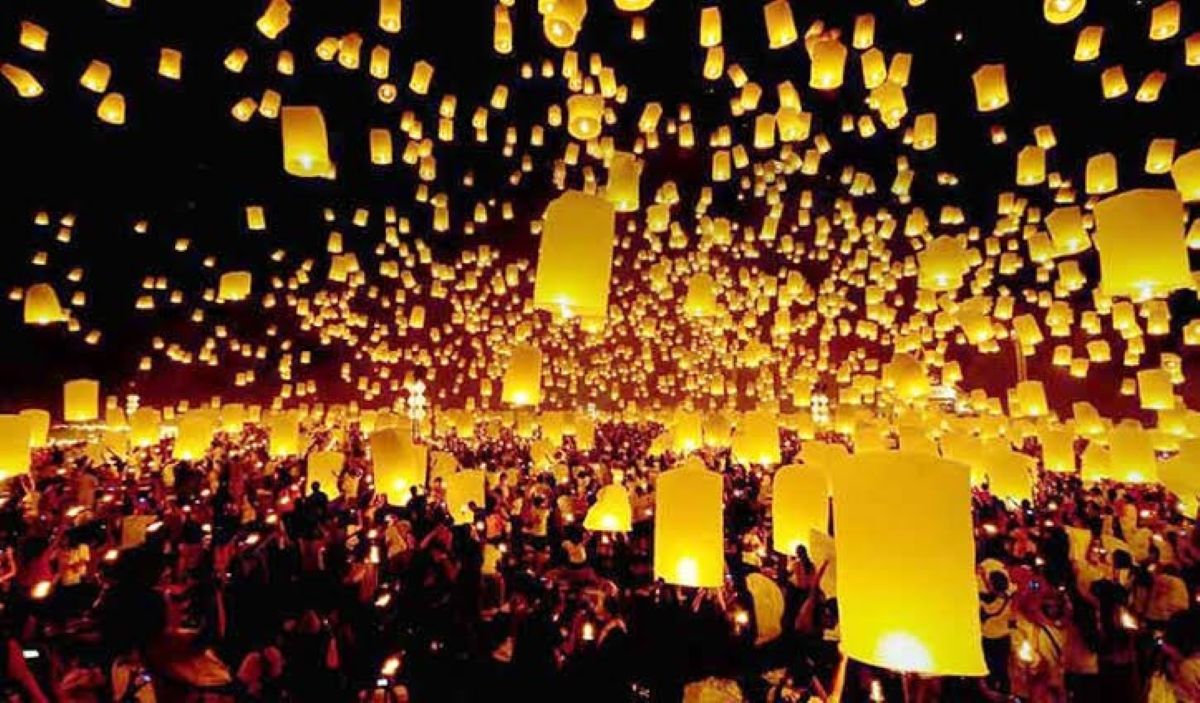
Thailand is preparing for a particularly varied October, with cultural festivals, faith traditions, illumination events and community celebrations across the country. The programme ranges from American-themed fairs in Bangkok and Chiang Mai to ancestral ceremonies in Surin and Buddhist traditions across Isan. Thailand October 2026 events also offer opportunities to explore destinations beyond Bangkok and Phuket, including Nan, Roi Et, Sakon Nakhon, Mukdahan and Mae Sariang. Several dates have now been confirmed through Thai government, provincial or organiser sources. However, some smaller programmes remain subject to final local announcements. Travellers should therefore distinguish between headline festival dates and individual activity schedules. October also marks Thailand’s transition towards cooler conditions, although rainfall remains possible.
A Month Built Around Local Experiences
October presents a useful opportunity for travellers who want to combine Thailand’s established tourism circuit with regional culture. The calendar spreads activity across central, northern, northeastern and southern Thailand, creating several potential multi-destination itineraries.
The timing is significant because many events coincide with Ok Phansa, which marks the end of Buddhist Lent. This period brings processions, merit-making ceremonies, illuminated displays and water-based traditions to numerous provinces. As a result, travellers can encounter very different interpretations of Thai religious and cultural life within the same month.
The broader tourism environment also supports this regional focus. Thailand recorded 14,515,978 international arrivals between 1 January and 7 June 2026, generating 701.358 billion baht in accumulated tourism revenue. China, Malaysia, India, Russia and South Korea were among the leading source markets during that period.
Advertisement
Advertisement
TAT entered 2026 with a strategy focused on higher-value tourism, sustainability and distinctive experiences. It set an international visitor target of 36.7 million and a tourism revenue ambition of about three trillion baht.
That direction makes locally rooted festivals increasingly relevant to the tourism economy. They distribute visitor spending beyond traditional resort centres and give smaller destinations stronger reasons to attract overnight visitors.
Advertisement
Advertisement
October Events Travellers Can Plan Around
| Event | 2026 dates | Destination | What travellers can expect |
|---|---|---|---|
| American Fair | 2–4 Oct | Nakhon Ratchasima | American food, culture, entertainment and family activities |
| UBON BOOK FAIR | 3–11 Oct | Ubon Ratchathani | Books, reading activities and learning experiences |
| Sattha The Power of Faith | 6–19 Oct | Phuket | Faith-focused exhibition, talks, vegetarian food and cultural activities |
| San Don Ta Festival | 7 Oct | Surin | Khmer-Thai ancestral worship and cultural demonstrations |
| VIJIT ROI-ET ILLUMINATION | 9–18 Oct | Roi Et | Night-time light, sound and visual installations |
| Nan Mountain Trail | 10–11 Oct | Nan | Trail running amid northern mountain landscapes |
| Nakhon Si Thammarat Tenth Lunar Month Festival | 28 Sep–12 Oct | Nakhon Si Thammarat | Merit-making, cultural performances and the Mharub procession |
| Wax Castle Procession | 20–26 Oct | Sakon Nakhon | Wax sculptures, Buddhist traditions and long-boat racing |
| Rap Bua Festival | 19–27 Oct | Samut Prakan | Lotus offering and the Luang Pho To boat procession |
| Bun Krathup Ok Phansa | 21–25 Oct | Chaiyaphum | Traditional incense offerings marking Buddhist Lent’s end |
| Boun Suang Heua | 23–26 Oct | Mukdahan | Mekong long-boat racing and Buddhist Lent celebrations |
| Ok Wa Festival | 25–27 Oct | Mae Hong Son | Shan cultural traditions, illuminated displays and procession |
| Wat Banthat Thong Festival | 26 Oct–1 Nov* | Bangkok | Temple-fair atmosphere and local cultural activities |
*The Wat Banthat Thong programme requires final confirmation from the organiser before travel.
The American Fair is particularly accessible for international visitors because it travels across Thailand. The October programme begins at Mayfair Market in Nakhon Ratchasima from 2–4 October, followed by Chiang Mai from 16–18 October and Bangkok from 23–25 October. TCEB confirms the three October dates and venues as part of the wider Freedom 250 programme.
Advertisement
Advertisement
The Chiang Mai edition has a strong gastronomy and family focus. U.S. government planning documents specify food demonstrations, cultural exhibits, live performances, interactive activities and family programming. The event is scheduled for 4pm–10pm on 16 October, noon–9pm on 17 October and noon–8pm on 18 October.
The Nakhon Ratchasima edition offers a similar family-oriented experience, with American food, live music, technology displays and interactive attractions. The Bangkok edition will take place at Parc Paragon, Siam Paragon, from 23–25 October.
For travellers seeking quieter cultural experiences, UBON BOOK FAIR provides a different proposition. The 15th edition runs from 3–11 October at Sunee Tower, with free entry and activities from 9am to 9pm. The event combines books, learning and creative activities, making it particularly suitable for families and travellers interested in contemporary Thai cultural life.
Faith Takes Centre Stage in Phuket
Phuket’s Sattha The Power of Faith runs from 6–19 October at Limelight Phuket. The programme explores the island’s Vegetarian Festival tradition through exhibitions, paintings, discussions, vegetarian food and participatory activities.
Advertisement
Advertisement
The opening ceremony is scheduled for 6 October, with registration beginning at 3pm. The exhibition then continues through 19 October. The event offers travellers a useful cultural introduction before experiencing Phuket’s wider Vegetarian Festival traditions.
Surin offers a more intimate encounter with regional belief systems through the San Don Ta Festival on 7 October. Provincial authorities have confirmed the date and described activities including a living exhibition, demonstrations of traditional foods, cultural performances, a procession and ancestral ceremonies.
The festival reflects the Khmer-Thai cultural heritage of Surin. Visitors should approach the ceremony as a religious and community occasion rather than simply as a photographic spectacle.
Northeastern Thailand Delivers Night-Time Drama
Roi Et will turn Bueng Phlan Chai into a night-time attraction during VIJIT ROI-ET ILLUMINATION, scheduled from 9–18 October. The programme runs from 5pm to midnight and uses lighting, visual installations and music to interpret local beliefs and Isan cultural identity.
The event suits travellers building evening sightseeing into an Isan itinerary. Visitors can combine the illumination programme with local food and daytime exploration before returning to the park after sunset.
Nan takes a completely different approach. The NAN MOUNTAIN TRAIL 2026 runs from 10–11 October at Prakit Vejchasak School in Na Noi District. The event brings runners into Nan’s mountainous setting and adds an active-travel dimension to the October calendar. Thailand’s official event portal confirms both the dates and location.
Advertisement
Advertisement
Travellers planning the trail should allow additional time for transport and accommodation. Na Noi is not a Bangkok-style urban destination, so advance planning becomes more important during event weekends.
Nakhon Si Thammarat Opens A Wider Festival Window
Nakhon Si Thammarat offers travellers a longer cultural experience than the 8–12 October dates may initially suggest. The official government calendar lists the wider Tenth Lunar Month Festival and Red Cross Fair from 28 September to 12 October, creating a 15-day programme across the southern city.
The festival centres on traditional merit-making, ancestral remembrance and Southern Thai heritage. Its major Mharub procession takes place on 10 October, followed by the principal merit-making ceremony on 11 October. Visitors can also encounter Nang Talung shadow puppetry, Nora performances, local food and community products during the wider programme.
For travellers, the extended calendar creates greater flexibility when planning accommodation and transport. Those visiting between 8 and 12 October can still experience the festival’s central activities, while earlier arrivals can explore a broader range of cultural programmes.
Sakon Nakhon Leads the Festival Run
Sakon Nakhon becomes one of October’s strongest cultural destinations with its Wax Castle Procession and Traditional Long Boat Racing programme. Provincial authorities confirm the main festival from 20–26 October.
The long-boat races take place on 23–24 October, while the major wax-castle procession is scheduled for 25 October. On 26 October, visitors can observe merit-making activities marking the end of Buddhist Lent.
Advertisement
Advertisement
The scale is notable. Local organisers say the programme combines cultural performances, community products, food activities, wax-castle displays and long-boat racing. The wax structures themselves represent a distinctive form of local Buddhist craftsmanship and community participation.
Travellers should consider staying overnight in Sakon Nakhon rather than treating the festival as a day excursion. The principal procession and evening activities create a stronger experience after sunset.
Water, Lotuses and Buddhist Traditions
Samut Prakan’s Rap Bua Festival runs from 19–27 October at Wat Bang Phli Yai Nai and the surrounding Khlong Samrong area. The central tradition involves a boat procession carrying the Luang Pho To image, while devotees offer lotus flowers from the canal banks.
The principal lotus-offering ceremony is scheduled for 25 October. The preceding days also include the land and boat processions, creating several opportunities for visitors to experience the festival.
Because Bang Phli sits close to Bangkok, this is one of the easier cultural excursions for travellers staying in the capital. Nevertheless, crowding around the canal can be substantial, so visitors should arrive early and follow local instructions.
Chaiyaphum’s Bun Krathup Ok Phansa Festival follows from 21–25 October in Nong Bua Daeng. The festival centres on traditional incense offerings associated with the end of Buddhist Lent. Local preparations confirm the 21–25 October window and include arrangements for traffic, parking and visitor facilities.
Advertisement
Advertisement
Mekong And Shan Traditions Follow
Mukdahan’s Boun Suang Heua runs from 23–26 October along the Mekong River embankment near Sala Khao and the Indochina Market Pier. The programme combines traditional long-boat racing with Buddhist Lent ceremonies, cultural performances and community activities.
For travellers, the riverfront setting adds another dimension. The event can be combined with Mekong viewpoints, local markets and regional cuisine, creating a compact cultural itinerary in eastern Isan.
Mae Sariang in Mae Hong Son closes October’s cultural calendar with the Ok Wa Festival from 25–27 October. The Shan community’s end-of-Buddhist-Lent traditions include illuminated decorations, cultural performances and the Thein Hlae lantern procession.
The 25 October programme also includes the fifth Kwa Lae Kom Mini Marathon, with five-kilometre and 10-kilometre categories. The major lantern procession is scheduled for 27 October.
What October Means For Travellers
Thailand’s October climate sits between the rainy and cooler seasons. TAT describes the month as a transition period, with temperatures beginning to ease while rainfall can still affect parts of the country.
That makes flexibility particularly important for outdoor festivals. Travellers should allow additional time for road journeys, carry lightweight rain protection and avoid assuming that evening events will always operate exactly to schedule.
Advertisement
Advertisement
| Travel consideration | Why it matters in October |
|---|---|
| Weather | Rain remains possible despite improving conditions |
| Accommodation | Smaller cities have fewer rooms during major festivals |
| Road travel | Rural festival locations can involve longer transfers |
| Religious etiquette | Modest clothing is appropriate at temples and ceremonies |
| Photography | Ask before photographing worshippers or private rituals |
| Night events | Carry light rain protection and suitable footwear |
| Transport | Local taxis and public transport can become busier around venues |
The calendar also intersects with an important change for international visitors. Thailand revised its visa exemption and Visa on Arrival arrangements from 15 September 2026. The 60-day visa exemption was revoked, while the tourism exemption and VoA lists were revised.
For Indian passport holders, the revised framework places India among the four nationalities eligible for Visa on Arrival, rather than the previous 60-day exemption arrangement. Travellers should check their precise eligibility before departure because visa rules can depend on nationality and travel purpose.
All non-Thai nationals entering Thailand must also complete the Thailand Digital Arrival Card, or TDAC. The form must be submitted within three days before arrival and applies to arrivals by air, land and sea.
Plan Around The Festival, Not Through It
For travellers, the strongest value of October lies in combining events with the destinations around them. Bangkok can pair with Samut Prakan, while Chiang Mai can form part of a northern itinerary incorporating Nan. Phuket provides a southern cultural base, while Sakon Nakhon and Mukdahan offer complementary Isan experiences.
The timing also supports longer stays. Rather than flying into a destination solely for one festival, travellers can build two- or three-night regional itineraries around food, temples, markets and nearby attractions.
This approach also reflects Thailand’s wider tourism strategy. TAT is increasingly emphasising value over volume, distinctive experiences and stronger regional distribution of tourism benefits.
Advertisement
Advertisement
For travel businesses, the October calendar therefore offers more than a collection of festivals. It provides opportunities to package cultural itineraries, extend average stays and direct visitor expenditure into provincial economies.
A Cultural Calendar Worth Following
October’s programme demonstrates how widely Thailand’s cultural identity extends beyond its most recognisable destinations. From ancestral worship in Surin to wax craftsmanship in Sakon Nakhon, lotus offerings in Samut Prakan and Shan traditions in Mae Sariang, each event offers a different regional perspective.
The most useful strategy for travellers is to plan around confirmed festival dates while allowing room for local programme changes. Smaller ceremonies can adjust timings because of weather, community decisions or operational requirements. Visitors should also respect religious spaces and treat traditional rituals as living culture rather than staged entertainment.
With the official government calendar, provincial announcements and organiser information now providing clearer dates, October 2026 offers an unusually broad cultural itinerary. For travellers willing to venture beyond Thailand’s classic routes, the month can turn a conventional holiday into a deeper journey through the country’s communities, beliefs and regional heritage.
Advertisement
