
British Airways BA711 Triggers Emergency Response After Diversion to Luxembourg as Airline Safety Systems Activate

Published
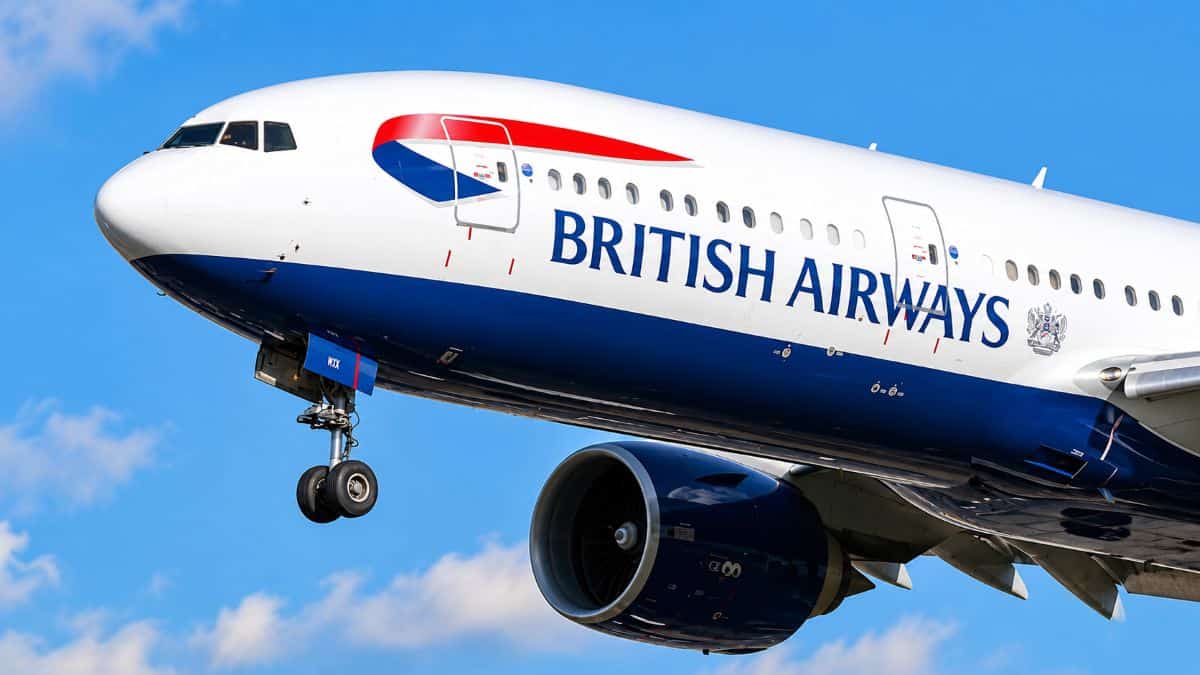
Image Credit: British Airways
British Airways BA711 Triggers Emergency Response After Diversion to Luxembourg as Airline Safety Systems Activate after the Heathrow-bound flight required an unexpected diversion during its journey from Larnaca, Cyprus. The British Airways BA711 aircraft triggered an emergency response when the crew declared an in-flight emergency and redirected the aircraft to Luxembourg as a safety measure. The diversion allowed airline safety systems to activate, with air traffic control and airport teams supporting the aircraft’s safe arrival. While the situation disrupted the original travel schedule, the response demonstrated how aviation procedures are designed to protect passengers and crew. The Luxembourg diversion created changes for Heathrow-bound travellers, including possible delays and connection challenges, highlighting the importance of flexible planning during international journeys.
Advertisement
Advertisement
What happened to British Airways BA711 during its journey to Heathrow?
British Airways BA711 was operating from Larnaca International Airport in Cyprus to London Heathrow when the crew declared an emergency during the flight. The aircraft, an Airbus A321neo, changed course and diverted to Luxembourg Airport instead of continuing directly to Heathrow.
The diversion was carried out as a precautionary safety measure. The aircraft transmitted the emergency squawk 7700 code, which alerts air traffic controllers that a flight requires priority assistance.
Advertisement
Advertisement
Emergency codes can be used for different situations, including possible technical concerns or medical emergencies. They do not indicate one specific cause.
The aircraft landed safely in Luxembourg, where airport teams were prepared to support the passengers and crew. The event demonstrates how airlines and air traffic control systems work together to manage unexpected situations while prioritising passenger safety.
Advertisement
Advertisement
How does an emergency diversion affect passengers and travel plans?
A flight diversion can significantly change passenger schedules, even when the aircraft lands safely. The most immediate impact is usually a delayed arrival, as travellers must wait while airline teams assess the situation and organise the next steps.
For BA711 passengers, the unexpected stop in Luxembourg created uncertainty around reaching Heathrow on the original schedule.
Advertisement
Advertisement
| Travel area | Possible passenger impact |
|---|---|
| Arrival time | Delayed arrival at final destination |
| Connecting flights | Risk of missing onward flights |
| Airport transfers | Changes to planned transport |
| Accommodation | Possible extra arrangements |
| Business or holidays | Disruption to planned activities |
Passengers connecting through Heathrow could face additional challenges because the airport handles millions of international connections. A delay on one flight may affect onward journeys, especially when connection times are limited.
Travellers affected by diversions should monitor airline updates and follow instructions provided by airport and airline staff.
Could the BA711 diversion affect Heathrow operations and other travellers?
A single emergency diversion does not automatically create widespread disruption at London Heathrow. Major airports have established procedures for managing unexpected aircraft movements and emergency situations.
When a flight declares an emergency, air traffic control gives priority to the aircraft while coordinating with airport teams and emergency services.
Advertisement
Advertisement
For Heathrow passengers, the main impact is likely to remain limited to those travelling on the affected service or those with connecting flights linked to BA711.
However, aviation networks operate through complex schedules. Aircraft availability, crew rotations and passenger connections can sometimes be affected when flights arrive late or require additional support.
Travellers departing from or connecting through Heathrow should check their airline information before travelling, especially if they have tight connection times.
What should passengers do after a flight diversion?
Passengers affected by a diversion should remain connected with their airline because travel arrangements can change quickly. Airlines normally provide updated information about revised arrival times, alternative connections and passenger assistance.
Travellers should:
- check airline applications and official notifications
- confirm new arrival details
- contact connecting airlines if required
- keep travel documents available
- allow extra time for onward journeys
Passengers who miss connections because of operational disruption may need alternative arrangements depending on their ticket conditions and airline policies.
Advertisement
Advertisement
For international travellers, preparation is particularly important when connecting through large airports such as Heathrow, where missed flights can affect multiple parts of a journey.
How do emergency flight diversions influence modern air travel?
Emergency diversions are an important part of aviation safety procedures. Airlines are required to respond quickly when crews identify situations that require additional support.
Although diversions can inconvenience passengers, they demonstrate the safety systems built into modern aviation. Aircraft can be redirected to airports with suitable facilities, runways and emergency response capabilities.
The BA711 incident highlights why travel plans can sometimes change without warning. International travellers should always allow flexibility when planning connections, especially when using busy aviation hubs.
The aviation industry continues to prioritise safety over maintaining original schedules. A delayed arrival is considered preferable to continuing a journey when additional support may be required.
Conclusion
The British Airways BA711 diversion to Luxembourg highlights how an emergency response and airline safety systems activate to manage unexpected situations during air travel. The aircraft’s diversion was carried out as a precautionary measure, prioritising passenger safety while creating temporary changes to travel plans. For Heathrow-bound travellers, the incident showed how flight disruptions can affect arrival times, onward connections and airport arrangements. However, the coordinated response between the airline, air traffic control and airport teams demonstrates the safety procedures supporting modern aviation. As international travel continues to grow, unexpected events remain a possibility, making real-time updates, flexible schedules and informed travel planning increasingly important for passengers worldwide.
Image Credit: British Airways
Advertisement
