
France Grows as an Interesting Place While Travelers Choose Denmark and More for Shorter Vacations and Frequent Escapes

Published
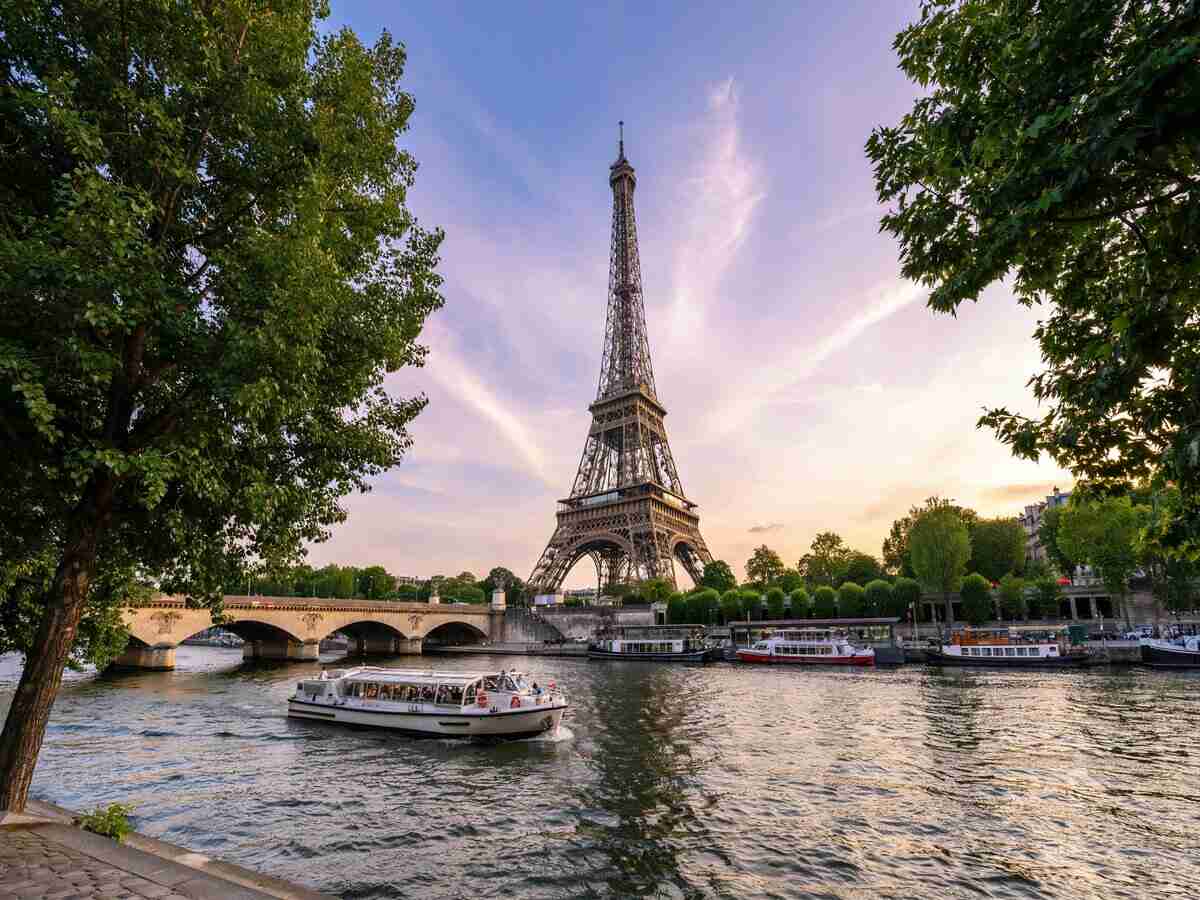
European travelers are showing growing interest in shorter vacations, frequent weekend getaways, and nature-focused wellness holidays as they plan their trips for 2027. Finland, Sweden, France, Denmark, Italy, and the United Kingdom are among the countries attracting attention through rising travel searches, established short-break destinations, and wellness experiences. Research from Expedia Group, Hotels.com, and Skyscanner highlights growing demand for flexible holidays, affordable flights, digital detox retreats, and outdoor activities. While the evidence varies by destination, the emerging picture suggests that travelers increasingly want convenient, meaningful experiences without committing to lengthy vacations.
European Countries With the Strongest Evidence of Short-Break Travel Demand in 2027
| European country | Cities or regions to watch | Research evidence for 2027 | Emerging holiday opportunity |
|---|---|---|---|
| France | Paris, Bordeaux, Carcassonne | Paris is among Hotels.com’s leading one-night destinations. UK flight-price research shows Bordeaux −34% and Carcassonne −20%. | City weekends, culinary breaks, cultural mini-holidays |
| Denmark | Copenhagen | Copenhagen appears among Hotels.com’s most-searched destinations for one-night breaks. | 24-hour city breaks, design, dining and waterfront wellness |
| Sweden | Stockholm, Malmö | Stockholm is a leading one-night destination. UK flight searches for Malmö rose 103%. | Frequent urban escapes, Nordic culture and forest wellness |
| United Kingdom | London, Chichester, Sussex | London appears in the one-night travel list. Expedia reports a 30% increase in searches for Chichester. | Weekend stays, heritage tourism and coastal countryside breaks |
| Italy | Perugia, Trapani, Ancona | Expedia reports Perugia searches up 35%. Skyscanner records Trapani +95% in searches and Ancona flights −31% in price. | Historic towns, gastronomy and slower rural escapes |
| Finland | Kittilä, Rovaniemi, Lapland | UK searches rose 65% for Kittilä and 58% for Rovaniemi; Skyscanner identifies both as digital-detox destinations. | Forest cabins, Arctic nature, sauna retreats and winter wellness |
| Greece | Samos, Rhodes | UK flight searches for Samos increased 75%; Rhodes registered a 22% decline in comparable flight prices. | Island mini-breaks, coastal walking and relaxation |
| Spain | Bilbao, Basque Country | Bilbao recorded a 66% decrease in flight prices in Skyscanner’s UK comparison. | Affordable cultural weekends and nearby coastal excursions |
| Poland | Wrocław | Comparable UK flight prices declined 47%. | Affordable cultural breaks and short city stays |
| Switzerland | Zurich, nearby Alpine regions | Comparable UK flight prices to Zurich declined 33%. | Compact city holidays combined with lake and mountain experiences |
| Croatia | Pula, Istria | Comparable UK flight prices to Pula declined 20%. | Adriatic weekends, outdoor leisure and coastal wellness |
Why Are Shorter and More Frequent Vacations Emerging as a Major European Travel Trend for 2027?
European travelers are reconsidering how they spend their vacation time. Rather than reserving all their travel plans for one extended summer holiday, many are exploring shorter breaks that fit around work, family responsibilities, and changing budgets.
Advertisement
Advertisement
Expedia Group’s Unpack ’27 research identifies an emerging behavior known as Trip Snacking. This describes travelers taking brief holidays, sometimes lasting just one night, instead of relying exclusively on traditional weeklong vacations.
Hotels.com reports that searches for one-night hotel stays increased by nearly 10% year over year. Its research also found that 79% of surveyed travelers planned to take a one-night trip in the coming year.
Advertisement
Advertisement
The findings suggest growing interest in accessible destinations where visitors can enjoy dining, sightseeing, cultural attractions, or relaxation without complicated itineraries.
However, interest in short stays does not necessarily mean every traveler will take more vacations. Affordability, transportation costs, and personal circumstances remain important factors shaping actual booking decisions.
Advertisement
Advertisement
Which European Countries Are Attracting Travelers Looking for Quick Weekend Escapes?
France, Denmark, Sweden, and the United Kingdom feature prominently in research examining destinations suitable for brief city breaks.
Paris, Copenhagen, Stockholm, and London appear among the leading destinations for one-night trips identified by Hotels.com. Their appeal lies partly in their extensive hotel markets, cultural attractions, restaurants, and transportation connections.
Advertisement
Advertisement
Paris offers museums, historic neighborhoods, shopping, and dining experiences that can be enjoyed during a short visit. Copenhagen provides compact sightseeing opportunities, waterfront attractions, and a strong culinary scene.
Stockholm combines urban experiences with nearby islands, parks, and waterfront landscapes. London offers theater, museums, shopping, and entertainment throughout the year.
These cities already serve established international tourism markets. Consequently, they are well positioned to accommodate travelers seeking convenient weekend experiences.
For hotels and tourism operators, the trend could create opportunities to introduce flexible check-in arrangements, short-stay packages, and experiences designed specifically for visitors spending limited time at a destination.
Advertisement
Advertisement
Why Is Finland Becoming an Important Destination for Nature-Focused Wellness Holidays?
Finland stands out in the 2027 travel outlook because of growing interest in Lapland and the country’s established reputation for nature-based relaxation.
Skyscanner’s United Kingdom travel research recorded a 65% increase in searches for Kittilä and a 58% increase for Rovaniemi. Both destinations provide access to northern landscapes and outdoor experiences.
Finland’s appeal extends beyond winter tourism. Its forests, lakes, traditional saunas, and secluded accommodation offer opportunities for visitors seeking quiet surroundings.
Travelers can combine gentle outdoor activities with sauna sessions, lakeside relaxation, and time away from demanding daily routines.
Finnish tourism promotion also highlights cabin stays, nature retreats, and new wellness experiences that use the country’s distinctive landscapes.
These offerings align with growing interest in digital detox holidays, where travelers deliberately reduce screen time.
Advertisement
Advertisement
Although higher flight-search interest does not guarantee increased arrivals, Finland has a strong combination of measurable demand signals and established wellness infrastructure heading into 2027.
How Is Sweden Combining City Breaks With Forest Wellness Experiences?
Sweden is positioned to benefit from two different travel preferences: accessible urban holidays and restorative outdoor experiences.
According to Skyscanner’s 2027 travel research, searches for flights from the United Kingdom to Malmö increased by 103%. Meanwhile, Stockholm appears in Hotels.com’s research on popular one-night destinations.
This combination suggests that travelers are exploring Swedish destinations for both convenience and experiences.
Stockholm’s museums, restaurants, historic neighborhoods, and surrounding archipelago make it suitable for weekend travel. Malmö offers cultural attractions and access to the wider Öresund region.
Beyond these cities, Sweden’s forests, lakes, and coastal landscapes support nature-focused wellness tourism.
Advertisement
Advertisement
Visit Sweden promotes forest bathing, outdoor relaxation, sauna experiences, and opportunities to spend time in natural surroundings.
These activities appeal to visitors seeking mental relaxation rather than demanding sightseeing schedules.
Sweden’s accessibility and varied tourism offerings make it an important country to watch as the European short-break and wellness markets evolve.
How Are Denmark and France Responding to Growing Demand for Shorter European Vacations?
Denmark and France are among Europe’s established tourism destinations that could benefit from growing interest in shorter, more frequent trips.
Copenhagen and Paris both appear in Hotels.com’s research identifying popular destinations for one-night stays. Their established transportation networks and concentration of attractions make them practical choices for travelers planning compact itineraries.
Denmark’s appeal also extends beyond Copenhagen. Coastal areas, cycling routes, and seaside retreats provide opportunities for visitors who want relaxation alongside urban experiences.
Advertisement
Advertisement
France offers a similarly diverse tourism market. Paris remains a major cultural destination, while Bordeaux, Carcassonne, and the French countryside offer alternatives to traditional capital-city vacations.
Skyscanner identified a 34% year-over-year decline in comparable flight prices to Bordeaux and a 20% reduction for Carcassonne in its UK research.
These price changes may encourage travelers to explore additional French destinations. However, airfare savings do not necessarily translate into lower total vacation costs.
Why Are Italy and Greece Gaining Attention Among Travelers Seeking Affordable European Getaways?
Italy and Greece are attracting attention through rising flight searches and opportunities for relatively affordable short vacations.
Skyscanner reported a 95% increase in UK flight searches for Trapani, Italy, positioning the Sicilian destination among its fastest-rising travel choices.
Italy’s smaller cities and countryside regions also offer cultural experiences, local cuisine, and opportunities to combine sightseeing with outdoor relaxation.
Advertisement
Advertisement
Perugia, in particular, recorded a 35% increase in Expedia searches, suggesting interest in destinations beyond the country’s largest tourism centers.
Greece is showing comparable signs of interest. Searches for flights to Samos increased by 75%, while Rhodes appeared among destinations recording lower comparative airfares, with prices falling 22%.
Samos offers beaches, mountainous landscapes, and traditional villages that may appeal to visitors seeking a slower vacation experience.
Both countries can support shorter holidays through established tourism infrastructure, although their coastal destinations may require more travel time than mainland European city-break markets.
Which Other European Countries Could Benefit From Nature-Based Wellness Tourism?
Slovenia, Norway, Austria, Estonia, Switzerland, Croatia, Portugal, and Spain offer established or developing tourism experiences that align with nature-focused wellness holidays.
Slovenia combines Alpine scenery, thermal resorts, lakes, and forest landscapes within a relatively compact destination.
Advertisement
Advertisement
Norway offers fjord experiences, mountain walking, outdoor saunas, and secluded accommodation. Austria combines Alpine resorts with lakeside hotels, thermal facilities, and scenic hiking routes.
Estonia has a longstanding spa tradition, particularly around Pärnu and Haapsalu, alongside forests and coastal landscapes.
Switzerland offers mountain retreats and lake experiences, while Portugal’s Madeira and Azores provide opportunities for outdoor relaxation and nature exploration.
Croatia’s Adriatic coastline and national parks also support active vacations.
However, these countries should be described as well-positioned destinations rather than confirmed leaders in 2027 wellness bookings.
Their future performance will depend on accessibility, accommodation prices, seasonal demand, and how effectively tourism businesses respond to changing visitor preferences.
Advertisement
Advertisement
How Are Affordable Flights Influencing European Travel Decisions for 2027?
Travel costs remain an important consideration as holidaymakers compare destinations and decide whether they can afford additional breaks.
Skyscanner’s Travel Trends 2027 research identifies several European destinations where comparable flight prices have fallen year over year.
Bilbao, Spain, recorded a 66% reduction, making it the strongest European example in the company’s UK best-value destination rankings.
Wrocław, Poland, followed with a 47% decline. Bordeaux, France, recorded a 34% reduction, while Zurich, Switzerland, saw prices fall by 33%.
Ancona, Italy, registered a 31% decline, followed by Rhodes, Greece, at 22%, and Pula, Croatia, at 20%.
Lower flight prices can make shorter international holidays more accessible, particularly when travelers have limited vacation time.
Advertisement
Advertisement
Nevertheless, these figures reflect the research’s specific comparison periods and search data. They should not be interpreted as guaranteed fares for every departure date in 2027.
Accommodation, ground transportation, and activities will still influence total travel expenditure.
What Does the Growth of Digital Detox Tourism Mean for European Wellness Destinations?
Digital detox tourism is emerging as an important part of the broader shift toward nature-focused vacations.
Skyscanner identifies Signal Severance as a major 2027 travel trend, describing the growing appeal of experiences that allow people to disconnect from constant digital activity.
Rather than choosing destinations exclusively for famous attractions, some travelers are looking for peaceful environments, outdoor recreation, and opportunities for uninterrupted personal time.
Northern Europe is particularly well suited to this type of tourism.
Advertisement
Advertisement
Finland’s lakeside cabins and forest retreats offer quiet accommodation, while Sweden’s woodland landscapes and traditional saunas support restorative experiences.
Norway’s fjords and Austria’s mountain resorts provide additional options for travelers seeking natural surroundings.
The trend could encourage accommodation providers to develop screen-free experiences, guided nature activities, and wellness packages centered on relaxation.
However, demand for digital detox tourism should not be confused with medical evidence that any particular vacation experience guarantees improvements in mental or physical health.
What Could These Changing Travel Preferences Mean for Europe’s Tourism Industry in 2027?
The growing interest in short breaks and nature-focused wellness creates opportunities for airlines, hotels, regional destinations, and tourism businesses across Europe.
Hotels may benefit from designing packages that accommodate one-night stays, flexible arrivals, and spontaneous weekend bookings.
Advertisement
Advertisement
Regional tourism organizations could attract visitors by promoting accessible countryside retreats, coastal villages, thermal resorts, and outdoor experiences.
Rail operators may also benefit where direct connections make nearby destinations convenient for shorter journeys.
For travelers, the evolving market offers greater flexibility. A city weekend, countryside retreat, or lakeside wellness holiday can provide a different experience from a traditional extended vacation.
Nevertheless, shorter trips also raise sustainability questions, especially when frequent flights increase transportation emissions. Rail travel and longer stays may offer advantages depending on distance and itinerary.
Overall, the 2027 outlook suggests that flexibility, affordability, accessibility, and restorative experiences will become increasingly important competitive factors.
Finland, Sweden, France, Denmark, Italy, and the United Kingdom have particularly relevant demand signals, while other European countries can compete through distinctive natural and cultural attractions.
Advertisement
Advertisement
The broader change is not simply about traveling more often. It is about choosing holidays that deliver greater personal value within the time and budget available.
Europe’s tourism landscape is entering an important period of change as travelers rethink how frequently they travel and what they expect from their holidays. Rising interest in weekend escapes, nature retreats and digital detox experiences reflects growing demand for flexibility, affordability and personal well-being. Nordic destinations offer peaceful landscapes, while established European cities provide convenient cultural experiences. However, affordability and accessibility will ultimately determine which markets benefit most. As tourism businesses adapt their offerings, countries combining efficient transportation, attractive accommodation and distinctive outdoor experiences could gain a competitive advantage. The emerging trend favors meaningful journeys over lengthy traditional vacations.
Advertisement
