
Hong Kong Advances Inclusive Aviation Alongside Ireland, UAE And Singapore With Sensory Airport Spaces: What You Need To Know

Published
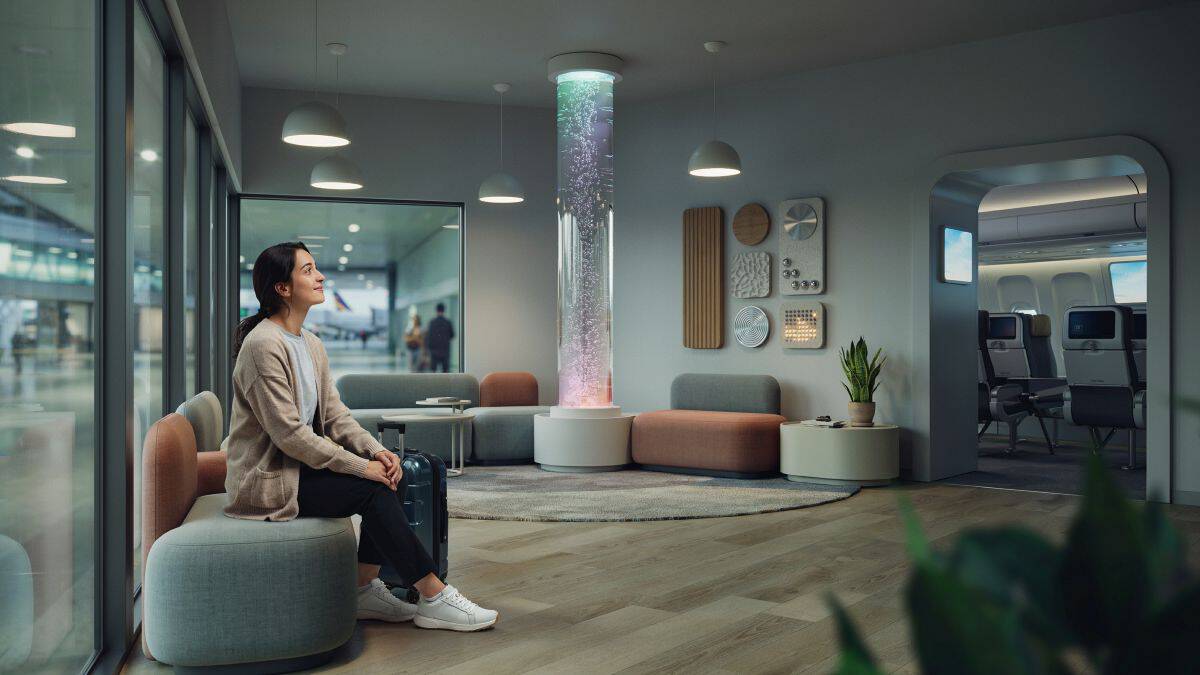
Image generated with Ai
The launch of the Sensory Corner marks a significant milestone in the travel industry for the millions of invisible disability sufferers around the world, which is made possible by joining a more significant global initiative that is changing the air travel experience. Located in Terminal 1, the newly opened facility offers a safe and controlled space where travellers can address their sensory challenges before flying, while other leading airports from Europe, North America, the Middle East and Asia are creating similar destinations to assist with creating more accessible journeys.
This has been a defining moment for the aviation industry. Airports no longer pay attention to physical access only, but rather realise that invisible disabilities affect millions of passengers and such conditions are not easy to spot at first glance.
This change is crucial for international travel. Airports are significant locations in forming the destinations’ first and last impressions. An airport visit can help shape a passenger’s overall experience and travel intentions. Being built in a soothing environment, airports can eliminate problems and allow nervous passengers to travel.
Therefore, Hong Kong enriches its environment by building an airport that can compete with the world’s best facilities. Nevertheless, with this construction, a new challenge appears in front of the whole industry.
Advertisement
Advertisement
Hong Kong International Airport Creates A New Model For Inclusive Aviation
Airport Authority Hong Kong opened the Sensory Corner on 1 April 2026, becoming the first facility of its kind at Hong Kong International Airport designed specifically for passengers with invisible disabilities. The airport later released detailed public information about the facility on 27 July 2026.
The Sensory Corner is located inside the restricted departures area of Terminal 1 on Level 6, close to Airline Services Desk B. Because the facility is positioned after departure formalities, it mainly supports passengers preparing for their flights rather than arriving travellers or people waiting outside the airport security zone.
Advertisement
Advertisement
The approximately 30-square-metre facility can accommodate around 12 passengers at one time. It operates every day from 5:00 a.m. until midnight and is free to use. Unlike some airport sensory facilities around the world, passengers do not need to make a reservation or provide medical documentation before entering.
This open-access approach removes a major barrier. Many people with invisible disabilities may not have formal diagnosis documents, may not know they need support until they reach the airport, or may find complicated registration procedures stressful. By allowing simple access, Hong Kong International Airport aims to make assistance available when passengers need it most.
The airport developed the Sensory Corner after consultation with professional organisations, people with invisible disabilities and caregivers. This reflects a growing principle in accessibility design: facilities should be created with direct input from the communities that will use them.
Dual Zone Design Helps Passengers Manage Different Sensory Needs
One of the most notable features of Hong Kong International Airport’s Sensory Corner is its two-zone design. Instead of assuming that every traveller needs the same type of environment, the facility offers both interactive and calming areas.
The first area, known as Sky Explorium, provides controlled sensory stimulation. It includes a bubble tube, colour-control installation, activity box, tactile musical panel, scenic panel and beanbag seating. These elements allow passengers to interact with visual, sound and touch-based features in a controlled setting.
This approach reflects an important understanding of sensory processing. Some travellers may become overwhelmed by uncontrolled airport environments but may benefit from predictable sensory activities. A carefully designed space allows passengers to regulate themselves before continuing their journey.
Advertisement
Advertisement
The second area, called Sky Cocoon, focuses on calmness and preparation. It recreates aspects of an aircraft cabin, allowing passengers to become familiar with the environment before boarding.
This aircraft familiarisation element is particularly valuable for travellers who experience anxiety around flying. The transition from terminal to aircraft can be one of the most challenging parts of the journey because passengers move from one unfamiliar environment into another. Creating a preview experience can reduce uncertainty and improve confidence.
The design also includes adjustable lighting, padded flooring and walls, baggage storage and an environment without regular flight announcements. Passengers continue monitoring their own flights through airport information systems and the MyHKG application.
Shannon Airport Started Europe’s Sensory Travel Movement
Shannon Airport in Ireland became one of the earliest airports globally to introduce a dedicated sensory facility. The airport opened its sensory room in 2017 and described it as Europe’s first airport sensory room.
The Shannon facility became an important reference point for other airports exploring similar concepts. It demonstrated that airports could create dedicated spaces where passengers could reduce stress before flights rather than relying only on traditional assistance services.
The facility includes sensory equipment designed to support passengers with autism and other sensory needs. Over time, Shannon reported that thousands of passengers used the facility, showing continuing demand for specialised airport environments.
Advertisement
Advertisement
The airport’s experience helped influence the expansion of sensory-friendly facilities worldwide. It showed that accessibility improvements could become a permanent part of airport operations rather than temporary awareness initiatives.
London Gatwick Expands Accessibility Through Sensory Support
London Gatwick Airport introduced its sensory room in 2018, becoming the first UK airport to launch such a dedicated facility. The development formed part of the airport’s wider efforts to support passengers with hidden disabilities.
Gatwick’s approach highlights an important industry trend. Sensory facilities are increasingly being connected with broader accessibility strategies rather than operating as isolated rooms.
The airport has worked with autism organisations and focused on improving staff awareness, passenger communication and support systems. This approach recognises that accessibility depends not only on infrastructure but also on human interaction.
For international visitors travelling through major hubs, trained staff can be just as important as physical facilities. A passenger may require assistance understanding procedures, navigating queues or preparing for boarding.
Dublin Airport Introduces A Structured Reservation-Based Approach
Dublin Airport expanded the sensory airport movement by opening facilities in both Terminal 1 and Terminal 2 in 2019. The rooms include bubble walls, infinity lights, tactile panels, interactive boards, comfortable seating and calming areas.
Advertisement
Advertisement
Unlike Hong Kong’s open-access system, Dublin uses an advance booking model. Passengers reserve a free session, providing a predictable and private experience. The airport’s system allows users to prepare before arrival because they know the facility will be available.
This model is beneficial for families and travellers who require certainty. However, it may be less suitable for passengers whose sensory difficulties appear unexpectedly during their airport journey.
The difference between Hong Kong and Dublin demonstrates that there is no single global solution. Airports are experimenting with different approaches depending on passenger demand, terminal design and operational requirements.
Hamad International Airport Builds Sensory Support Into Doha Travel
Hamad International Airport in Qatar introduced the Shafallah Center Lounge in 2019, later presented as the Sensory Room or Muzn Lounge. The facility supports passengers requiring specialised assistance through a multi-sensory environment.
The Doha airport model reflects the region’s growing focus on accessible tourism and inclusive passenger services. As Gulf airports expand as global connecting hubs, accessibility has become increasingly important.
Millions of passengers transfer through Doha each year, making specialised support facilities valuable for international travellers who may spend several hours inside the airport.
Advertisement
Advertisement
Miami International Airport Expands Sensory Support Across Terminals
Miami International Airport (MIA) became another major aviation hub in the United States to recognise the importance of sensory-friendly travel when it opened its first multi-sensory room in 2019. The airport later added another facility, creating additional support options for passengers travelling through different parts of the terminal complex.
The Miami facilities were designed for passengers with cognitive and developmental disabilities, including travellers with autism and sensory sensitivities. The rooms include features such as bubble fixtures, wall puzzles, comfortable seating, light projectors and adjustable lighting to create a calmer environment away from the busy terminal atmosphere.
The airport’s decision to introduce more than one sensory space reflects a key challenge facing large international airports. A single central facility may not always be practical for passengers who are already overwhelmed or who are travelling from a distant gate.
For major tourism gateways like Miami, which connects millions of international visitors with destinations across the Americas, accessibility improvements can influence the entire travel experience. A passenger’s journey does not begin when they board an aircraft. It begins from the moment they enter the airport.
By providing sensory facilities closer to passenger flows, airports can reduce anxiety and create a smoother transition from arrival to departure.
Pittsburgh International Airport Creates Aircraft Familiarisation Innovation
Pittsburgh International Airport developed one of the most comprehensive sensory facilities in the aviation sector with the opening of Presley’s Place in 2019. The facility combines sensory support with realistic airport and aircraft experiences designed to help passengers understand the travel process before flying.
Advertisement
Advertisement
Located in Concourse A, the facility covers approximately 1,500 square feet and includes private sound-insulated areas, adjustable lighting, calming activities, a mock aircraft cabin, a jet bridge simulation, flight information displays and a sensory-friendly restroom with a universal changing station.
The aircraft simulation element makes Pittsburgh different from many other airports. Instead of only providing a quiet environment, the airport allows travellers to practise parts of the flying experience in advance.
This approach is particularly useful for passengers who struggle with uncertainty. Airports involve many unfamiliar steps, including boarding procedures, aircraft seating arrangements and cabin environments. A simulated experience can help passengers understand what will happen before the actual journey begins.
Pittsburgh’s model demonstrates how airports can move beyond the idea of a sensory room as simply a place to escape noise. Instead, it presents the facility as a preparation centre that builds confidence.
For tourism destinations, this type of innovation has wider significance. When airports become easier to navigate, more travellers who previously avoided flying due to anxiety or sensory challenges may feel encouraged to explore new destinations.
Seattle Airport Shows The Importance Of Managing Sensory Facilities
Seattle-Tacoma International Airport (SEA) opened its first Sensory Room in 2021 and later expanded its sensory support with another location. The facilities provide passengers with a quieter environment equipped with dimmable lighting, acoustic panels, interactive seating, luggage storage and shoe storage areas.
Advertisement
Advertisement
The airport designed the space for passengers who experience sensory overload or who have neurological, developmental or sensory conditions.
Seattle’s experience provides important lessons for the wider aviation industry. While passenger feedback was strongly positive, operational challenges also emerged. An Airports Council International case study highlighted concerns including misuse of the facility, people sleeping inside the room, staff use and cleanliness issues.
These challenges reveal an important reality. Creating a sensory room is only the beginning. Airports must also develop effective management systems.
A completely open-access model improves convenience but may create operational difficulties. A highly controlled system improves management but may create barriers for passengers who urgently need support.
Seattle’s example demonstrates why future airport sensory facilities may require a balanced approach, combining accessibility with practical operating policies.
Potential solutions include digital occupancy information, clearer user guidelines, improved cleaning schedules, staff monitoring and flexible access systems.
Advertisement
Advertisement
The lesson from Seattle is valuable for airports worldwide: accessibility requires long-term management, not just construction.
Kansas City Airport Adds Sensory Spaces Into A New Terminal Experience
Kansas City International Airport introduced sensory and quiet spaces when its new terminal opened in 2023. The airport included these facilities as part of a wider effort to create a more inclusive passenger environment from the beginning of terminal design.
Unlike older airports that often retrofit accessibility facilities into existing buildings, Kansas City incorporated inclusive design principles into a completely new terminal project.
The airport’s approach reflects a growing industry trend. Future airports are increasingly being designed with different passenger needs considered from the planning stage rather than added later.
The terminal includes dedicated sensory and quiet areas, along with inclusive features designed to support passengers who may find traditional airport environments challenging.
This approach represents a shift in airport development philosophy. Accessibility is becoming part of architectural planning rather than a separate improvement project.
Advertisement
Advertisement
As global tourism continues expanding, new airports and terminal upgrades are expected to include sensory considerations alongside traditional passenger facilities such as lounges, retail areas and dining spaces.
Dubai International Airport Combines Sensory Support With Wider Assistance Services
Dubai International Airport introduced its Assisted Travel Lounge in 2024, creating one of the Middle East’s most comprehensive accessibility facilities. The lounge supports passengers with disabilities, hidden conditions, wheelchair users, hearing-impaired travellers and unaccompanied minors.
The facility includes noise-reducing seating, calming lighting, tactile surfaces, autism decompression areas and hearing-accessible spaces.
Dubai’s approach differs from traditional sensory rooms because it combines multiple accessibility services within one integrated passenger-support environment.
The development reflects Dubai International Airport’s position as one of the world’s busiest international aviation hubs. With millions of passengers transferring between continents, accessibility has become an important part of maintaining a global travel reputation.
Dubai has also focused on wider inclusion programmes, including hidden disability awareness and staff training initiatives. This demonstrates that sensory support works best when combined with knowledgeable employees and clear passenger assistance systems.
Advertisement
Advertisement
The airport’s model suggests that the future of accessibility may involve moving away from isolated rooms and towards complete inclusive travel ecosystems.
Singapore Changi Airport Creates A Calm Space For Modern Travellers
Singapore Changi Airport introduced its Calm Room in 2025, adding another major Asian aviation hub to the global sensory accessibility movement. The facility was designed to provide a peaceful environment for passengers experiencing sensory overload or needing a quiet break during their journey.
The Calm Room features three different areas known as Forest, Den and Nest. These zones use comfortable furnishings and calming design elements to create different relaxation environments.
The facility is available free of charge and does not require advance booking. This makes Changi’s approach similar to Hong Kong’s open-access model.
However, Changi also encourages passengers to prioritise travellers with sensory needs, creating a shared responsibility approach among airport users.
The launch demonstrates how Asian aviation hubs are increasingly recognising accessibility as an important element of passenger experience.
Advertisement
Advertisement
For destinations competing in international tourism, inclusive airports can become a significant advantage. Travellers increasingly consider not only attractions and hotels but also how comfortable the entire journey will be.
Atlanta Airport Introduces One Of The Earliest US Sensory Models
Hartsfield-Jackson Atlanta International Airport developed one of the earliest airport sensory facilities in the United States through a partnership with Delta and The Arc. The facility has operated since approximately 2016.
Located in Concourse F, the multisensory room includes features such as a mini ball pit, bubbling water sculpture and tactile activity panels.
Atlanta’s system uses a controlled access model. Passengers must obtain a door code from a Delta check-in counter or information desk.
This approach differs from airports such as Hong Kong and Singapore, where passengers can enter without prior arrangements.
The Atlanta model demonstrates one of the earliest attempts by major airports to create dedicated sensory support. It helped establish the foundation for later developments across the aviation industry.
Advertisement
Advertisement
Three Global Models Are Shaping Airport Sensory Accessibility
Research into international airports shows that sensory facilities generally follow three main access models.
The first is the open-access model. Airports such as Hong Kong International Airport and Singapore Changi allow passengers to use facilities without reservations or proof of disability.
This provides maximum flexibility and reduces barriers. However, airports must manage capacity and prevent misuse.
The second is the controlled-access model. Airports including Seattle and Atlanta require passengers to obtain access codes.
This improves operational control but introduces an additional step for travellers who may already be experiencing stress.
The third is the reservation-based model. Dublin Airport requires passengers to book sessions in advance.
Advertisement
Advertisement
This provides certainty and privacy but may not help passengers whose needs appear suddenly.
There is no single perfect system. Future airports may increasingly combine these approaches by offering both scheduled access and emergency walk-in availability.
What Travellers Should Know Before Using Airport Sensory Spaces
Passengers planning to use sensory facilities should research airport policies before departure because access systems differ significantly.
At Hong Kong International Airport, the Sensory Corner is free and does not require booking. However, passengers must remember that it is located inside the departures area after security procedures.
At Dublin Airport, advance booking is required. Seattle requires passengers to request an access code, while Atlanta uses a similar controlled-entry system.
Travellers should also prepare personal support items that work for their individual needs. These may include noise-reducing headphones, sunglasses, familiar objects, communication tools or travel schedules.
Advertisement
Advertisement
A sensory room should be considered an additional support option rather than the only travel strategy.
Hong Kong Airport Leads The Global Movement Towards Sensory-Friendly Travel
The newly launched Sensory Corner of the Hong Kong International Airport is an important achievement in the advancement of accessible air travel. The establishment of a dedicated facility for passengers with invisible disabilities signifies that Hong Kong has joined an international trend of readjusting the ways airports accommodate passengers. From the very first facility introduced in Shannon, Ireland, and through Dubai’s dedicated assistance lounge to Singapore’s Changi Calm room, the world’s airports understand that the future of travel is in providing passengers with the means to travel freely.
Sensory rooms are not merely quiet rooms but embody a global commitment to making air travel achievable and more comfortable. As recovering tourism persists, airports that innovate in the accessibility sector will be crucial in transforming the industry into something that opens its doors to more travellers.
Advertisement
