
India Extends Free E Visas For Thai Travellers Through 2027 As Buddhist Pilgrimage Tourism Recovers

Published
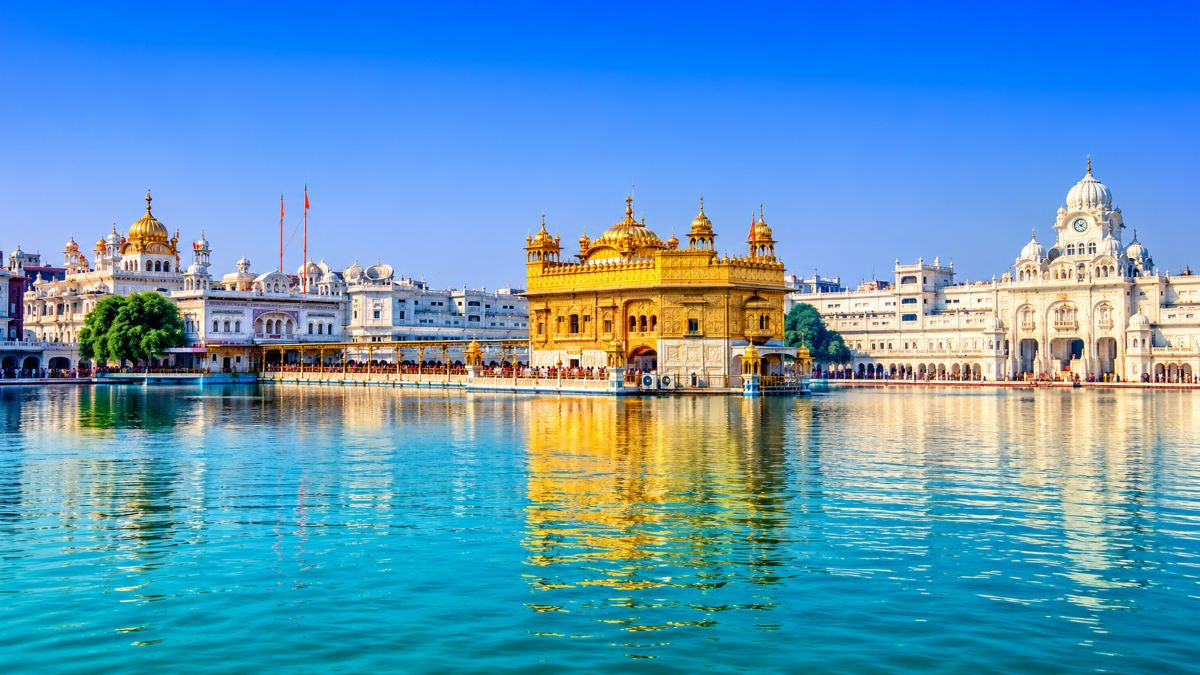
Image generated with Ai
India’s decision to extend its visa-fee waiver for Thai travellers through 31 December 2027 is creating a longer planning window for tourism businesses serving one of Southeast Asia’s established religious travel markets. Under the extended arrangement, Thai passport holders can obtain a 30-day, double-entry e-Tourist visa without paying the visa fee, although travellers must still secure the visa before departure. The measure provides greater certainty for tour operators, destination management companies, hotels and pilgrimage specialists developing programmes around India’s Buddhist heritage.
The policy comes as Thai visitor numbers continue to recover. India recorded 140,489 arrivals from Thailand in 2024, compared with 116,060 in 2023 and 54,367 in 2022. The 2024 figure remained below the 169,956 arrivals recorded in 2019, but represented a substantial recovery from the pandemic period. Government data also recorded 57,056 Thai visitors between January and April 2025. With visa costs removed for the eligible category and the arrangement extended through 2027, pilgrimage-focused travel can be planned further ahead, while Buddhist Circuit destinations have an opportunity to attract longer stays and broader itineraries.
Advertisement
Advertisement
Extended Visa Access Creates Greater Planning Certainty
The extension is particularly relevant to India’s inbound travel trade because religious tourism often requires advance coordination between overseas sellers, Indian destination management companies, accommodation providers, transport operators and local guides.
A longer policy period allows travel businesses to develop programmes beyond short, single-destination visits. Group departures can be scheduled around religious calendars, while wholesalers can negotiate accommodation and ground-handling arrangements with greater visibility.
Advertisement
Advertisement
The 30-day validity and double-entry structure also provide additional flexibility for travellers combining India with neighbouring destinations. This is especially significant for Buddhist pilgrimage programmes that incorporate Nepal, where Lumbini holds an important place in Buddhist heritage.
| Travel Factor | Significance For Thai Travellers |
|---|---|
| Visa fee waiver | Reduces one direct travel cost |
| Visa validity | Supports journeys of up to 30 days |
| Double entry | Allows greater itinerary flexibility |
| Policy period | Extended through 31 December 2027 |
| Core travel interest | Buddhist pilgrimage and heritage |
| Key Indian destinations | Bodh Gaya, Sarnath, Kushinagar, Rajgir and Nalanda |
The extended arrangement therefore has implications beyond the visa application itself. It can influence itinerary design, group planning, hotel contracting and the development of specialised Buddhist tourism products.
Advertisement
Advertisement
Thai Visitor Numbers Show A Continuing Recovery
Thailand was among India’s top 15 source markets in 2024. The rise from 116,060 Thai arrivals in 2023 to 140,489 in 2024 demonstrates continued recovery, although the market had not yet returned to its 2019 level.
The figures also underline the importance of maintaining accessible entry arrangements while international tourism markets rebuild. Visa costs are only one part of the travel decision, but removing the fee can reduce friction for travellers and provide overseas travel sellers with a straightforward message when developing India programmes.
Advertisement
Advertisement
The recovery is also supported by improving air connectivity between India and Thailand. Connections across several city pairs give tour operators more scope to create shorter pilgrimage journeys as well as multi-destination holidays combining spiritual, cultural and leisure experiences.
For travel businesses, the combination of improving visitor volumes, air access and extended visa-fee relief provides a foundation for longer-term product development.
Buddhist Circuit Remains Central To India Travel
Buddhist pilgrimage remains the strongest tourism connection between India and Thailand highlighted by the policy. Bodh Gaya is central to most Buddhist pilgrimage programmes because of its association with Buddha’s enlightenment.
Sarnath provides another major stop because it is traditionally associated with Buddha’s first sermon, while Kushinagar is connected with his Mahaparinirvana. Together, these destinations form the core of many Buddhist heritage itineraries.
Advertisement
Advertisement
Longer programmes can incorporate Rajgir, Nalanda, Vaishali and Shravasti. This creates opportunities for travel businesses to move beyond a single-site pilgrimage and develop broader cultural journeys through northern India.
Bodh Gaya can also be combined with Varanasi, allowing travellers to experience one of India’s major cultural and spiritual cities alongside Buddhist heritage. Delhi and Agra can provide further extensions for first-time visitors seeking to combine pilgrimage with India’s wider historical attractions.
Double Entry Supports Wider Buddhist Itineraries
The double-entry element of the visa arrangement is particularly relevant to regional Buddhist tourism. Travellers can potentially incorporate Nepal into an itinerary and return to India, creating opportunities for destination management companies to design cross-border programmes.
Lumbini, traditionally recognised as Buddha’s birthplace, can be incorporated into such journeys. A programme covering Bodh Gaya, Sarnath, Kushinagar and Lumbini can therefore provide a more comprehensive Buddhist heritage experience than a single-country itinerary.
This flexibility may also encourage operators to develop programmes around the wider Buddhist landscape rather than focusing solely on one destination. For travellers already motivated by religious heritage, additional cultural and historical stops can increase the duration and value of the trip.
Infrastructure improvements serving destinations including Bodh Gaya, Kushinagar, Rajgir, Nalanda, Vaishali, Sarnath and Shravasti further support the development of these circuits.
Advertisement
Advertisement
Hotels Can Adapt Services For Thai Pilgrimage Groups
The extension also creates opportunities for hotels located along major Buddhist tourism routes. Competing for pilgrimage groups increasingly involves more than providing accommodation.
Thai-language assistance can make communication easier, while suitable vegetarian meals, familiar Asian food options, early breakfasts and flexible dining schedules may be important for organised religious groups.
Hotels can also work with destination management companies and wholesalers to understand the operational requirements of monks, group leaders and pilgrimage travellers. Such arrangements can support smoother stays and help properties develop repeat group business.
Bodh Gaya, Varanasi and Kushinagar are among the destinations where accommodation providers can benefit directly from growing pilgrimage traffic. The wider tourism opportunity extends to wellness, yoga, heritage, shopping and culinary experiences, particularly when travellers remain in India beyond their core religious programme.
Longer Itineraries Could Increase Visitor Spending
The economic significance of the visa extension extends beyond visitor numbers. A longer itinerary can generate additional demand for hotels, transport, guides, restaurants, local experiences and cultural attractions.
For travel companies, pilgrimage can serve as the anchor product around which additional destinations are built. A visitor arriving for Bodh Gaya could extend the journey towards Varanasi and Sarnath, while longer programmes could include Rajgir, Nalanda or Kushinagar.
Advertisement
Advertisement
This approach allows the travel industry to capture more of each visitor’s journey while presenting India as a destination offering both spiritual significance and broader cultural experiences.
For repeat travellers, wellness and yoga experiences can add a different dimension to the trip. Family members accompanying religious groups may also seek sightseeing, shopping and culinary activities, creating opportunities for more diversified packages.
What The Extension Means For Travel Planning
The policy provides certainty through the end of 2027, giving travel businesses additional time to develop products and partnerships around Thai demand.
For travellers, the key features remain the 30-day double-entry e-Tourist visa and the absence of a visa fee under the extended arrangement. The requirement to apply before departure remains in place.
For operators, the opportunity is broader. The extended period can support advance contracting, group series planning and the creation of Buddhist Circuit programmes that connect multiple destinations. Hotels can also refine services for Thai-speaking and pilgrimage-focused visitors.
The development of these products will depend on continued visitor demand, air connectivity, destination infrastructure and the ability of tourism businesses to deliver culturally appropriate services.
Advertisement
Advertisement
India Thailand Pilgrimage Tourism Enters A Longer Planning Window
India’s extension of visa-fee relief for Thai nationals through 2027 gives the Buddhist pilgrimage market a defined period in which travel businesses can plan with greater certainty. Rising Thai arrivals since 2022 demonstrate a continuing recovery, while the scale of Buddhist heritage attractions gives operators a strong foundation for specialised itineraries.
The next stage of growth will depend on how effectively destinations, hotels, airlines, tour operators and destination management companies convert this access into well-designed travel experiences. With Bodh Gaya, Sarnath, Kushinagar, Rajgir and Nalanda forming a substantial heritage network, India has scope to develop longer and more varied programmes for Thai travellers.
Frequently Asked Questions
1. How long has India extended the visa-fee waiver for Thai travellers?
The visa-fee waiver has been extended through 31 December 2027.
2. What type of visa can eligible Thai travellers obtain?
Eligible Thai passport holders can obtain a 30-day, double-entry e-Tourist visa without paying the visa fee.
3. Do Thai travellers still need to apply for the visa before departure?
Yes. The visa-fee waiver does not remove the requirement to obtain the e-Tourist visa before travelling.
4. How many Thai visitors travelled to India in 2024?
India recorded 140,489 visitors from Thailand in 2024.
Advertisement
Advertisement
5. What is the main tourism attraction for Thai visitors to India?
Buddhist pilgrimage and heritage sites remain a major reason for Thai travel to India.
6. Which Indian destination is central to Buddhist pilgrimage?
Bodh Gaya is a central destination because of its association with Buddha’s enlightenment.
7. Which destinations can be combined with Bodh Gaya?
Sarnath, Kushinagar, Rajgir, Nalanda, Vaishali and Shravasti can form part of wider Buddhist itineraries.
8. Can Thai travellers include Nepal in a wider pilgrimage programme?
The double-entry structure can provide additional itinerary flexibility for programmes that incorporate Nepal and return to India.
9. How can Indian hotels benefit from Thai pilgrimage tourism?
Hotels can develop services such as Thai-language assistance, suitable food options, flexible dining arrangements and group-focused hospitality.
10. What is the wider tourism opportunity from the visa extension?
The measure can support longer Buddhist pilgrimage programmes while creating additional opportunities for hotels, transport providers, guides, attractions and local tourism businesses.
Advertisement
