
United States Visa Challenges Reshape Travel Decisions as Global Visitors Navigate Changing Entry Timelines

Published
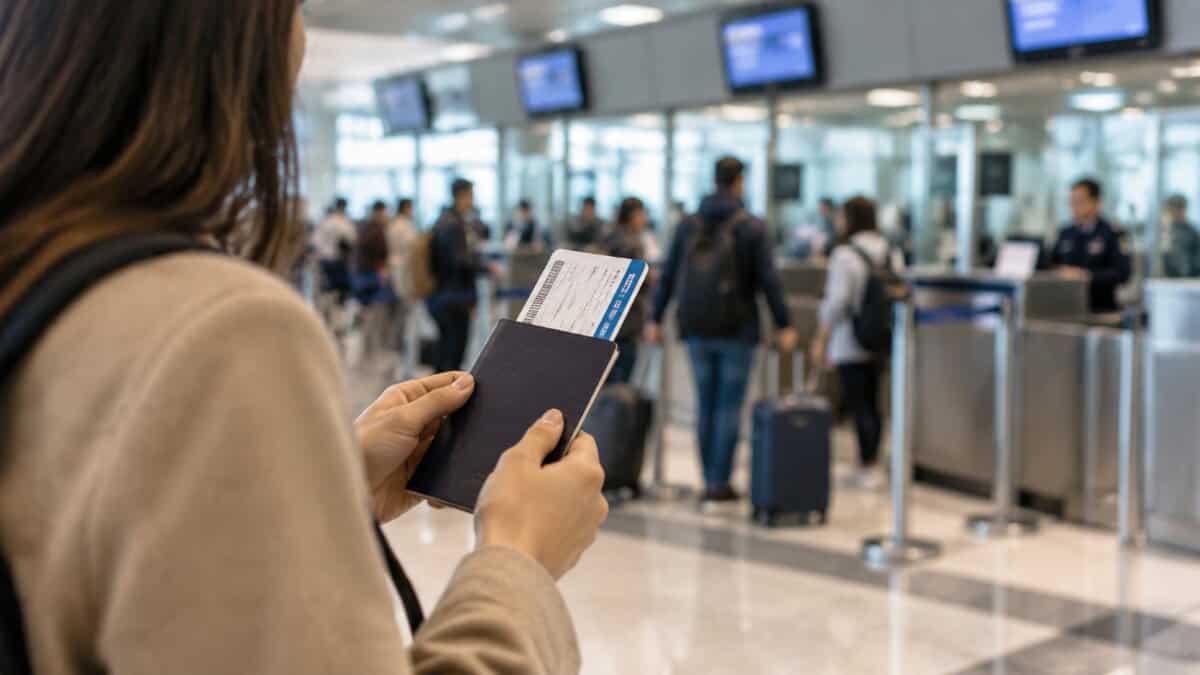
Image generated with Ai
United States visa processing timelines are becoming a major factor influencing how international travellers plan journeys in 2026. Updated government data shows that visitor visa appointment availability continues to vary by location, creating a need for earlier applications and stronger travel preparation. The emerging issue is no longer only visa approval but the ability of travellers to secure interview opportunities before planned holidays, business visits and international events. For travel companies, this creates a new operational priority: helping customers understand visa timelines before confirming travel arrangements.
US Visa Appointment Availability Becomes a New Tourism Planning Factor
The United States visa system is entering a new phase where appointment accessibility is becoming closely linked with international tourism planning. Travellers are increasingly required to consider visa timelines before purchasing flights, confirming hotels or arranging multi-destination itineraries.
Advertisement
Advertisement
According to the U.S. Department of State, visa appointment wait information is updated regularly to provide travellers with estimated interview availability for non-immigrant visa categories. The department also highlights that appointment availability can change as additional interview slots are released.
The latest development creates a wider travel industry challenge. Tour operators, airlines and destination businesses depend on predictable visitor flows. When travellers face uncertainty before receiving interview dates, trip conversion cycles become longer and travel decisions are delayed.
Advertisement
Advertisement
The key shift in 2026 is the movement from reactive visa planning to advance travel preparation.
London and Paris Show Why Visa Timing Matters for International Travellers
London and Paris have become important examples of how major international travel markets must manage visa planning when visitors require entry authorisation before travelling to the United States.
Advertisement
Advertisement
Travel advisers operating in global markets increasingly need to integrate visa timelines into customer journeys. A traveller planning a holiday several months ahead may now need to confirm eligibility, review documentation and monitor appointment availability before finalising expensive travel arrangements.
| Traveller Planning Area | Impact of Visa Appointment Timing |
|---|---|
| Holiday bookings | Travellers may delay confirming non-refundable arrangements |
| Business travel | Corporate schedules require additional flexibility |
| Group tours | Operators must consider visa timelines for multiple passengers |
| Family travel | Longer preparation periods may be required |
| International events | Visitors need earlier entry planning |
This change is particularly important for premium travel segments, where travellers often combine flights, luxury accommodation, experiences and event attendance. A delay at the visa stage can affect the entire travel supply chain.
Government Data Highlights Changing Visa Management Requirements
The U.S. Department of State has expanded transparency around visa processing by publishing estimated wait times and explaining that applicants should regularly review appointment availability because additional slots may become available.
The system separates two important factors:
| Visa Processing Element | Meaning for Travellers |
|---|---|
| Next available appointment | Estimated time until an interview slot becomes available |
| Average wait time | Historical indication of how long applicants waited previously |
| Appointment releases | Additional slots may appear as embassies adjust capacity |
| Interview waiver eligibility | Some applicants may not require in-person interviews |
For travel businesses, this distinction is critical. A published wait estimate does not always represent the final travel timeline because earlier appointments may become available.
Why Travel Agents Need to Adapt Their Booking Strategy
The latest visa environment changes the traditional travel booking model. Previously, many international travellers focused first on flights, hotels and attractions. Visa planning is increasingly becoming an earlier stage of the purchase journey.
Advertisement
Advertisement
Travel advisers handling United States trips should now consider:
- checking current visa requirements before confirming departure dates;
- advising travellers to begin applications well before planned travel;
- separating refundable and non-refundable bookings during uncertain visa periods;
- monitoring official government updates rather than relying on outdated information.
This approach reduces disruption risks for both travellers and travel suppliers.
Electronic Travel Authorisation Creates Another Layer of Entry Preparation
Visa-required travellers are not the only group affected by changing entry procedures. Eligible visitors travelling under the Visa Waiver Program use the Electronic System for Travel Authorisation, known as ESTA.
According to U.S. Customs and Border Protection, ESTA is an automated authorisation system used to determine whether eligible travellers can travel to the United States under the Visa Waiver Program. CBP also clarifies that ESTA is not a visa and does not replace visa requirements where a visa is legally required.
This distinction remains important because international travellers often confuse travel authorisation with visa approval.
| Entry Requirement | Applies To | Purpose |
|---|---|---|
| US Visa | Travellers requiring formal visa approval | Allows travel consideration under specific visa categories |
| ESTA | Eligible Visa Waiver Program travellers | Provides travel authorisation before boarding |
| Passport validity | All international visitors | Required travel document |
Broader Impact on International Tourism Growth
Visa access has become a strategic factor in global tourism competition. Destinations that offer smoother entry processes can attract travellers who value certainty and convenience.
Advertisement
Advertisement
For the United States tourism ecosystem, efficient visa processing supports a wide network including airlines, hotels, attractions, convention businesses and local tourism operators.
The September 2026 development is therefore not only an immigration administration issue. It represents a travel planning challenge that affects visitor confidence, booking behaviour and international tourism flows.
The industry impact is expected to continue as global travellers increasingly compare destinations based on the complete journey experience, including pre-arrival requirements.
Critical Operational Takeaways for Travel Agents and Tour Operators
- Review official US visa information before confirming customer travel dates.
- Encourage international clients to begin visa processes early.
- Avoid assuming appointment availability will remain unchanged.
- Build flexibility into itineraries involving visa-required travellers.
- Explain the difference between ESTA authorisation and a traditional visa.
- Monitor official government updates for changes affecting entry procedures.
- Consider visa timelines when designing group tours and premium travel packages.
The long-term influence of this development is likely to reshape international travel planning practices. Visa access is becoming a central component of the customer journey rather than a final administrative step. Travel businesses that integrate entry preparation into their booking strategy will be better positioned to manage uncertainty and support smoother global mobility.
United States Visa Access Becomes a Long-Term Factor Shaping Global Travel Decisions
The evolving United States visa environment shows that international travel planning is no longer only about finding flights, hotels or experiences. Entry preparation is becoming a crucial part of the traveller journey, with visa timelines influencing when and how visitors plan trips to the country. As global mobility continues to expand, travellers, airlines, tour operators and travel advisers will need to place greater focus on early documentation checks, accurate government information and flexible booking strategies. The ability to navigate visa requirements efficiently will remain an important factor in supporting smoother international travel flows and maintaining confidence in the United States as a major global destination.
Advertisement
