

County Antrim Loses Its Peak Season Magic As Global Travel Demands Hit An Unimaginably Brutal Wall, Find Out Now In Northern Ireland

Published
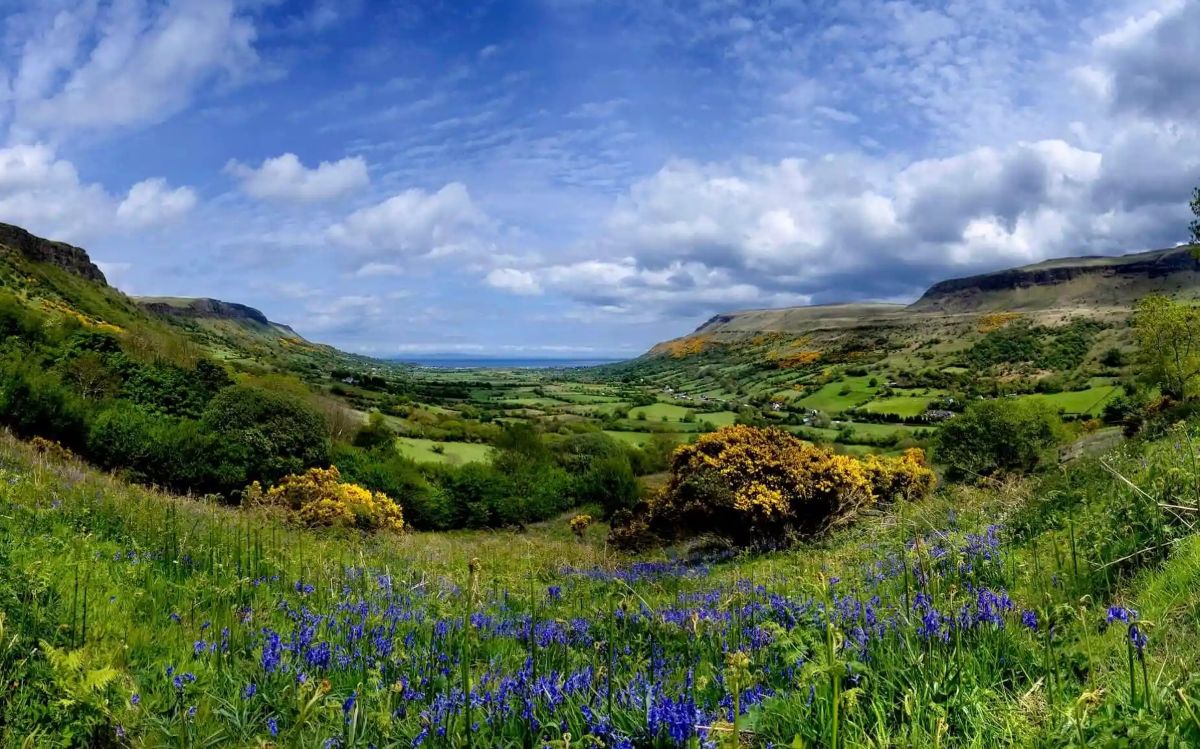
Honestly it breaks my heart to see places like County Antrim which usually buzzes with much life, laughter and the steady hum of travelers suddenly fall so quiet this August. Walking along the Causeway Coast right now feels bittersweet as local business owners quietly watch their busiest months slip away under the weight of mounting financial pressures. Nobody wants to admit just how painful this eight-month slump has been for families whose livelihood depends entirely on tourism and tourism has become a battle for many.. Behind the sobering official numbers lies a very real human story of resilience worry and an urgent hope, for better days ahead.
Why Are Official Statistical Bodies Dividing Regional Tourism Metrics Across County Antrim?
Advertisement
Advertisement
When evaluating tourism metrics for County Antrim, official reporting is split cleanly across distinct governing bodies. The Northern Ireland Statistics and Research Agency serves as the primary government body tracking comprehensive regional, annual, and quarterly tourism performance, hotel occupancy, and domestic overnight trips. However, the Central Statistics Office of Ireland publishes monthly inbound metrics that explicitly omit visits and departures via Northern Ireland ports.
These regulatory discrepancies complicate how analysts gauge true regional footfall. Official NISRA indicators remain vital for tracking localized performance along the Causeway Coastal Route. Meanwhile, external bodies struggle to capture cross-border movements accurately. Therefore, stakeholders rely heavily on synchronized regional reporting to map out true visitor behaviors.
Advertisement
Advertisement
How Did Regional Tourism Dynamics Shift Across County Antrim in August 2026?
While national Irish data recorded a modest two percent rise in overall visitor volume, regional hubs in County Antrim faced unique headwinds. Spending compression directly replaced volume growth as shorter stays averaged down to roughly 8.3 nights. Operators across Belfast and rural coastal villages experienced a noticeable squeeze in discretionary tourist spending per head.
Advertisement
Advertisement
Furthermore, ongoing contractions in long-haul markets like North America disproportionately impacted high-yield locations such as the Giant’s Causeway, the Carrick-a-Rede Rope Bridge, and the Old Bushmills Distillery. Accommodation providers consequently dealt with tighter operating margins and aggressive consumer resistance. Ultimately, these localized occupancy fluctuations exposed structural weaknesses in peak-season pricing strategies.
What Structural Factors Shaped the Tourism Trajectory Across County Antrim?
Advertisement
Advertisement
Several official-backed economic and infrastructural factors shaped the tourism trajectory across County Antrim through August 2026. Highly localized attractions faced difficult balancing acts between managing strict conservation limits and capturing spillover revenue. When visitor length-of-stay contracted, marquee sites struggled to maintain steady baseline yields.
To buffer mid-summer troughs, local operators across Antrim leaned heavily on domestic short-breaks and staycations originating from across the island. Yet, this reliance could not entirely offset international expenditure volatility. Consequently, regional tourism planners are currently rethinking long-term infrastructure to safeguard future seasonal resilience.
How Did Per-Capita Spending Contractions and Squeezed Yields Undermine County Antrim’s Peak Summer Tourism Revenue in August 2026?
Macro-economic pressures heavily influenced visitor behaviors across Northern Ireland during the height of the summer season. While overall visitor volumes showed minor adjustments, nominal footfall figures failed to translate into proportional local revenue due to reduced per-capita spending. Across regional travel markets, average visitor expenditure dropped by approximately two percent nationally to seven hundred twenty-nine million euros, while mean expenditure per tourist contracted by four percent down to nine hundred twenty-four euros.
Advertisement
Advertisement
In County Antrim, rural hospitality providers experienced an acute contraction in daily tourist spend amid surging inflation across feeder regions. Visitors tightened their discretionary budgets, spending significantly less on dining, guided excursions, and localized retail experiences. Consequently, local business owners faced shrinking profit margins despite maintaining steady operational overheads throughout the busiest weeks of August.
Why Did Expanding Hotel Room Inventories and Flattening Occupancy Rates Create Hidden Profit Margin Pressures Across County Antrim?
Northern Ireland’s total hotel inventory surpassed ten thousand rooms for the first time, featuring over twenty-two thousand available bed spaces across the region. Although earlier summer months recorded strong room sales exceeding two hundred thirty-three thousand transactions, August data exposed sharper occupancy corrections. Rapidly expanding lodging supply completely outpaced actual visitor footfall, creating a fiercely competitive market environment for local hoteliers.
This unexpected imbalance forced accommodation providers in County Antrim to adjust pricing structures downwards to attract hesitant travelers. As room rates flattened against rising operational costs, net profit margins contracted significantly across boutique hotels and country inns. Ultimately, the apparent abundance of overnight capacity masked deeper structural strains within the local hospitality sector.
What Are the Economic Consequences of Shorter Visitor Stays and Collapsing Duration Metrics Throughout County Antrim’s Coastal Settlements?
Official statistical indices confirmed that the average length of stay for inbound visitors dropped from eight point six nights down to eight point three nights, representing a notable four percent shortening in duration. For County Antrim, these compressed short-stay loops severely reduced secondary spending opportunities at local craft shops, independent cafes, and guided heritage trails along the coast. When tourists shorten their itineraries, they tend to concentrate exclusively on primary landmark visits while bypassing surrounding rural communities.
Advertisement
Advertisement
This fleeting travel pattern starved secondary-tier businesses of the recurring daily revenue they typically rely on during the peak summer months. Local tourism operators observed that shorter itineraries directly correlated with lower overall trip satisfaction and reduced community economic impact. Regional planners are now urgently evaluating how to incentivize longer overnight stays in these vulnerable coastal settlements.
How Did Urban Event Surges in Belfast Mask the Deepest Rural Tourism Slumps Recorded Across County Antrim’s Outer Towns?
Regional tourism performance exhibited a stark geographical divide between major urban centers and remote rural destinations. While Belfast city-centre footfall soared by up to eighty-nine percent during major August cultural spectacles like the Fleadh Cheoil, rural hubs and remote coastal townlands faced severe multi-month lows in year-on-year visitor registrations. This massive capital city surge created a misleading statistical illusion of robust regional health that completely bypassed outer towns.
Outer settlements in County Antrim suffered from a severe lack of spillover traffic as event attendees remained anchored within the urban core. Consequently, rural B&Bs, heritage visitor centers, and family-run eateries experienced some of the quietest August trading days recorded in years. This severe geographic imbalance highlighted the urgent need for targeted promotional strategies that successfully direct urban crowds toward remote rural assets.
Why Did Declining North American and European Long-Haul Inbound Markets Disproportionately Cripple County Antrim’s Heritage Attractions?
Official reports registered over a two percent contraction in core long-haul segments during the critical month of August. Because marquee County Antrim assets rely heavily on high-spending North American and mainland European tourists, this international softness directly depressed local economic yield. Major historical and geological touchstones experienced noticeable declines in premium ticket sales and guided tour bookings.
Advertisement
Advertisement
International long-haul travelers traditionally account for the highest per-capita expenditure categories within the regional tourism economy. When these specific demographics contract, local attractions cannot easily replace the lost revenue through domestic markets alone. Destination marketing boards noted that rebuilding traveler confidence in these lucrative overseas markets remains an essential priority for future seasons.
How Do Fragmented Statistical Frameworks Between NISRA and the CSO Obscure True Regional Visitor Traffic Across County Antrim?
Evaluating accurate regional tourism performance requires navigating complex reporting divisions between distinct governing bodies. The Northern Ireland Statistics and Research Agency tracks comprehensive regional performance internally, whereas Central Statistics Office inbound metrics explicitly exclude visitors entering or departing via Northern Ireland ports and cross-border movements. This regulatory blind spot complicates accurate real-time impact assessments for analysts studying County Antrim.
Because official southern metrics fail to capture direct international arrivals entering through northern airports, regional data often presents an incomplete picture. Stakeholders must constantly reconcile conflicting datasets to understand true visitor volumes and economic contributions. Bridging these methodological gaps remains vital for creating transparent, reliable tourism policy frameworks moving forward.
In What Ways Did Strict Environmental Carrying Capacities and Conservation Caps at Flagship Sites Constrain Tourism Growth in County Antrim?
Flagship environmental assets operated under strict visitor threshold management limits throughout August to prevent permanent habitat degradation and overcrowding. While these conservation caps are necessary for ecological preservation, they directly restricted the volume of daily admissions permitted at high-demand natural wonders. When combined with shorter overall visitor stays, these mandatory caps prevented local operators from capturing vital spillover tourism revenue.
Advertisement
Advertisement
Local business communities frequently found themselves caught between the competing demands of ecological protection and economic survival. Managing visitor flows safely required sophisticated ticketing systems that occasionally turned away prospective walk-up travelers. Consequently, regional authorities face the ongoing challenge of balancing sustainable heritage conservation with commercial viability.
Can Island-Wide Staycations and Domestic Short-Breaks Effectively Cushion County Antrim Against Volatile International Tourism Declines?
Facing severe international expenditure volatility, regional tourism planners noted a much heavier reliance on domestic staycationers originating from across the island. Residents from both Northern Ireland and the Republic of Ireland stepped in to fill empty lodging slots during mid-summer troughs. However, domestic consumers typically exhibit lower per-trip spending thresholds compared to international long-haul groups.
While local staycations provided essential baseline occupancy for struggling accommodation providers, they failed to completely plug the massive revenue gap left by absent overseas tourists. Domestic travelers tend to take shorter weekend trips and spend conservatively compared to global travelers on extended holidays. Therefore, while staycations offer a welcome cushion, they cannot fully substitute for a robust and diversified international tourism market.
The Final Verdict
It breaks my heart to see places, like County Antrim usually filled with laughter talking by the coast and the regular rhythm of travelers become so sad and quiet this August. Walking along the Causeway Coast right now feels heavy as local families watch their most important months pass away under silent money worries. No one wants to deal with how this eight-month slowdown affects daily life.. Behind the serious numbers is a strong human story of quiet strength, real worry and a lasting hope that better busier days will come back.
Advertisement
Advertisement
Frequently Asked Questions
Q: What caused the tourism decline in County Antrim in August 2026?
A: The decline was primarily driven by spending compression, shorter average visitor stays, and softening long-haul international markets amidst broader economic pressures.
Q: Which official agencies track tourism data for Northern Ireland?
A: The Northern Ireland Statistics and Research Agency tracks regional performance, while the Central Statistics Office covers southern inbound metrics.
Q: Which iconic attractions in County Antrim were affected?
A: Major landmarks including the Giant’s Causeway, Carrick-a-Rede Rope Bridge, and the Old Bushmills Distillery experienced notable shifts in visitor yield.
Advertisement
