
Iran Aviation Crisis Deepens As Middle East Flight Network Faces Major Disruption After New Sanctions And Route Closures

Published
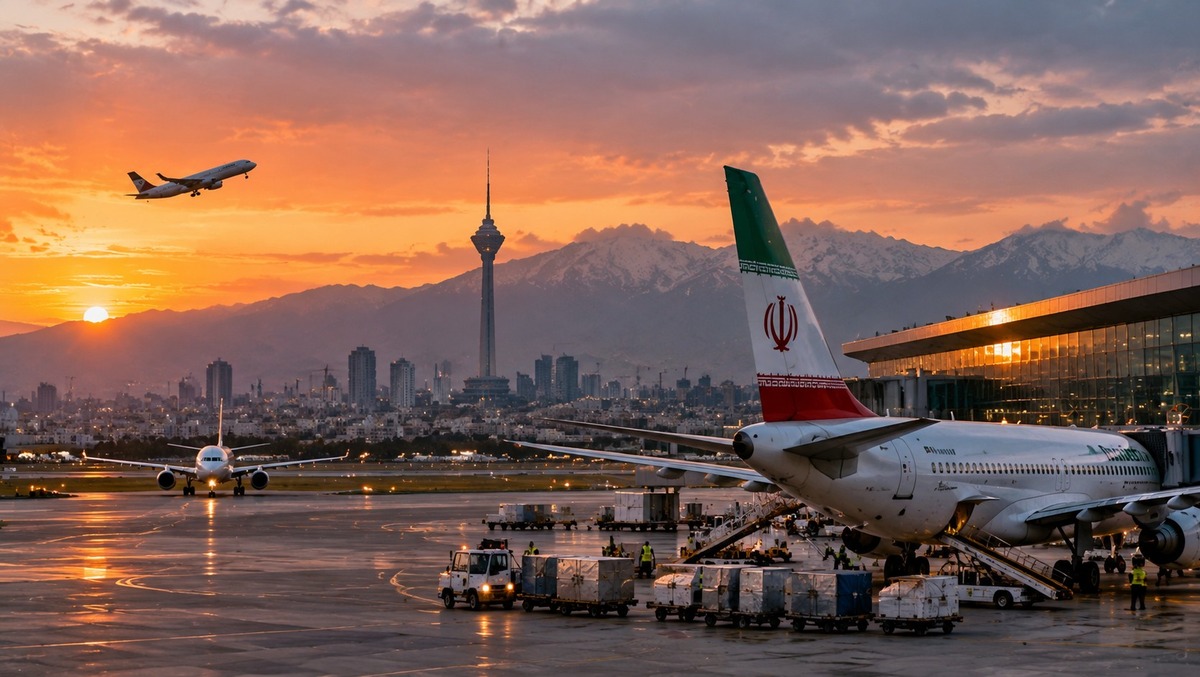
Image generated with Ai
There has been a significant disruption in September 2026 to Iran’s international flights, and adjacent countries. Recently implemented US sanctions permit the US to reinstate sanctions on countries that help Iran’s international flights. As a result, dozens of flights have been suspended. Over 20 airlines, including airlines from the UAE, Iraq and Turkey, have suspended flights to and from Iran, as well as to other adjacent countries, including Azerbaijan, Georgia, and Central Asia. Because of the sanctions, 27 of Iran’s international airlines have ceased operations. Iran’s international flights have ceased, including flights used for Hajj and other religious pilgrimages. Flights have also ceased for commercial, business and other forms of travel. Because of the suspension of international flights, surface transport has not been able to meet the volume of goods previously moved by air transport.
The recent sanctions have restricted air connections between Iran and the rest of the world. International flights have become unavailable. Transportation and shipping networks have also been disrupted. The sanctions will have a long-term economic impact on Iran.
Advertisement
Advertisement
US Sanctions Target Iranian Airlines And Aviation Services
The current aviation disruption began after the United States expanded sanctions against Iran’s aviation sector, targeting 36 aviation-related entities. The measures included 27 Iranian commercial airlines and aviation-linked organisations, leaving international service providers facing increased compliance risks. The enforcement strategy focused not only on airlines but also on the wider aviation ecosystem supporting international operations.
The affected service areas include:
Advertisement
Advertisement
| Aviation Sector | Impact |
|---|---|
| Ground handling companies | Risk of penalties for servicing restricted Iranian aircraft |
| Fuel suppliers | International refuelling support affected |
| Ticketing agents | Increased compliance requirements |
| Airports | Pressure to restrict services to designated carriers |
| Maintenance providers | Potential restrictions on technical support |
The United States warned international companies that providing aviation services to sanctioned Iranian carriers could expose them to secondary sanctions, including restrictions linked to access to the US financial system. The travel impact has been immediate because Iranian airlines depend heavily on foreign airports and international service providers to maintain regional and long-haul operations.
Iraq Suspends Iranian Flights Affecting Pilgrimage Tourism Routes
Iraq has become one of the most affected destinations after suspending Iranian airline operations at key airports, including Baghdad, Najaf, Erbil and Sulaymaniyah. The move has significant consequences for religious tourism. Najaf International Airport is a major gateway for travellers visiting Najaf and Karbala, two important pilgrimage destinations that attract large numbers of visitors from Iran. The suspension has disrupted established travel patterns between Iran and Iraq, particularly for pilgrims who previously relied on frequent flights between the two countries.
Advertisement
Advertisement
Key Iraq aviation changes:
- Baghdad suspended Iranian flights following government direction.
- Najaf International Airport halted Iranian airline operations.
- Erbil and Sulaymaniyah airports followed with similar restrictions.
- Pilgrimage travellers have shifted towards longer overland journeys.
The impact extends beyond aviation. Hotels, transport providers, pilgrimage operators and local tourism businesses connected with religious travel are facing uncertainty as visitor movement becomes more complicated. Travellers who previously completed journeys within hours by air are now facing extended land travel arrangements involving border crossings and additional transport requirements.
UAE Flight Suspension Adds Pressure On Iran’s Regional Connectivity
The United Arab Emirates has suspended flights operated by Iranian airlines, creating another major setback for Iran’s international travel network. The UAE is one of the world’s most important aviation hubs, with Dubai and Abu Dhabi serving as major connecting points between Europe, Asia, Africa and the Middle East. The suspension removes one of the most important regional gateways available to Iranian travellers.
Advertisement
Advertisement
The UAE decision has affected:
- Passenger flights between Iran and the Gulf.
- Airline connections through major UAE hubs.
- Business travel routes.
- Tourism and family travel links.
The UAE aviation authorities linked the restrictions to international sanctions compliance requirements. For travel companies, the disruption is significant because many passengers historically used UAE airports for onward international connections.
Turkey Becomes Another Critical Aviation Pressure Point
Turkey has also experienced disruption as Iranian carriers face reduced access to aviation services. Turkey has traditionally acted as a major bridge between Iran and global markets. Istanbul Airport, in particular, has been an important transit point for passengers travelling between Iran, Europe and other international destinations. Restrictions affecting Iranian airlines have reduced travel options for passengers who previously relied on Turkish connections.
The consequences include:
Advertisement
Advertisement
- Cancelled or reduced Iranian airline operations.
- Longer journeys through alternative routes.
- Increased pressure on border transport links.
- Additional uncertainty for international travellers.
Turkey has also taken wider steps connected with financial and aviation restrictions affecting Iranian entities. For the travel sector, the reduction of Turkey-based connectivity removes another important alternative for Iranian passengers.
Oman And Caucasus Countries Reduce Iranian Flight Access
Oman has also suspended Iranian flight operations, affecting one of the closest regional aviation links available to Iran. Muscat has historically maintained strong transport and commercial connections with Iran due to geographical proximity and regional trade links. The suspension has reduced options for passengers travelling between Iran and the Arabian Peninsula. Meanwhile, aviation access has tightened across parts of the Caucasus and Central Asia.
| Country | Aviation Impact |
|---|---|
| Azerbaijan | Iranian carrier operations suspended |
| Georgia | Flight operations affected from September 21 |
| Turkmenistan | Airspace access denied for some Iranian flights |
| Oman | Iranian flights cancelled |
These restrictions have reduced the number of international aviation corridors available to Iranian carriers.
European And International Airlines Adjust Iran Operations
Several international airlines have reduced or stopped Tehran operations amid the changing aviation environment.
Affected carriers and routes include:
- Lufthansa services connected with Tehran.
- Austrian Airlines operations.
- Emirates services involving Iranian routes.
- Other international operators reviewing schedules.
Qatar Airways has listed possible future resumption plans dependent on regional airspace conditions. The changing network has left Iranian travellers increasingly dependent on fewer remaining international routes. Flight tracking information has shown some Iranian carriers continuing limited international operations to selected destinations, including Shanghai, Bangkok, Phuket and Kabul. However, the available network remains significantly smaller compared with previous international connectivity levels.
Advertisement
Advertisement
Iranian Officials Issue Warnings Over Regional Airport Restrictions
Iran has responded strongly to the aviation restrictions, warning neighbouring countries against supporting measures that prevent Iranian airlines from operating internationally. Iranian officials have indicated that continued restrictions could lead to wider regional consequences for aviation operations.
The statements have increased concerns among airlines and travel companies already dealing with uncertainty across Middle East routes. The aviation dispute has therefore expanded beyond airline access and into broader regional transport security concerns.
Passenger Travel And Air Cargo Face Growing Challenges
The aviation restrictions are affecting both passenger movement and logistics networks.
For travellers, the biggest challenges include:
- Cancelled flights.
- Limited international connections.
- Longer journeys.
- Increased reliance on land transport.
Overland alternatives have become increasingly important but are creating pressure on border crossings. Some travellers moving between Turkey and Iran have faced lengthy journeys involving multiple bus connections and extended border processing. Air cargo is another major concern.
Businesses rely on aviation for transporting:
Advertisement
Advertisement
- Pharmaceuticals.
- Medical equipment.
- Specialised industrial parts.
- Time-sensitive goods.
The reduction in aviation access could increase delivery times and create additional supply chain pressure.
Strait Of Hormuz Standoff Adds Wider Travel Uncertainty
The aviation crisis is unfolding alongside tensions surrounding the Strait of Hormuz, a strategically important maritime route connecting the Gulf with global markets. Diplomatic discussions have focused on possible arrangements involving sanctions, maritime access and regional security. Iran has linked aviation restrictions and economic pressure with wider negotiations surrounding the Strait of Hormuz.
At the same time, regional countries have adopted different positions regarding sanctions and diplomatic efforts. Saudi Arabia and the UAE have supported maintaining pressure on Iran, while Qatar and Oman have continued efforts focused on diplomatic engagement and possible phased solutions. The situation has increased uncertainty for aviation and tourism businesses operating across the Middle East.
Global Travel Industry Watches Iran Connectivity Developments
The problems experienced by Iranian airlines shows that political and economic sanctions placed on countries can create a ‘domino effect’ and make other neighboring countries’ air transportation systems unstable. The geographic location of Iran in the Middle East makes it a large and important air transportation hub for global transit.
Constant changes to international sanctions require the tourism industry to be flexible. Airlines and tour operators are regularly updating their plans to reflect new trends. Airlines have changed or cancelled flights. Currently, travelers planning to use airlines with a direct or indirect flight to, from, or via Iran must be flexible. A combination of factors including international sanctions and diplomacy as well as instability in the region will affect international flights to and from Iran.
Advertisement
