
Vietnam Prepares for More Indian Visitors as New Aviation Deal Tests Tourism Readiness

Published
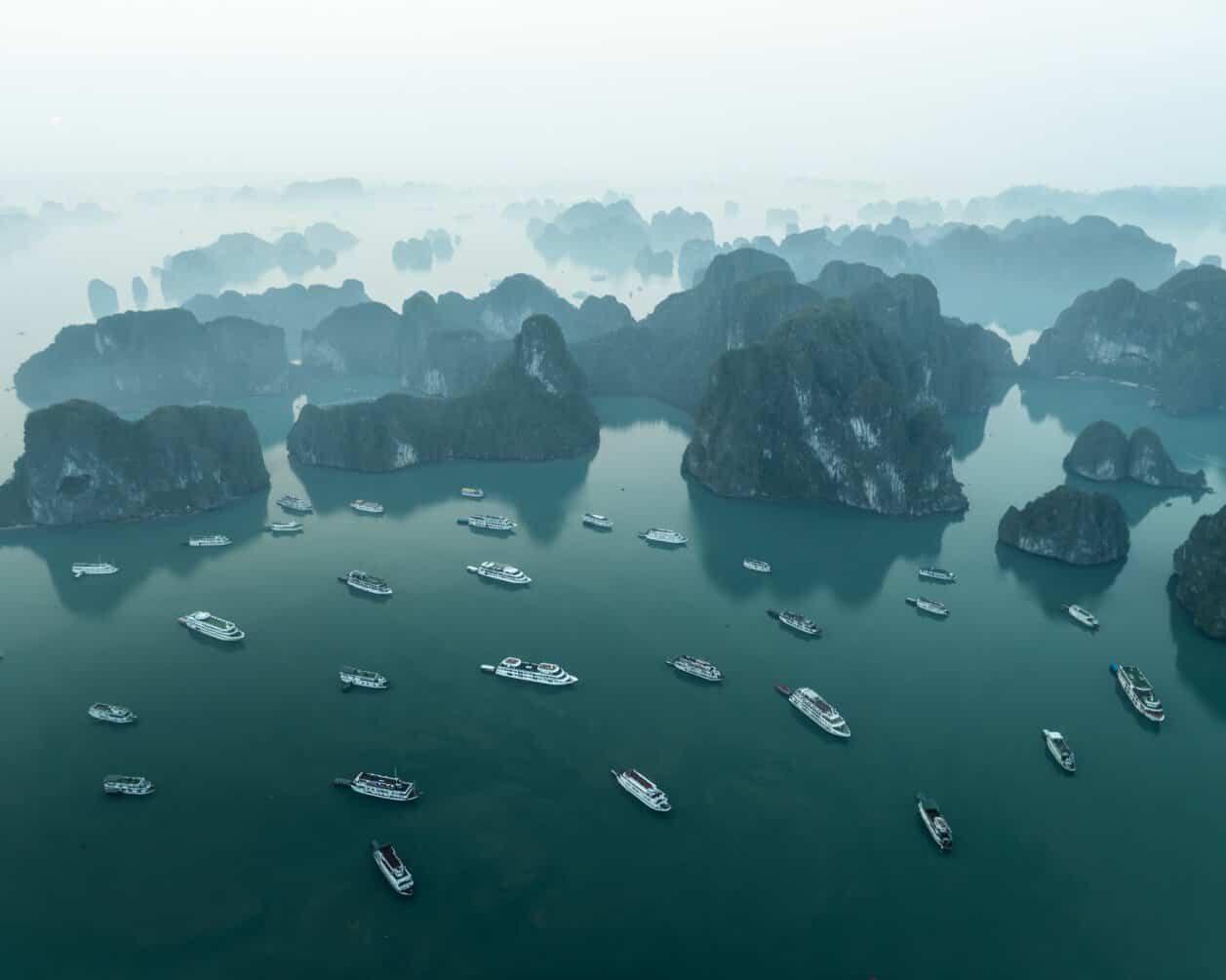
Vietnam is anticipating more Indian tourists following the India-Vietnam pact in September 2022 to enhance their air connectivity and services. As reported by Channel News Asia, more air connections will boost the number of tourists, and increase hotel occupancy and spending in major cities and beaches in Vietnam. The newly signed pact will increase air connections, however, it will also put more passengers through the current constraints of the transportation, tourism and emergency services in Vietnam. While the government is committed to facilitating improved connectivity, the actual routing and frequencies will be a commercial decision by the airlines.
India and Vietnam change how airlines receive capacity
India’s Ministry of Civil Aviation held talks with a Vietnamese delegation on 17 and 18 September 2026. The discussions advanced the existing bilateral Air Services Agreement.
Advertisement
Advertisement
According to the ministry’s official announcement, the two sides agreed to improve direct connectivity by converting flight-frequency entitlements into seat-based allocations for designated airlines.
This technical change matters. A frequency-based arrangement limits how many services an airline can operate. A seat-based system can offer carriers greater flexibility when choosing aircraft size and schedules.
Advertisement
Advertisement
The official announcement did not disclose a final capacity total. It also did not confirm new routes, launch dates or participating airlines. Reported seat figures should therefore remain separate from the government-confirmed terms until authorities publish the revised allocation.
Advertisement
Advertisement
Aviation expansion arrives during record tourism growth
Vietnam enters this new aviation phase with strong international momentum. The country’s National Statistics Office recorded nearly 21.2 million international visitors in 2025, the highest annual total reported by the agency.
That represented growth of 20.4 per cent compared with 2024. Air travel generated more than 17.8 million arrivals, accounting for 84.3 per cent of all international entries.
The same National Statistics Office report showed that tourism-service exports reached US$15.22 billion in 2025, rising by 24.4 per cent. Accommodation and food-service activity increased by 10.02 per cent, while transport and storage expanded by 10.99 per cent.
| Official 2025 indicator | Recorded performance |
|---|---|
| International visitors | Nearly 21.2 million |
| Annual visitor growth | 20.4% |
| Arrivals by air | More than 17.8 million |
| Air share of international arrivals | 84.3% |
| Tourism-service exports | US$15.22 billion |
| Tourism-service export growth | 24.4% |
| Accommodation and food-service growth | 10.02% |
These figures do not measure the Indian market separately. However, they show why additional aviation access must be considered within Vietnam’s wider visitor economy.
India Vietnam aviation deal puts tourism readiness in focus
More airline capacity can bring economic gains. It can also concentrate demand at airports, hotels, attractions and transport terminals during peak periods.
Advertisement
Advertisement
Vietnam tourism readiness will depend on how well public agencies and private operators manage that demand. The test is wider than airport capacity.
Key areas include:
- Immigration processing at major gateways.
- Baggage handling and ground transport.
- Hotel availability during holidays.
- Licensed guides for large groups.
- Emergency assistance in tourist areas.
- Weather monitoring for marine activities.
- Clear information in English and other languages.
No official source used for this article says that Vietnam is unsafe or unprepared. Readiness refers to the practical need to keep services dependable as visitor volumes and direct air access expand.
Easier visas support Indian demand
Vietnam’s visa policy already removes an important barrier. Its official tourism portal states that a 90-day e-visa is available to citizens of all countries, which includes Indian passport holders.
Vietnam has also expanded the number of approved entry and exit points for e-visa users. Travellers must still use Vietnam’s official immigration platform and check that every passport detail matches the application.
Advertisement
Advertisement
The official Vietnam Tourism portal provides visa guidance, destination information and health-and-safety resources. Travellers should avoid imitation visa websites that may charge extra fees or collect sensitive personal information.
The combination of digital entry permission and direct India Vietnam flights makes the market easier to access. Yet the aviation agreement itself does not guarantee lower fares. Prices will depend on how many airlines use their rights, which routes they select and how much competition develops.
Airlines gain flexibility but must make commercial decisions
Seat-based allocations can help airlines match aircraft capacity with demand. A carrier could use a larger aircraft on a busy route or divide available seats among several services.
That flexibility may help airlines serve holiday peaks, business demand, family travel and group bookings. It could also support better connections between Indian metropolitan areas and Vietnam’s main international gateways.
However, traffic rights are not the same as confirmed flights. Airlines still need:
Advertisement
Advertisement
- Suitable aircraft.
- Airport slots.
- Regulatory clearance.
- Ground-handling arrangements.
- Commercially sustainable demand.
- Published schedules and bookable inventory.
Travellers should wait for a formal airline announcement before planning around any proposed service. Neither government talks nor industry expectations provide a substitute for a confirmed timetable.
Hotels and local businesses could receive wider benefits
Additional visitors can support more than aviation. Hotels, restaurants, guides, coach operators, retailers and attraction managers all participate in the travel economy.
Hanoi and Ho Chi Minh City remain major gateways. Better connections could also support itineraries involving Da Nang, Hoi An, Nha Trang, Ha Long Bay and Phu Quoc through domestic flights or organised ground transfers.
Tour operators may respond by creating packages for families, corporate groups, destination weddings and cultural holidays. Hotels may need Indian dining choices, clearer group-management systems and staff able to assist guests with different dietary or language requirements.
No official corridor-specific employment forecast has been released. Claims about new job totals or hotel revenue should therefore wait for government statistics or confirmed investment announcements.
Advertisement
Advertisement
Safety must remain part of tourism growth
Rapid tourism expansion increases the importance of everyday risk management. Visitors may use boats, coaches, taxis, domestic flights and adventure-tour services during one holiday.
Travellers should choose licensed operators and check weather conditions before marine excursions. They should also confirm that life jackets, emergency equipment and insurance cover match the activity.
Tour operators have a parallel responsibility. Group organisers should hold accurate passenger lists, emergency contacts and medical information where travellers have consented to share it.
Air connectivity may deliver people to a destination faster. It cannot replace local safety checks, trained staff, clear warnings or dependable emergency procedures.
What Indian travellers need to know
Indian passport holders should arrange the correct visa before departure unless another eligible status applies. Passport details, entry dates and approved border points require careful checking.
Advertisement
Advertisement
Travellers should also:
- Buy insurance covering medical care and planned activities.
- Keep digital and printed copies of essential documents.
- Check seasonal weather before booking island excursions.
- Use licensed transport and recognised tour companies.
- Save the contacts of the Indian Embassy and local emergency services.
- Reconfirm flights directly with the operating airline.
The new agreement may create more choices, but travellers should not assume that proposed capacity is already available for purchase.
Future outlook remains tied to official implementation
The confirmed policy direction is clear: India and Vietnam want stronger direct air connectivity and a more flexible allocation system for designated carriers.
The next measurable stage will come through airline filings, airport schedules and ticket sales. Those announcements will show which cities gain services and how quickly additional capacity reaches the market.
Vietnam’s record 2025 visitor performance provides a strong base. The challenge is maintaining service quality while expanding access.
Advertisement
Advertisement
Frequently Asked Questions
Does the aviation agreement immediately create new flights?
No. It expands the framework available to designated carriers. Airlines must still secure approvals, slots and aircraft before publishing bookable schedules.
Do Indian travellers need a visa for Vietnam?
Indian passport holders can apply for Vietnam’s e-visa. Travellers should verify current eligibility, approved entry points and permitted stay through the official government platform before departure.
Will airfares become cheaper?
Not automatically. Fares could become more competitive if several airlines add seats on overlapping routes. Fuel costs, demand, seasonality and aircraft availability will continue to influence prices.
Conclusion
The recent India Vietnam aviation deal will create direct routes and increase tourism. Vietnam has a rapidly increasing tourism industry, and with e-visas, many entry barriers for tourism have been eliminated. India and Vietnam have partnered many times before and enjoy cultural similarities, and India’s growing middle class provides an additional customer base for Vietnam’s tourism and other industries. Increased air travel will be beneficial only if Airports, ground handing Services, and other related Services are improved. Excellence in Service is the key to the survival and growth of Vietnam’s tourism. If air travel increases before Improvement of Service, the negative effects of increased service will be significant.
Advertisement
