
Las Vegas Steps Up With Boston and Other Cities in Skyrocketing US Tourism Growth With a Record Surge in Travel Demand and Interest in 2026

Published
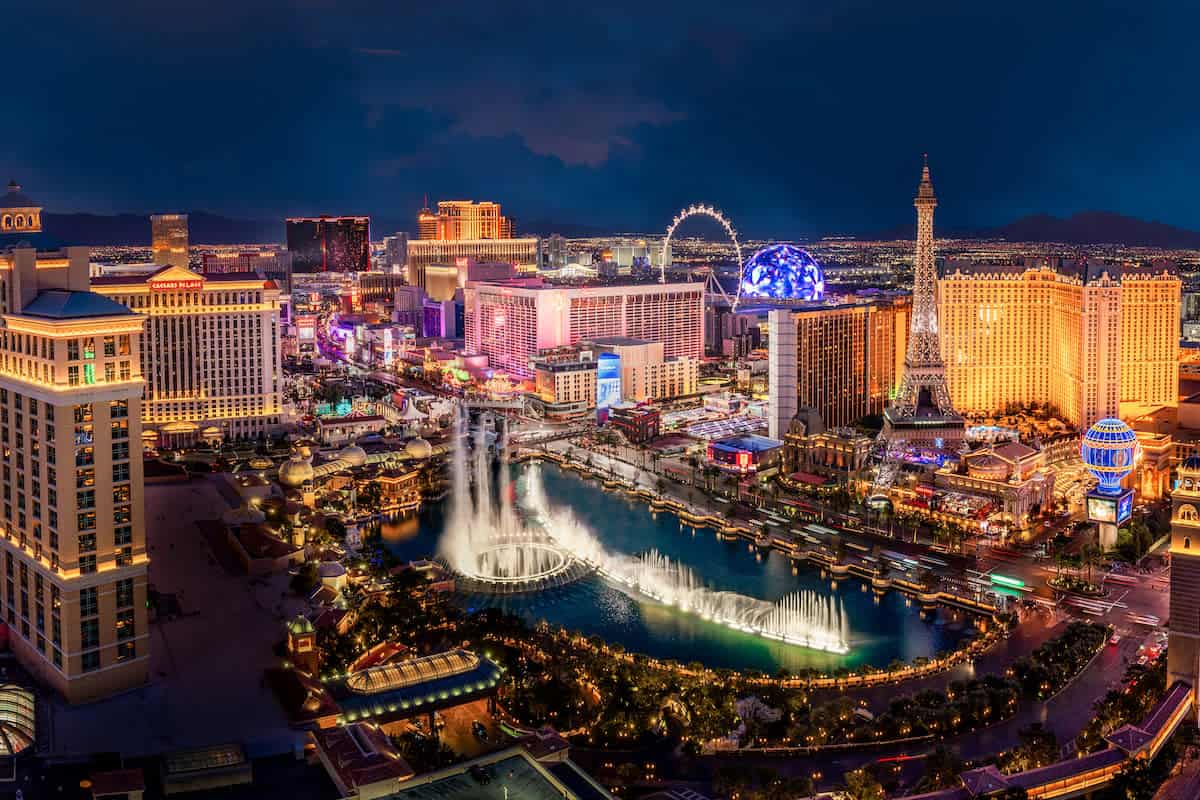
Las Vegas steps up with Boston and other cities in skyrocketing US tourism growth with a record surge in travel demand and interest in 2026, driven by major entertainment events, rising city-break travel, experience-led journeys and growing traveller attention towards concerts, culture, food and urban experiences across America.
American travellers are rediscovering the city break in 2026, but the reasons for travelling are changing. A concert, football match, food weekend or cultural event is increasingly becoming the starting point for the journey rather than something added after a holiday has already been booked.
The numbers capture that change. Las Vegas has recorded a remarkable 692% increase in travel searches linked to upcoming major entertainment events, while Boston has registered 487%. Across domestic summer travel more broadly, Austin accommodation searches have surged 423%, Atlanta 81%, Houston 52%, and Miami and Orlando 43% each. Flight searches have simultaneously climbed 81% for San Francisco, 59% for Boston, 55% for Washington DC, 47% for San Diego and 43% for Chicago.
The figures come from different search datasets and travel periods, so they should not be treated as a single ranking. What they show collectively is more important: demand is moving across a much wider range of American cities, and travellers are increasingly organising shorter domestic trips around experiences.
Advertisement
Advertisement
US Cities Recording Strong Travel Search Growth
| Destination | Travel Search Growth | Search Type | Main Tourism Signal |
|---|---|---|---|
| Las Vegas | +692% | Event-linked travel | Exceptional concert-driven demand |
| Boston | +487% | Event-linked travel | Major entertainment travel surge |
| Austin | +423% | Accommodation | Strong summer accommodation increase |
| San Francisco | +81% | Flights | Powerful West Coast city-break demand |
| Atlanta | +81% | Accommodation | Stronger urban leisure interest |
| Boston | +59% | Summer flights | Broader demand beyond event tourism |
| Washington DC | +55% | Flights | Cultural and city-break momentum |
| Houston | +52% | Accommodation | Growing Texas leisure demand |
| San Diego | +47% | Flights | Coastal city demand strengthens |
| Chicago | +43% | Flights | Strong summer metropolitan demand |
| Miami | +43% | Accommodation | Florida leisure demand remains resilient |
| Orlando | +43% | Accommodation | Family and attractions market holds firm |
Las Vegas — A 692% Event Search Surge Arrives at a Crucial Moment
Las Vegas has produced one of the strongest US increases in event-related travel interest, with searches climbing 692%. That means search activity reached almost 7.9 times its earlier level. The percentage should not be mistaken for equivalent growth in actual visitors; people can search repeatedly without booking. Yet it demonstrates how quickly a major entertainment announcement can redirect traveller attention.
The timing makes the increase particularly interesting. Las Vegas remains one of America’s most recognisable leisure destinations, but it has also faced periods of softer general travel demand. Another summer search dataset actually recorded weaker Las Vegas flight interest, illustrating how dramatically demand can differ according to travel dates and purpose.
Advertisement
Advertisement
That contrast tells the more interesting story. General travel demand can fluctuate, but a sufficiently powerful concert, sporting fixture or entertainment event can suddenly give travellers a compelling reason to book Las Vegas.
Boston — A 487% Event Surge Sits Alongside 59% Growth in Summer Flight Searches
Boston presents perhaps the clearest example of several travel trends working simultaneously. Event-related searches increased 487%, meaning interest rose to almost 5.9 times the earlier level. Separately, domestic flight searches for Boston increased 59% year-on-year during the 2026 summer travel period.
Advertisement
Advertisement
The two figures measure different travel windows and should not be combined, but together they indicate unusually strong attention around the city.
Boston is benefiting from something broader than one concert. Its historical neighbourhoods, waterfront, restaurants, universities, professional sport and major events allow travellers to build several experiences into a short trip.
That matters economically. A concert may convince someone to travel, but the value to Boston comes from everything surrounding it: additional hotel nights, meals, museum visits, local transport and perhaps an extension into wider New England.
Austin — A 423% Accommodation Search Boom Changes the Texas Tourism Picture
Austin provides one of the most striking non-concert figures of 2026. Domestic accommodation searches increased 423% year-on-year, making the Texas capital one of the standout cities in summer travel demand.
Advertisement
Advertisement
A rise of that scale suggests something stronger than routine seasonal movement.
Austin has spent years building an identity around live music, food, nightlife, technology and major events. That mix fits the changing behaviour of travellers who want a short break organised around experiences rather than a conventional resort holiday.
The city also demonstrates why event tourism does not always require a World Cup final or a stadium concert. A dense calendar of performances, festivals and cultural experiences can create repeated reasons to travel.
For hotels and restaurants, that may ultimately prove more valuable than one spectacular weekend because demand can be distributed across several periods rather than disappearing when a single mega-event finishes.
San Francisco — An 81% Flight Search Increase Adds Momentum to the Bay Area
San Francisco recorded an 81% increase in domestic flight searches in summer travel data. Another travel-search analysis indicated even stronger momentum for the broader San Jose-San Francisco market, although the methodologies and travel periods differed.
The improvement comes as San Francisco continues rebuilding its visitor economy through leisure travel, conventions, food, culture and major events.
Advertisement
Advertisement
The city possesses one important advantage in the current travel environment: visitors can easily expand a short San Francisco stay into a wider Northern California itinerary. Napa Valley, Silicon Valley, coastal communities and other Bay Area destinations can all benefit when travellers remain beyond the original event.
That makes the initial flight-search increase more valuable than the headline percentage alone suggests. The real economic opportunity lies in converting city-break demand into additional nights, restaurant spending, attraction visits and regional travel.
Atlanta — An 81% Accommodation Search Rise Gives the City Fresh Leisure Momentum
Atlanta recorded an 81% increase in domestic accommodation searches for summer 2026, putting it among the stronger large-city gains in the travel data.
Atlanta’s strength is connectivity. Its enormous aviation network makes the city relatively easy to reach from across the United States, while sport, music, food and major events give leisure travellers reasons to remain rather than simply connect through the airport.
That distinction matters.
For years, Atlanta has been a major business and transport centre. Stronger accommodation searches suggest leisure demand is becoming increasingly important to the city’s tourism mix.
Advertisement
Advertisement
Events can accelerate that transition. A traveller who initially chooses Atlanta for sport or a concert can subsequently spend across restaurants, neighbourhoods, museums and entertainment.
The city’s tourism opportunity is therefore not simply attracting people through its airport. It is persuading more of them to stay.
Washington DC — Flight Searches Rise 55% as Travellers Return to Cultural City Breaks
Washington recorded a 55% increase in domestic flight searches for summer 2026, placing the US capital among the country’s stronger urban travel performers.
The increase is notable because Washington does not depend on a traditional beach or resort product. Its appeal comes from museums, monuments, history, neighbourhoods, restaurants and a steady programme of public events.
That makes the city particularly well suited to shorter domestic breaks.
A traveller can arrive for a few days without needing to construct an elaborate itinerary, while many of the city’s major museums and landmarks are clustered closely enough to support compact trips.
Advertisement
Advertisement
Washington also illustrates an important feature of the 2026 travel market: Americans are not simply chasing sunshine. Cultural cities are gaining attention as travellers seek trips that combine entertainment, food and sightseeing without requiring an international journey.
Houston — A 52% Increase Suggests Texas Demand Extends Beyond Austin
Houston recorded a 52% increase in accommodation searches, showing that Texas’s travel momentum is not confined to Austin.
The two cities offer very different tourism propositions. Austin’s identity is closely tied to music and nightlife, while Houston combines dining, museums, sport, cultural diversity and major urban attractions.
That difference suggests the Texas surge is not being driven by one type of traveller.
Houston can benefit from visitors arriving for sporting fixtures, concerts or events and then extending their stays around the city’s food and cultural scenes. Its large aviation network provides another important advantage.
For Houston, the 52% increase is not as spectacular as Austin’s 423%, but sustained growth across a large metropolitan market can be commercially valuable because it provides hotels and attractions with demand beyond isolated peak weekends.
Advertisement
Advertisement
San Diego — Flight Searches Rise 47% as Travellers Combine Cities With the Coast
San Diego recorded a 47% year-on-year increase in domestic flight searches for summer 2026.
The city occupies an interesting position within the broader urban travel boom because it combines the convenience of a city break with the appeal of a coastal holiday.
Travellers can move between beaches, restaurants, cultural attractions, neighbourhoods and outdoor activities without having to choose between an urban and resort experience.
That flexibility becomes particularly valuable when travellers are taking shorter trips.
San Diego’s search increase also complements the strong demand visible elsewhere in California. San Francisco flight searches climbed 81%, while Los Angeles remains one of the country’s largest leisure and entertainment markets.
Rather than one California city taking demand from another, the figures indicate that the state continues to support several distinct tourism propositions.
Advertisement
Advertisement
Chicago — A 43% Flight Search Increase Meets Heavy Summer Travel Volume
Chicago recorded a 43% increase in domestic flight searches, adding to an already substantial summer visitor market.
The city’s tourism proposition is unusually broad. Lakefront activity, architecture, restaurants, festivals, museums, baseball and music all operate simultaneously during the warmer months.
That reduces reliance on a single event.
Chicago therefore represents a more mature version of the event-led city-break model. Instead of one concert creating the entire tourism story, a continuous calendar gives travellers repeated reasons to choose particular weekends throughout summer.
This matters to accommodation businesses because it can produce a steadier pattern of demand.
One blockbuster event may fill rooms for several nights. A city with concerts, sport, festivals and cultural attractions running throughout the season can potentially maintain stronger occupancy for weeks or months.
Advertisement
Advertisement
Miami — A 43% Accommodation Increase Hides a More Complicated Market
Miami recorded a 43% increase in accommodation searches in one major summer travel dataset, reinforcing Florida’s continued strength as a domestic leisure destination.
But Miami also illustrates why search data need context. Other travel-search measurements have produced weaker results for different periods and traveller samples.
The figures are not necessarily contradictory. Search trends can differ according to booking platform, travel dates, traveller origin and type of holiday.
What they reveal is a tourism market where demand can shift sharply according to price, seasonality and airfare.
Miami retains powerful advantages — beaches, nightlife, cruises, food and international connectivity — but travellers also have numerous alternatives.
For tourism businesses, this makes the quality of demand more important than a single headline percentage. Search increases attract attention, but hotel bookings, length of stay and visitor expenditure ultimately determine whether that interest becomes economic growth.
Advertisement
Advertisement
Orlando — A 43% Increase Shows Family Tourism Remains Resilient
Orlando also registered a 43% increase in accommodation searches for summer 2026.
That matters because Orlando represents a very different type of American holiday.
Its tourism economy is built heavily around theme parks, attractions and family travel rather than nightlife or cultural events. Yet it is participating in the same broader increase in domestic travel interest.
The result suggests that the shift towards US trips is not confined to younger travellers following concerts or couples booking weekend city breaks.
Families remain part of the story.
Orlando also shows why the American tourism market cannot be reduced to one trend. Some destinations are benefiting from music, others from sport, museums, beaches or theme parks.
Advertisement
Advertisement
What connects them is travellers’ willingness to take domestic journeys centred on a clear experience.
New York — Search Interest Climbs Sharply in America’s Largest City-Break Market
New York provides another important demand signal, with travel-search data showing substantial year-on-year growth for the metropolitan market during parts of the 2026 summer booking cycle.
The city differs from emerging destinations because it already begins with enormous baseline demand.
Strong additional search growth therefore reinforces New York’s ability to remain relevant even as travellers experiment with smaller and less conventional city breaks.
Events are part of that strength, but not the whole story. Broadway, museums, restaurants, professional sport, neighbourhoods and shopping provide a permanent foundation beneath temporary concert or festival spikes.
That allows New York to benefit from event-led travel without becoming dependent on it.
Advertisement
Advertisement
For other US cities, there is a useful lesson here: the strongest event strategy is one where the visitor still has compelling reasons to stay after the main attraction is over.
Los Angeles — Mega Events Keep Building the Next Wave of Visitor Demand
Los Angeles occupies a different position because its future tourism calendar is already packed with globally significant events. The city has moved from the 2026 FIFA World Cup towards Super Bowl LXI in February 2027, followed by the 2028 Olympic and Paralympic Games.
That sequence gives Los Angeles repeated opportunities to attract travellers rather than depending on a single year of international exposure.
The tourism value extends beyond stadium attendance.
Visitors arriving for sport can also spend on hotels, restaurants, entertainment, beaches, shopping, museums and attractions. Infrastructure improvements linked to the major-event cycle can continue benefiting tourists after the events have finished.
Los Angeles therefore demonstrates the long game of event tourism. A concert creates an immediate spike. A sequence of global sporting events can influence destination awareness, investment and travel decisions for several years.
Advertisement
Advertisement
The Numbers Reveal a Wider Shift Towards American City Breaks
The strongest evidence comes from looking beyond individual destinations.
Domestic accommodation searches across the United States increased approximately 21% year-on-year during the summer travel cycle, while domestic flight searches rose around 29%.
That suggests Las Vegas, Boston and Austin are not isolated anomalies.
Travellers are increasingly choosing domestic urban trips because they can be shorter, easier to organise and built around specific experiences. Music, food, sport and cultural events provide the trigger, while shorter journey times make the trip manageable within a weekend or several days.
Chicago, Las Vegas, New York, Seattle, Denver, Dallas, Boston, San Francisco, Orlando and Los Angeles have all appeared among leading domestic flight destinations during different parts of the summer.
America’s city-break market is therefore becoming broader, with travellers distributing their attention across destinations offering very different experiences.
Advertisement
Advertisement
Domestic Demand Is Strong but International Tourism Remains More Uneven
There is an important contradiction beneath the upbeat domestic figures.
In May 2026, international air traffic involving the United States totalled approximately 22.7 million passengers, down 1.2% year-on-year. Non-US citizen air arrivals from foreign countries fell around 4.5% to 4.5 million, while overseas visitor arrivals declined approximately 6.5% to 2.8 million.
That makes the domestic search boom more important.
Cities cannot assume international demand will automatically fill hotels and attractions. Stronger domestic city breaks can provide a buffer when overseas markets weaken.
The longer-term outlook is more encouraging. International visitation is forecast to move towards approximately 70.5 million visitors in 2026, before reaching around 74.1 million in 2027 and 78.7 million in 2028.
If that recovery materialises alongside stronger domestic demand, major US destinations could benefit from two different visitor streams at the same time.
Advertisement
Advertisement
Search Data Show Intent but Spending Will Decide the Winners
The extraordinary percentages require careful interpretation.
Las Vegas at 692%, Boston at 487% and Austin at 423% are not forecasts of equivalent increases in tourist arrivals. They measure search behaviour across different travel datasets and periods.
That makes them early indicators rather than final tourism results.
The distinction matters because destinations do not earn money from searches. They earn money when a traveller books the room, buys the flight, orders dinner, enters an attraction and stays another night.
Search data are valuable because they reveal the point at which curiosity begins turning into travel intent.
For Las Vegas, the question is whether event interest fills hotel rooms. For Boston, it is whether visitors extend their trips. For Austin, the challenge is converting an extraordinary accommodation-search spike into sustained demand beyond the immediate travel period.
Advertisement
Advertisement
Las Vegas Boston and More Point Towards a More Experience-Led US Tourism Economy
The wider 2026 numbers reveal a US tourism market being reshaped less by one blockbuster destination than by a network of cities offering specific reasons to travel.
Las Vegas leads the event-related search surge at 692%. Boston follows at 487%. Austin’s accommodation searches are up 423%. San Francisco and Atlanta each show 81% increases in their respective search categories. Washington stands at 55%, Houston 52%, San Diego 47%, and Chicago, Miami and Orlando at 43% in their respective measures.
Behind those figures is a straightforward change in traveller behaviour.
People increasingly want a reason to make the trip now. A concert can provide it. So can a football match, restaurant weekend, museum exhibition, theme park or festival.
For America’s visitor economy, that changes the competition. Cities are no longer selling only landmarks or hotel rooms. They are selling experiences tied to particular moments.
In 2026, the destinations that can turn those moments into longer stays and wider local spending are likely to extract the greatest value from America’s renewed appetite for domestic travel.
Advertisement
Advertisement
Las Vegas steps up with Boston and other cities in skyrocketing US tourism growth with a record surge in travel demand and interest in 2026, driven by event-led travel, entertainment experiences, rising city-break searches and growing demand for domestic urban destinations across America.
In conclusion, Las Vegas steps up with Boston and other cities in skyrocketing US tourism growth with a record surge in travel demand and interest in 2026, as experience-led journeys, major events, entertainment attractions and city-break travel continue reshaping domestic tourism patterns. Las Vegas recorded a 692% increase in event-related travel searches, while Boston, Austin and other major destinations also gained strong traveller attention through concerts, culture, food, sports and urban experiences. Although travel searches represent growing interest rather than confirmed arrivals, the figures highlight a wider shift towards experience-driven travel. The ability to convert this demand into bookings, longer stays and visitor spending will define the next stage of US tourism growth.
Advertisement
